Updated July 27, 2026

3D Roofs Editorial Team
Editorial Standards
The best roof for Ohio is usually Class 4 shingles if you want the strongest balance of storm protection and cost, Class 3 if you need a lower upfront price, and standing seam metal if you want a premium system built for hail, wind, snow, and freeze-thaw cycles. Ohio roofs take hits from warm-season thunderstorms, hail, straight-line and derecho winds, tornado outbreaks, winter snow load, ice dams, repeated freeze-thaw movement, and humid summers that speed shingle aging and algae growth. That means the right roof has to handle the whole year, not just one storm season.
What roof holds up best in Ohio weather?
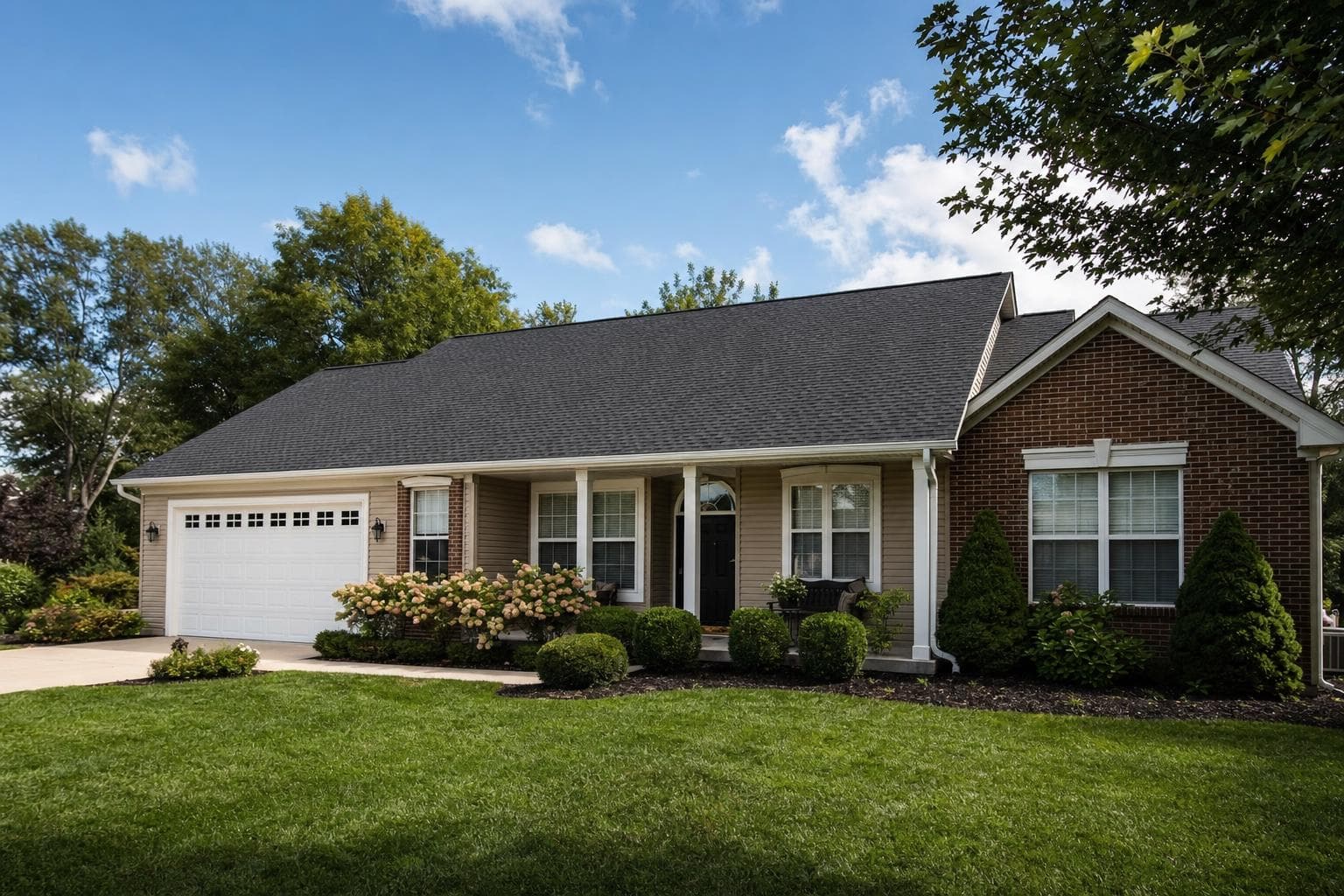
Class 4 shingles hold up best for most Ohio homes because they are built for hail resistance without pushing you into metal-level pricing. Ohio roofs are exposed to both ends of the calendar. Warm-season thunderstorms drive hail that bruises shingles and strips granules, plus straight-line and derecho winds strong enough to lift shingles and tear edges. Come winter, heavy snow load, ice dams along the eaves, and repeated freeze-thaw cycling work loose fasteners, flashing, and seams. Humid summers add the heat and moisture that age shingles and grow algae. The specification should address the exposures documented for the property instead of assuming one material solves every condition.
Should you choose Class 3, Class 4, or standing seam metal in Ohio?
Choose Class 3 if your main goal is lower upfront cost, choose Class 4 if you want the best mix of price and storm durability, and choose standing seam metal if you want a premium roof and are comfortable with the higher investment. Class 3 gives you a solid asphalt option, but it is the lighter-duty pick of the three when hail is part of the conversation. For best roof for in Ohio, any insurance credit depends on the carrier, policy, address, and exact product; get the amount and documentation requirements from the insurer in writing. Standing seam metal is the most expensive option here, but it is also a strong fit for snow shedding, long-term weather exposure, and homes where you want a more premium system.
- Class 3: best when budget comes first and you still want a durable asphalt roof
- Class 4: best for most Ohio homes because hail and wind are regular risks
- Standing seam metal: best when you want premium performance and can spend more upfront
How much does each roof type cost in Ohio?
For current Ohio planning prices related to best roof for, use the cost guide and calculator, then compare the contractor's property-specific written scope. Those numbers make the decision clearer. Moving from Class 3 to Class 4 adds a moderate step in price, while moving from either shingle system to standing seam is a major jump. If you want a deeper breakdown for your area, full local pricing lives on the Ohio cost page and the calculator.
Talk to a roofer today
Planning ranges, scope details, and a direct path to request a roofing quote.
Is Class 4 worth the extra cost in Ohio?
Yes, Class 4 is often worth the extra cost in Ohio because hail is a real risk and the price jump from Class 3 is far smaller than the jump to standing seam metal. The credit is not automatic, though: each insurer sets its own discount, so ask your carrier in writing whether they offer one, then submit the manufacturer's certificate after the install to actually claim it. For best roof for in Ohio, treat Class 4 as a laboratory impact classification for the exact product, not a promise that the installed roof will resist every hail event or avoid damage.
Is metal roofing the best choice for Ohio?
Metal roofing can be the best choice for Ohio if you want top-tier weather performance and are prepared for the higher upfront cost. In Ohio, that premium can make sense on homes with recurring snow and ice issues, homes exposed to heavy wind, or homeowners who simply want a roof system that is well suited to seam movement, snow shedding, and year-round weather swings. The tradeoff is simple: you pay much more upfront than you do for Class 3 or Class 4 asphalt.
What roof gives you the best value for an Ohio home?
Class 4 usually gives you the best value in Ohio because it matches the state's hail and storm pattern better than basic shingles without pushing you into the cost of standing seam metal. But Ohio weather is hard on roofing materials, especially when hail, wind-lift, snow load, ice dams, and freeze-thaw cycles all show up in the same year.
What should you expect for roof repair and replacement in Ohio?
For best roof for in Ohio, treat a steep or difficult-to-access roof as a scope variable that the contractor should measure and price explicitly. Those generic numbers help with planning, but the bigger point in Ohio is timing. After hail or wind, quick spot repairs can stop leaks, but repeated storm damage and winter wear often make a full replacement the smarter call. If your shingles are losing granules, edges are lifting, flashing is working loose, or ice dam problems keep coming back, it may be time to compare full replacement options instead of stacking repairs.
How do you choose a roofer in Ohio if the state has no license?
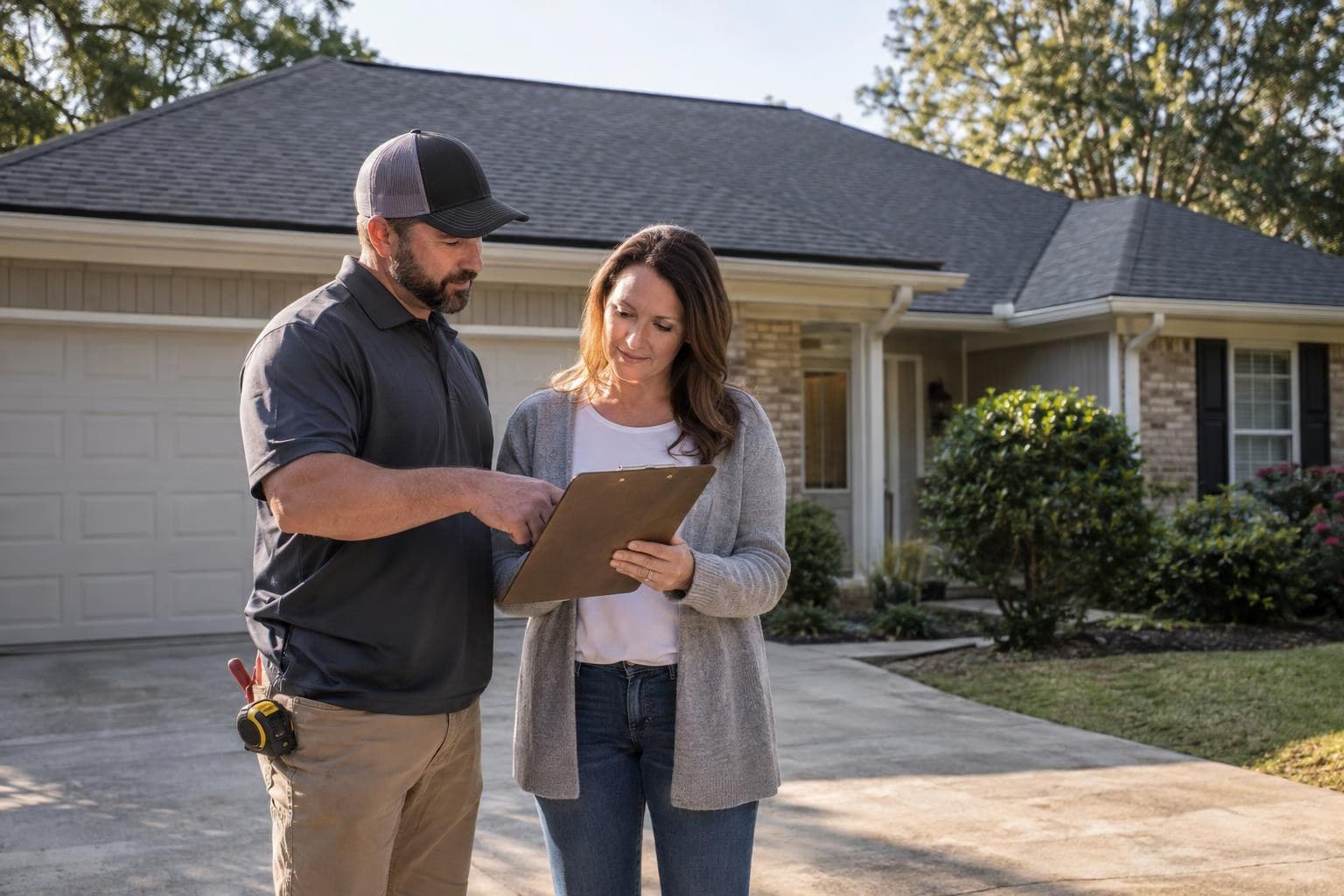
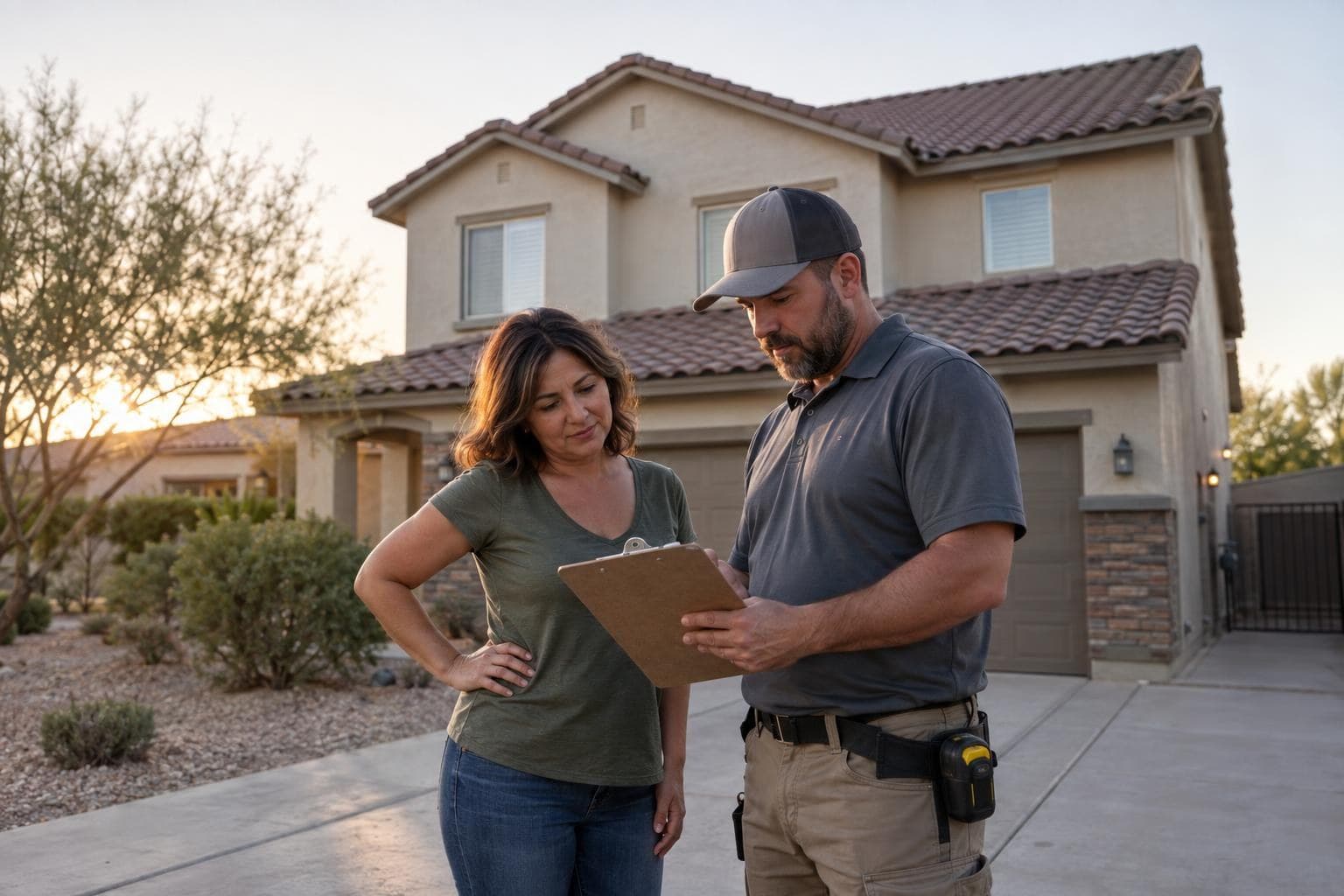
You should confirm local registration and permits in your own city or county before you sign. Ohio does not license or register roofing contractors at the state level. Instead, licensing, registration, and permits are handled locally, and the requirements vary by city. Columbus, Cincinnati, and Cleveland each require contractors to register and carry insurance before doing residential work, for example, while smaller towns may require only a permit. Because there is no state credential to lean on, confirm a roofer is registered and permitted in your specific city or county before you sign. Because Ohio issues no statewide roofing license, "licensed roofer" means little here on its own. Vet an Ohio roofer on what you can actually verify: current registration and a pulled permit in your own city or county, proof of general-liability and workers'-compensation insurance, a real local track record and references, manufacturer certifications, and a written scope that spells out tear-off, decking, underlayment, flashing, ventilation, and cleanup. Be especially wary of out-of-area trucks that knock on doors right after a storm and want a large deposit up front, and remember you have three business days to cancel a door-to-door contract.
What Ohio insurance and contract rules should you know before signing?
Know these rules before you agree to storm work: a roofer cannot pay or waive your deductible, and you have three business days to cancel many door-to-door contracts. For best roof for in Ohio, do not assume a contractor can remove or hide the deductible required by the policy. Verify current state law and the written proposal with the insurer or state insurance regulator before signing. A roofer pitching a "free roof" by eating your deductible is breaking the law, so treat it as a red flag, not a deal. Ohio Attorney General Dave Yost has repeatedly sued out-of-state "storm chasers" who took deposits and disappeared. Under Ohio's Home Solicitation Sales Act (Ohio Revised Code 1345.21 to 1345.23), if a salesperson comes to your home and you sign a contract of an amount that must be confirmed for the written scope or more there, you can cancel until midnight of the third business day after signing. The contract must state that right in writing, and to cancel you give the seller written notice, by certified mail or in person, within that window. This matters most when a door-knocker shows up after a hailstorm and pressures you to sign on the spot.
So what is the best roof for Ohio, in plain terms?
For most homes, the best roof for Ohio is Class 4. It is the strongest all-around fit for a state that gets hail, wind, snow, ice dams, freeze-thaw stress, summer humidity, and algae. Choose Class 3 if you need to keep the upfront number down. Choose standing seam metal if you want a premium roof and are comfortable paying much more for it. If you are comparing real numbers for your home, full local pricing lives on the Ohio cost page and the calculator, and that is the next step before you decide.
Sources reviewed
- Ohio Attorney General (door-to-door sales & 3-day right to cancel)
- Ohio Attorney General (storm-chaser home-improvement fraud)
- Asphalt Roofing Manufacturers Association: Residential Asphalt Roofing Manual: Ventilation Best Practices
- Metal Construction Association: Standing Seam Best Practices: Clips
- UL Solutions: UL Solutions and IBHS Drive Trust in Residential Roofing Shingles
Plan with current pricing
Related services
Updated July 27, 2026
3D Roofs Editorial Team
Editorial Standards