Updated July 10, 2026

3D Roofs Editorial Team
Editorial Standards
There is no single best roof for every Oregon home. For an Oregon property, start with its actual weather exposure and roof geometry, then compare complete assemblies on water control, attachment, ventilation, repairability, local availability, warranty terms, and installed cost. The sections below use Oregon-specific guidance to show which questions matter before choosing a material. For a roof system comparison in Oregon, use the linked Oregon Division of Financial Regulation, Storm damage guidance reference as the state-reference checkpoint and test the recommendation against the address's marine moisture, inland heat, wildfire debris, mountain snow, drainage, and vegetation at the address.
What roof type is best for Oregon weather?
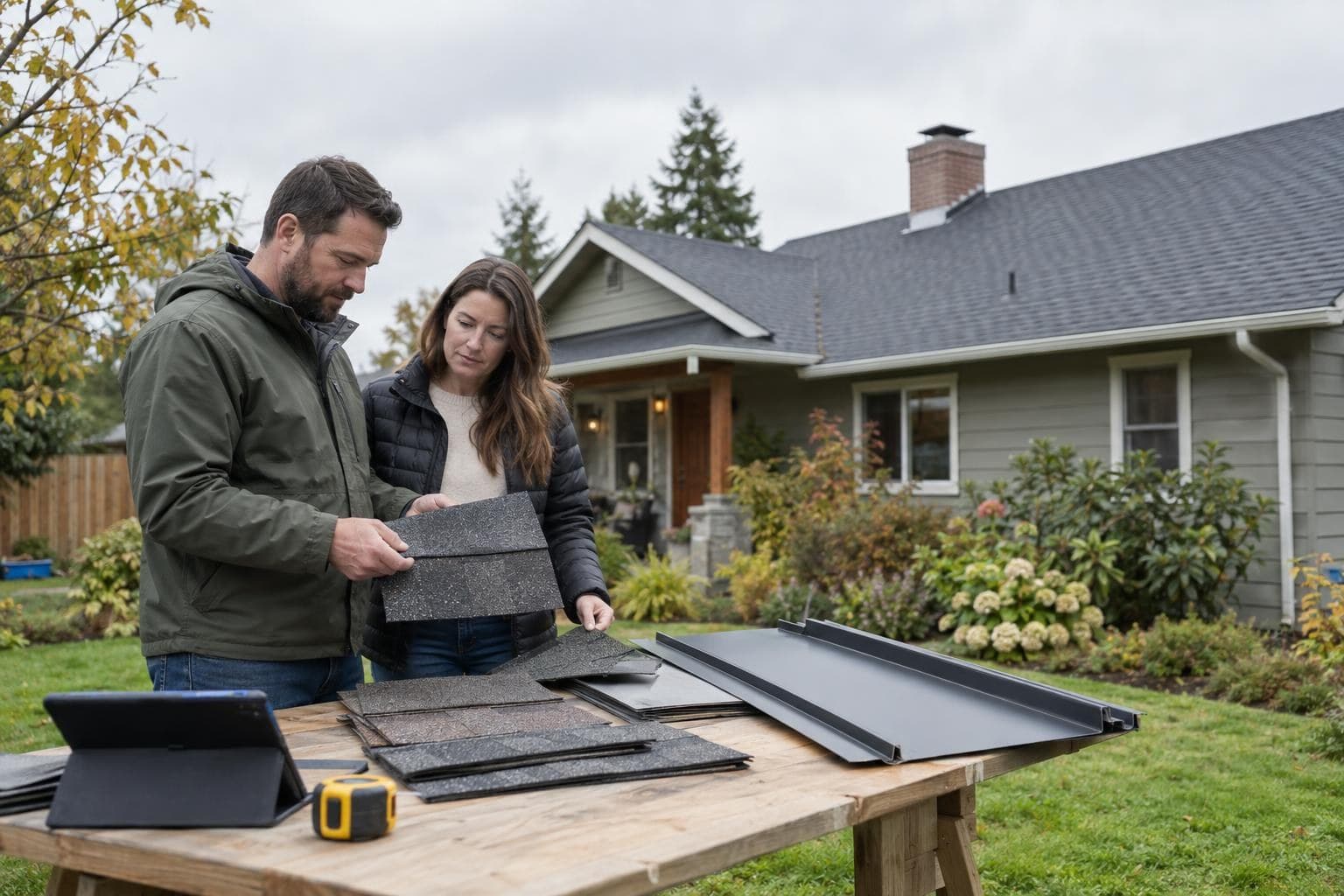
For many Oregon homeowners, Class 4 is the best overall fit because it balances stronger impact resistance with a mid-range price. Class 3 can make sense when you need to keep upfront cost lower. Standing seam metal can be the better choice if your home faces harder wind, more tree debris, heavier snow concerns, or you want a roof built around long-term performance. Oregon weather is not one single problem. It is a mix of wet conditions, wind exposure, branch strikes, freeze-related water issues, and in some areas ember exposure. That is why the best roof is the one that matches your roof’s real exposure, not just a generic recommendation.
How much do Class 3, Class 4, and metal roofs cost in Oregon?
Here is the direct price comparison using current local cost ranges. For a roof-system comparison in Oregon, start with current Oregon cost data, then test the planning range against a measured proposal that names the complete roof assembly. For a roof-system comparison in Oregon, require the written schedule to account for roof geometry, access, weather protection, material handling, inspections, and possible deck work.
Is Class 3 good enough for Oregon?
Yes, Class 3 can be good enough for Oregon if your main goal is lowering upfront replacement cost and your home does not face constant branch impact or heavier weather exposure. It gives you the lowest entry price of the three options. That can matter if you are replacing an older roof now and trying to control spending. But you should go in with clear expectations. Oregon claims and repair decisions often focus on the specific damaged area, not automatically a full replacement. If wind blows a few shingles off your house, homeowners insurance will likely replace the damaged shingles, but will not provide an entire new roof. If wind damage is only on one side of the roof, the insurer normally will pay only for the one slope of the roof to be replaced. On a roof where you expect more localized hits from wind or trees, a stronger material may reduce some of that repeated repair cycle.
Talk to a roofer today
Planning ranges, scope details, and a direct path to request a roofing quote.
Why do many Oregon homeowners move up to Class 4?
Many homeowners move up to Class 4 because it is the middle ground between basic shingle pricing and the much higher cost of metal. In Oregon, wind can tear off shingles or drop branches and trees onto a roof. That makes impact resistance worth a closer look. There can also be insurance value. For a roof-system comparison in Oregon, treat any impact-resistant roof credit as unconfirmed until the insurer identifies the eligible product, required documentation, premium portion, and amount in writing. The sources provided do not give a state-specific Oregon rule on Class 4 roof discounts, so you should ask your carrier whether it offers a discount for a Class 4 rated product and what documentation it requires. Carriers set their own underwriting rules and discounts.
When is standing seam metal worth it in Oregon?
Standing seam metal is usually worth it in Oregon when your home gets hit harder by wind, tree debris, snow load concerns, or you are planning for long-term ownership and want a more premium system. Metal can also appeal in wildfire-prone areas where ember exposure and debris management matter. If that is your concern, ask your roofer to look beyond the panel choice and review the full roof system, including areas where debris collects and water can back up.
How does Oregon insurance affect the best roof choice?
Insurance can change the math, but it should not be your only reason to choose a roof. Oregon’s Division of Financial Regulation tells homeowners to weigh the benefits of filing a claim against the costs, including your deductible. The state also warns that a reported claim could affect your future premium or ability to get coverage. That matters because Oregon weather often causes partial roof damage, not total failure. A cheaper roof can look fine on day one, but if you expect repeated localized repairs, your out-of-pocket costs and claim decisions can add up over time. You should also remember that some water losses may be covered, others usually are not. Oregon’s storm guidance says sudden and accidental events from an ice dam on the roof or pipes bursting due to freezing may be covered. It also says policies generally will not cover groundwater seepage or water damage from backed-up drains or sewers, though some insurers offer limited coverage or endorsements for water backup.
What should you ask before signing with an Oregon roofer?
Start by confirming your roofer has an active CCB license before work starts, and make sure the business name on the contract matches the license record. In Oregon, roofing is work that generally requires a Construction Contractors Board license. The state warns that anyone can pretend to be a contractor and tells consumers to check licenses. If you are comparing bids, ask who will supervise the job and whether the business is set up for residential roofing work under the proper endorsement structure. You should also ask whether the quote is for repair or full replacement, because Oregon weather claims may be limited to the damaged roof area. A local roofer you have vetted can help you compare whether a repair makes sense now or whether replacement is the cleaner long-term move.
So, which roof should you choose for your Oregon home?
Choose Class 3 if your budget is the priority and your roof exposure is more moderate. Choose Class 4 if you want the best balance of cost and protection for Oregon’s mix of wind, rain, branch impact, snow, and freeze-related risk. Choose standing seam metal if your home faces tougher conditions, you plan to stay long term, and you are comfortable with the higher upfront cost. For many homes, Class 4 is the practical sweet spot because it improves durability without jumping all the way to metal pricing. A qualified local roofing contractor can help you match the material to your roof’s actual slope, exposure, and condition.
Sources
Reviewed technical references for Oregon
Related Oregon roofing guides
Related services
Updated July 10, 2026
3D Roofs Editorial Team
Editorial Standards