Updated July 27, 2026

3D Roofs Editorial Team
Editorial Standards
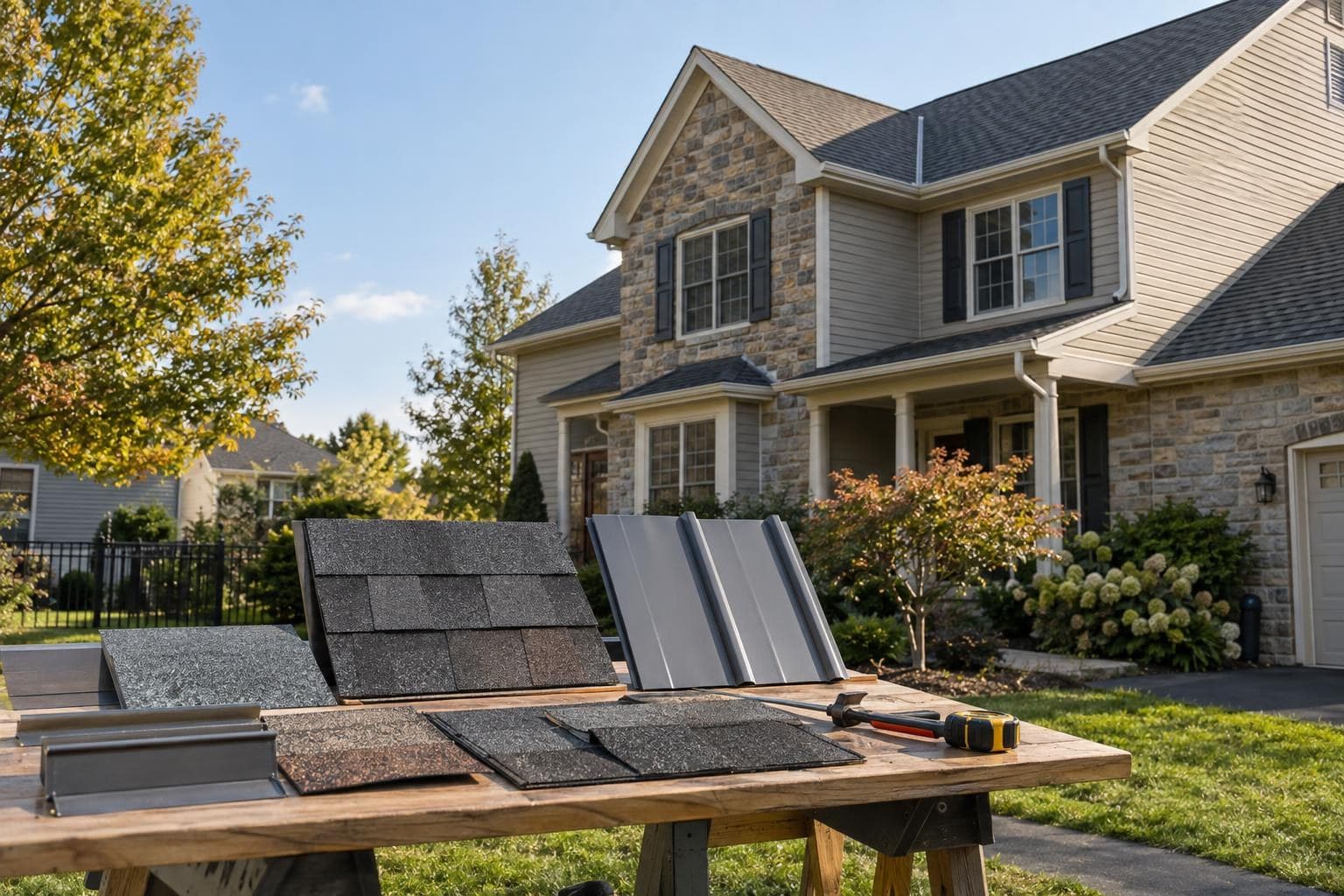
The best roof for Pennsylvania is usually a Class 4 asphalt shingle if you want the strongest balance of storm protection, upfront cost, and possible insurance savings. Class 3 is the value pick if you want better durability than basic shingles without pushing your budget too far. Standing seam metal makes sense if you want a premium roof and are comfortable paying much more upfront. Pennsylvania roofs deal with a little of everything, so your decision should match the state’s actual weather, your home, and your budget.
What roof holds up best in Pennsylvania weather?
Class 4 shingles usually hold up best for most Pennsylvania homes because they are built for tougher impact performance while keeping the look and price point many homeowners want. Pennsylvania's insurance Department says weather here can be unpredictable, from thunderstorms to snowstorms. That mix can mean wind-lifted shingles, water intrusion around flashing and roof penetrations, gutter overflow, and added stress from snow and ice. Tree limbs and outdoor debris can also become a problem during storms. In that kind of climate, a tougher shingle gives you a better shot at limiting storm damage, but the roof system matters just as much. Good drainage, attic ventilation, flashing details, and routine maintenance often decide how well your roof ages between storms.
Is Class 3 or Class 4 better for Pennsylvania?
Class 4 is better if you want the most storm-focused asphalt option. Class 3 is better if you want to control upfront cost. For current Pennsylvania planning prices related to best roof for, use the cost guide and calculator, then compare the contractor's property-specific written scope. That puts the upgrade from Class 3 to Class 4 at a meaningful but still manageable jump for many homeowners. In return, you get a roofing material often chosen specifically for hail and debris resistance. If your area gets frequent storms, overhanging branches, or repeated repair needs, Class 4 usually makes the stronger long-term case.
- Choose Class 3 if your main goal is lower upfront cost with a step up in durability.
- Choose Class 4 if you want stronger impact resistance for storm-prone conditions.
- For best roof for in Pennsylvania, treat Class 4 as a laboratory impact classification for the exact product, not a promise that the installed roof will resist every hail event or avoid damage.
- Either option works better when your roofer also addresses flashing, ventilation, drainage, and any weak roof penetrations.
Is metal roofing worth it in Pennsylvania?
Standing seam metal can be worth it in Pennsylvania if you want a premium roof and are prepared for the higher upfront investment. That is far above Class 3 and Class 4 asphalt. For some homeowners, the appeal is durability, snow shedding, and a different look. But metal is not automatically the best value for every house. If your main goal is practical storm protection at a lower cost, Class 4 asphalt is often the more balanced choice.
Talk to a roofer today
Planning ranges, scope details, and a direct path to request a roofing quote.
How much should you expect to pay for the best roof in Pennsylvania?
For most homeowners, the realistic price conversation starts with three tiers. For best roof for in Pennsylvania, treat a steep or difficult-to-access roof as a scope variable that the contractor should measure and price explicitly.
Can a Class 4 roof help with insurance in Pennsylvania?
Yes, it can, but you need to confirm the details with your carrier before you buy. For best roof for in Pennsylvania, any insurance credit depends on the carrier, policy, address, and exact product; get the amount and documentation requirements from the insurer in writing. Pennsylvania guidance also says that if you are considering an impact-resistant roof, ask your insurer whether it offers a discount for a Class 4 rated product. Discounts and underwriting rules can vary by carrier, so the key step is to confirm eligibility, required documentation, and whether the carrier recognizes the specific roofing product your roofer proposes.
What roofing problems are most common in Pennsylvania?
The most common problems are the ones that show up when storms hit a roof that already has weak spots. Pennsylvania says the weather mix can lead to wind-lifted shingles, water intrusion around flashing and roof penetrations, gutter overflow, and added stress from snow and ice. That means the best roof is not just about the shingle rating or whether you choose metal. It is also about keeping gutters moving, replacing damaged flashing, maintaining attic ventilation, and fixing small trouble spots before the next round of bad weather turns them into a larger leak.
Should you repair or replace your roof after storm damage?
Repair it if the damage is isolated. Replace it if the storm exposed bigger system problems or if repeated repairs are starting to add up. For best roof for in Pennsylvania, ask the contractor to put the expected working days and weather plan in writing; timing depends on roof size, material, access, crew scheduling, and conditions found after tear-off. If you are deciding between one more repair and a full replacement, compare the repair total against the value of stepping into a stronger material like Class 4.
What should you do before filing or settling a Pennsylvania roof claim?
Start by reviewing your policy, documenting the damage, and slowing the process down enough to understand the real repair cost. The state tells homeowners to keep their homeowners policy up to date and check with their insurance provider annually to make sure they have the right coverage. It specifically says to ask if damage from floods and wind is covered under your policy. After a storm, Pennsylvania’s insurance guidance says that you should take pictures or videos of the damage before you clean up or make repairs. After documenting, make immediate repairs that are necessary to prevent further damage, but do not make permanent repairs until your insurance company approves them. Keep all receipts for any money you spend related to the damage. Pennsylvania's insurance Department also says you do not have to rush a settlement, and that you should try to find out the total cost of repairs before agreeing to any settlement.
How do you choose the right roofer in Pennsylvania?
Start with contractor registration, then go further. In Pennsylvania, a smart first check is contractor registration. The Attorney General says the Home Improvement Consumer Protection Act requires all contractors who perform at least an amount that must be confirmed for the written scope worth of home improvements per year to register with the Attorney General’s Office. The Insurance Department also tells homeowners to ask for the contractor’s Home Improvement Contractor number and verify that information through the Attorney General’s contractor search or by calling 1-888-520-6680. Just as important, the Attorney General says registration under HICPA is not an endorsement, recommendation or approval of the contractor’s competency or skill. So do not stop at the registration lookup. Get more than one estimate, check references, get the scope and total cost in writing, do not sign blank sections, and do not pay in full before the work is completed. Pennsylvania also warns that natural disasters can attract dishonest solicitors, so if someone shows up right after a storm, slow down and compare estimates before you sign anything.
So, what is the best roof for Pennsylvania?
For most homes, Class 4 is the best roof for Pennsylvania because it fits the state’s mix of thunderstorms, snowstorms, debris, and changing conditions without pushing into metal-roof pricing. Class 3 is a solid budget-conscious option if you still want improved durability. Standing seam metal is the premium pick if you want that material and can justify the higher cost. If you want the shortest answer, buy the roof that matches your storm exposure and budget, then make sure your roofer gets the drainage, flashing, and ventilation details right. That combination is what gives a Pennsylvania roof its best chance to last.
Pennsylvania roofing costs
Sources reviewed
- Pennsylvania Insurance Department, Natural Disaster Insurance Guide
- Pennsylvania Office of Attorney General, Home Improvement Contractor Registration
- Asphalt Roofing Manufacturers Association: Residential Asphalt Roofing Manual: Ventilation Best Practices
- Metal Construction Association: Standing Seam Best Practices: Clips
- UL Solutions: UL Solutions and IBHS Drive Trust in Residential Roofing Shingles
Related services
Updated July 27, 2026
3D Roofs Editorial Team
Editorial Standards