Updated July 10, 2026

3D Roofs Editorial Team
Editorial Standards
Class 4 can be a meaningful specification when hail is part of the decision, but the phrase is often asked to do too much. It does not identify the manufacturer or product, describe the rest of the roof system, guarantee what a future storm will do, establish longer service life, or promise an insurance credit. A responsible comparison begins with the exact listed shingle and ends with the installed price difference and written policy answer for that home.
What a UL 2218 Class 4 rating establishes
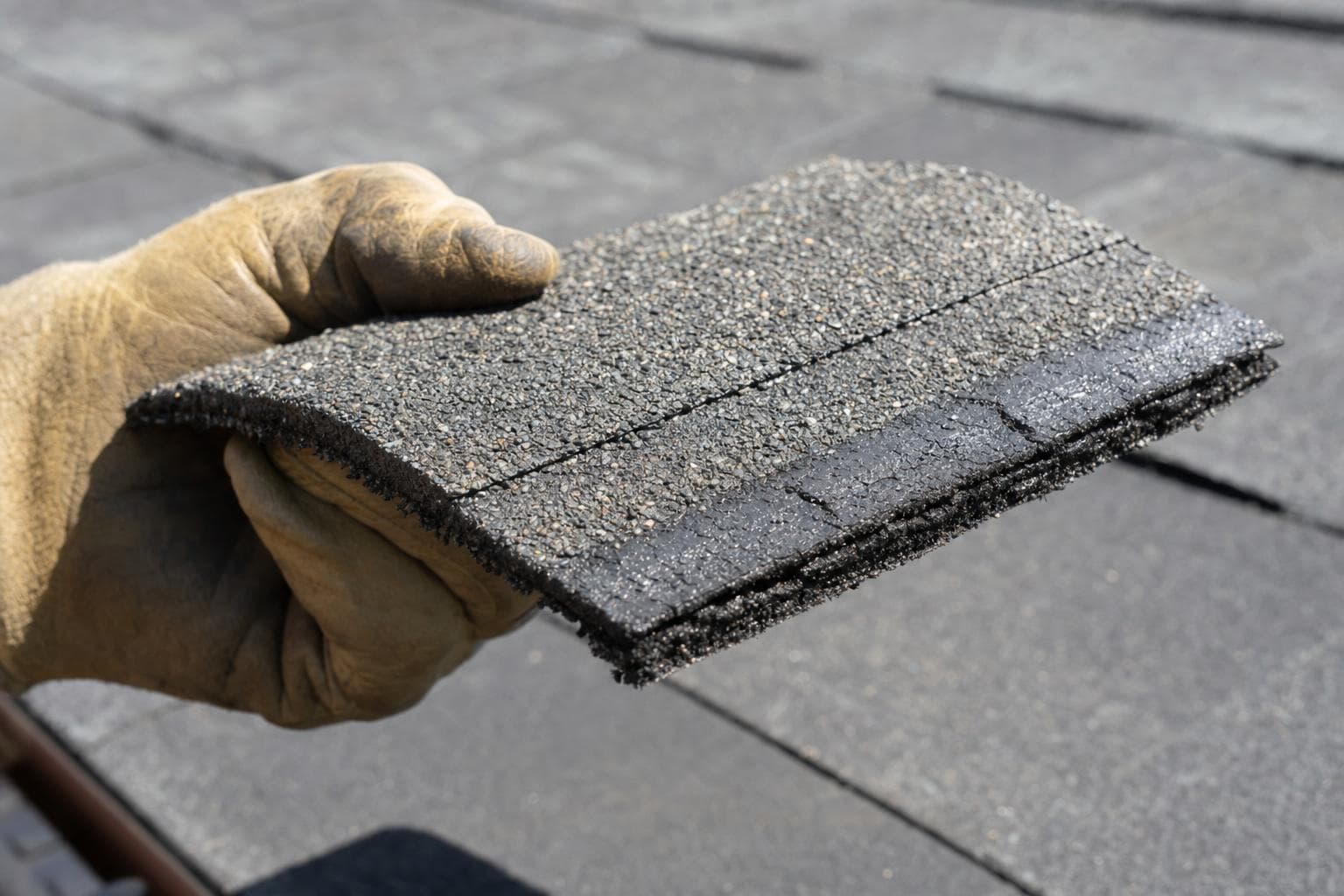
UL 2218 is a standardized impact-resistance test for prepared roof coverings. Products are exposed to specified steel-ball impacts at multiple locations and examined under the standard's acceptance criteria. Class 4 is the highest of the four classifications in that test. The useful claim is narrow: the tested product met the Class 4 criteria under those laboratory conditions. Verify the exact product and current listing rather than assuming every shingle in a brand family shares the classification.
UL Solutions also explains an important limit: the test does not account for every field effect, including denting and granule loss that may be observed after natural hail. IBHS notes that standardized tests evaluate new products and do not reproduce all aging and exposure. A new listed shingle's result therefore should not be converted into a promise about every hailstone, storm angle, roof age, substrate, or future inspection.
Class 4 describes a product, not the whole installed roof
The roof still relies on underlayment, leak barriers, starter, ridge material, flashing, penetrations, edges, deck condition, fastening, ventilation, and workmanship. Those components do not inherit the covering's impact classification. A proposal that upgrades the field shingle but leaves vague accessories and details is incomplete, especially because hips, ridges, vents, and transitions can receive direct weather exposure.
- Write the manufacturer, exact product line, color, and impact classification into the proposal rather than accepting Class 4 shingles as the complete material description.
- Confirm the matching starter, hip and ridge, underlayment, leak barriers, flashing, vents, and attachment required for the proposed system.
- Ask whether deck condition, number of layers, slope, or installation method affects eligibility for any product or enhanced-system warranty being presented.
- Require a substitution process so a supply change cannot quietly replace the selected product with a different listing or specification.
Use local exposure as context, not a blanket recommendation
A broad hail map is a starting point. The homeowner should also consider the property's event history, roof geometry, nearby exposure, insurer requirements, current covering, and the consequences of another repair or replacement. Hail is not the only concern: wind attachment, drainage, wildfire requirements, coastal corrosion, snow, heat, and local product approvals may affect which complete assembly makes sense. Class 4 does not replace those questions.
If the existing roof is being repaired rather than replaced, availability and tie-in may matter more than upgrading a small area. Mixing products can affect appearance and may affect installation or warranty requirements. Ask whether the damaged area can be restored with compatible material and whether a larger material change is solving a construction need or simply being sold because the classification sounds stronger.
Talk to a roofer today
Planning ranges, scope details, and a direct path to request a roofing quote.
Compare the installed upgrade, not the bundle price
Ask for two otherwise comparable written scopes: the base shingle system and the Class 4 alternative. The difference should identify the exact covering and any accessory, labor, deck, warranty, or ventilation changes. If several variables change at once, request a breakdown so the impact-resistant product is not credited for unrelated upgrades. Use the current local cost guide for a planning benchmark, then use the property-specific proposals for the actual decision.
- Installed price difference: compare like-for-like scopes and identify every component that changes.
- Expected ownership: consider whether the owner values the resilience decision during the likely ownership period without assuming a resale premium.
- Repair availability: ask whether the exact profile and color can be sourced later and how a future repair would be documented.
- Warranty terms: read coverage, exclusions, required registration, transfer rules, workmanship responsibility, and the remedy actually offered.
- Other priorities: compare appearance, weight, wind system, algae features, reflectance, and local approvals separately from impact classification.
Get the insurer's answer before counting a credit
Some insurers or state programs may recognize certain impact-resistant products, while another policy may offer no credit or apply different documentation and coverage terms. Contact the insurer with the manufacturer and exact product before signing. Ask which form or listing is required, which portion of premium is affected, when the change begins, whether it continues at renewal, and whether a cosmetic-damage endorsement or other roof provision changes. Keep the written response with the final invoice and product records.
A premium credit and claim coverage are different questions. A credit does not guarantee that a future condition is covered, and an impact classification does not interpret cosmetic-damage language, deductible, valuation, exclusions, or settlement terms. The insurer should explain policy questions. The contractor should document the installed product and construction. Keeping those roles separate prevents a material recommendation from becoming an unsupported coverage promise.
How to inspect a Class 4 roof after hail
Do not assume the roof is undamaged because the product carries Class 4, and do not assume every visible mark requires replacement. A qualified inspection should document roof areas, field shingles, hips and ridges, edges, vents, flashing, penetrations, drainage, and relevant interior evidence. It should separate impact observations from installation defects and weathering, then explain whether any finding affects water shedding, attachment, serviceability, or the ability to complete a repair.
A decision worksheet for the upgrade
- 1Name and verify the exact Class 4 product rather than comparing category labels.
- 2Make the base and upgrade proposals identical everywhere the construction is meant to remain the same.
- 3Confirm that the complete assembly addresses the property's wind, water, attic, code, and approval needs.
- 4Obtain the policy-specific insurer response in writing without treating it as a performance guarantee.
- 5Compare installed difference, documentation, repairability, warranties, ownership plans, and other material priorities.
- 6Keep the listing, contract, invoice, photographs, permit records, and warranty confirmations after completion.
Class 4 is valuable when it improves a complete, well-specified roof and the verified product, installed difference, and policy-specific facts support the choice.
The comparison should still work even if the insurance credit is zero. If the upgrade only makes sense because of an estimated discount, pause until the insurer supplies the actual answer. If it makes sense as a resilience choice at the documented installed difference, the credit can be evaluated as a separate policy benefit rather than the foundation of the roof decision.
Sources
- UL Solutions: UL Solutions and IBHS Drive Trust in Residential Roofing Shingles
- Insurance Institute for Business & Home Safety: Natural Weathering and Hazard Exposure
- Insurance Institute for Business & Home Safety: Roof 101
- National Association of Insurance Commissioners: What You Need to Know When Filing a Homeowners Claim
Related roofing resources
Related services
Updated July 10, 2026
3D Roofs Editorial Team
Editorial Standards