Updated July 10, 2026

3D Roofs Editorial Team
Editorial Standards
A roof does not become good or bad when it reaches a certain birthday. Age tells you which products and construction practices may have been used, how much weather the assembly has seen, and whether planning ahead is sensible. It does not reveal whether a leak comes from one repairable flashing detail, whether the deck is sound, or whether the covering can still be tied into without causing more damage. A useful lifespan answer therefore starts with the roof that is actually installed and the condition found today.
A roof is a system, not a date stamped on the covering
The visible shingle, tile, or panel is only the outer layer. Water performance also depends on the deck, underlayment, edges, valleys, flashing, penetrations, fasteners, drainage, and the way the attic or roof assembly manages air and moisture. One component can fail while the rest remains serviceable, or several aging details can make repeated spot repairs impractical. Before discussing remaining life, identify the assembly rather than naming only the surface material.
- Record the exact covering when possible, including manufacturer, product line, profile, finish, and any available installation documents.
- Identify the roof geometry and vulnerable transitions: low-slope tie-ins, walls, chimneys, skylights, valleys, penetrations, edges, and drainage paths.
- Check accessible attic or interior areas for moisture patterns, damaged decking, air leakage, insulation disturbance, or evidence of older repairs.
- Separate current defects from maintenance items and from conditions that need monitoring but do not yet require construction.
Product tests and warranties are not field-life forecasts
A test classification answers a defined laboratory question. A warranty states the manufacturer's written remedy, exclusions, required installation practices, and claim process. Neither document promises that every roof using the product will remain repairable or watertight for the same number of years. IBHS notes that standardized product tests evaluate new materials and do not reproduce every effect of aging and natural exposure. Read the exact product documents, but do not turn a label or warranty term into an expiration date.
The installation may also include components from several manufacturers, while workmanship coverage comes from the contractor. Ask which document applies to the covering, which applies to installation, whether registration was required, and what maintenance or transfer rules matter. That produces a more useful answer than comparing the largest warranty number printed on two brochures.
Exposure changes the inspection questions
Climate should guide what an inspector examines, not supply a universal deduction from a lifespan chart. Wind exposure puts more attention on edges, attachment, seals, and transitions. Hail exposure makes impact patterns and material response relevant. Heat and sunlight can change surface condition, while cold-weather assemblies deserve attention at eaves and other places where meltwater can back up. Humid or coastal conditions add questions about corrosion, biological growth, condensation, and fastener compatibility.
- After a specific weather event, document what changed and distinguish event-related evidence from long-term weathering or prior damage.
- Where trees overhang the roof, look for abrasion, trapped debris, damaged edges, blocked drainage, and branches that can strike the covering.
- On exposed sites, review attachment and edge conditions instead of assuming a product's advertised wind language describes the installed assembly.
- Where snow or ice is relevant, investigate the heat, air, insulation, drainage, and roof details that created the observed condition.
Talk to a roofer today
Planning ranges, scope details, and a direct path to request a roofing quote.
Read each material by its own failure modes
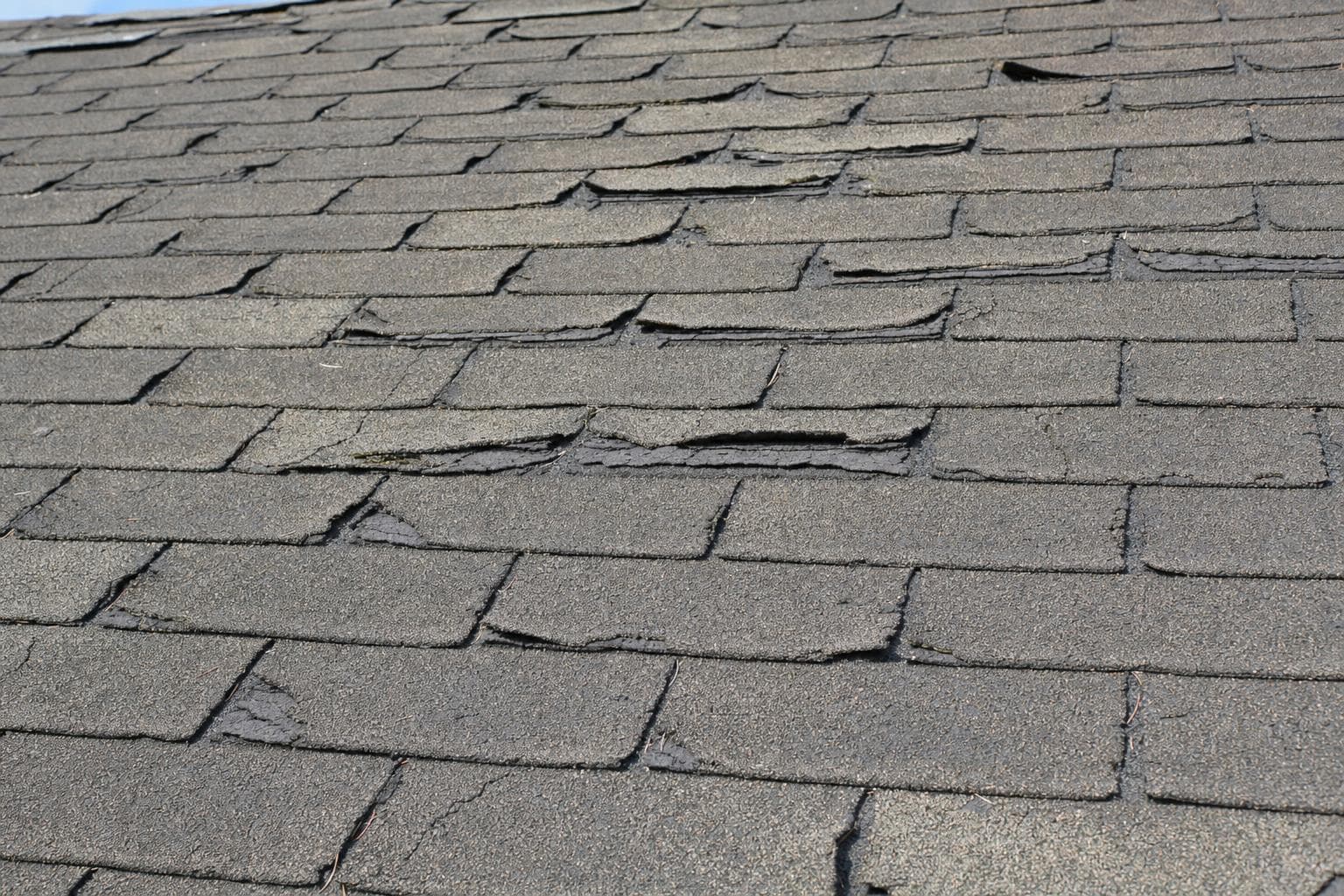
Different coverings do not age in the same way, and the surface can outlast another part of the system. Asphalt shingles may show loss of adhesion, cracking, displaced tabs, exposed asphalt, or reduced ability to accept a repair. Metal evaluation includes panel condition, finish, corrosion, fasteners or clips, seams, sealants, penetrations, and movement details. Tile and slate evaluation includes broken or displaced units, attachment, flashing, walkability, and the concealed water-shedding layers below them.
That distinction matters when a contractor says a long-lived material should be replaced or an older roof should simply be patched. Ask which component failed, whether matching repair material is available, what must be disturbed to reach the failure, and whether the repaired area can tie into sound surrounding work. The answer may be a focused repair, a larger section, an underlying-layer project, or full replacement; the material category alone does not decide it.
Attic heat and moisture need a diagnosis
Dark decking, damp insulation, frost, mold-like staining, or high attic temperature should trigger investigation, not an automatic prescription for more vents. Some roofs use vented attics; others use unvented assemblies. Moisture can come from a roof opening, indoor air leakage, disconnected exhaust ducts, condensation, or several sources at once. Adding exhaust without adequate intake or without addressing air leakage can leave the underlying problem unresolved.
- Identify whether the assembly was designed as vented or unvented and locate the intended air and thermal boundaries.
- Trace staining and moisture to a source instead of assuming every attic mark is an active roof leak.
- Confirm bathroom, kitchen, and dryer exhausts discharge outdoors and do not terminate in the attic.
- Compare any ventilation proposal with the covering manufacturer's instructions and the actual intake and exhaust paths.
A useful inspection ends with four action buckets
- 1Repair now: locate defects that can admit water, detach in wind, damage nearby materials, or expand if they are left open.
- 2Investigate further: flag concealed or ambiguous conditions that require moisture testing, attic access, opening a detail, records, or a specialist before pricing the final scope.
- 3Maintain or monitor: list drainage, debris, sealant, coating, corrosion, or minor wear items with a clear recheck trigger instead of calling them immediate replacement evidence.
- 4Plan replacement: explain why the distribution of defects, loss of repairability, failing underlying layers, or accumulated scope makes continued patching a poor long-term plan.
Questions that make a lifespan opinion useful
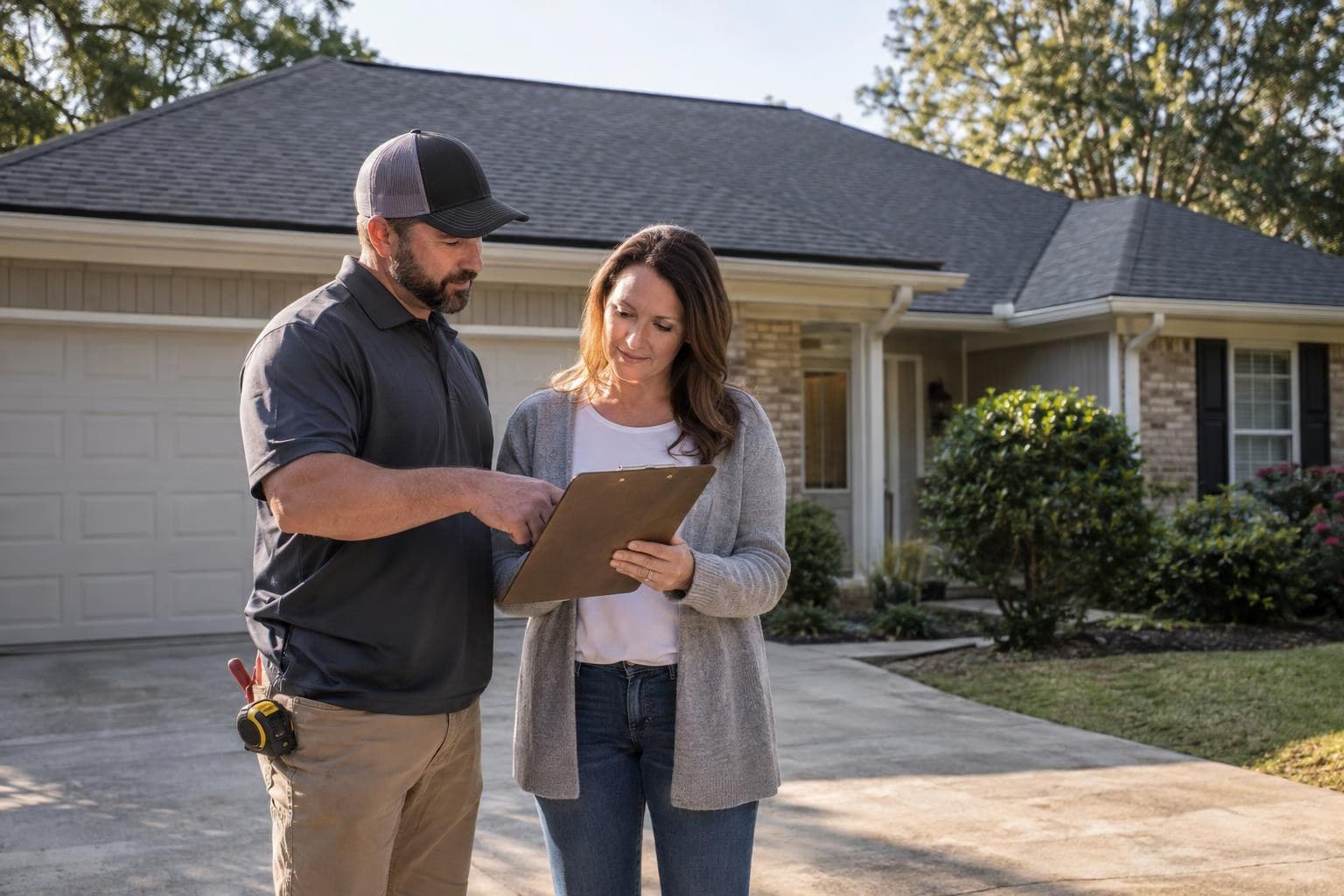
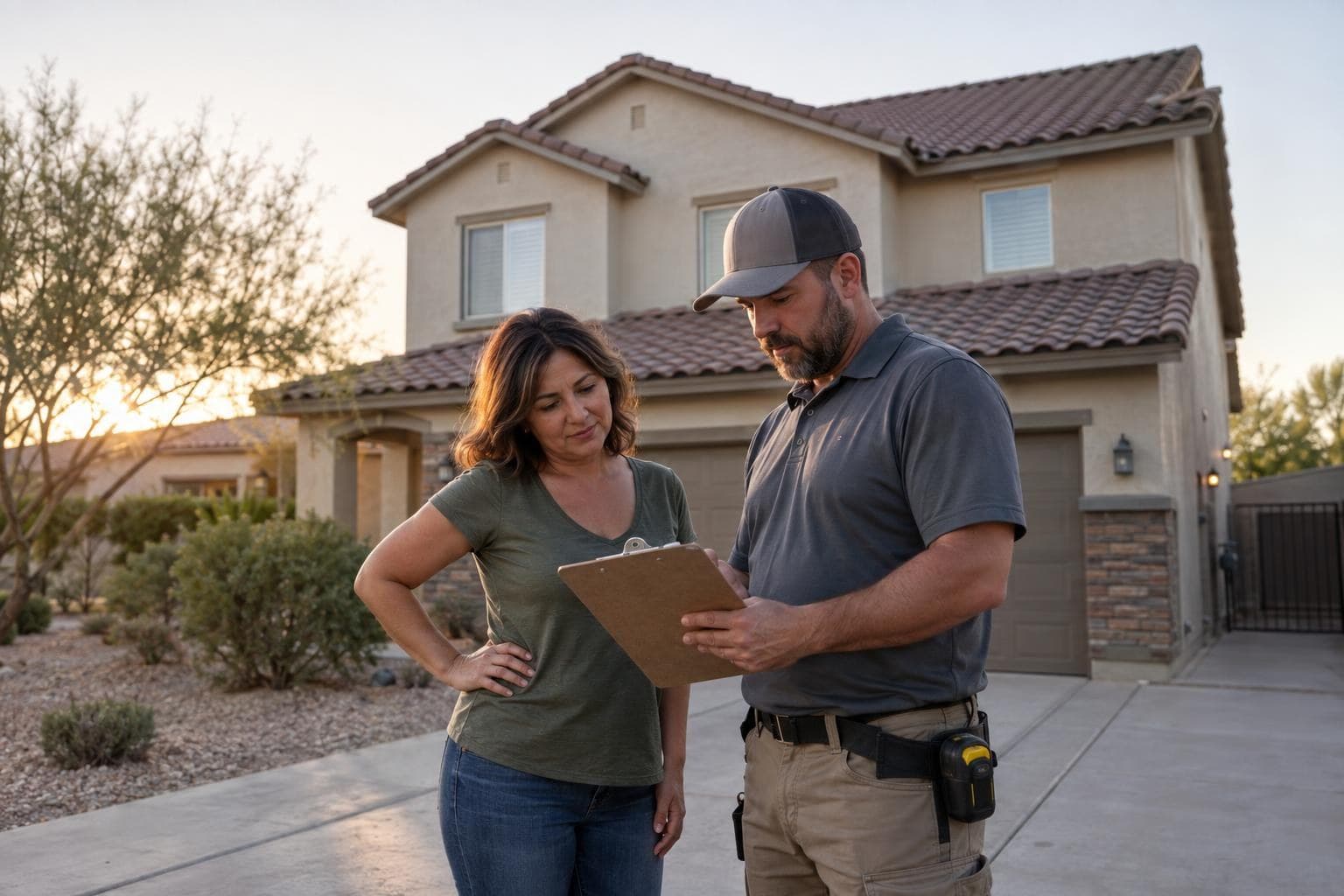
- Which observed findings affect water shedding or attachment, and where are they located in the photographs?
- Is the problem isolated, repeated on one roof area, or distributed across unrelated slopes and details?
- Can the covering be lifted, matched, removed, and reinstalled well enough to complete a durable repair?
- What evidence would change the recommendation from repair to replacement, or from replacement back to a smaller scope?
- Which maintenance items are separate from the quoted work, and when should the roof be checked again?
Use age to plan the next inspection and budget conversation. Use observed condition, failure distribution, and repairability to choose the work.
If replacement is becoming likely, compare complete scopes rather than buying a new countdown. Specify the covering, underlayment, edges, flashing, penetrations, attachment, attic or condensation work, concealed-deck pricing, permits, cleanup, and warranty roles. A better assembly and better documentation are more valuable than a confident lifespan number that no one can verify for your house.
Related guidance and sources
- Insurance Institute for Business & Home Safety: Roof 101
- Insurance Institute for Business & Home Safety: Natural Weathering and Hazard Exposure
- Asphalt Roofing Manufacturers Association: Residential Asphalt Roofing Manual: Ventilation Best Practices
- U.S. Department of Energy: Building America Solution Center: Durable Attics
Related roofing resources
Related services
Updated July 10, 2026
3D Roofs Editorial Team
Editorial Standards