Updated July 27, 2026

3D Roofs Editorial Team
Editorial Standards
A weak roofer usually gives themselves away in the first conversation. If the answers are vague, the contract is thin, or the pressure starts before the roof is even inspected, that is your sign to slow down. In Kentucky, that matters even more after severe weather, when rushed hiring and temporary repairs can eat into your claim funds before permanent work is planned well. The safest path is simple: get written estimates from at least three contractors, ask for past customer references, make sure the roofer comes to your home to assess the job, and insist on a written, detailed contract.
Will you inspect my roof in person before giving me a final scope?
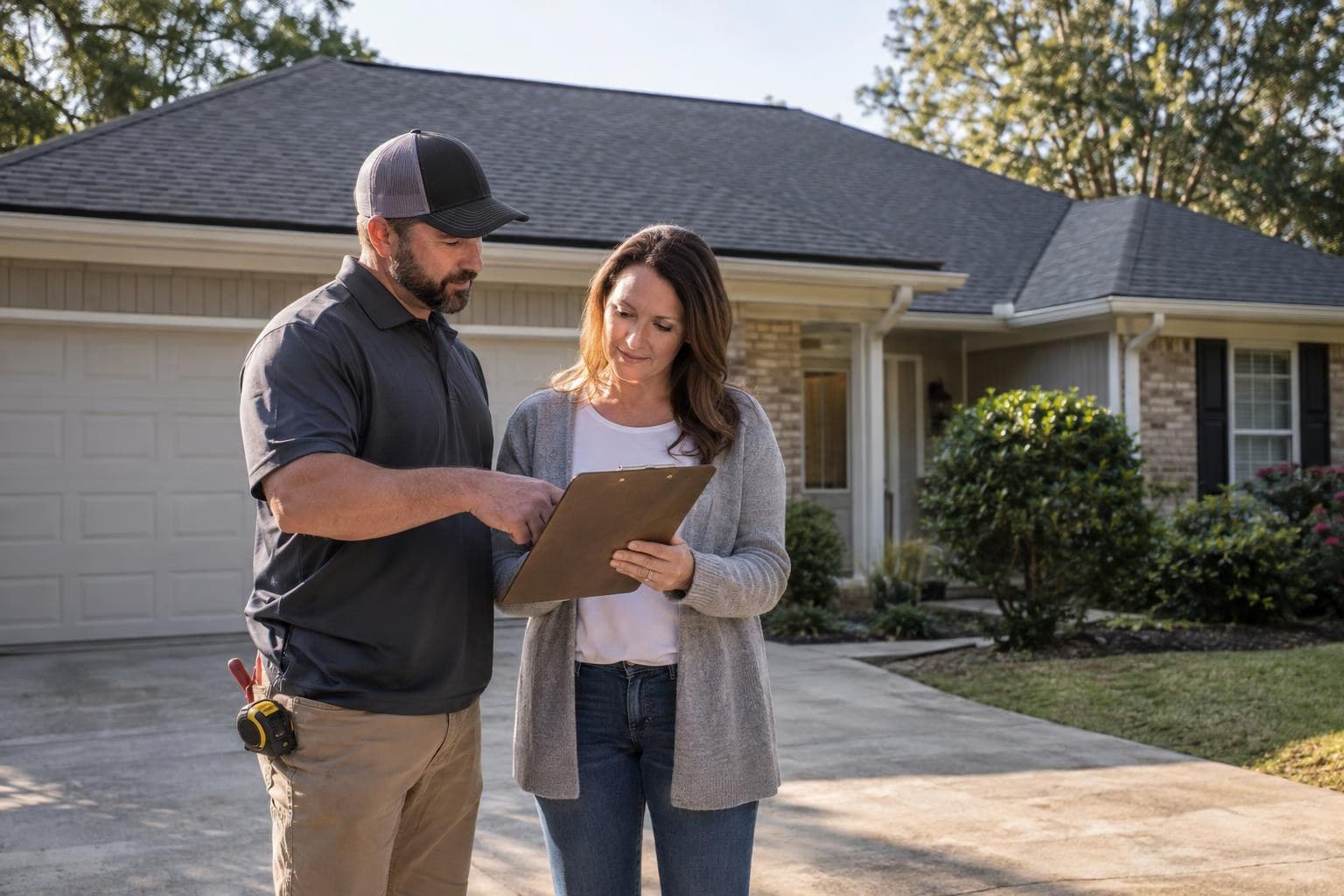
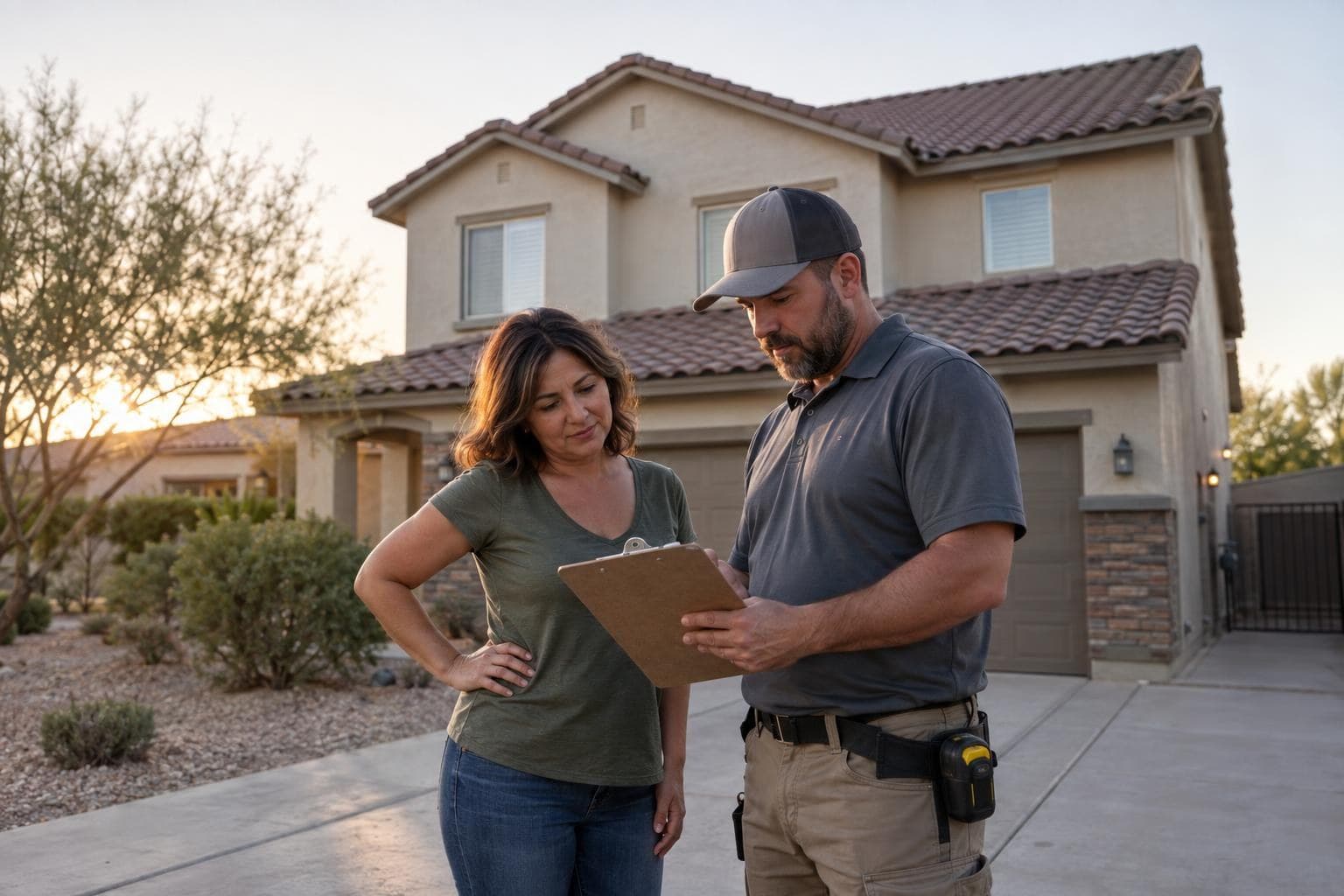
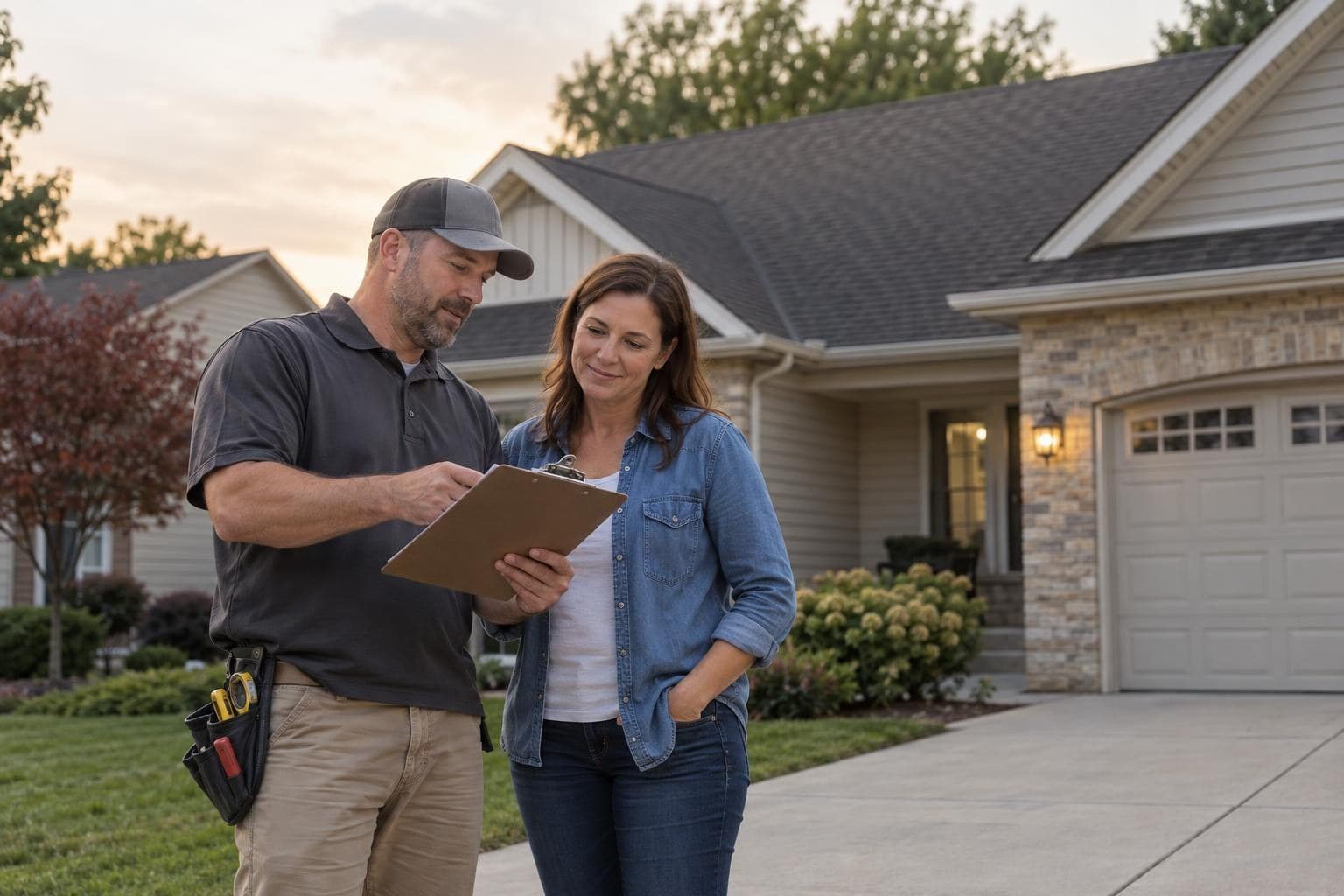
Yes, they should come to your home and assess the job before they lock in scope or push you to sign. If a roofer wants your signature from the driveway, from a flyer, or from a door-to-door pitch without a real inspection, treat that as a warning. Kentucky homeowners are told to vet the roofer the old-fashioned way, and that starts with an in-person assessment. You want to hear exactly what they found, where the damage is, what can be repaired, and what calls for replacement.
- Ask what they saw on shingles, flashing, valleys, vents, and other roof penetrations.
- Ask whether they are recommending repair or replacement, and why.
- Ask them to put the scope in writing, not just explain it verbally.
- If they only talk about getting your insurance money first, move on.
What exactly will be in the written contract?
The right answer is a detailed written contract that covers the work, materials, payment terms, start date, and approximate completion date. If a roofer cannot give you that, you do not have enough to compare, and you do not have enough to enforce later. Kentucky storm guidance also tells consumers to insist on a written contract that includes a description of the work, total cost and completion date.
This is also where weak roofers hide. They leave out underlayment details, flashing replacement, cleanup terms, who pulls dumpsters, or what happens if damaged decking is found. If those items are not written down, you are relying on promises that may disappear once the crew starts. Ask for a line-by-line scope you can review side by side with other estimates.
How much do you want upfront, and when do I pay the rest?
The safest answer is that you should not be pushed into paying upfront before the work is completed and meets your standards of satisfaction. Kentucky Department of Insurance tornado relief guidance tells consumers: "DO NOT PAY UPFRONT - do not pay out any funds until the work has been completed and meets your standards of satisfaction." If a roofer asks for a large deposit, that is a reason to pause and read every document closely.
Kentucky guidance also says to be wary of large deposits, pressure to sign on the spot, and advance payments for materials. Payment terms should be clear in the contract. If subs or suppliers are not paid, lien risk can fall back on you even if you already paid the contractor. The Kentucky Attorney General explains that subcontractors or material suppliers may be able to collect from you or place a lien on your property if they are not paid, and recommends getting lien waivers.
Talk to a roofer today
Planning ranges, scope details, and a direct path to request a roofing quote.
Will you let me talk to past customers and compare estimates?
Yes, they should give you past customer references and expect you to compare them with other bids. In Kentucky, the vetting advice is direct: get written estimates from at least three contractors and ask for past customer references. A weak roofer will try to rush you past both steps. They may claim today's price disappears if you wait, or say nobody else can do the work correctly. That is sales pressure, not proof.
- Ask for recent references from jobs similar to yours.
- Ask whether you can compare material options like Class 3, Class 4, and standing seam.
- For current Kentucky planning prices related to questions to ask roofing contractor, use the cost guide and calculator, then compare the contractor's property-specific written scope.
- For full local pricing, check the Kentucky cost page and the calculator.
How do you handle insurance claims, and what should I never sign?
The right roofer helps you understand the scope and documents the roof clearly, but does not pressure you to sign over control of your claim. In Kentucky, you should be wary of requests to sign over insurance checks or documents that give the contractor rights to your insurance claim. That is one of the clearest signs you are dealing with the wrong company.
You also want to hear a simple process. They inspect the roof, document the damage, provide a written estimate, and coordinate timing once your claim path is clear. If claim handling problems come up, Kentucky's Division of Consumer Protection handles consumer complaints against homeowners insurance and also takes complaints regarding the actions of an agent or agency. That means you have a state complaint path if the claim process goes off track.
What warranty do I get, and what could void it?
A good answer is specific. You should know what is covered by the material warranty, what is covered by the roofer's workmanship warranty, how long each lasts, and what exclusions apply. A weak roofer will just say, "you're covered," without explaining anything. That leaves you exposed if leaks show up around flashing, penetrations, or installation details later.
Ask them to explain the warranty in plain English and put it in writing. Ask what maintenance is expected from you, whether improper ventilation affects coverage, and how warranty service is requested if there is a problem. If they cannot answer cleanly, they may not stand behind the work cleanly either.
Who handles cleanup, magnets, and damage protection around my home?
The right answer is that cleanup is part of the job, not an extra you discover later. Ask how your landscaping, driveway, siding, gutters, and windows are protected. Ask whether magnetic nail cleanup is included, where debris goes, and what final walkthrough happens before the last payment. Weak roofers often talk a lot about shingles and very little about the mess they leave behind.
This matters on every roof, but especially on faster storm-season jobs. For questions to ask roofing contractor in Kentucky, ask the contractor to put the expected working days and weather plan in writing; timing depends on roof size, material, access, crew scheduling, and conditions found after tear-off.
What happens if my roof is steep, damaged underneath, or needs an upgrade?
A solid roofer tells you upfront how changes are handled. For questions to ask roofing contractor in Kentucky, treat a steep or difficult-to-access roof as a scope variable that the contractor should measure and price explicitly. If damaged decking or other hidden issues show up after tear-off, you want to know how they will document it, price it, and get your approval before moving ahead. If they dodge that question, expect surprises later.
This is also a smart time to ask about impact-resistant options. If you are considering a Class 4 impact-resistant shingle, ask your insurer whether it offers a homeowners insurance discount for that roofing material. For questions to ask roofing contractor in Kentucky, any insurance credit depends on the carrier, policy, address, and exact product; get the amount and documentation requirements from the insurer in writing. A good roofer will explain the roofing option clearly, but will not pretend to control what your insurer decides.
What should I watch for after storms or door-to-door roofing offers?
Watch for pressure, vague paperwork, and demands for immediate signatures. Kentucky homeowners should be wary of door-to-door pitches, pressure to sign on the spot, large deposits, and any request to sign over insurance checks or claim rights. After major storms, some Kentucky communities may run emergency contractor registration programs, and the Attorney General says you can check with the local registration office if you have questions about a contractor's registration status.
You also have cancellation rights for some door-to-door home repair contracts. The Kentucky Attorney General says home repair contracts generally cannot be canceled, but there are exceptions. You have "three business days to cancel contracts which result from a home solicitation (door-to-door) sale of an amount that must be confirmed for the written scope or more and/or which result in a lien against the home unless the work is done on an emergency basis." If you want to cancel such a contract, the Attorney General says to send a written notice of cancellation within three days to the business.
The bottom line is simple: the best questions do more than gather information, they expose weak roofers fast. Ask for an in-person inspection, a detailed written contract, clear payment terms, references, warranty details, cleanup steps, and a clean insurance process. If the answers are direct and written down, you can move forward with more confidence. If the answers are slippery, keep shopping. Your roof has to stand up to Kentucky weather, and your contract should stand up to scrutiny too.
Sources reviewed
- Kentucky Attorney General, Contractor Registration Program
- Kentucky Attorney General, Home Repair and Improvement
- Arizona Registrar of Contractors: Before You Hire a Contractor
- Florida Department of Financial Services: Contractor and Residential Property FAQs
- Georgia Attorney General Consumer Protection Division: Beware of Roofers Scamming Storm Victims
Plan with current pricing
Related services
Updated July 27, 2026
3D Roofs Editorial Team
Editorial Standards