Updated July 27, 2026

3D Roofs Editorial Team
Editorial Standards
If your roof damage is limited and the rest of the system is still in good shape, a repair usually makes sense. If damage is widespread, the roof is aging out, or Georgia weather keeps exposing the same weak spots, replacement is often the smarter long-term move. For roof repair vs replacement in Georgia, do not use a fixed damage percentage as the decision rule; compare the repairable area, roof condition, material availability, code requirements, and written scopes.
Should you repair or replace your roof in Georgia?
Repair is usually the right move when the problem is isolated. Think a small section of missing shingles after a thunderstorm, a localized leak around flashing, or damage confined to one slope. For current Georgia repair planning related to roof repair vs replacement, use the maintained cost guide, then compare the contractor's measured scope and unit prices. Replacement makes more sense when issues are spread across multiple areas, when leaks keep returning, or when storm damage reveals a roof that is already worn down. Replacements also let you reset the clock with a new system that is better matched to Georgia conditions. Based on 2026 Georgia market pricing, Class 3 runs $6.25/sq ft ($6.25 on a typical 2,000 sq ft roof), Class 4 runs $7.25 ($14,597), and standing seam runs $16.00 ($32,104). If you want the full picture for your home, local pricing lives on the Georgia cost page and the calculator.
How do you tell if the damage is isolated or widespread?
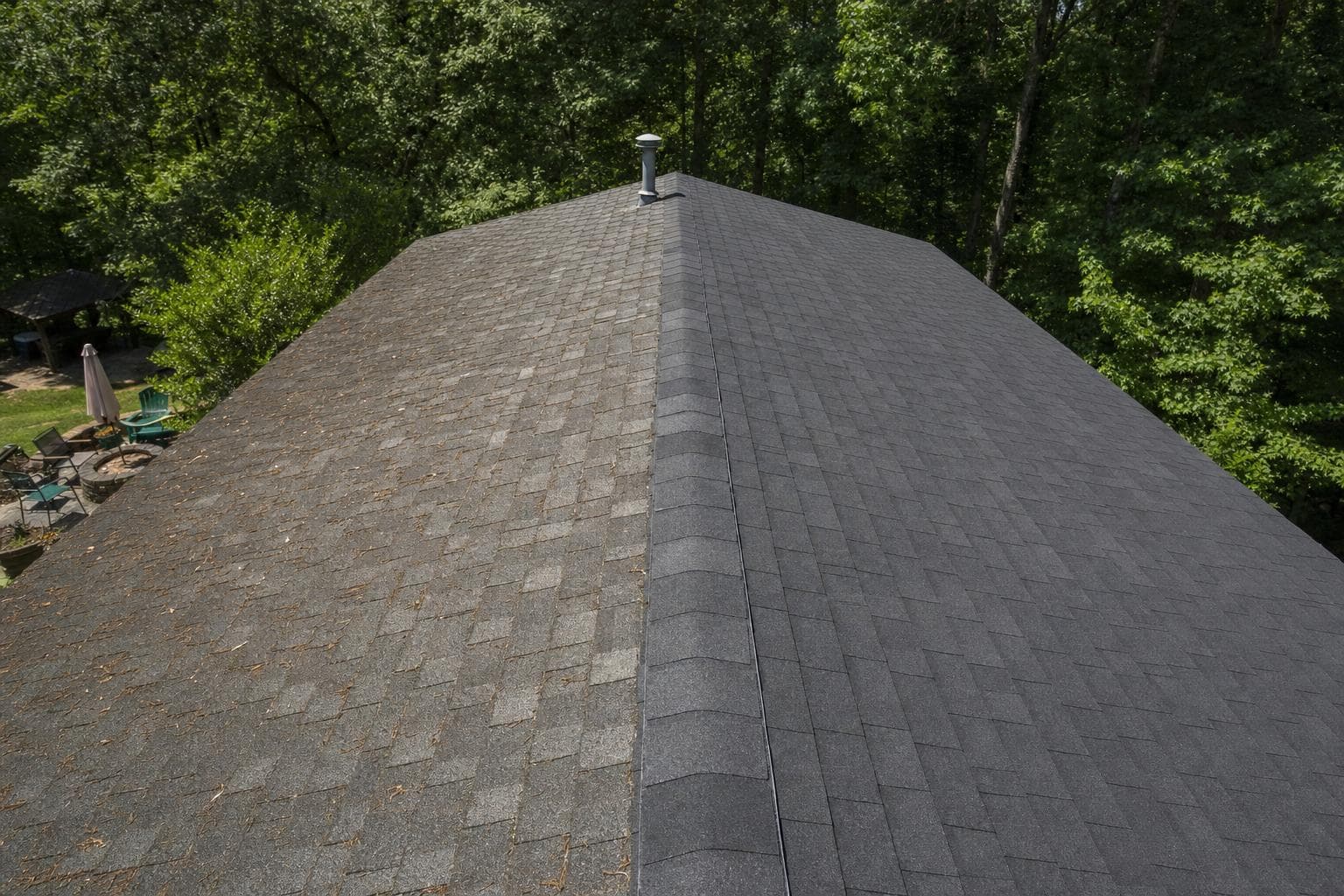
Look at whether the problem stays in one spot or shows up across the roof. Isolated damage usually means a single repair area. Widespread damage means multiple trouble spots, repeated leaks, granule loss across broad sections, curling or cracking shingles on more than one slope, or hail and wind damage scattered over the whole roof. This matters in Georgia because severe thunderstorms that bring hail and damaging straight-line winds can hit hard and unevenly. One side of the roof may take the worst hit, but repeated hail seasons in the Atlanta metro and north Georgia can leave wear spread over time across many sections. In the Savannah coast area, wind and wind-driven rain from tropical systems can also turn what looks like a small problem into a broader moisture issue.
What is a fixed damage threshold for roof repair vs. replacement?
That rule is not a law. It is a practical way to avoid putting a large patch on an older system and then paying again when another section fails. Here is why it helps. Once damage reaches a big share of the roof, repairs stop being a clean fix and start becoming piecemeal work on a system that may already be near the end of its useful run. You can spend money chasing separate leaks, mismatched repairs, and repeated storm weaknesses.
Talk to a roofer today
Planning ranges, scope details, and a direct path to request a roofing quote.
Does roof age change the decision?
Yes, age changes the decision fast. Even if damage looks limited, an older roof is more likely to have brittle shingles, worn seal strips, weakened flashing, and hidden moisture problems. That means a repair may solve the visible issue but not the underlying condition. Georgia’s long, hot, humid summers are a big reason. Heat ages shingles faster than in cooler climates, and moisture feeds the dark algae streaking you see on so many southern roofs. In north Georgia, occasional winter ice can stress flashing and gutters. Over time, that combination can make an aging roof less repair-friendly. If your roof is relatively newer and the issue is truly confined, repair can still be the smart move. If it is older and showing wear in several ways at once, replacement often saves you from repeat calls.
How does Georgia weather change the repair vs. replacement call?
Georgia weather pushes many borderline roofs toward replacement sooner than you might expect. Severe thunderstorms, hail, straight-line winds, tornado risk, tropical system wind, and long summer heat all work on different parts of the roof. So the question is not only what happened in one storm. It is whether your roof can keep handling the next season. In the Atlanta metro and north Georgia, repeated hail seasons can make impact resistance a bigger factor in the decision. For roof repair vs replacement in Georgia, any insurance credit depends on the carrier, policy, address, and exact product; get the amount and documentation requirements from the insurer in writing. There is no fixed statewide percentage, though, because each carrier sets its own credit, so ask your company what they actually discount before you count on a number. For roof repair vs replacement in Georgia, treat Class 4 as a laboratory impact classification for the exact product, not a promise that the installed roof will resist every hail event or avoid damage.
When is a repair enough after hail or wind damage?
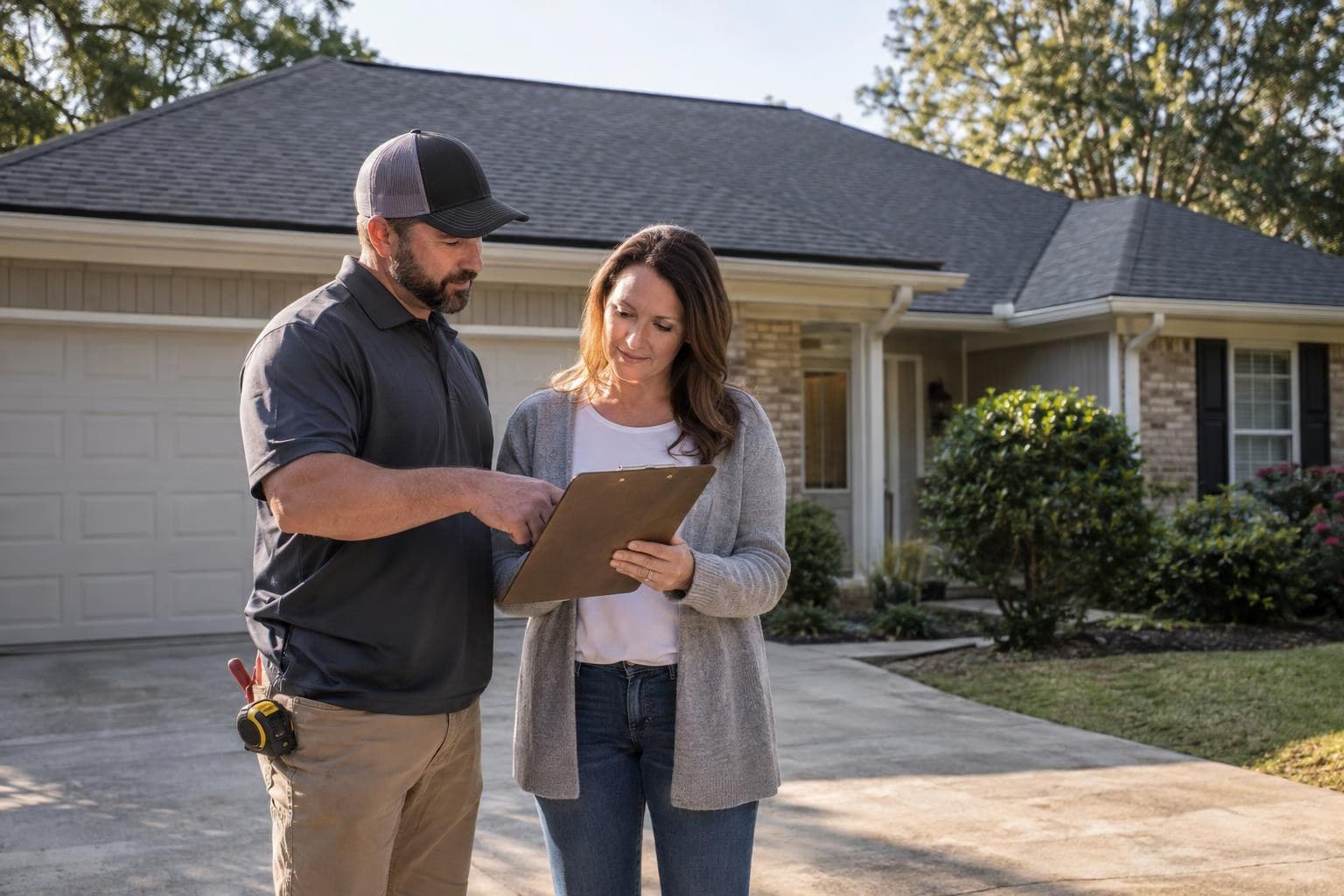
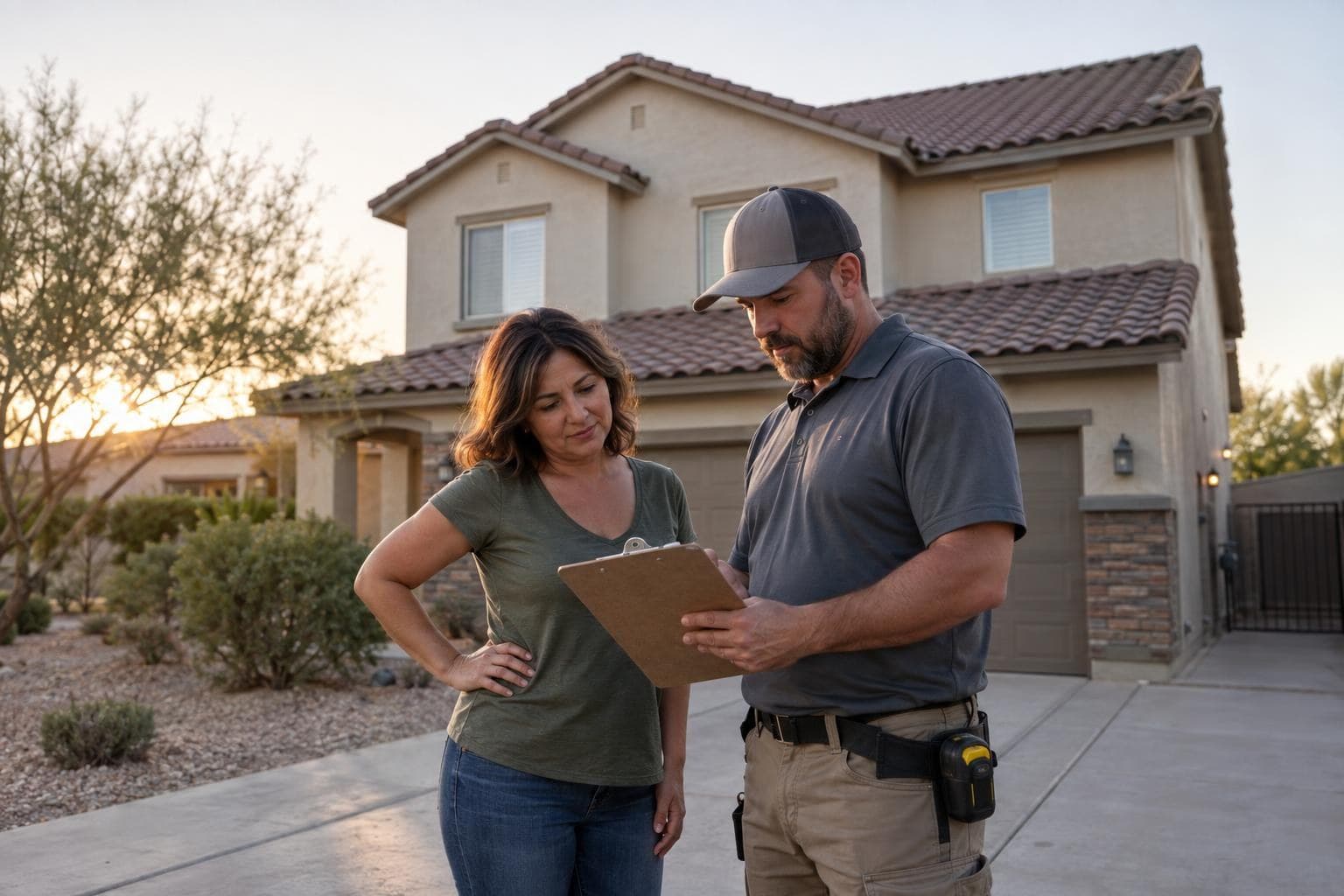
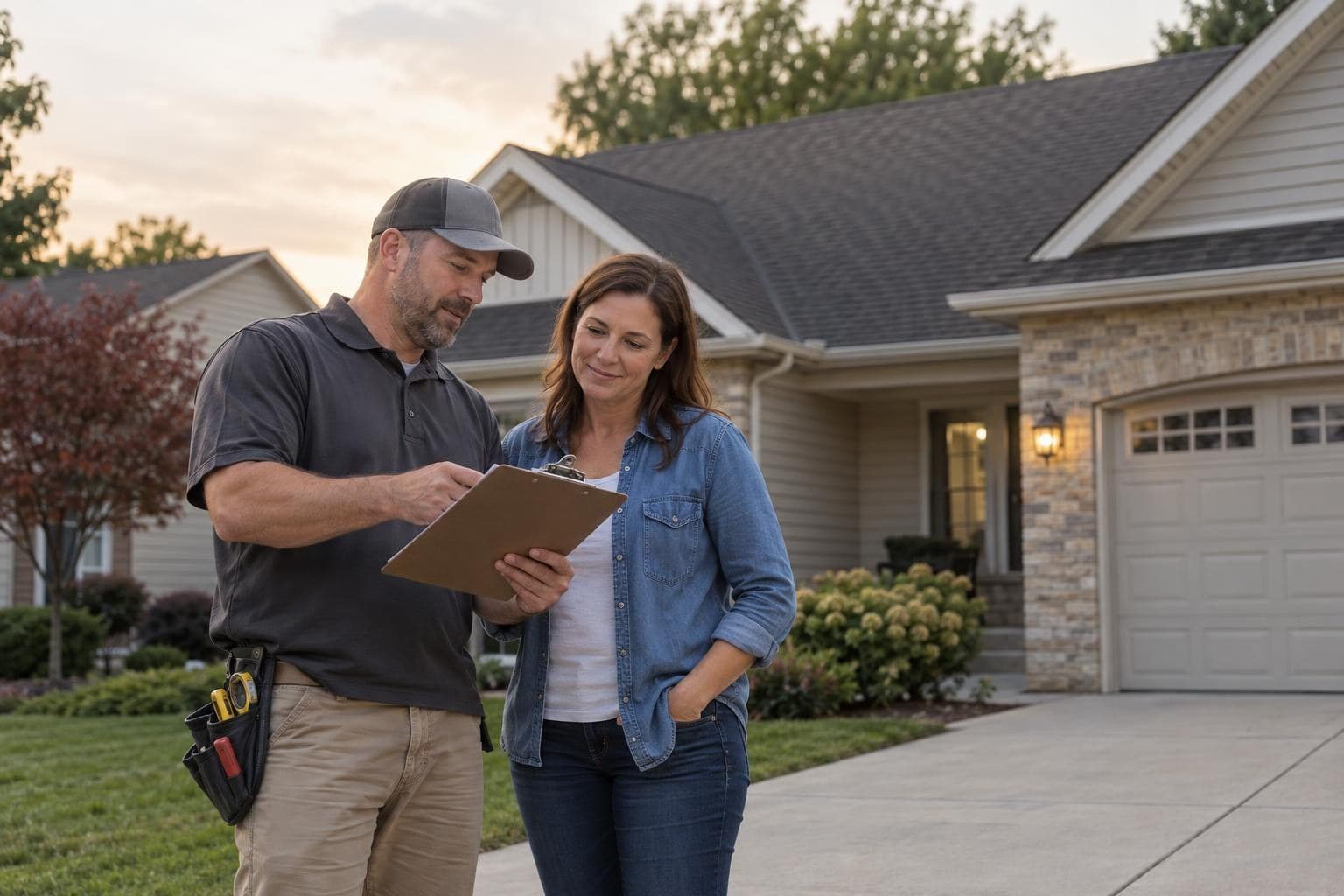
A repair is enough after hail or wind damage when the hits are limited, the shingles around the damage still seal properly, and the roof was in good condition before the storm. If a few tabs lifted or a small area took the brunt of falling debris, a targeted repair may restore the roof without overpaying for a full tear-off. But if hail strikes are spread across several slopes, if wind has broken the seal on many shingles, or if the storm exposed older wear that was already there, replacement often becomes the cleaner fix. That is especially true when new storm damage stacks on top of heat-aged shingles. A roofing contractor you are considering can help you tell the difference between a roof with one repairable section and a roof that is failing as a system.
How much does replacement cost in Georgia compared with repairs?
A full replacement is a larger project, but it may stop the cycle of patching and interior damage. For 2026 Georgia market pricing, Class 3 is $6.25/sq ft ($6.25 on a typical 2,000 sq ft roof), Class 4 is $7.25 ($14,597), and standing seam is $16.00 ($32,104). For roof repair vs replacement in Georgia, treat a steep or difficult-to-access roof as a scope variable that the contractor should measure and price explicitly. For roof repair vs replacement in Georgia, ask the contractor to put the expected working days and weather plan in writing; timing depends on roof size, material, access, crew scheduling, and conditions found after tear-off. If you are comparing options for your own house, the Georgia cost page and the calculator have the full local pricing structure.
What should you know if insurance is part of the decision?
If storm damage may support a claim, document it early and keep the process clean. Georgia regulates how fast carriers handle first-party property claims. After you submit a completed proof of loss, your insurer generally has to confirm or deny the claim within 15 days, and within 30 days of the claim being reported if no proof of loss is required. Many Georgia policies follow the state's standard fire-policy language and ask for that proof of loss within 60 days of the loss, so document hail and wind damage early. If a carrier mishandles your claim, you can file a complaint with the Georgia Office of Commissioner of Insurance and Safety Fire. One thing matters here: your roofer cannot pay your deductible to win the job. Georgia insurance regulators warn consumers to treat a contractor's promise to pay, waive, rebate, or absorb the deductible as a serious red flag. Because statutes and bulletins can change, confirm the current rule with your insurer or the Georgia Office of Insurance and Safety Fire before signing. So if someone offers a free roof by eating your deductible, walk away.
How do you choose the right roofer for a repair or replacement in Georgia?
Choose a roofer based on what you can verify, not on sales talk. Because Georgia does not issue a standalone roofing license, there is no state roofing credential to check. Roofing falls under the general contractor system run by the State Licensing Board for Residential and General Contractors at the Georgia Secretary of State, and a contractor only needs a residential or general contractor license once a job tops an amount that must be confirmed for the written scope in combined labor and materials. That means most full roof replacements should be done by a licensed contractor, but licensed alone says little about quality, so verify the rest before you sign.
- For a replacement job over an amount that must be confirmed for the written scope, confirm the company holds the right residential or general contractor license
- Ask for proof of current general-liability and workers'-compensation insurance
- Check references and recent local addresses you can drive past
- Ask about manufacturer certifications
- Be cautious with out-of-town crews who show up right after a storm, push you to sign fast, or say they will handle everything for you
What is the simplest way to make the right call?
If damage is small, recent, and limited to one area, repair it. That simple framework keeps you from doing too much or too little. A repair protects your budget when the roof still has solid life left. A replacement protects your home when the roof is worn beyond spot fixes. If you want to compare your likely replacement cost next to the repair path, start with the Georgia cost page and the calculator, then talk with a roofing contractor you are considering about what your roof is actually showing today.
Sources reviewed
- Georgia Attorney General's Consumer Protection Division (storms and fraud / storm chasers)
- Georgia Office of Commissioner of Insurance and Safety Fire (file a consumer complaint)
- Insurance Institute for Business & Home Safety: RICOWI Roof Guide
- Florida Department of Financial Services: Homeowners Insurance Overview
- Insurance Institute for Business & Home Safety: Roof 101
Cost ranges are estimates developed from standardized project scopes and reviewed pricing inputs. Government labor and regional cost data are used where applicable. See our Pricing Methodology for the exact sources, calculations, and review date. Actual prices vary by property, scope, materials or equipment, location, and provider.
Related services
Updated July 27, 2026
3D Roofs Editorial Team
Editorial Standards