Updated July 27, 2026

3D Roofs Editorial Team
Editorial Standards
A roof replacement in Mississippi in 2026 typically costs $11,917 for a 2,000 sq ft roof with Class 3 shingles, $13,996 with Class 4 shingles, or $30,712 for standing seam metal. On a per-square-foot basis, 2026 Mississippi market pricing is $6.00 for Class 3, $7.00 for Class 4, and $15.25 for standing seam. If you are comparing bids, start there, then look at the line items that change the total: pitch, tear-off, decking work, access, permits, and the small components included around penetrations and edges. For a broader view of local numbers, you can also check the Mississippi cost page and the calculator.
How much does a roof replacement cost in Mississippi in 2026?
The direct answer is simple: 2026 Mississippi market prices are Class 3 $6.00/sq ft, Class 4 $7.00, and standing seam $15.25. On a typical 2,000 sq ft roof, that comes out to $11,917 for Class 3, $13,996 for Class 4, and $30,712 for standing seam metal. Those numbers are the right starting point for budgeting, but they are not the whole story. Two homes with the same roof size can still get different quotes if one roof is steeper, has more tear-off labor, needs new decking, or is harder to access safely.
What roofing material gives you the best value in Mississippi?
For many homeowners, Class 3 shingles are the lower-cost replacement option, Class 4 shingles are the upgrade worth pricing out, and standing seam is the premium choice. Mississippi roofs face hurricane-season wind and rain, high humidity, and intense sun for much of the year. Wind and hail can lift shingles and damage flashing quickly during a storm, while heat and humidity wear materials down over time. That is why material choice is not just about the upfront number. For roof replacement cost in Mississippi, any insurance credit depends on the carrier, policy, address, and exact product; get the amount and documentation requirements from the insurer in writing. If you are considering that upgrade, ask your carrier what documentation it wants before you replace the roof. Standing seam costs more upfront, so it usually makes sense when you want metal specifically and plan to weigh long-term goals against the initial spend.
What makes the price go up or down?
The biggest price movers are roof pitch, tear-off work, decking replacement, jobsite access, and permits. For roof replacement cost in Mississippi, treat a steep or difficult-to-access roof as a scope variable that the contractor should measure and price explicitly. Tear-off matters because removing old roofing adds labor and disposal. Decking matters because once the old roof comes off, damaged wood may need to be replaced before the new system goes on. Access matters because a home with tight driveway space, fencing, landscaping obstacles, or difficult material loading usually takes more effort. Permits can also affect the total depending on your local requirements and the scope of work.
- Tear-off: removing old roofing adds labor, cleanup, and dump fees
- Decking: damaged or soft roof decking can add cost after tear-off reveals the condition underneath
- Access: difficult driveways, tight lots, multi-story setups, or limited staging space can raise labor time
- Permits: local permit requirements can show up as a separate line item on the quote
Talk to a roofer today
Planning ranges, scope details, and a direct path to request a roofing quote.
How much does roof pitch affect the cost?
If your roof is steep, expect the replacement cost to be higher. That increase is usually tied to slower installation, added safety setup, and more difficult shingle or panel handling. When you read a quote, look for any note about pitch, walkability, or a steep-roof charge. If one roofer includes that adjustment and another does not mention it, ask whether the second quote actually includes the same working conditions or if it is simply less detailed.
How much do tear-off and decking repairs add?
Tear-off and decking are two of the most common reasons the final invoice differs from the starting roof price. Tear-off is often expected on a full replacement, but the amount of labor still depends on how many layers are coming off and how easy the debris is to manage. Decking is more variable because the condition often cannot be confirmed until the old material is removed. In Mississippi, where humidity, heat, wind-driven rain, and storm damage can all affect the roof system, it is smart to ask how your quote handles unforeseen wood replacement. The key is not to expect every quote to include the same amount of decking by default. Some quote it as a unit price if needed, while others list an allowance or exclude it until tear-off exposes the substrate.
Do permits and access really change the quote?
Yes, they can. Permits are not usually the biggest line item, but they are a real cost that should be clear on the quote if required. Access can matter just as much as materials in some homes. A straightforward one-story house with open driveway access is easier to stage than a house with limited parking, narrow gates, heavy landscaping, or a layout that forces crews to carry materials farther. If you are comparing bids, do not just compare the total. Make sure each quote reflects the same site conditions and scope. A lower number is not useful if it leaves out permit handling or assumes easier access than your property actually has.
How do you read a roofing quote without missing anything?
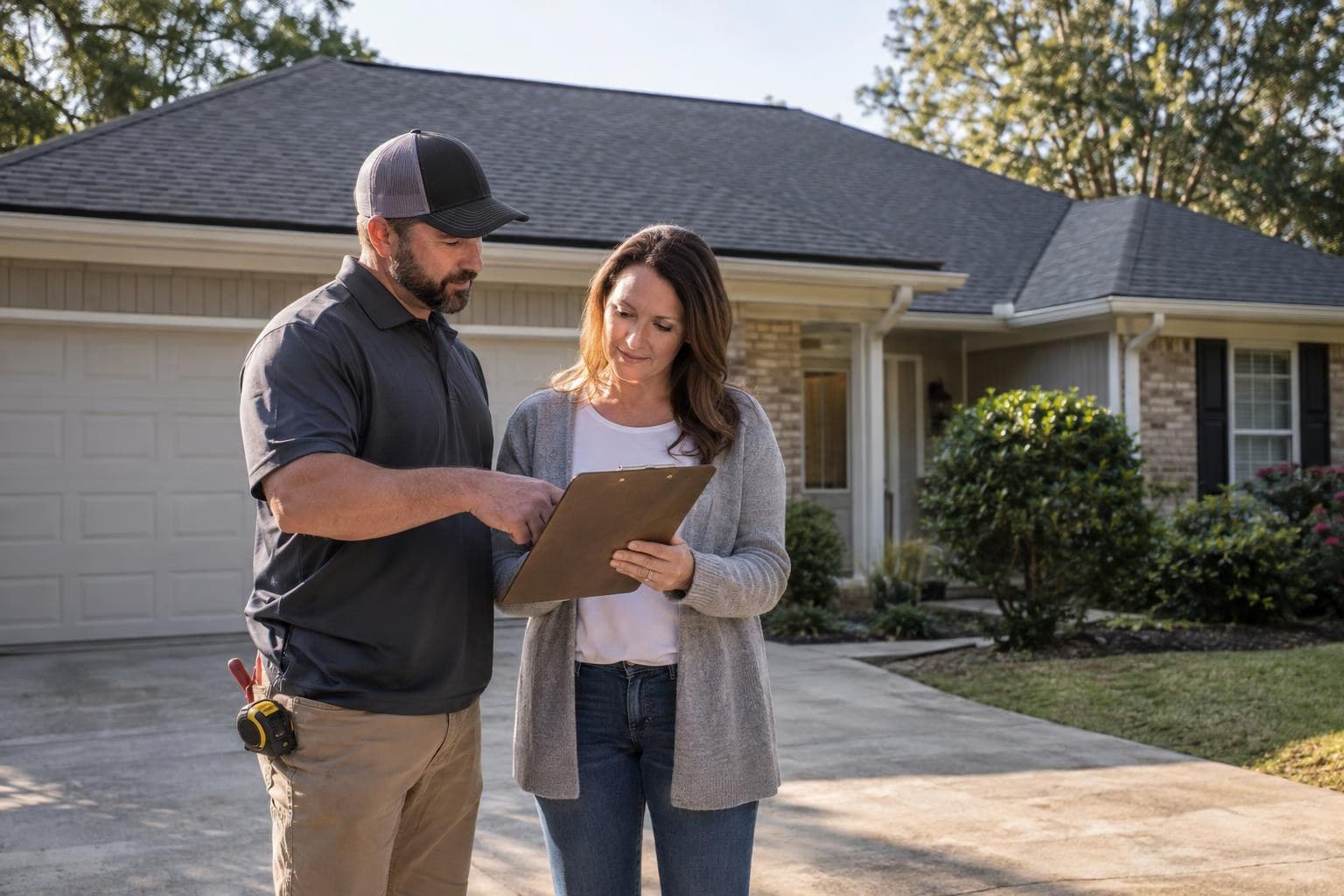
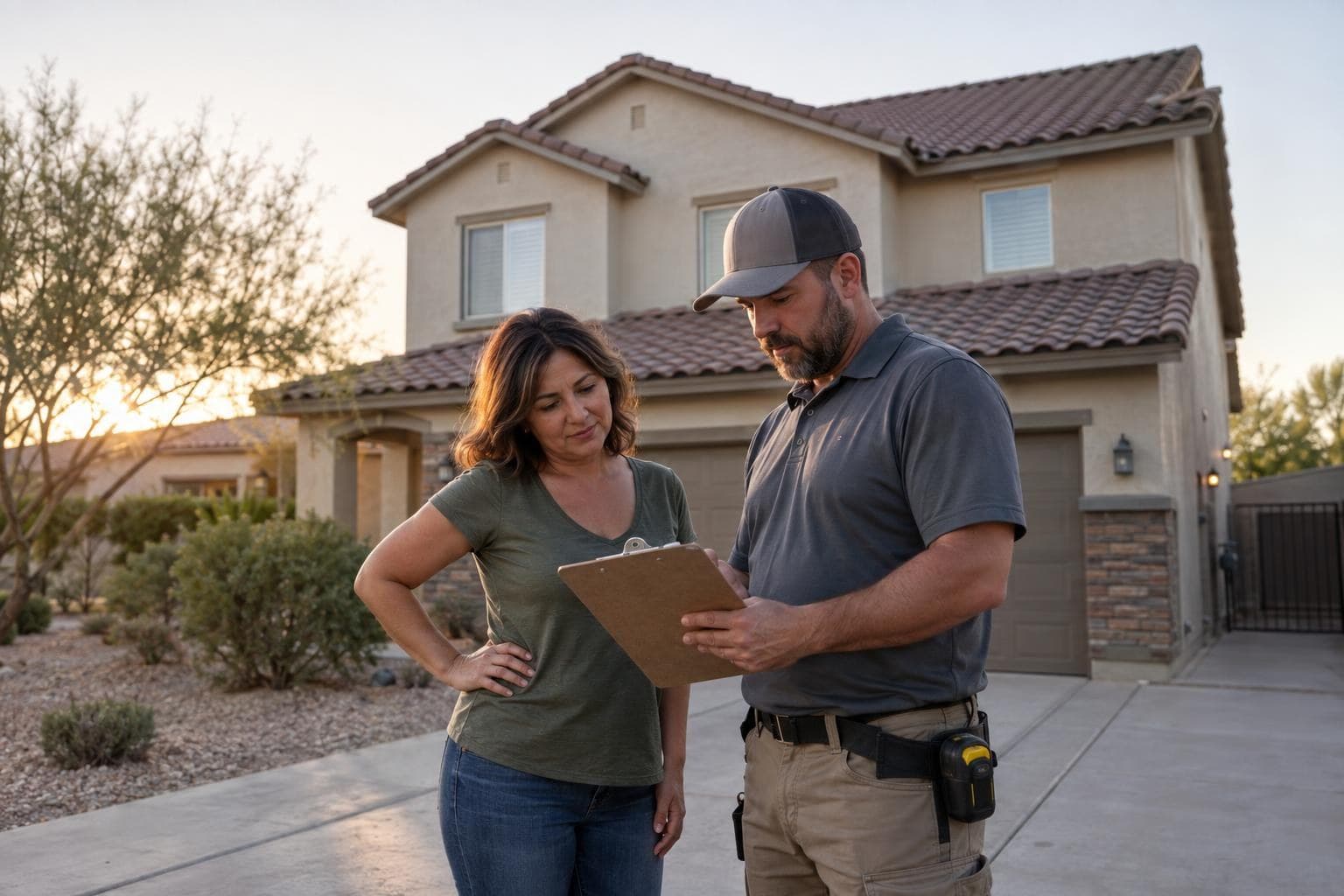
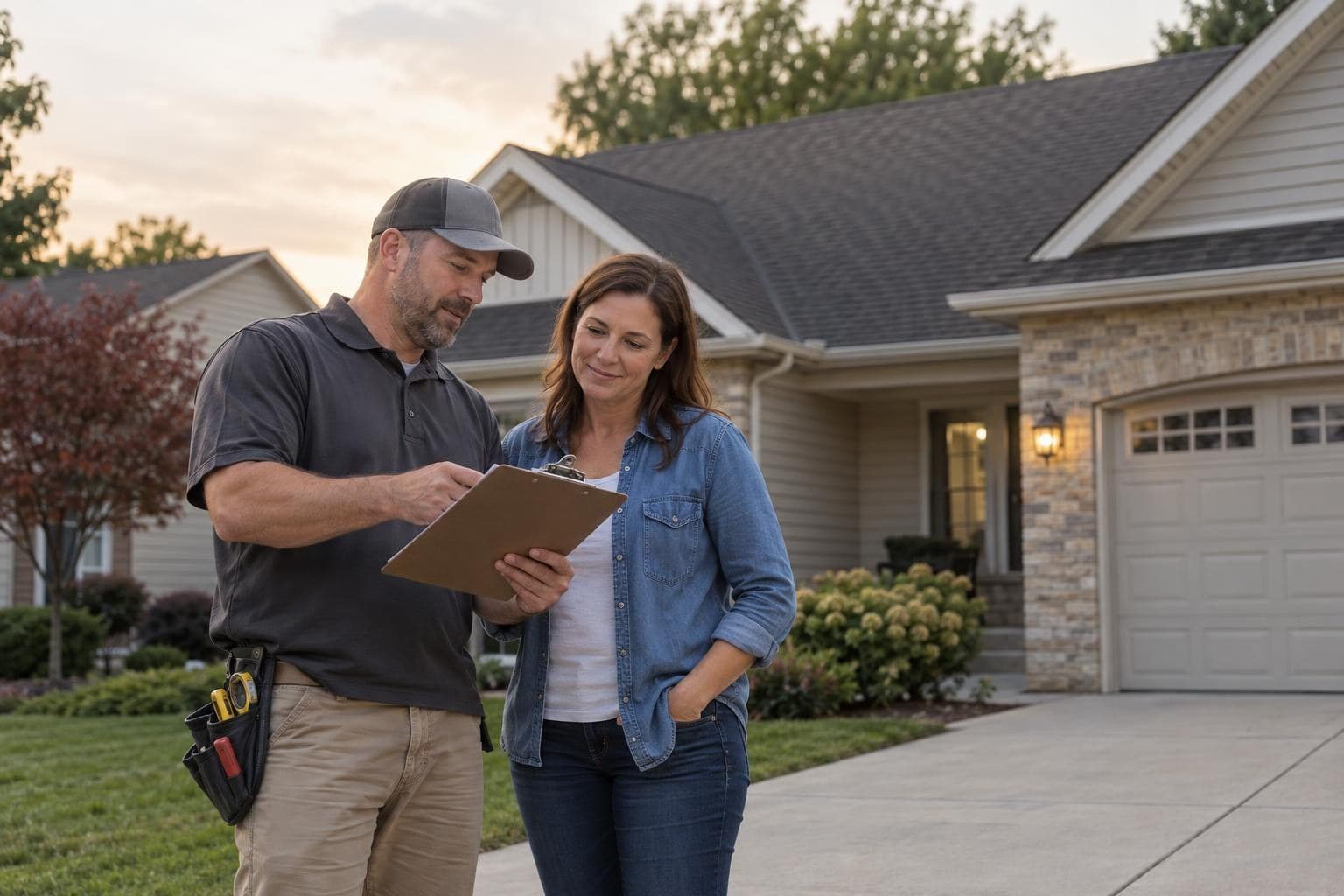
The best way to read a roofing quote is to check the scope line by line, not just the grand total. You want to know exactly which material is being installed, whether tear-off is included, how flashing details are handled, whether permit costs are included, and how unforeseen decking replacement is billed. You also want to confirm cleanup and disposal. If a quote is vague, ask for a clearer breakdown before you sign. That protects you from comparing a complete quote against a stripped-down one that looks cheaper only because key work is missing.
- Material type: confirm whether the quote is for Class 3, Class 4, or standing seam
- Roof size: make sure the quoted square footage matches the actual scope being replaced
- Tear-off: verify old roofing removal and disposal are included
- Decking: ask how damaged decking is priced if replacement is needed
- Flashing and accessories: confirm what is included around pipes, walls, valleys, and edges
- Permits: check whether permit costs and paperwork are included
- Access and steepness: see whether the quote accounts for your roof pitch and site conditions
- Cleanup: confirm debris removal, magnet sweep, and final haul-off are included
Should you repair the roof or replace it?
For current Mississippi repair planning related to roof replacement cost, use the maintained cost guide, then compare the contractor's measured scope and unit prices. If damage is widespread, if leaks keep returning, or if the roof is near the end of its service life, replacement is often the cleaner long-term decision. Mississippi weather makes that judgment more important because wind and hail can damage shingles and flashing quickly during a storm, and humidity and heat can keep stressing the roof between storms. A roofing contractor you are considering can help you determine whether the problem is a limited repair or a full-system issue that makes replacement the better use of your money.
What should Mississippi homeowners know about insurance and contractor checks?
The short answer is to check your policy, prepare before storm season, and verify your roofer's license when the job size calls for it. Mississippi says standard homeowners' policies usually cover windstorm damage directly caused by wind or hail, but you should still check your policy to make sure it does not include a windstorm exclusion. If wind and hail coverage is excluded, the state points homeowners to the Mississippi Windstorm Underwriting Association, known as the windpool, as a coastal-area option. The Mississippi Insurance Department also says flood insurance is written by the National Flood Insurance Program and warns homeowners: "Do not procrastinate; there is a 30-day waiting period before the policy goes into effect." On the contractor side, Mississippi ties roofing licensing to job size. The Mississippi State Board of Contractors says residential roofing work over an amount that must be confirmed for the written scope requires a license issued by MSBOC. For a job near or above that threshold, ask your roofer for their MSBOC license number and check it before you sign a contract.
How long does a roof replacement take?
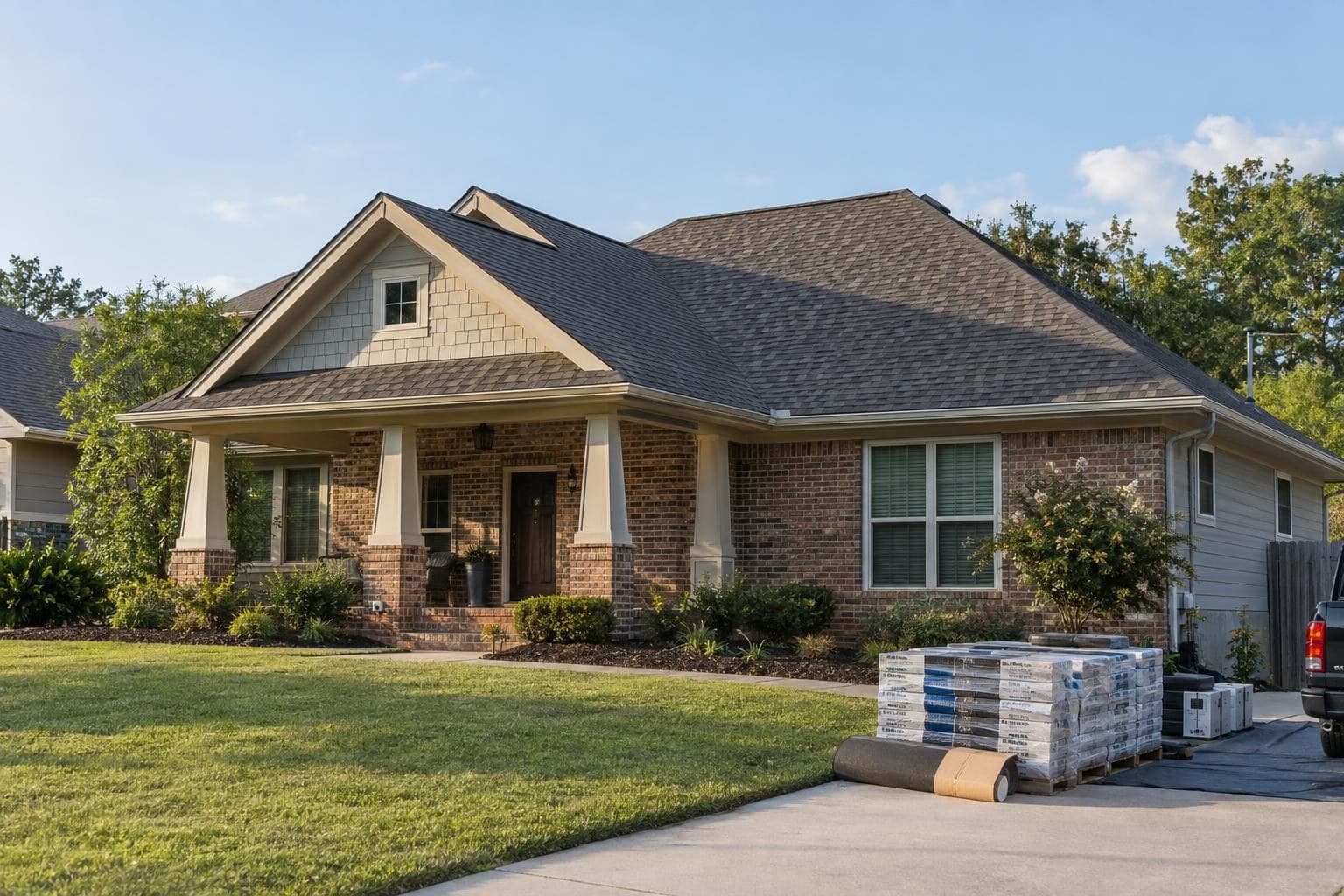
For roof replacement cost in Mississippi, ask the contractor to put the expected working days and weather plan in writing; timing depends on roof size, material, access, crew scheduling, and conditions found after tear-off. The exact schedule depends on roof size, weather, complexity, material, and whether tear-off reveals decking problems that need to be fixed before installation continues. In Mississippi, weather delays are always worth planning for because wind and rain can interrupt safe installation. When you review a quote or project plan, ask what could extend the timeline and how change orders are handled if hidden damage is found after tear-off.
Sources reviewed
- Mississippi Insurance Department, Consumer Hurricane Checklist
- Mississippi State Board of Contractors, Frequently Asked Questions
- Asphalt Roofing Manufacturers Association: Residential Asphalt Roofing Manual: Ventilation Best Practices
- CAL FIRE: Home Hardening
- California Department of Insurance: Safer from Wildfires
Cost ranges are estimates developed from standardized project scopes and reviewed pricing inputs. Government labor and regional cost data are used where applicable. See our Pricing Methodology for the exact sources, calculations, and review date. Actual prices vary by property, scope, materials or equipment, location, and provider.
Related services
Updated July 27, 2026
3D Roofs Editorial Team
Editorial Standards