Updated July 27, 2026

3D Roofs Editorial Team
Editorial Standards
If you are hiring a roofer in Pennsylvania, check contractor registration first, then verify the scope, the paperwork, and the payment terms before you sign. Pennsylvania roofs deal with a little of everything. Pennsylvania's insurance Department says weather here can be unpredictable, from thunderstorms to snowstorms. That mix can mean wind-lifted shingles, water intrusion around flashing and roof penetrations, gutter overflow, and added stress from snow and ice. Tree limbs and outdoor debris can also become a problem during storms. In this kind of climate, roof life often comes down to drainage, attic ventilation, flashing details, and staying ahead of small maintenance issues before the next storm hits.
Does Pennsylvania require roofers to be licensed?
Not in the way many homeowners expect. In Pennsylvania, a smart first check is contractor registration. The Attorney General says the Home Improvement Consumer Protection Act requires all contractors who perform at least an amount that must be confirmed for the written scope worth of home improvements per year to register with the Attorney General’s Office. The Insurance Department also tells homeowners to ask for the contractor’s Home Improvement Contractor number and verify that information through the Attorney General’s contractor search or by calling 1-888-520-6680. Just as important, the Attorney General says registration under HICPA is not an endorsement, recommendation or approval of the contractor’s competency or skill. That means registration is a baseline check, not proof that your roofer is the right fit for your home.
If registration is not approval, how should you screen a roofer?
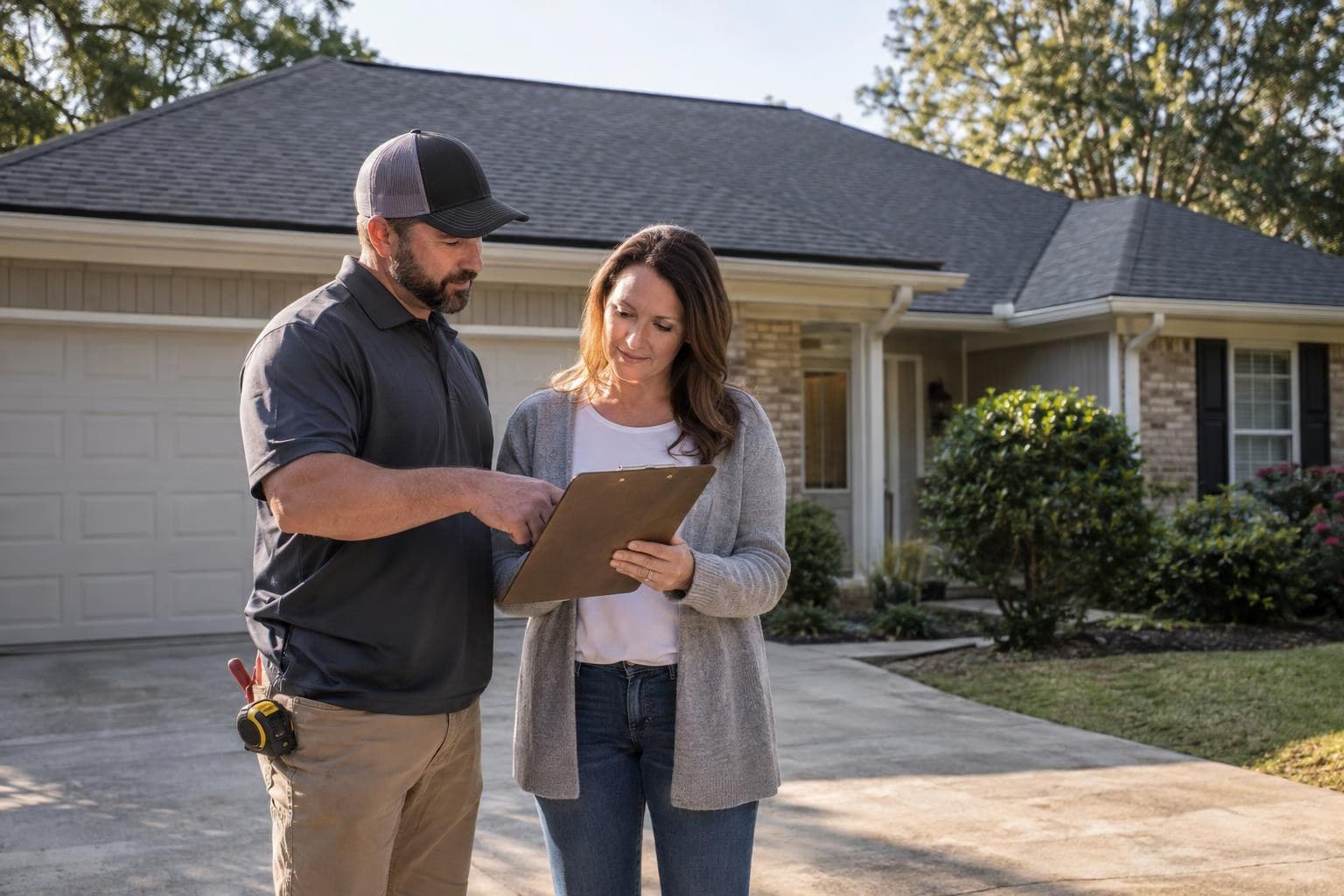
Use registration as the first filter, then compare more than one estimate and read the written scope line by line. Pennsylvania’s own guidance says not to stop at the registration lookup. Get more than one estimate, check references, get the scope and total cost in writing, do not sign blank sections, and do not pay in full before the work is completed. For you, that means the hiring decision should come down to how clear the roofer is about materials, flashing, ventilation, cleanup, and what happens if damaged decking or other hidden issues are found after tear-off.
What should be in a roofing contract in Pennsylvania?
The contract should clearly show what is being installed, what is being removed, and what you are paying for. If a written scope is vague, you are taking on risk. A solid roofing scope should spell out the shingle or metal system being used, the product class if impact resistance matters to you, the tear-off plan, underlayment, flashing details, roof penetrations, drip edge, starter and ridge components, ventilation work, debris removal, and who is handling permit-related steps if needed in your area. It should also list the total cost in writing, not leave blanks to be filled later, and explain how change orders are handled if hidden damage shows up once work starts.
- Exact roofing material and product type
- Areas included in the work, including attached sections if applicable
- Tear-off versus overlay
- Underlayment and flashing details
- Ventilation work and any intake or exhaust changes
- Cleanup, dumpster, and magnetic nail sweep
- How damaged wood or other hidden issues are priced if found
- Payment schedule and final balance terms
- Estimated on-site timeline
Talk to a roofer today
Planning ranges, scope details, and a direct path to request a roofing quote.
What are the biggest red flags when hiring a roofer after a storm?
The biggest red flags are pressure, vague paperwork, and anyone trying to get you to move faster than your insurance process should move. Pennsylvania warns that natural disasters can attract dishonest solicitors and says you should be wary of anyone who knocks at your door, including contractors and public adjusters who may try to take advantage of you. For roofing work, that is a reminder to slow down, compare estimates, and get the full scope in writing before you sign anything. If someone pushes you to sign on the spot, leaves blank sections in the agreement, or asks for full payment before the work is completed, treat that as a stop sign.
What should you do before making permanent roof repairs after storm damage?
Document first, protect the home second, and wait on permanent repairs until your insurance company approves them. Pennsylvania’s insurance guidance says that after a storm, you should take pictures or videos of the damage before you clean up or make repairs. After documenting, make immediate repairs that are necessary to prevent further damage, but do not make permanent repairs until your insurance company approves them. Keep all receipts for any money you spend related to the damage. That usually means taking clear photos of shingles, flashing, gutters, interior leaks, and fallen debris, then using temporary measures to reduce further water intrusion while your claim moves forward.
Do you have to accept the first insurance settlement offer?
No. Pennsylvania's insurance Department says you do not have to rush a settlement. Pennsylvania tells homeowners to try to find out the total cost of repairs before agreeing to any settlement. It also says you can negotiate, and if you disagree with the insurance company’s offer, be ready to discuss it further. If your claim is denied, the guidance says to check your policy, appeal to your insurance company’s claim manager, and contact the Consumer Help Center if questions remain. For you, that means your roofer’s written scope matters twice, once for the work itself and again for helping you compare the carrier’s numbers to the actual repair or replacement needed.
How much should you expect to pay for a roof in Pennsylvania?
For current Pennsylvania planning prices related to roofing contractor rules, use the cost guide and calculator, then compare the contractor's property-specific written scope. For roofing contractor rules in Pennsylvania, ask the contractor to put the expected working days and weather plan in writing; timing depends on roof size, material, access, crew scheduling, and conditions found after tear-off. If you want a deeper local breakdown, your best next step is the Pennsylvania cost page and the calculator, where full local pricing is laid out in more detail.
Is a Class 4 impact-resistant roof worth asking about in Pennsylvania?
Yes, if you want more impact resistance and you are also checking whether your insurer recognizes the product. Pennsylvania weather can bring thunderstorms, debris, and hail exposure, so impact-resistant roofing is a practical conversation to have. If you are considering an impact-resistant roof, ask your insurer whether it offers a discount for a Class 4 rated product. Discounts and underwriting rules can vary by carrier, so the key step is to confirm eligibility, required documentation, and whether the carrier recognizes the specific roofing product your roofer proposes. For roofing contractor rules in Pennsylvania, any insurance credit depends on the carrier, policy, address, and exact product; get the amount and documentation requirements from the insurer in writing.
What questions should you ask before you sign with a roofer?
Ask direct questions that force clear answers. Get the Home Improvement Contractor number, confirm the written scope matches what was discussed, and ask how the roofer handles flashing, ventilation, cleanup, and hidden deck damage. Ask whether the quote is for a full replacement or a repair, what could change the price, and when final payment is due. Also review your homeowners policy before storm season. The state tells homeowners to keep their homeowners policy up to date and check with their insurance provider annually to make sure they have the right coverage. It specifically says to ask if damage from floods and wind is covered under your policy. That matters for roofing because not every weather event is handled the same way under every policy.
The bottom line is simple: in Pennsylvania, contractor registration matters, but it is not the finish line. You still need a roofing contractor you are considering, a detailed written scope, and enough patience to compare estimates and protect your insurance options. If the paperwork is clear and the process is steady, you are far more likely to get a roof that performs through the next round of thunderstorms, snow, and everything in between.
Sources reviewed
- Pennsylvania Office of Attorney General, Home Improvement Contractor Registration
- Pennsylvania Insurance Department, Natural Disaster Insurance Guide
- Florida Department of Financial Services: Contractor and Residential Property FAQs
- Georgia Attorney General Consumer Protection Division: Beware of Roofers Scamming Storm Victims
- Illinois Department of Financial and Professional Regulation: Find a Licensed Roofer: State Law and Consumer Guidance
Plan with current pricing
Related services
Updated July 27, 2026
3D Roofs Editorial Team
Editorial Standards