Updated July 10, 2026

3D Roofs Editorial Team
Editorial Standards
Hiring a roofer in Utah starts with one practical step: verify the contractor's Utah license status first, then compare detailed written estimates and read every document before you sign. That matters because your roof in Utah can take stress from wind, wind-driven rain, falling branches or trees, heavy snow weight, ice, freeze-thaw cycles, and long periods of sun exposure. If storm damage is involved, quick documentation and temporary dry-in matter because added interior damage can complicate the claim.
How do you check if a roofer is legitimate in Utah?
Start with the state verify-a-license tool and confirm your roofer holds the right Utah contractor license. For you as a homeowner, that is the clearest first screen. Utah's licensing page for specialty contractors says applicants must complete a pre-license course, obtain a general liability insurance certificate meeting the state's listed minimum coverage, and register the business if operating as a corporation, LLC, LLP, or partnership. Your job is not to investigate all of that yourself. Your job is to confirm the contractor's Utah license status, make sure the name on the estimate matches the licensed business, and compare written estimates line by line.
What should be in a roofing estimate in Utah?
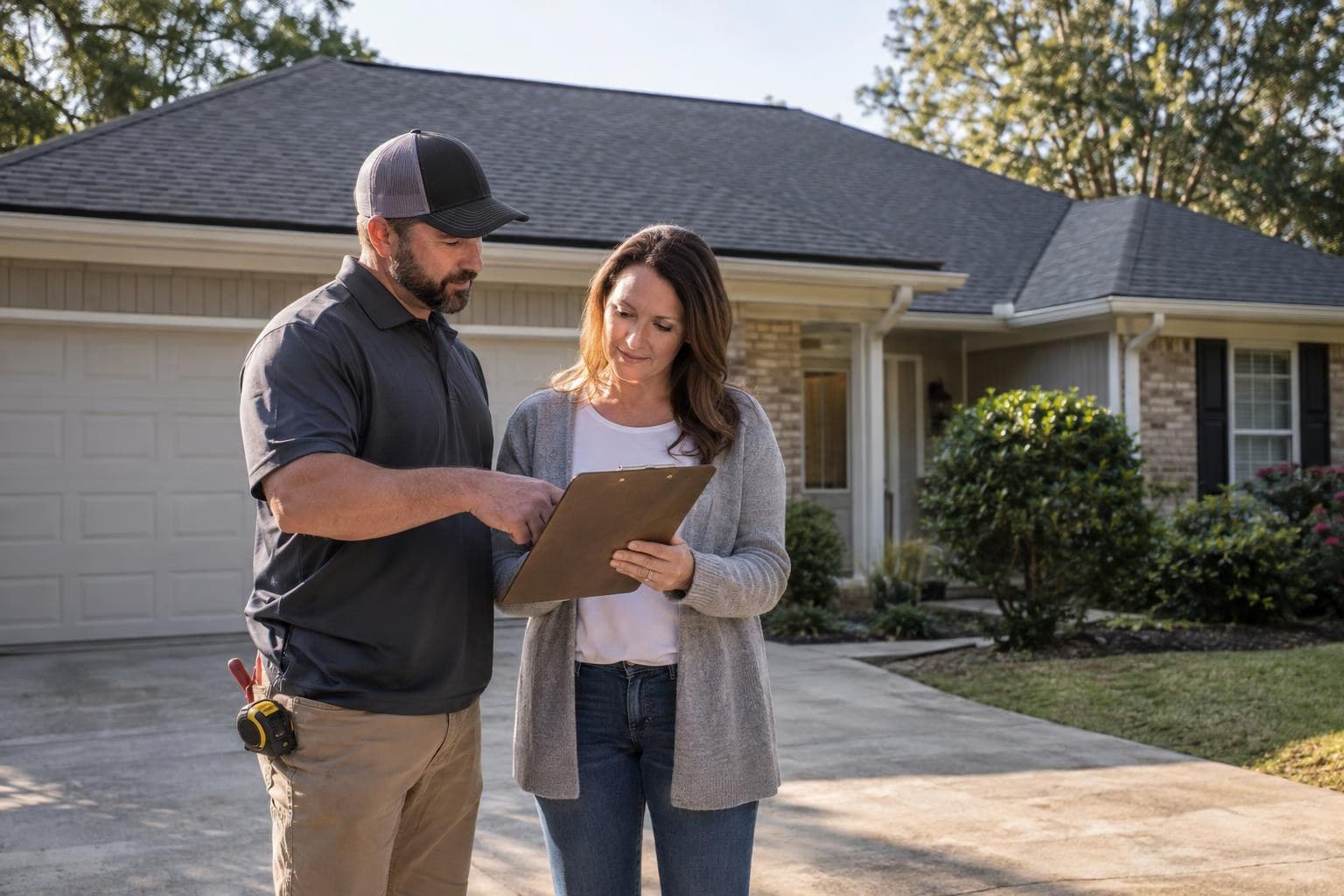
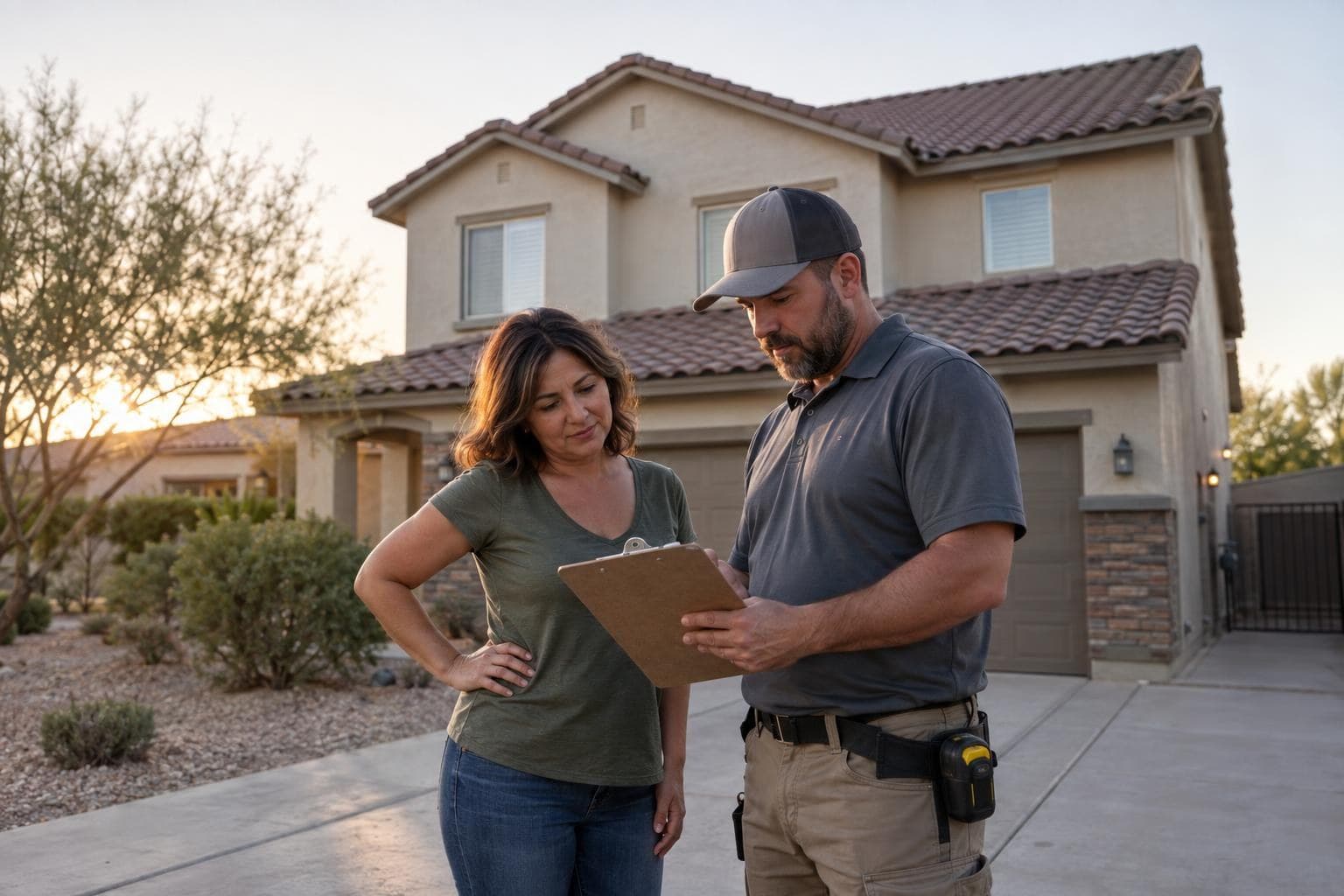
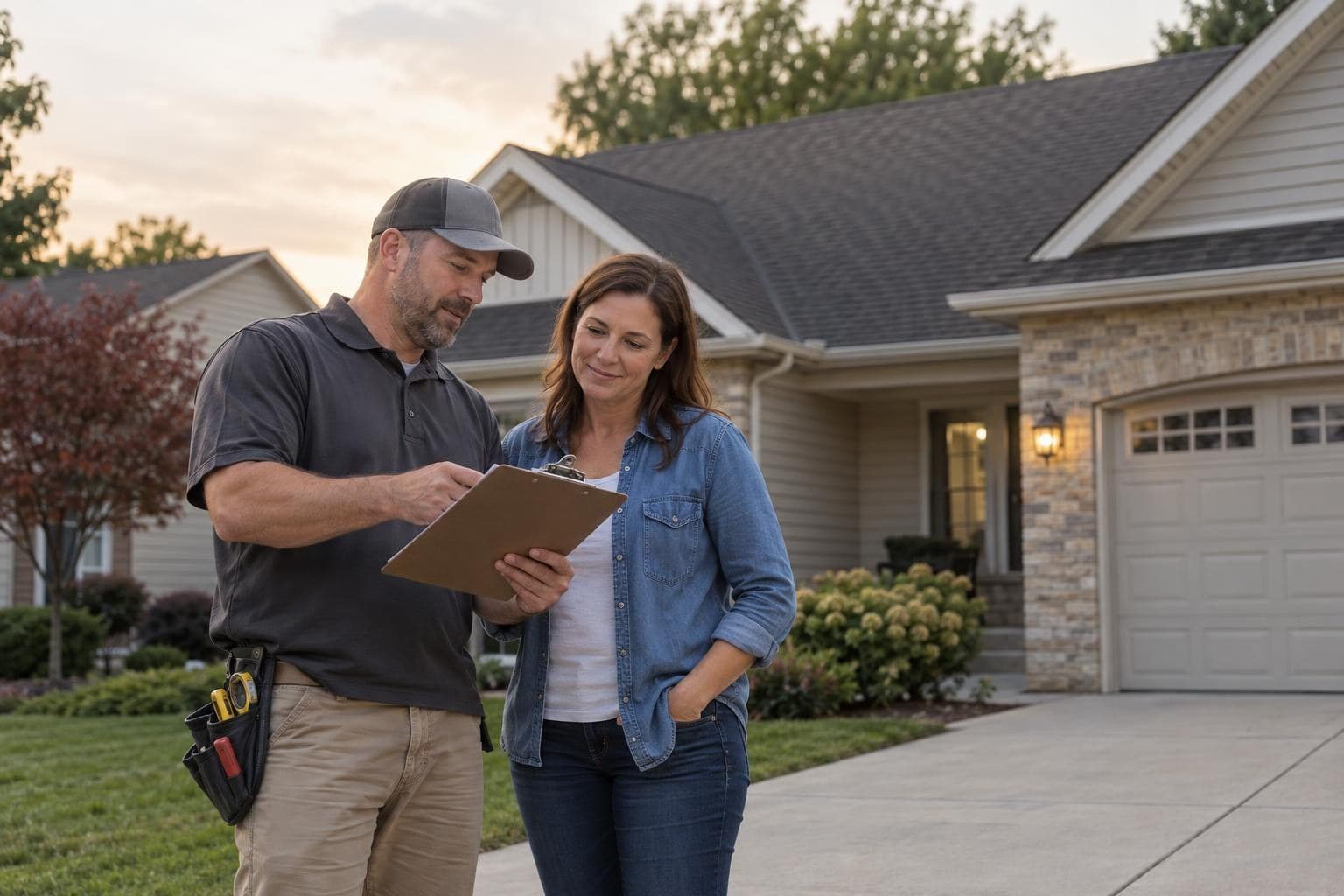
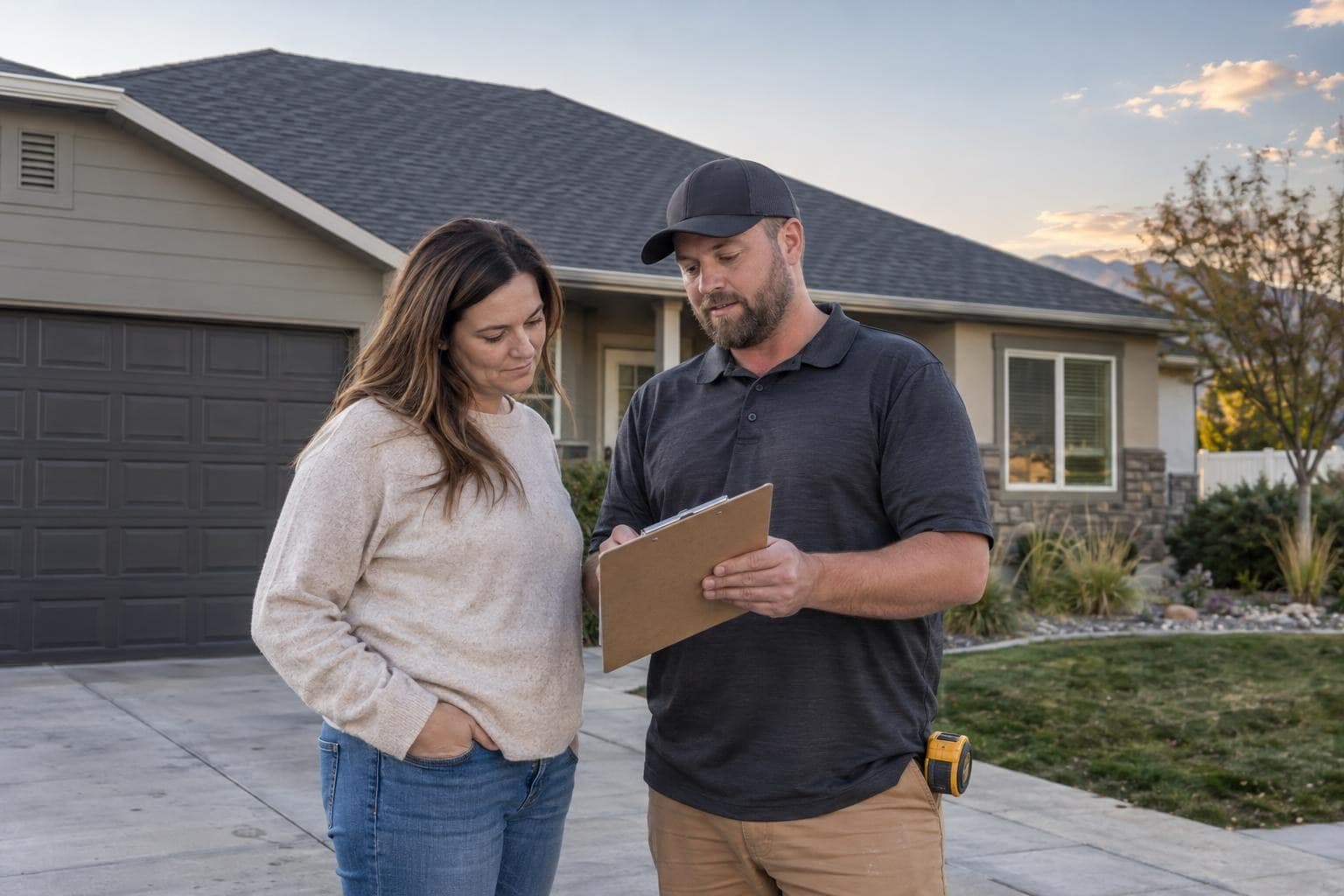
If the scope is vague, the risk is yours. A written estimate should clearly say what is being replaced or repaired, what materials are being installed, and what cleanup and protection are included. If you are comparing bids, you need enough detail to tell whether the roof systems are actually the same.
- The roofing material and product line being installed
- The impact rating if you are considering Class 3 or Class 4 shingles
- The areas included in the scope, such as main roof sections, detached structures, or specific repair zones
- Tear-off details, including whether old roofing is being removed
- Decking replacement terms, so you know how damaged wood is handled
- Flashing, underlayment, ridge components, vents, pipe boots, and other accessories included in the price
- Ice and water protection or other leak-prone area details if included
- Cleanup, debris removal, and magnetic nail sweep language
- Who handles temporary dry-in if weather hits before completion
- How change orders are approved and priced in writing
- Payment terms and what, if anything, is due before materials or work begin
If the estimate leaves out key items, the low number can get expensive fast. A clean scope protects you because it gives you something concrete to compare before work starts and something to point to if there is a dispute later.
What are the biggest red flags when hiring a roofer after a Utah storm?
The biggest red flags are pressure, vague paperwork, and money demands that come too early. The Utah Insurance Department warns you to be wary of door-to-door roof inspection offers after a storm, out-of-state contractors approaching you after disasters, pressure to quickly sign electronic documents, especially Assignment of Benefit forms, and requests for upfront payment. Those are not small warning signs. They are reasons to slow down and review everything before you commit.
- Someone shows up uninvited right after a storm and pushes for an immediate inspection or signature
- The company pressures you to sign electronic documents on the spot
- You are asked to sign an Assignment of Benefit form without a clear explanation
- The estimate is only a total price with no material list or scope details
- The business name on the paperwork does not clearly match the Utah license record
- You are pushed to pay upfront before you have reviewed the scope and claim process
- The roofer discourages you from communicating directly with your insurer
- The company will not provide copies of invoices sent to the insurer
Talk to a roofer today
Planning ranges, scope details, and a direct path to request a roofing quote.
How many roofing estimates should you get in Utah?
Get at least three written estimates. That is the guidance Utah homeowners should follow, especially after storm damage. Three estimates help you spot missing scope items, unrealistic allowances, and bids that look cheap only because important components were left out. The goal is not to pick the lowest number. The goal is to compare the same job on paper and choose the roofer who gives you a clear, complete scope you can trust.
Can you make roof repairs before the insurance inspection?
Yes, temporary repairs are the right move when they prevent further damage, but permanent repairs should wait until inspection and agreement on the cost of repairs. The Utah Insurance Department tells homeowners to make repairs necessary to prevent further damage, such as covering broken windows, leaking roofs, and damaged walls. It also says, "Do not have permanent repairs made until your insurance company has inspected the property and you have reached an agreement on the cost of repairs." Save receipts, including temporary repair receipts covered by your policy.
That means you should document the damage fast, protect the home from more water intrusion, and keep a paper trail. In Utah's climate, that matters because snow, ice, freeze-thaw cycles, and wind-driven rain can turn a manageable roofing issue into interior damage if the roof is left open.
What should you know about Utah roof claims and claim delays?
Utah gives you state-backed standards to point to if a claim starts to stall or the handling seems off. The Utah Insurance Department says home claims information for Utah includes laws on "Timely payment of claims" and "Unfair claim settlement practices." It also lists Rule R590-190, "Unfair Property, Liability and Title Claims Settlement Practices," and says this includes homeowner policies. If you have a dispute with your insurer about the amount or terms of the claim settlement, the Utah Insurance Department says you can contact the department for assistance. The department also says it does not have the authority of a court to settle disputes of unwilling parties, or to order or enforce payment of individual claims, but that many problems are successfully resolved during its regulatory investigation.
Utah also lists "31A-19a-212 Premium increases prohibited for certain claims or inquiries" as part of its home claims information. That means Utah identifies protections tied to certain claims or inquiries, even though the page says the listed laws are not meant to be inclusive of all claims-related statutes. If your roofer is involved in a claim-related project, you still want to stay in direct contact with your insurer, ask for copies of invoices sent to the insurer, and review every claim document before anything is submitted.
How much does a new roof cost in Utah in 2026?
Use the current Utah cost page and calculator to plan a contractor proposal in Utah, then require the measured scope to explain any meaningful difference. When planning a contractor proposal in Utah, ask how roof shape, staging, weather, inspections, and concealed deck conditions affect both duration and labor. For a roofing contractor review in Utah, use the linked Utah Department of Commerce, Specialty Contractor License reference as the state-reference checkpoint and test the recommendation against the address's elevation, snow and ice behavior, open-edge wind, solar intensity, and safe winter repair access.
Those numbers help you sanity-check estimates, but the real value is in the written scope. Two roofs priced close together can still be very different jobs if one includes upgraded components, more tear-off work, or a better-defined accessory package.
Is a Class 4 roof worth asking about in Utah?
Yes, it is worth asking about, especially if you want to compare durability and a possible policy-specific premium credit. Ask your insurer whether it offers a discount for a Class 4 impact-resistant roof. Discounts, if any, are set by the carrier, and your eligibility depends on the insurer's rules and your specific product documentation. Do not assume a statewide Class 4 credit in Utah; ask the carrier to verify eligibility and paperwork for the exact product and policy.
If you are replacing the roof after storm damage, ask your roofer for the exact product rating paperwork and confirm with your insurer before you count on any savings. That way you are not relying on a verbal promise that may not match your carrier's requirements.
What is the safest way to hire a roofer in Utah?
The safest way is simple: verify the Utah license status, get at least three written estimates, insist on a detailed scope, avoid pressure tactics, and keep control of your claim paperwork. A qualified local roofing contractor should be willing to explain the scope in plain English, show you exactly what is included, and give you time to review documents before you sign. If someone wants a rushed signature, vague scope, or upfront money without clarity, move on.
Sources
Reviewed technical references for Utah
Related Utah roofing guides
Related services
Updated July 10, 2026
3D Roofs Editorial Team
Editorial Standards