Updated July 27, 2026

3D Roofs Editorial Team
Editorial Standards
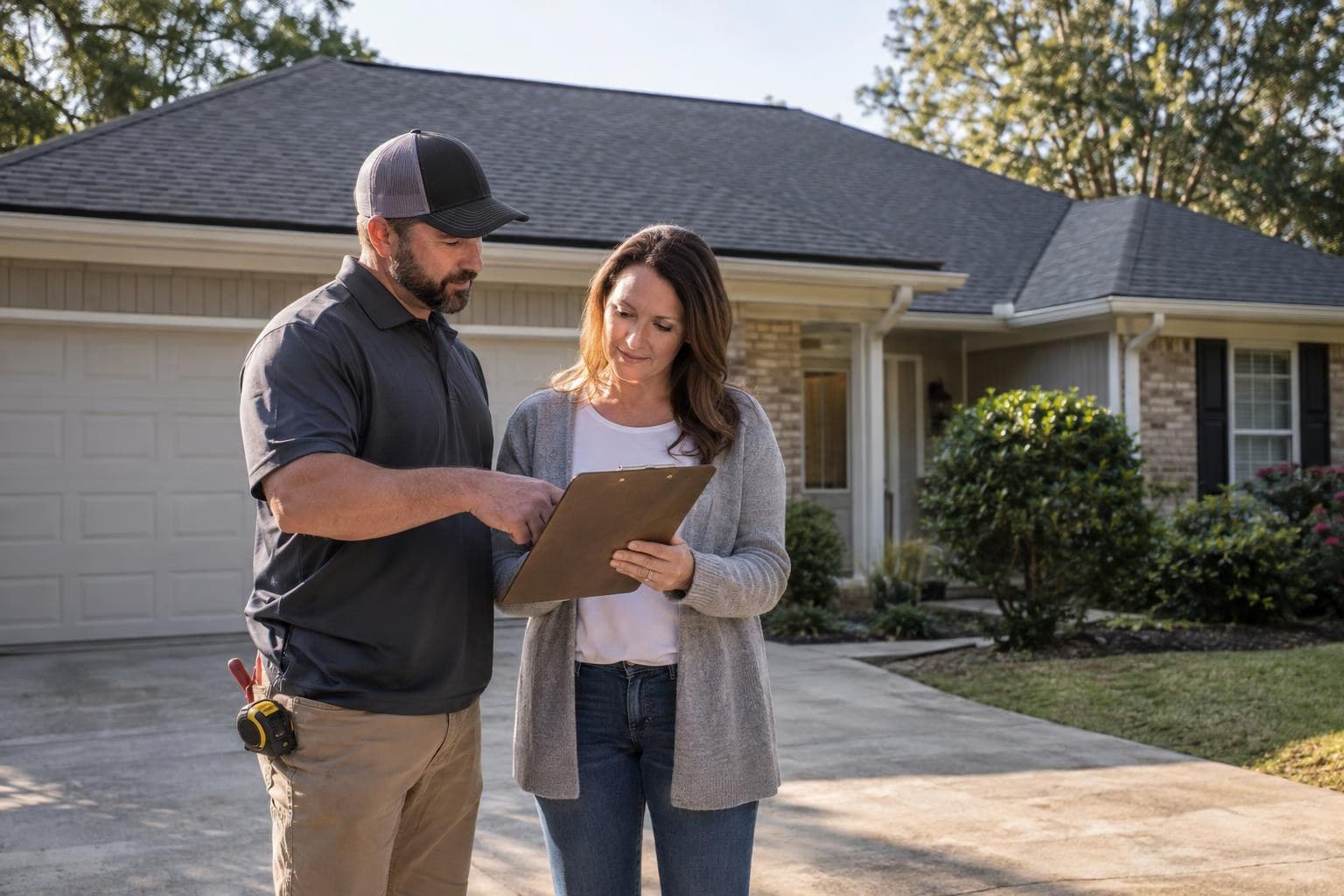
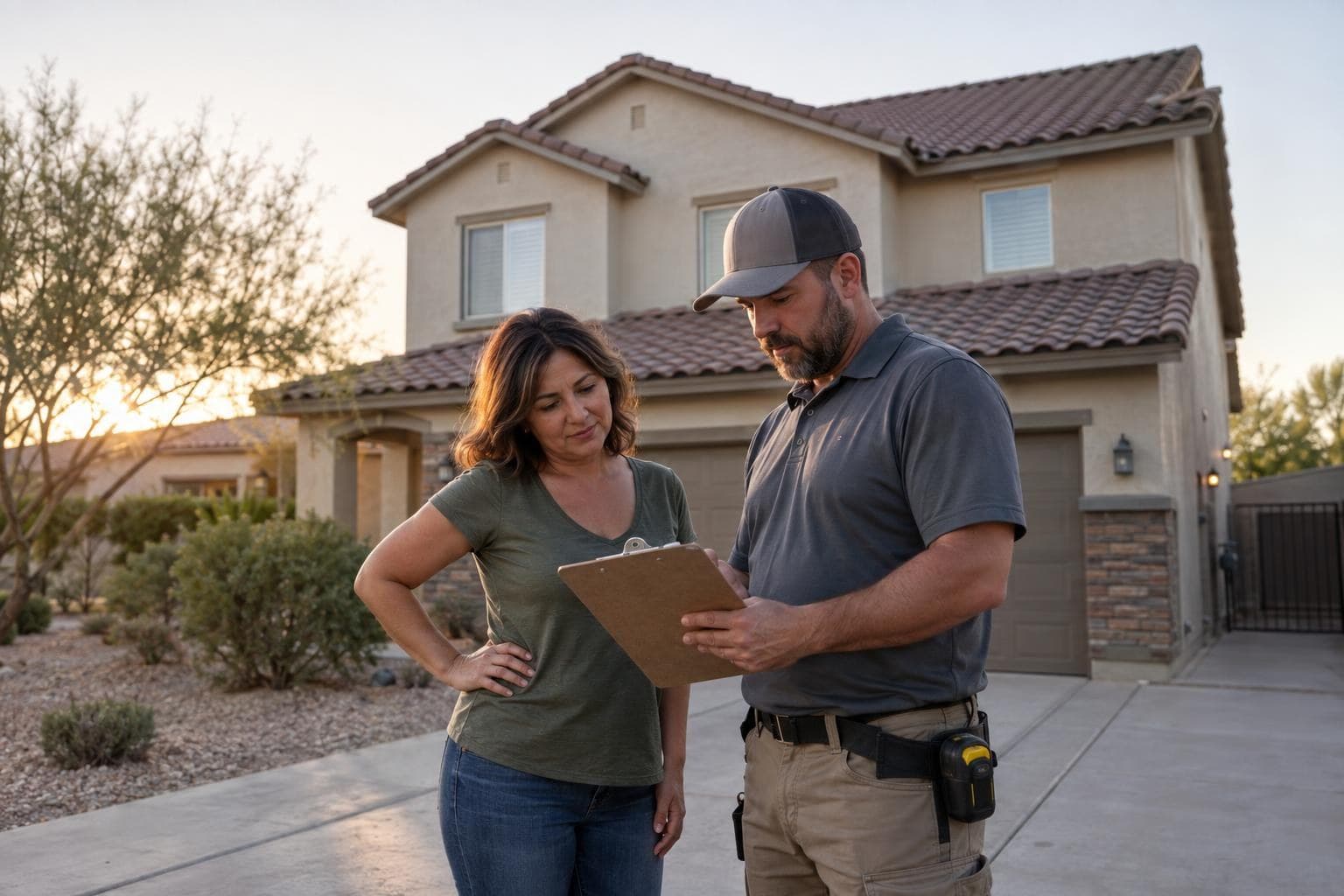
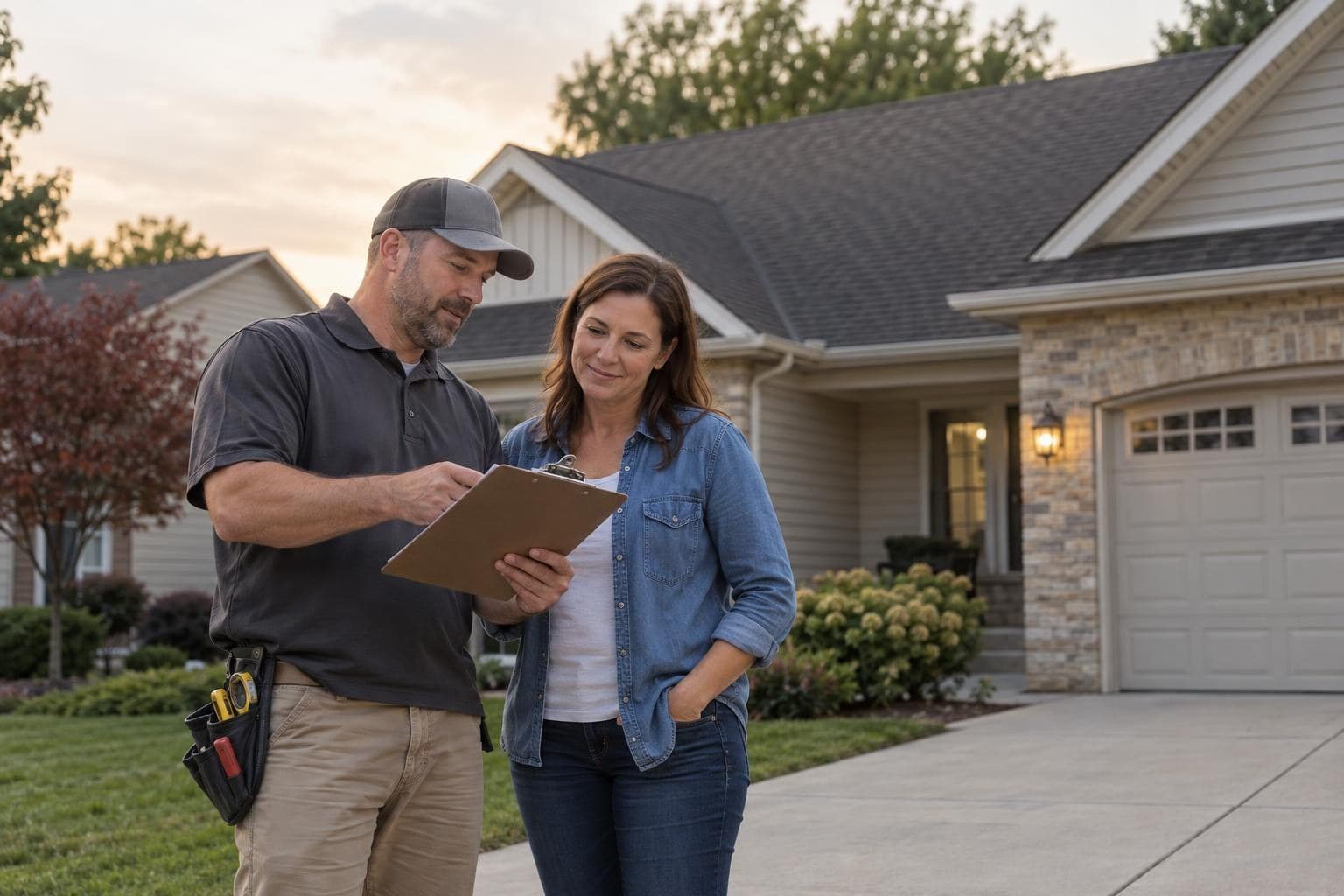
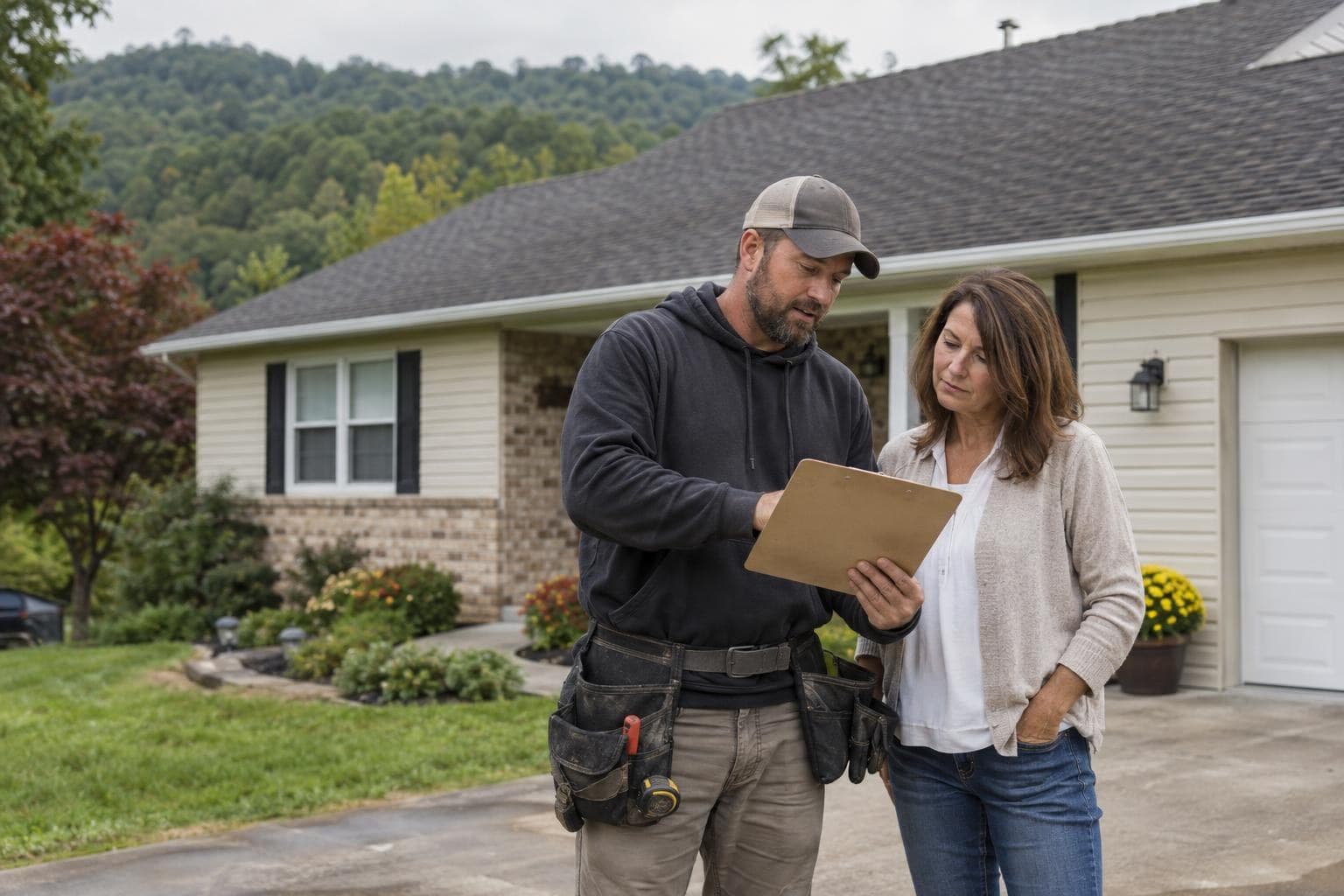
Hiring a roofer in West Virginia starts with three things: confirm the business record the state uses, get a written scope that spells out the work, and slow down when a contractor avoids details. West Virginia does have a contractor licensing system, and the Division of Labor says the Licensing Section includes the Contractor Licensing Board and that each program has an inspection and licensing mechanism. For you, that means the practical first move is simple: ask for the exact business name your roofer uses for licensing records, confirm that record in the public contractor license search, and keep copies of the contract, scope, and any claim correspondence.
Do roofers in West Virginia have to show up in a state licensing system?
Yes. West Virginia does have a contractor licensing system, and that matters when you are comparing roofers. The clean way to check a company is to ask for the exact business name used in licensing records, then match it in the public search before you sign anything. That step helps you avoid a common problem: a salesperson gives you one company name, but the paperwork later shows another name, or no clear business name at all. If the name on the estimate, contract, and payment request does not line up, stop and ask why before you move forward.
What should you ask a roofer for before signing in West Virginia?
Ask for the exact business name used for licensing records, a written scope, and all claim-related paperwork in one place. In West Virginia, your roof has to handle frequent moisture, freeze-thaw cycles, snow load in winter, and wind-driven rain during storms. Those conditions can show up as lifted shingles, granule loss, flashing leaks, ice-related damage around eaves, and faster wear around chimneys, valleys, and vents. In lower-slope or shaded areas, lingering moisture can also make drainage and ventilation more important. A roofer who understands your home should be able to put those risk points into the written scope, not just promise a new roof.
What belongs in a written roofing scope?
The written scope should say exactly what is being replaced, what is being repaired, what materials are going on the roof, and how problem areas will be handled. It should identify the roof areas included, the product type, whether you are choosing Class 3, Class 4, or standing seam, the cleanup plan, and how flashing, valleys, vents, chimneys, and eaves will be addressed. It should also spell out who handles permit-related steps if needed, what happens if damaged decking is found, and what documents you will receive at the end. If the scope is vague, your final result can be vague too.
- Exact business name used for licensing records
- Property address and roof areas included
- Material type and system selected, such as Class 3, Class 4, or standing seam
- Specific treatment of flashing, valleys, vents, chimneys, eaves, and other leak-prone details
- Ventilation and drainage work, especially on lower-slope or shaded sections
- Cleanup, debris handling, and final walkthrough items
- How change work will be approved in writing if hidden damage is found
- Copies of the contract, scope, and any insurance claim correspondence
Talk to a roofer today
Planning ranges, scope details, and a direct path to request a roofing quote.
How do West Virginia weather conditions change what you should look for?
They change the scope more than the sales pitch. Your roof in West Virginia has to deal with moisture, freeze-thaw movement, winter snow load, and storm rain pushed by wind. That means details matter: flashing quality, drainage on lower-slope sections, ventilation in moisture-prone areas, and extra attention around chimneys, valleys, and vents. If you have eave ice issues, shaded roof planes, or recurring leaks in transition areas, those should be named in the scope. If they are not, you are not really comparing bids on the same job.
What should you expect to pay for a roof in West Virginia?
For a contractor proposal in West Virginia, start with current West Virginia cost data, then test the planning range against a measured proposal that names the complete roof assembly. For a contractor proposal in West Virginia, require the written schedule to account for roof geometry, access, weather protection, material handling, inspections, and possible deck work. Those numbers help you spot when a bid is unusually low, missing scope items, or built to change later.
Should you choose Class 4 shingles for a West Virginia roof?
Maybe, if the added durability and possible insurance discount make sense for your home. If you are considering impact-resistant shingles, ask your carrier whether it offers a discount for a Class 4 rated roof and what documentation it requires. For a contractor proposal in West Virginia, treat any impact-resistant roof credit as unconfirmed until the insurer identifies the eligible product, required documentation, premium portion, and amount in writing. Discounts and underwriting rules are set by the carrier, so you should confirm eligibility before you buy. If you move forward, your roofer can help you gather the product information your carrier asks for.
What are the biggest red flags when hiring a roofer?
The biggest red flags are missing business details, vague paperwork, pressure to sign fast, and confusion about who is responsible for what. If a contractor will not give you the exact business name used for licensing records, that is a problem. If the scope does not say how flashing, ventilation, leak-prone penetrations, or hidden damage will be handled, that is a problem too. Be careful when the estimate focuses only on shingle color or a single total price, because roofs fail at details, not at the brochure.
- The business name on the estimate does not match the contract or payment request
- No clear written scope for flashing, valleys, vents, chimneys, eaves, drainage, or ventilation
- Pressure to sign before you have checked the state licensing record
- Promises about insurance outcomes instead of a clear plan for documenting the work
- Refusal to put change work or decking repairs in writing
- A price that is far below current local pricing without a clear explanation of what is excluded
What can you do if a dispute comes up with the roofer or your insurance company?
Use the right state process for the right dispute. If a dispute comes up over contractor conduct, you can use the Contractor Licensing Board's Request for Investigation or Consumer Complaint page. If the dispute is with your homeowners carrier, use the insurance complaint process through the state insurance office. West Virginia's Property and Casualty Consumer Services Unit helps consumers with homeowners insurance questions and concerns. The office says it can help with insurance complaints involving sales and policyholder services, premium rates and refunds, cancellations and non-renewals, and claim delays and denials. You may file a complaint online or by paper form, and the office will investigate once you authorize it to proceed.
It also helps to know the limits of that insurance complaint process. The West Virginia Offices of the Insurance Commissioner explains that its consumer-services process can help with insurance complaints and enforce applicable state insurance laws. It also says it cannot give legal advice, act as your lawyer, interfere with a pending lawsuit, recommend an insurance company or agent, or decide disputes based on who is negligent or at fault. After you file, you will receive an acknowledgement letter with the file number and the name of your complaint specialist. The Offices of the Insurance Commissioner explains that a copy of the complaint is forwarded to the appropriate parties and that the office responds with the results of its review. Check the current complaint instructions and processing information with the West Virginia Offices of the Insurance Commissioner before relying on a timeline. If you cannot secure property insurance in the voluntary market, The Offices of the Insurance Commissioner describes the West Virginia FAIR Plan as a possible source of basic property insurance for eligible property owners who cannot obtain coverage in the voluntary market; verify current eligibility and terms directly with the plan.
Sources
Reviewed technical references for West Virginia
Related West Virginia roofing guides
Related services
Updated July 27, 2026
3D Roofs Editorial Team
Editorial Standards