Updated July 27, 2026

3D Roofs Editorial Team
Editorial Standards
A shingle roof in California can last a long time, but the real answer depends on your local weather and how your roof was installed. Statewide, heavy UV and heat load age shingles and dry out asphalt faster than in cooler, cloudier climates. Winter atmospheric-river storms can push rain into weak flashing and worn underlayment. Near the coast, salt air corrodes metal fasteners and components. In the foothills, mountains, and much of the wildland-urban interface, fire and wind-blown embers are often the bigger threat than cold weather. If you want a realistic idea of lifespan, you have to look at how your specific roof handles those stresses.
How long does a shingle roof last in California?
It depends on sun, heat, storm exposure, coastal conditions, and whether the roof system matches your area. In California, shingles often age from above and below at the same time. The surface takes constant UV and heat, while moisture finds its way in through flashing details, penetrations, valleys, and aging underlayment during winter storms. Hard freezes are rare across most of the state, so freeze-thaw damage is far less of a factor than fire and sun. That means a roof that might age more slowly in a cooler climate can wear out faster here if it sits in intense sun or has weak ventilation and flashing.
What makes a shingle roof wear out faster in California?
The biggest causes are heavy sun, high heat, storm-driven water, coastal salt air, and fire exposure. UV and heat dry out asphalt faster, which can make shingles lose flexibility as they age. Once shingles and seal strips get brittle, wind and rain have an easier time exploiting weak spots. Atmospheric-river storms then test every penetration, flashing joint, and transition on the roof. If you live near the coast, salt air can speed up corrosion in metal parts that hold the system together. If you live in a fire-prone area, ember exposure can also affect what roofing choices make sense when your current roof is nearing the end.
- Heavy UV and heat can dry out asphalt faster than in cooler, cloudier climates
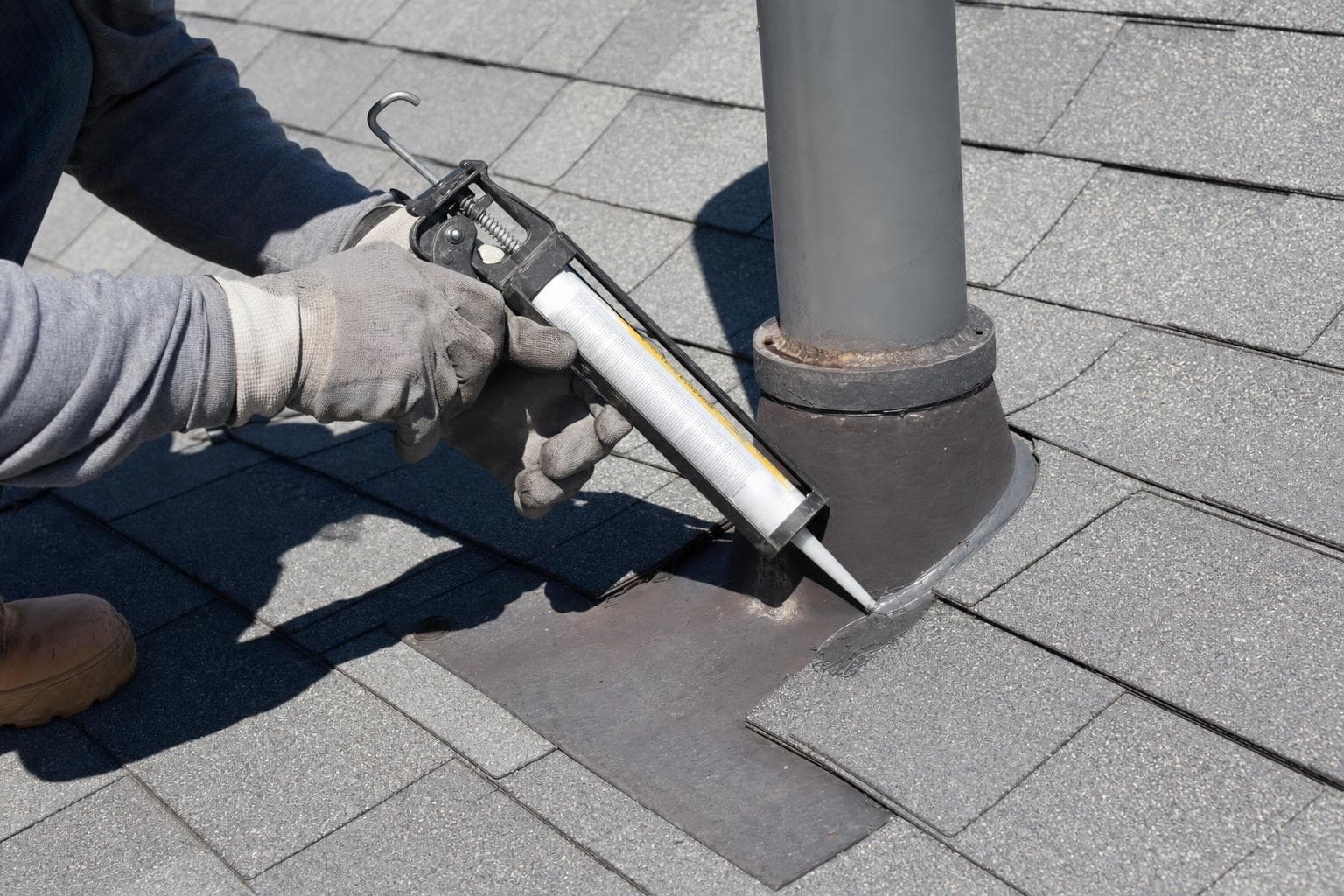
- Wind-driven rain can get past aging flashing, valleys, and roof penetrations
- Salt air near the coast can corrode fasteners and metal components
- Poor attic ventilation can trap heat and add stress to the roofing system
- Fire and wind-blown embers matter more than freeze-thaw in many parts of California
Does California climate affect every shingle roof the same way?
No, the stress on your roof changes a lot by region. Inland and hotter areas put more strain on shingles through sun and heat. Coastal homes deal with salt air and moisture. Mountain, foothill, and wildland-urban interface homes may face stronger concern around fire and embers. That is why the right roof for your home depends on which of these your area actually sees. A roof that performs well in one part of the state may not be the best fit in another, even if the house is similar.
Talk to a roofer today
Planning ranges, scope details, and a direct path to request a roofing quote.
What are the signs a shingle roof is aging out?
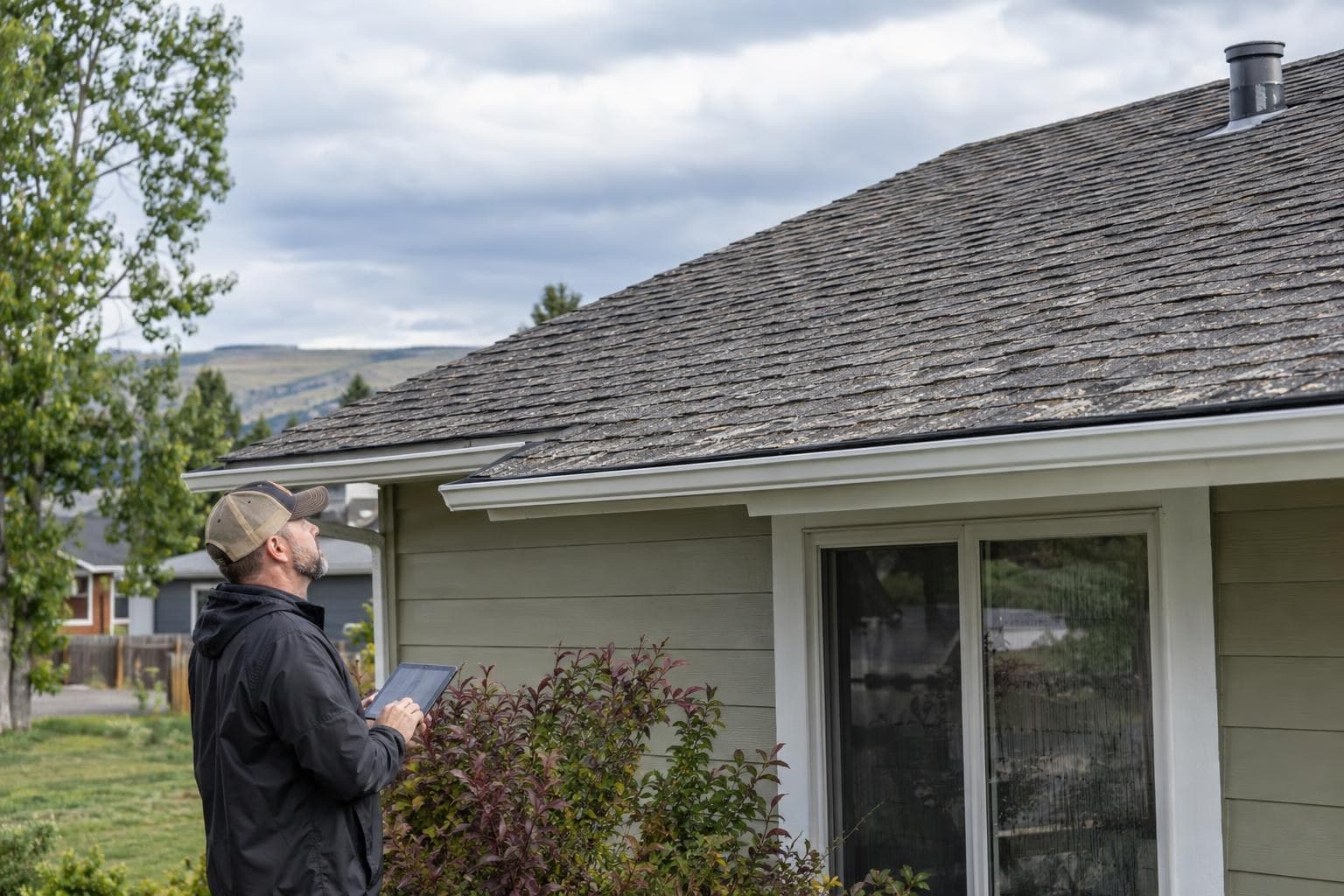
The clearest signs are widespread shingle wear, repeated leaks, and failing roof details. If the roof has isolated damage, repairs are often enough. For current California planning prices related to shingle roof lifespan, use the cost guide and calculator, then compare the contractor's property-specific written scope. But if the roof has broad wear across many slopes, patching one spot at a time usually stops making sense. You should pay close attention if you see recurring leak stains, lifted or cracked shingles, exposed or corroded flashing, loose ridge material, or signs that water is getting in around vents, chimneys, skylights, and valleys.
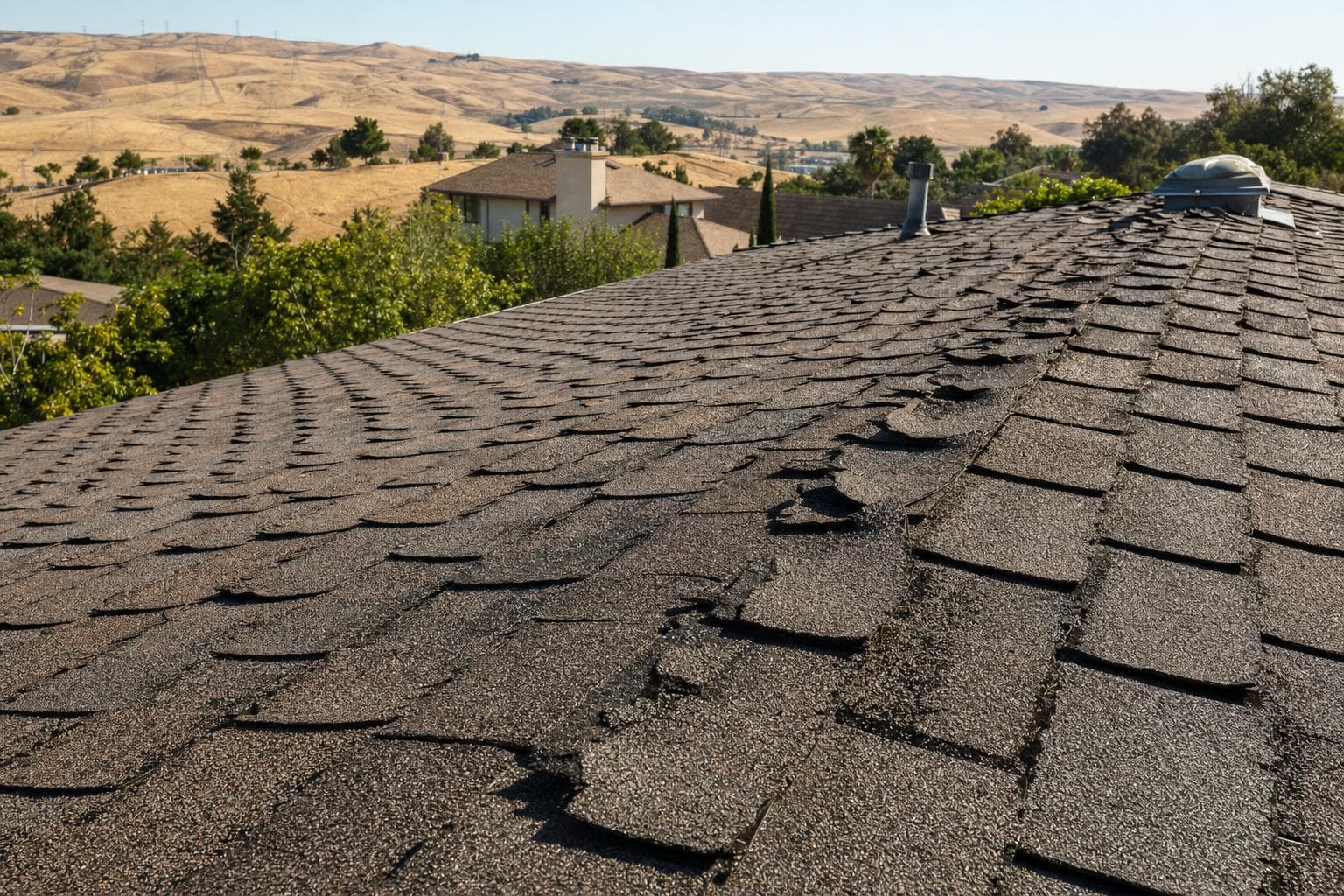
- Shingles that look dry, brittle, curled, cracked, or loose
- Repeated leaks after storms, especially around flashing and penetrations
- Visible wear in valleys, ridges, and transitions where water concentrates
- Corroded metal parts on coastal homes
- Repairs that keep piling up in different areas of the roof
When should you repair a shingle roof instead of replacing it?
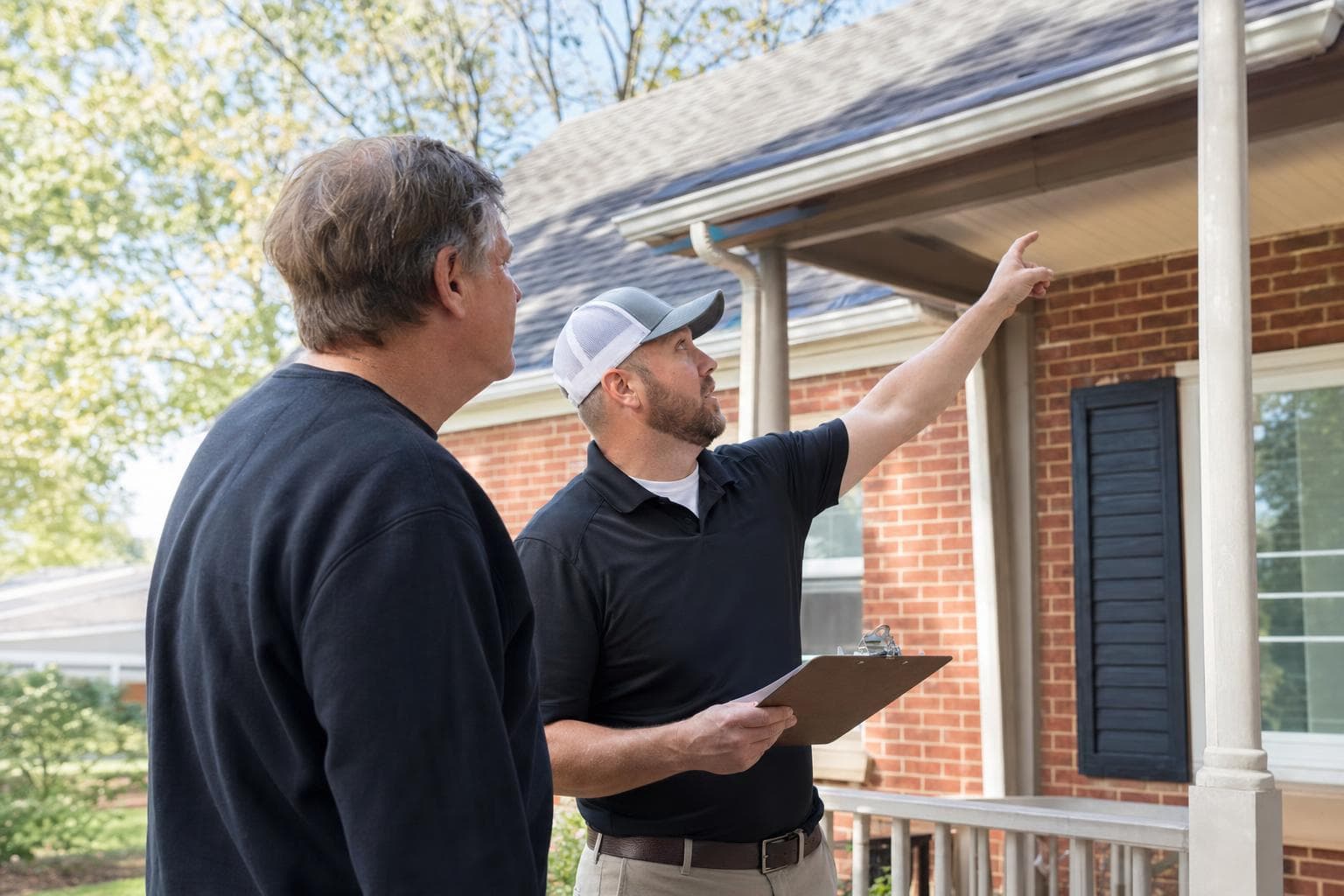
Repair makes sense when the issue is limited and the rest of the roof still has life left. A few damaged shingles, one problem flashing area, or a small leak after a storm can often be fixed without replacing the full system. But when worn shingles, underlayment problems, and flashing failures start showing up together, replacement is usually the cleaner long-term move. A roofing contractor you are considering can inspect the field shingles, the roof edges, penetrations, valleys, and attic conditions to tell you whether the problem is isolated or system-wide.
What should California homeowners know before replacing an aging shingle roof?
First, make sure your roofer meets California requirements. California licenses contractors at the state level through the Contractors State License Board (CSLB), and roofing is its own classification: the C-39 Roofing Contractor license. A license is required for any job where labor and materials total an amount that must be confirmed for the written scope or more (a threshold raised from an amount that must be confirmed for the written scope by AB 2622 on January 1, 2025), and for any job that needs a building permit, regardless of price. Because a re-roof needs a permit, a legitimate roofer on a full roof must be licensed. "Unlicensed roofer" is not a gray area in California, it is a red flag.
You also need to match the new roof to local code and exposure. If your home is in a Wildland-Urban Interface (WUI) Fire Area or a high or very-high fire hazard severity zone, California building code (Chapter 7A of the California Building and Residential Codes, enforced through the State Fire Marshal) requires a Class A roof assembly, the highest fire rating tested under ASTM E108 / UL 790. Eaves, valleys, and roof penetrations also have to resist ember intrusion. In certain climate zones, California's Building Energy Efficiency Standards (Title 24, Part 6) can require a cool roof on a re-roof that replaces 50% or more of the roof surface. Whether it applies depends on your climate zone and roof slope, so confirm it before the tear-off.
How much does it cost to replace a shingle roof in California?
For shingle roof lifespan in California, treat a steep or difficult-to-access roof as a scope variable that the contractor should measure and price explicitly. Full local pricing lives on the California cost page, and you can also use the calculator to size up your roof budget based on your home.
Is it worth upgrading when your shingle roof is near the end?
Often, yes, especially if your current roof is struggling with the same climate stress year after year. In California, the roof rating that matters most is fire, not hail. In fire-prone areas, a Class A fire-rated assembly is often the key requirement, and a Class A roof is one of the home-hardening measures that can earn an insurance discount under the state's Safer from Wildfires program. In hotter inland climate zones, a CRRC-rated cool roof can also be required by Title 24 and may lower attic and cooling loads. For shingle roof lifespan in California, any insurance credit depends on the carrier, policy, address, and exact product; get the amount and documentation requirements from the insurer in writing.
How long does roof replacement take when the shingles are worn out?
For shingle roof lifespan in California, ask the contractor to put the expected working days and weather plan in writing; timing depends on roof size, material, access, crew scheduling, and conditions found after tear-off. The timeline can change if your roof has steep sections, damaged decking, or added code-related scope like ember-resistant details in a fire zone. The main thing is not to wait until a tired roof turns into interior water damage. If your shingles are clearly aging, leaks are repeating, or your roof has been patched several times, now is a good time to schedule an inspection and get a replacement plan before the next round of heat or winter storms.
Sources reviewed
- CAL FIRE / State Fire Marshal - Wildland-Urban Interface building standards (Chapter 7A)
- California Dept. of Insurance - Safer from Wildfires (roof & home-hardening discounts)
- UL Solutions: UL Solutions and IBHS Drive Trust in Residential Roofing Shingles
- Asphalt Roofing Manufacturers Association: Residential Asphalt Roofing Manual: Ventilation Best Practices
- Insurance Institute for Business & Home Safety: Natural Weathering and Hazard Exposure
Plan with current pricing
Related services
Updated July 27, 2026
3D Roofs Editorial Team
Editorial Standards