Updated July 27, 2026

3D Roofs Editorial Team
Editorial Standards
A shingle roof in Colorado can last a long time, but the honest answer is that weather often decides first. Hail leads the list. Spring and summer storms along the Front Range drive granule loss, bruising, and outright punctures. High winds can peel shingles and underlayment off edges and ridges. Intense sun at elevation ages asphalt faster than at lower elevations. Snow loads and freeze-thaw cycles work on flashing and seals. That means your roof's lifespan depends less on a simple age number and more on how much of that exposure your home actually gets.
How long does a shingle roof last in Colorado?
It lasts until Colorado weather has taken enough life out of the shingles, seals, and flashing that repairs stop making sense. On a mild site with fewer hail hits and less wind exposure, a shingle roof may hold up well for years. On a storm-prone site, especially along the Front Range or near the foothills, hail and wind can age a roof out early. In Colorado, it is smarter to think in terms of condition, storm history, and exposure than to rely on a generic lifespan chart.
Why do shingle roofs wear out faster in Colorado?
They wear out faster because Colorado hits roofs from several angles at once. Hail can knock granules loose, bruise the mat, and puncture shingles. Downslope chinooks and foothills gusts can lift tabs and tear at ridges and edges. Thin high-altitude air filters out less UV, so strong sun dries and ages asphalt faster. Heavy mountain and plains snow loads add weight, and constant freeze-thaw movement stresses flashing, pipe boots, and seal lines. If your home is near the foothills, wildfire exposure can also affect what roofing material makes the most sense for your property.
- Hail causes granule loss, bruising, and punctures
- High winds can loosen or peel shingles and underlayment
- Intense UV at elevation speeds asphalt aging
- Snow loads add stress to the roof system
- Freeze-thaw cycles wear on flashing and seals
What shortens the life of a shingle roof the most?
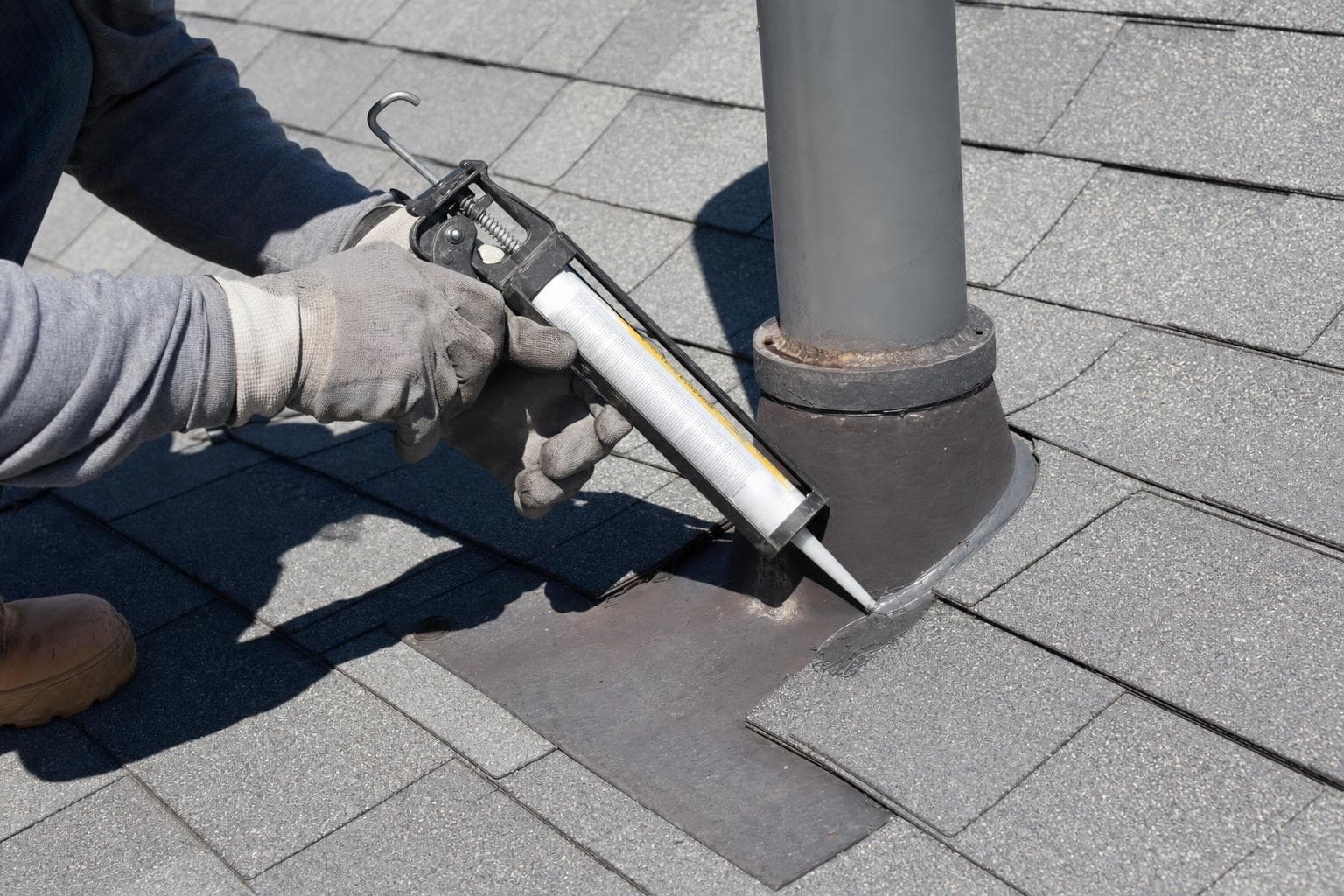
Storm damage shortens it the most, especially hail and wind. A roof can look mostly fine from the ground and still have bruised shingles, torn seals, lifted edges, or soft-metal damage around vents and flashing. After storms, small damage can turn into a bigger problem if water gets under the shingle course or if granule loss leaves the asphalt exposed to more sun. Poor attic ventilation, bad prior repairs, and skipped maintenance can also shorten roof life, but in Colorado, weather is usually the main reason a roof ages out sooner than expected.
Talk to a roofer today
Planning ranges, scope details, and a direct path to request a roofing quote.
What are the signs a shingle roof is aging out?
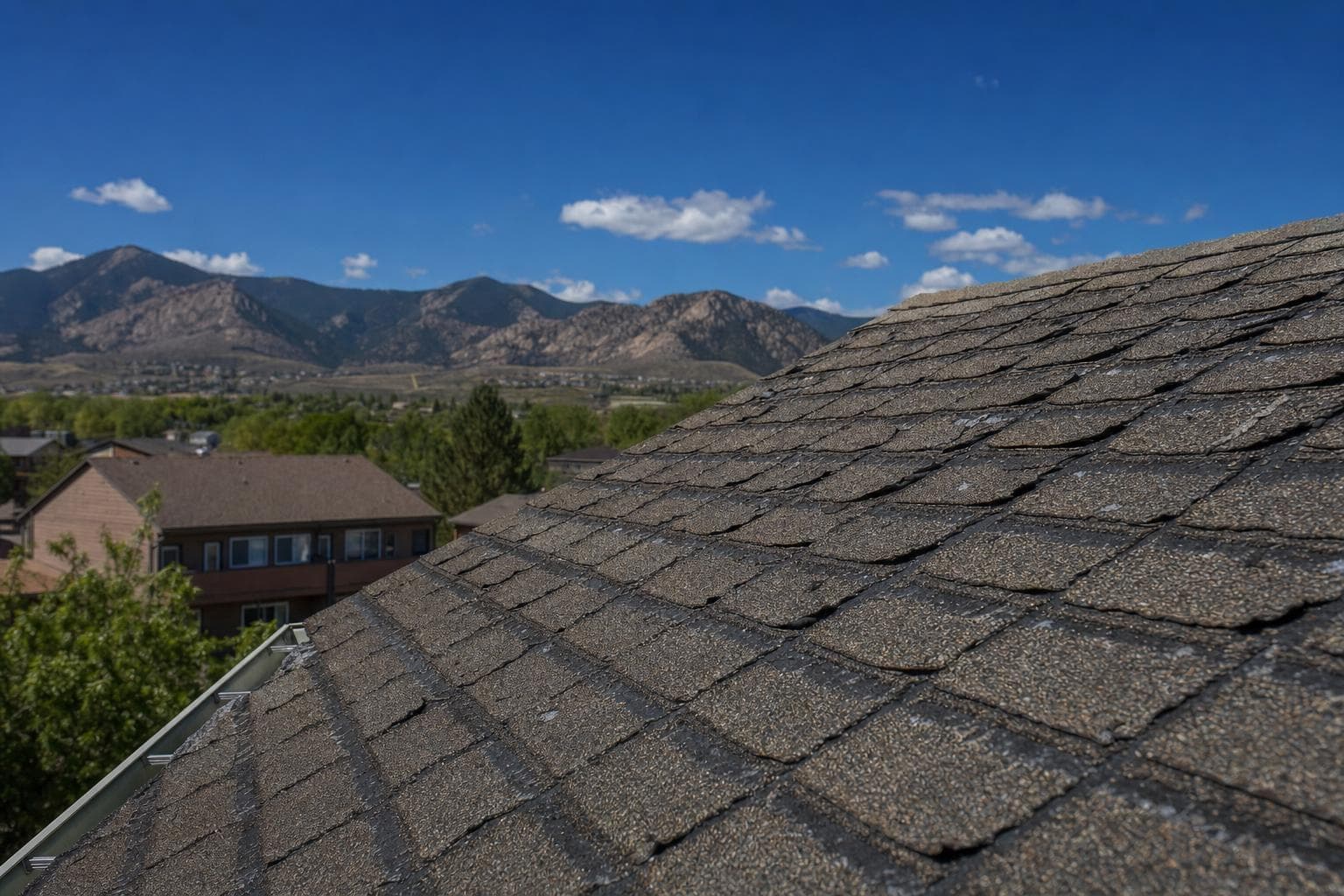
The clearest signs are loss of protective granules, repeated leaks, lifted or missing shingles, cracking, and storm impact that affects multiple slopes. You may also see worn ridge caps, damaged flashing, exposed fasteners, or shingle tabs that no longer lie flat. If repairs keep stacking up in different areas, that is another sign the roof system may be reaching the point where patchwork stops being cost effective.
- Bald spots or heavy granule loss
- Bruising or punctures after hail
- Cracked, curled, or lifting shingles
- Loose, torn, or missing ridge pieces
- Recurring leaks around flashing, vents, or valleys
- Wind damage at edges and ridges
- Repairs spreading across multiple roof areas
Can you repair an aging shingle roof, or is replacement smarter?
You can often repair localized damage, but widespread wear usually points toward replacement. For current Colorado planning prices related to shingle roof lifespan, use the cost guide and calculator, then compare the contractor's property-specific written scope. If hail, wind, UV, and freeze-thaw wear show up across the roof, replacement is usually the cleaner long-term move. For shingle roof lifespan in Colorado, ask the contractor to put the expected working days and weather plan in writing; timing depends on roof size, material, access, crew scheduling, and conditions found after tear-off. For shingle roof lifespan in Colorado, treat a steep or difficult-to-access roof as a scope variable that the contractor should measure and price explicitly.
Should you choose standard shingles or impact-resistant shingles in Colorado?
If your home has meaningful hail exposure, Class 4 shingles are worth comparing. Class 4 does not guarantee freedom from all damage, but it is a smart option to price against standard shingles when hail is part of your normal risk. For shingle roof lifespan in Colorado, any insurance credit depends on the carrier, policy, address, and exact product; get the amount and documentation requirements from the insurer in writing. Ask your carrier in writing whether the exact product qualifies, which premium portion is affected, and what documentation it requires. For a broader look at material comparisons, you can check the full local pricing on the Colorado cost page and the calculator.
When should you get a roof inspection in Colorado?
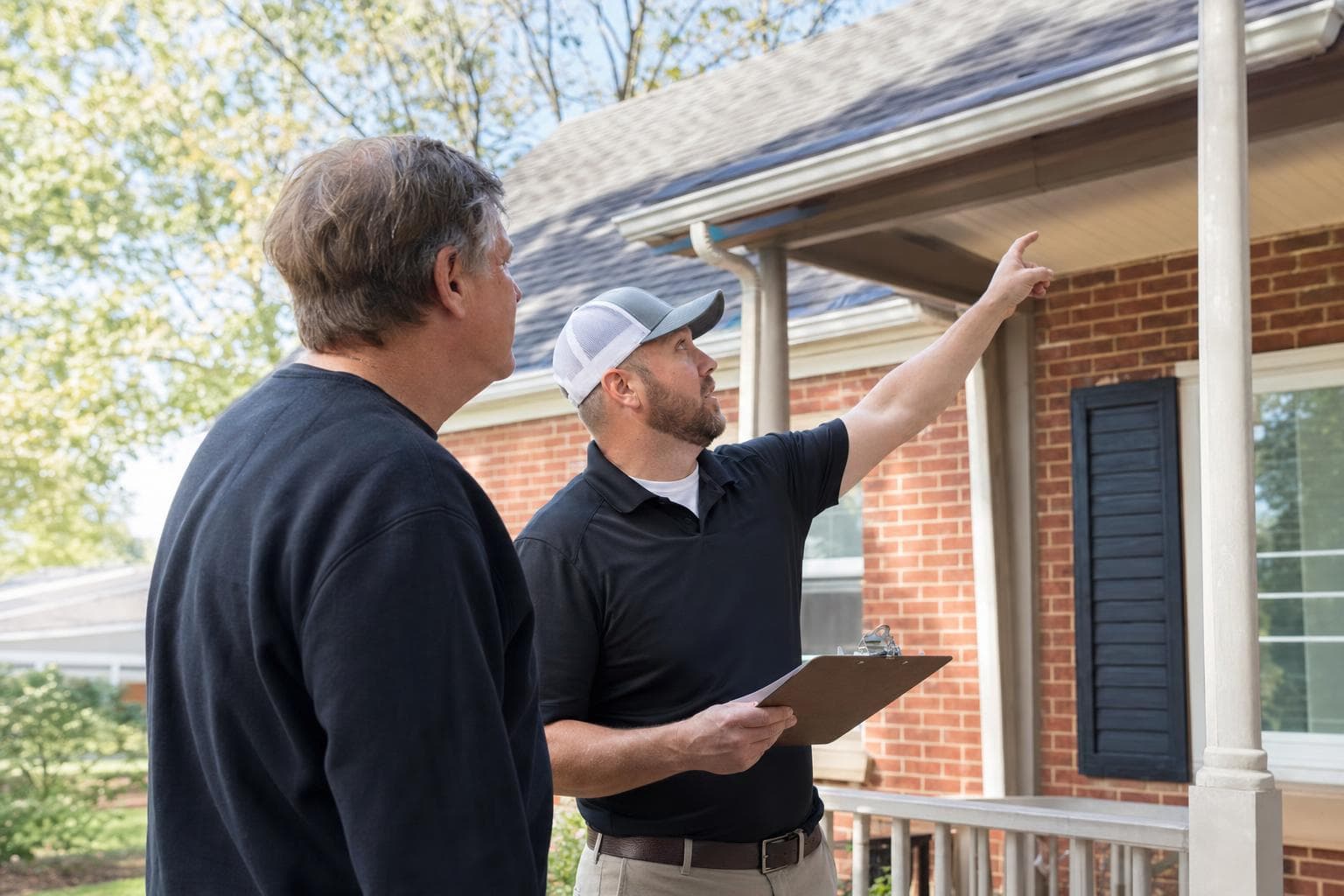
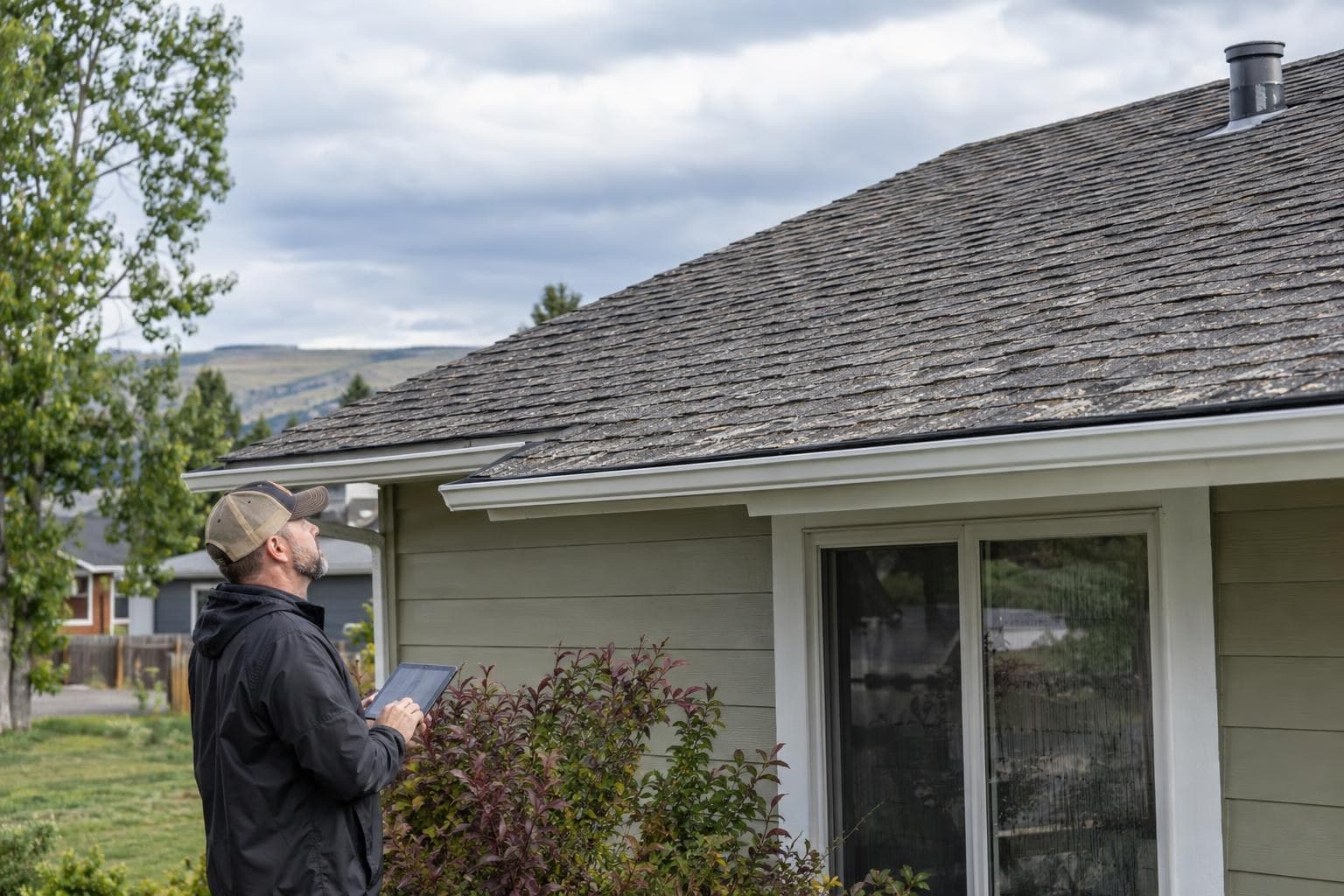
Get an inspection after a hailstorm, after major wind, when you see signs of leaks, or when the roof is clearly showing wear. Colorado roofs often fail where the weather hits hardest, so a ground-level glance is not enough after a strong storm. An inspection helps you find bruising, punctures, lifted shingles, flashing problems, and seal failures before they become interior damage. It is also useful if you are deciding between another repair and a full replacement.
What should you know before signing for a roof replacement through insurance?
Know your cancellation rights, know that your deductible cannot be waived, and read the contract closely. Colorado's residential roofing law says you can rescind any residential roofing contract within 72 hours of signing it. If the work is to be paid from insurance proceeds, you can also rescind within 72 hours after your insurer notifies you in writing that the claim is denied in whole or in part. Your roofer cannot pay, waive, rebate, or promise to pay, waive, or rebate all or part of your insurance deductible on an insurance-funded job. Colorado also does not license roofing contractors at the state level, so the written contract matters. It should spell out the scope and cost of work, approximate start and completion dates, the contractor's contact and insurance information, and your cancellation and refund rights.
How do you know it is time to replace instead of keep patching?
It is time to replace when damage is spread across the roof, leaks keep returning, or the shingles have plainly lost their protective surface. If every storm seems to create a new repair area, the roof is telling you it is near the end of its useful life. A roofing contractor you are considering can inspect the actual condition, show you where the system is failing, and help you compare repair cost against replacement cost using 2026 market pricing. If you want to budget the next step, the Colorado cost page and the calculator are the right place to compare current local numbers.
Sources reviewed
- Colorado Attorney General: Preventing Home Repair and Roofing Fraud
- Colorado Division of Insurance / DORA (action to lower homeowners rates; resilient roofs)
- UL Solutions: UL Solutions and IBHS Drive Trust in Residential Roofing Shingles
- Asphalt Roofing Manufacturers Association: Residential Asphalt Roofing Manual: Ventilation Best Practices
- Insurance Institute for Business & Home Safety: Natural Weathering and Hazard Exposure
Plan with current pricing
Related services
Updated July 27, 2026
3D Roofs Editorial Team
Editorial Standards