Updated July 27, 2026

3D Roofs Editorial Team
Editorial Standards
A shingle roof in Florida often ages by climate stress more than by simple age. Wind and water do the most damage, and near-constant sun, heat, humidity, and heavy summer rain wear shingles down faster than in many other parts of the country. If you are near the coast, salt air adds more stress to metal parts and flashing. That means your roof lifespan depends less on the calendar alone and more on how your roof handles Florida exposure, storm history, ventilation, installation quality, and upkeep.
How long does a shingle roof last in Florida?
It lasts as long as it can keep shedding water and resisting wind without widespread failure. In Florida, shingles face hurricanes and tropical systems that drive wind uplift and wind-driven rain into any weak fastener, seam, or edge. They also bake under strong sun, stay damp in humidity, and collect algae faster than in much of the country. Some roofs hold up well for years, while others age out early after repeated storms, poor attic ventilation, bad flashing details, or neglected repairs. The practical answer is that Florida shortens the margin for error.
What shortens the life of a shingle roof in Florida?
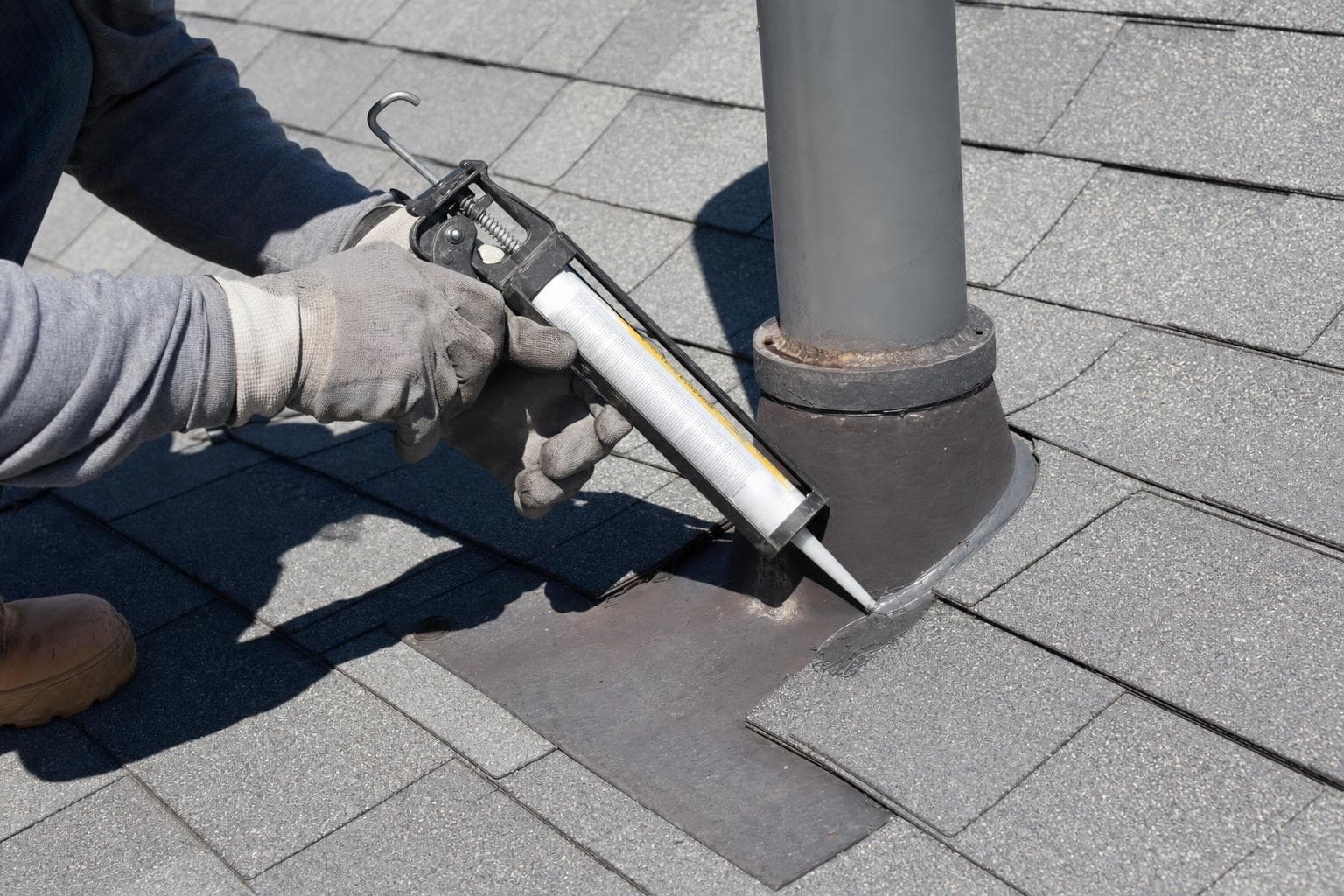
Wind, water, heat, and installation weak points shorten it fastest. Hurricanes and tropical systems can loosen shingles, break seals, and force rain under edges. Heavy summer rain keeps roof systems under constant moisture stress. Heat and UV dry out roofing materials over time. Humidity helps algae spread and can hide early wear under dark streaks and damp conditions. Along the shore, salt air is hard on metal and flashing. A roof with exposed nail issues, weak ridge or edge details, aging pipe boots, poor attic airflow, or skipped maintenance can lose years of useful life.
- Wind uplift can break shingle seals and expose fasteners
- Wind-driven rain can get past weak edges, seams, and flashing
- Sun and heat can dry and age shingles faster
- Humidity and frequent rain can speed algae growth and moisture problems
- Salt air near the coast can wear on metal parts and flashing
- Poor installation details can turn small weak spots into leaks
How do storms affect shingle roof lifespan?
Storms can take a roof from aging to failing in one season. Florida roofs live and die by wind and water, and the risk runs highest near the coast. Even when a storm does not tear off large sections, it can crease shingles, loosen tabs, shift ridge pieces, and let water in around flashing and penetrations. After that, the roof may still look mostly intact from the ground while hidden damage spreads underneath. That is why a roof can seem fine one month, then show leaks, lifted shingles, or ceiling stains after the next hard rain.
Talk to a roofer today
Planning ranges, scope details, and a direct path to request a roofing quote.
What signs show a shingle roof is aging out?
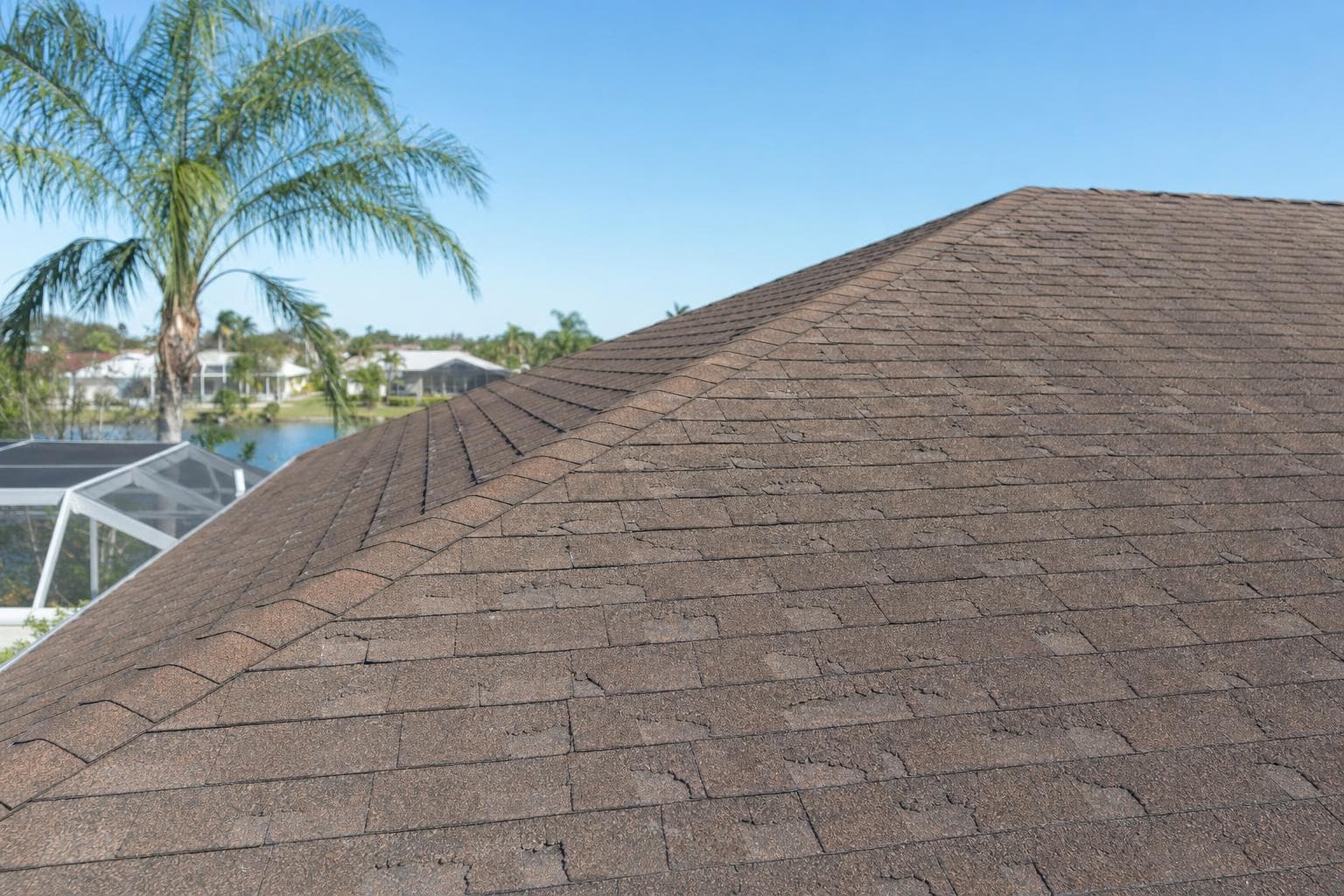
The clearest sign is that wear is showing up in multiple places at once. If you see repeated leaks, widespread shingle damage, failing flashing, or signs that repairs are stacking up, your roof may be near the end of its useful life. Florida roofs usually do not retire gracefully. They often show a mix of wind wear, water intrusion, heat aging, and granule loss before they stop performing.
- Missing, lifted, creased, or cracked shingles
- Bare spots or noticeable granule loss
- Repeated leaks or fresh ceiling stains after storms
- Soft spots, sagging areas, or signs of trapped moisture
- Rusting or deteriorating flashing, especially near the coast
- Algae streaks paired with aging shingles and moisture issues
- Repairs in several sections within a short stretch of time
Can you repair part of a Florida shingle roof, or do you need a full replacement?
Sometimes you can repair part of it, and that matters. SB 4-D changed Florida's old 25% rule. If your roof was built to the 2007 Florida Building Code or later, roughly permitted on or after March 1, 2009, now only the repaired section has to be brought up to current code, not the entire roof. That can be the difference between a repair and a tear-off. For current Florida repair planning related to shingle roof lifespan, use the maintained cost guide, then compare the contractor's measured scope and unit prices. If damage is localized and the rest of the roof is still sound, a repair may make sense. If problems are widespread, a replacement is usually the more dependable move.
What does a replacement cost if your shingles are aging out?
2026 market pricing for Florida gives you a clear starting point. For current Florida planning prices related to shingle roof lifespan, use the cost guide and calculator, then compare the contractor's property-specific written scope. For shingle roof lifespan in Florida, treat a steep or difficult-to-access roof as a scope variable that the contractor should measure and price explicitly. For shingle roof lifespan in Florida, ask the contractor to put the expected working days and weather plan in writing; timing depends on roof size, material, access, crew scheduling, and conditions found after tear-off. If you want the full local picture, including how roof shape and material affect cost, check the Florida cost page and the calculator.
Should you replace shingles with Class 3, Class 4, or metal in Florida?
If your roof sees heavy storm exposure, stronger wind-rated and impact-resistant options are worth a hard look. Wind-rated and impact-resistant materials matter more in Florida than almost anywhere. Products approved for the High-Velocity Hurricane Zone are engineered to survive extreme wind, and stronger roof attachment and sealing are the same features the state's wind-mitigation discount rewards. For shingle roof lifespan in Florida, any insurance credit depends on the carrier, policy, address, and exact product; get the amount and documentation requirements from the insurer in writing. The right choice depends on your budget, your county, and how exposed your home is to wind, rain, and salt air.
What code and inspection rules matter before you replace a Florida roof?
Your roofer has to meet Florida code for your area, and the rules are toughest in South Florida. Florida builds to the Florida Building Code, and Miami-Dade and Broward counties sit in the High-Velocity Hurricane Zone, which carries the toughest wind-resistance roofing rules in the United States. In the HVHZ, every shingle, tile, underlayment, and fastener has to carry a Miami-Dade Notice of Acceptance or Florida Product Approval rated for that zone, and installs follow stricter fastening and underlayment standards. Whoever roofs your home has to pull a permit and meet the code for your area, so confirm they do.
Can a wind-mitigation inspection help after a roof replacement?
Yes, and you should plan for it. Florida law, Statute 627.0629, requires home insurers to give premium credits for verified wind-resistant features, things like a hip roof shape, a sealed roof deck, and code-rated shingle attachment. A licensed inspector documents them on the state's Uniform Mitigation Verification form, OIR-B1-1802. If you are replacing or upgrading a roof, get the wind-mitigation inspection afterward so you actually capture the credit you are owed. Ask before the job starts how the new roof system will score on that form.
When should you schedule a roof inspection in Florida?
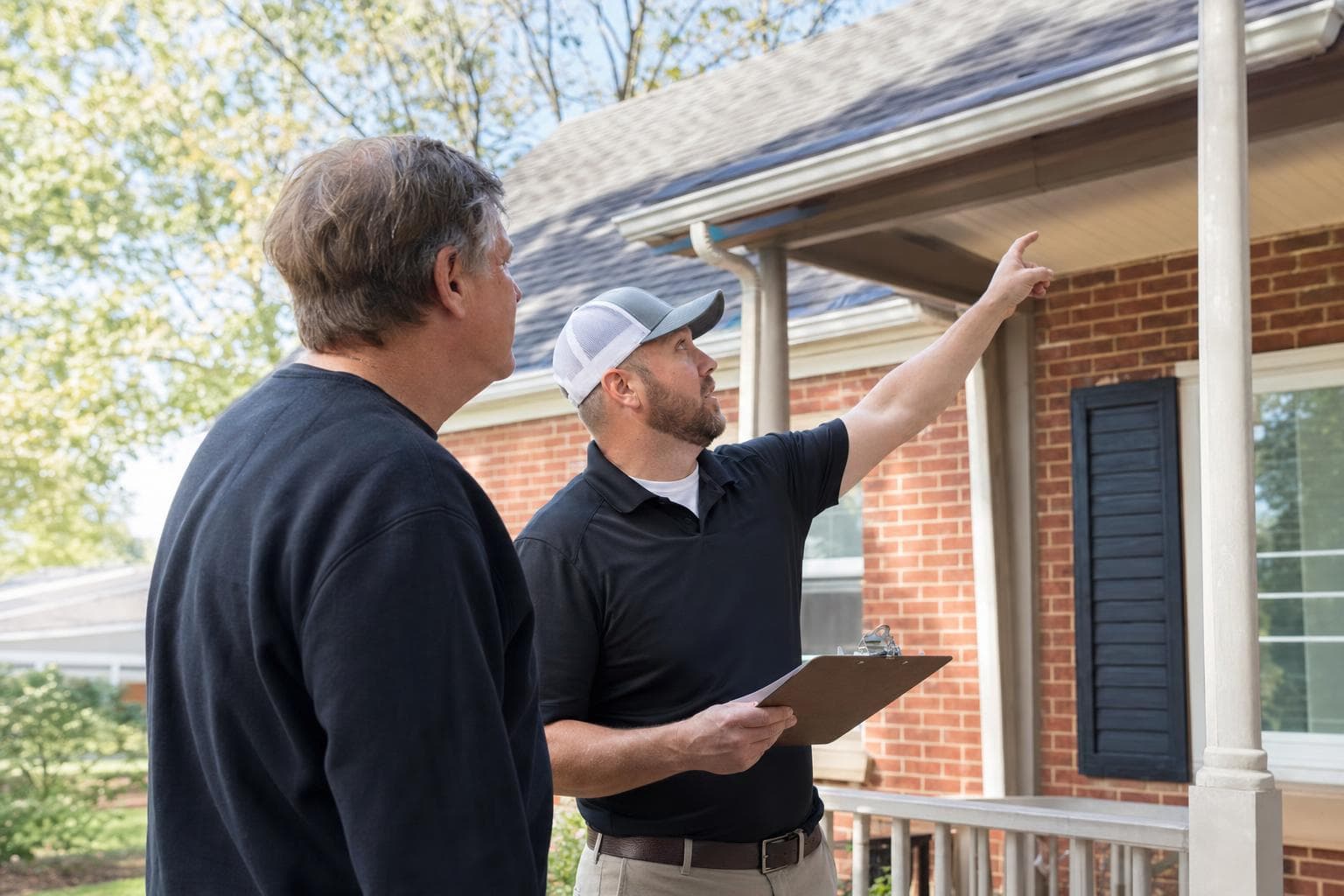
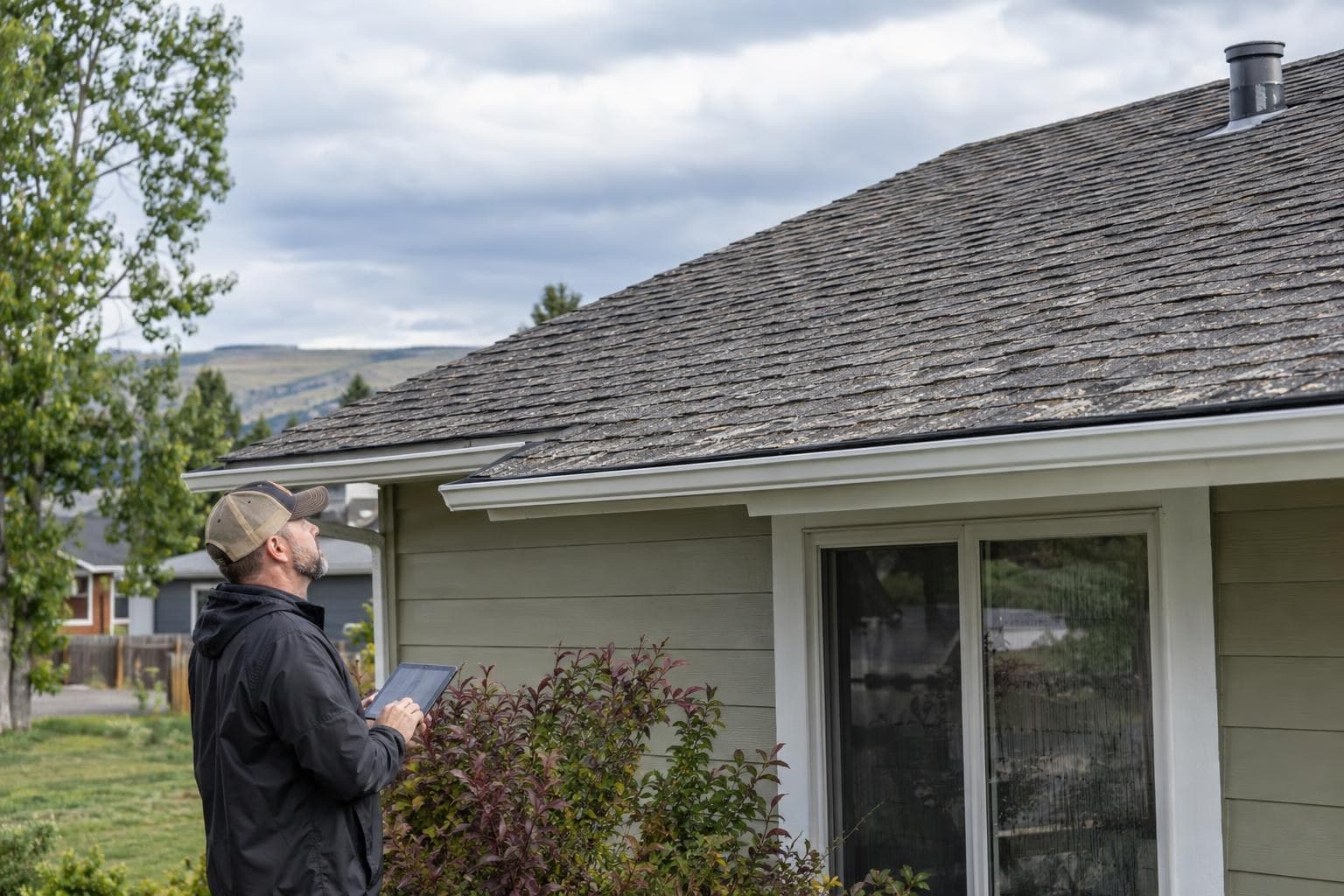
Schedule one when your roof shows wear, after major storms, or when you are deciding between repair and replacement. In Florida, small roof issues can turn into interior damage fast because wind-driven rain finds weak points quickly. An inspection helps you catch lifted shingles, flashing problems, seal failures, soft decking, and storm damage before the next weather event opens them up further. If your roof is showing multiple warning signs at once, do not wait for an active leak to tell you the answer.
Sources reviewed
- Citizens Property Insurance Corporation (state insurer of last resort)
- Florida Building Commission / Florida Building Code (HVHZ)
- UL Solutions: UL Solutions and IBHS Drive Trust in Residential Roofing Shingles
- Asphalt Roofing Manufacturers Association: Residential Asphalt Roofing Manual: Ventilation Best Practices
- Insurance Institute for Business & Home Safety: Natural Weathering and Hazard Exposure
Plan with current pricing
Related services
Updated July 27, 2026
3D Roofs Editorial Team
Editorial Standards