Updated July 10, 2026

3D Roofs Editorial Team
Editorial Standards
A shingle roof in Iowa can last for years, but the plain answer is that Iowa weather often shortens roof life compared with milder places. Iowa roofs take a steady beating from hail, wind, rain, and freeze-thaw weather swings. That constant stress can loosen shingles, crack aging materials, wear away granules, and turn small storm damage into leaks if it sits too long. If you want your roof to last as long as possible, the biggest factors are storm exposure, roof quality, ventilation, installation quality, and how quickly you handle repairs after damage shows up.
How long does a shingle roof last in Iowa?
The direct answer is that a shingle roof in Iowa may not reach the same lifespan you might expect in a gentler climate, because repeated hail, wind, heavy rain, and freeze-thaw swings speed up wear. That does not mean every roof fails early. It means your roof lifespan depends more on weather history and upkeep than on age alone. Two roofs installed the same year can age very differently if one has taken repeated hail hits, has poor attic ventilation, or has had minor damage left in place season after season.
What weather in Iowa shortens shingle roof life?
The short answer is that hail, wind, rain, and freeze-thaw cycles do the most to shorten roof life here. Hail can damage shingles, siding, windows, and outdoor structures, and it can also lead to interior leaks. Some storm damage is obvious right away, but some is subtle and does not show up until water intrusion starts later. Wind can lift or crease shingles and break the seal that helps keep water out. Rain then gets into weak points. Freeze-thaw swings make that worse by expanding and contracting materials over and over. In Iowa, prompt inspection, temporary protection like tarping when safe, and routine upkeep such as fixing loose shingles and cleaning gutters matter because they help stop small damage from turning into widespread failure.
What else makes shingles wear out faster?
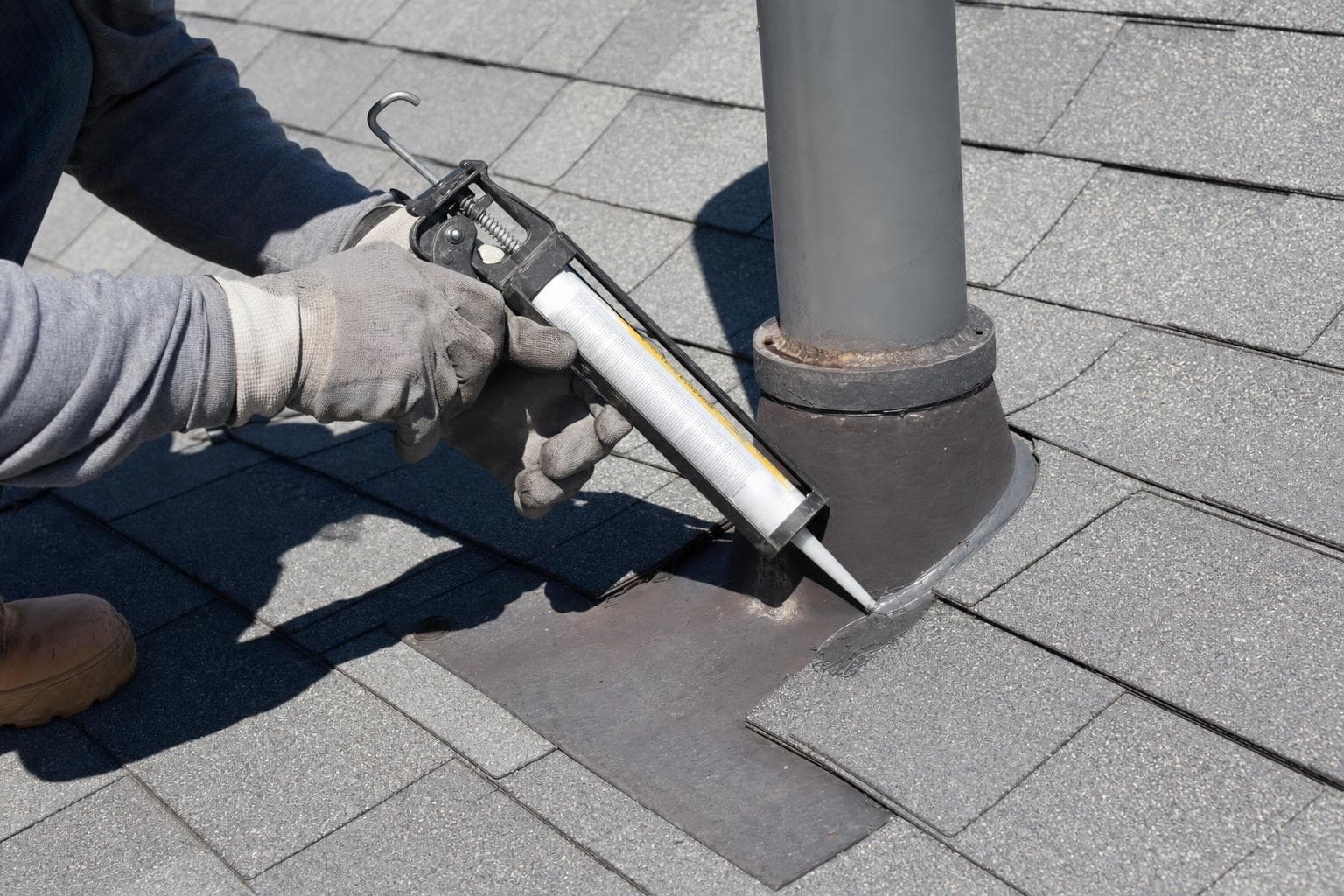
The direct answer is that neglect, poor drainage, and unresolved storm damage usually age a roof faster than homeowners expect. Clogged gutters can force water back toward the roof edge. Loose or missing shingles expose the layers below. Flashing problems around roof penetrations can let water in even when the shingle field still looks decent from the ground. Poor attic airflow can also add heat and moisture stress that speeds up shingle aging. In practice, roofs usually age out sooner when several small issues pile up together instead of one dramatic failure happening all at once.
Talk to a roofer today
Planning ranges, scope details, and a direct path to request a roofing quote.
How can you tell if your shingle roof is aging out?
The answer is that aging shingles usually start showing visible wear, recurring leaks, or repeated repair needs. Common signs include curling, cracking, missing shingles, bald-looking spots where granules have worn away, dark streaks tied to moisture retention, and shingles that look brittle instead of flexible. Inside the house, water stains on ceilings or in the attic can be the first clue that subtle storm damage has turned into a leak. If your roof keeps needing patchwork after storms, that can also be a sign the system is nearing the point where replacement makes more sense than another repair.
- Shingles that are curled, cracked, loose, or missing
- Granule loss that leaves shingles looking worn or patchy
- Leak stains in ceilings, walls, or attic spaces
- Repeated repairs after wind or hail events
- Damaged flashing or roof penetrations
- Sagging areas or soft spots that suggest trapped moisture
Should you repair storm damage quickly or wait and see?
You should deal with possible storm damage quickly, because waiting often gives water more time to get in. After a storm, your roof can have visible hits or more subtle damage that shows up later as water intrusion. That is why a prompt inspection matters in Iowa. Temporary protection like tarping, when safe, can help limit interior damage while you line up next steps. If the roof is too worn or damage is widespread, a replacement may be the better long-term move.
When does replacement make more sense than another repair?
The answer is that replacement usually makes more sense when damage is widespread, leaks keep returning, or the roof has aged to the point that repairs only buy a little time. If multiple slopes show storm hits, shingle loss, or brittle materials, another isolated repair may not solve the larger problem. In Iowa, replacement timing also matters because repeated storms can keep exposing weak spots. When planning a shingle condition and replacement plan in Iowa, ask how roof shape, staging, weather, inspections, and concealed deck conditions affect both duration and labor. Ask how pitch changes fall protection, staging, access, and production for a shingle condition and replacement plan in Iowa; the adjustment should come from the job plan, not a universal percentage.
What does a new roof cost in Iowa if your shingles are worn out?
The direct answer is that current local cost ranges in Iowa depends on the material you choose. Use the current Iowa cost page and calculator to plan a shingle condition and replacement plan in Iowa, then require the measured scope to explain any meaningful difference. If hail is a concern where you live, the Iowa Insurance Division says upgrading to Class 4 impact-resistant shingles can significantly reduce the risk of roof damage and may also qualify for insurance discounts. Do not assume a statewide Class 4 credit in Iowa; ask the carrier to verify eligibility and paperwork for the exact product and policy. Ask your carrier what discount, if any, it offers, because carriers set their own discounts.
What should you do after hail or wind damage in Iowa?
The answer is to document the damage, prevent further water intrusion if you can do so safely, and line up inspection and estimates. The Iowa Insurance Division says you should understand your insurance coverage before filing a claim because policies may have exclusions or specific deductibles for hail damage, and claim filing deadlines. If damage appears to be over your deductible, contact your insurance agent or company to file a claim. The Division also advises you to take photos and videos of the affected areas and provide the insurance company with a detailed description of the damage along with that documentation. If you bought tarps or other materials to mitigate further damage, save receipts so you may be reimbursed later.
How do you choose the right roofer for an Iowa roof inspection?
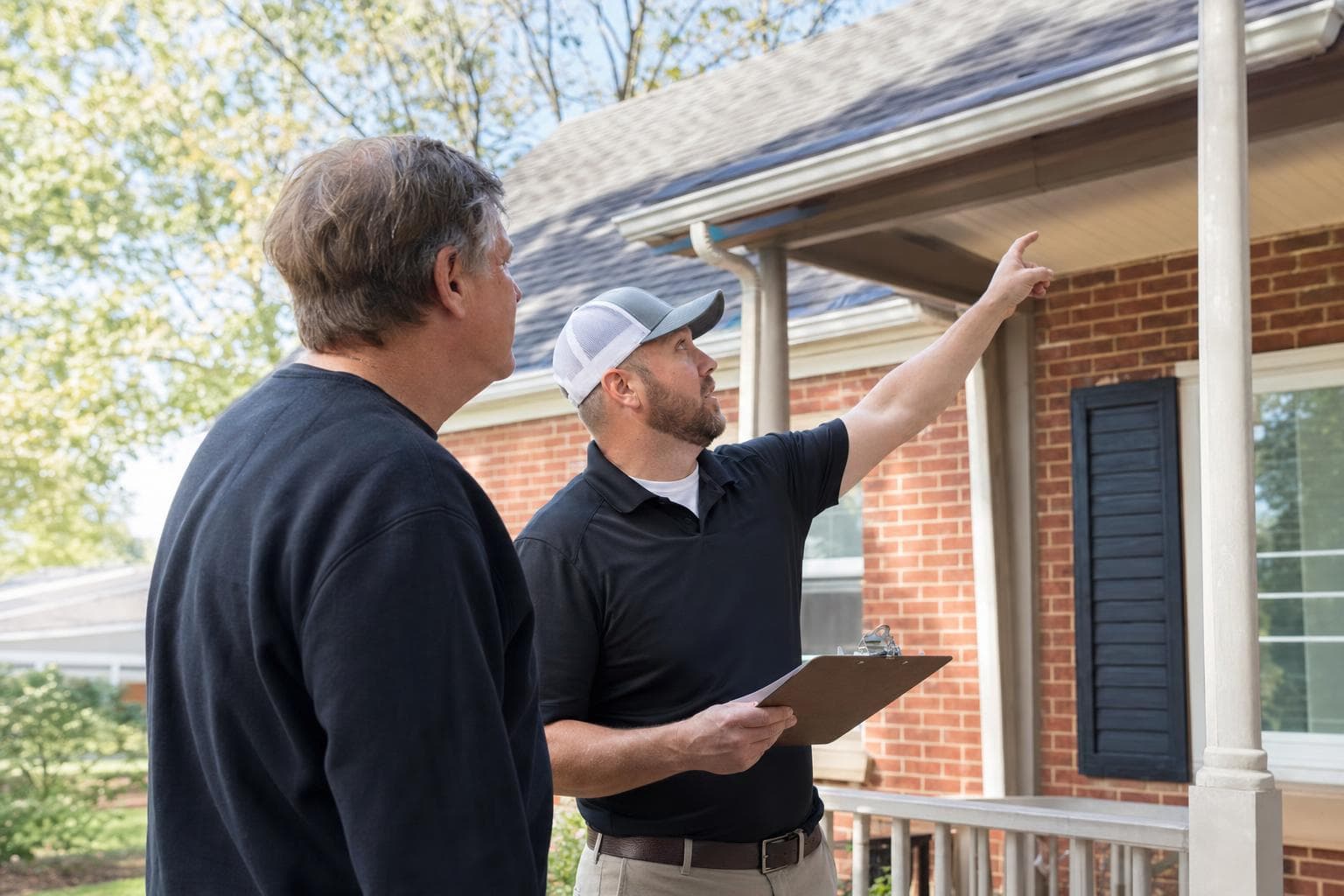
The direct answer is to look for a qualified local roofing contractor, confirm the roofer is registered with the state, and choose someone you know and trust. In Iowa, roofers fall under the state's contractor registration system for construction contractors, so checking state registration is a smart first screen. It is also advisable to seek estimates from at least two registered contractors for repair costs. During an insurance claim, a contractor may inspect damage, prepare an estimate and scope of work, recommend that you file a claim, attend the insurer's inspection, and answer questions about the estimate. But only the insured, an attorney, or a licensed public adjuster can negotiate on behalf of the insured. A contractor can estimate and inspect, but cannot act as your public adjuster. That is a useful line to keep in mind when comparing roofers after a storm.
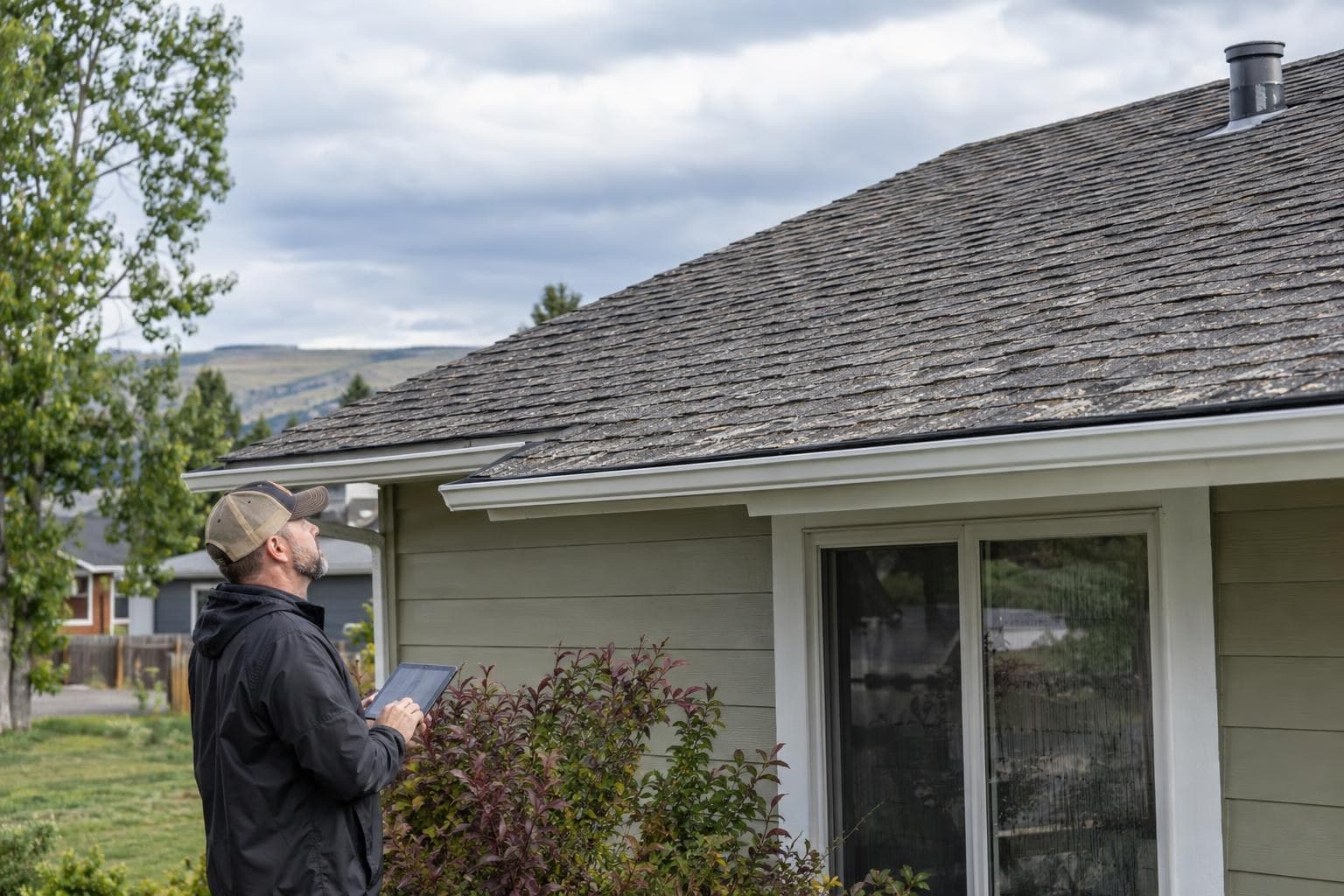
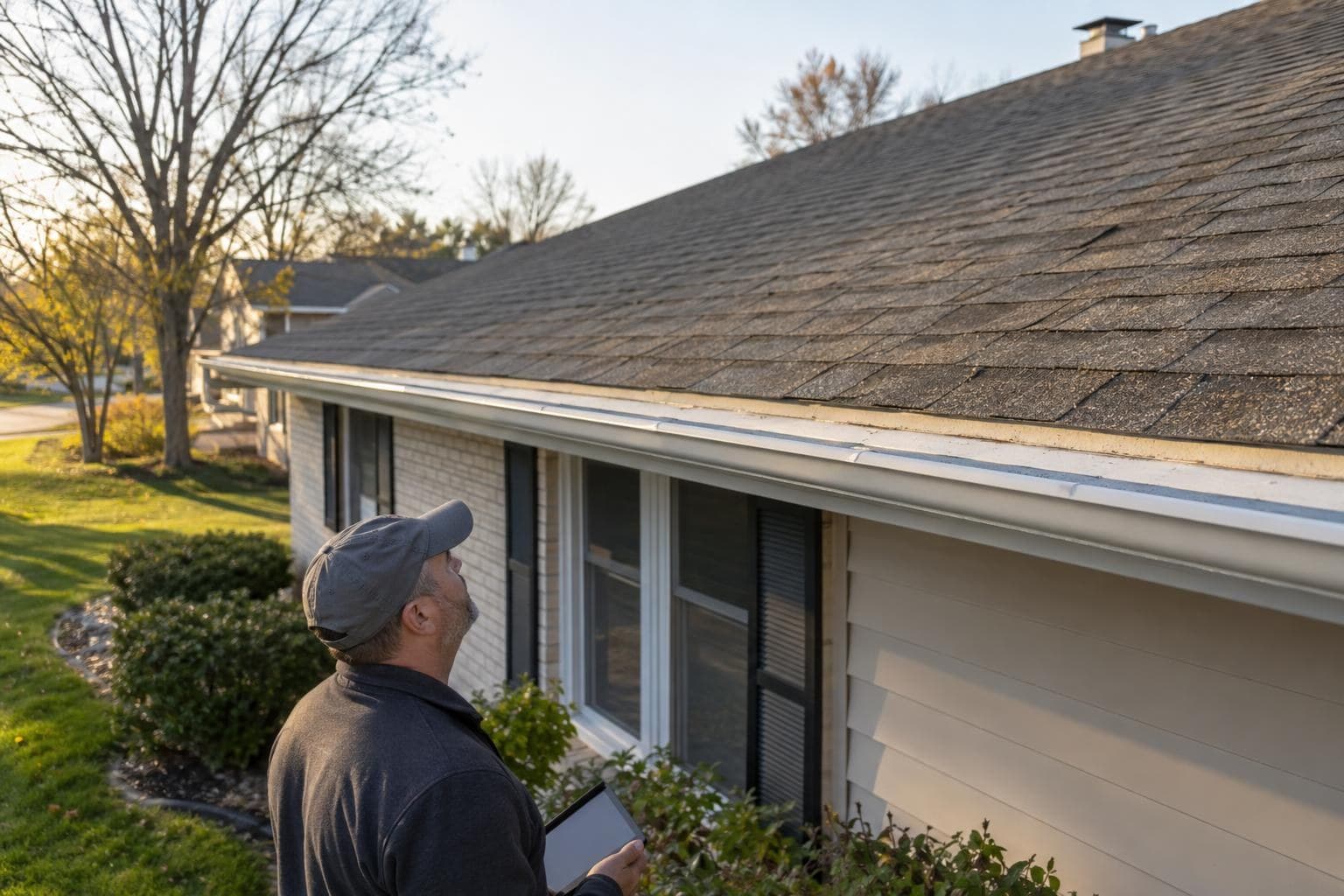
If you are wondering whether your shingle roof still has life left, the practical next step is an inspection focused on storm wear, weak flashing, drainage issues, and signs of water intrusion. In Iowa, roofs often age by accumulation, not just by birthday. A few loose shingles, some hidden hail damage, and one bad freeze-thaw season can push an older roof past the point where it is dependable. If you catch those issues early, a repair may be enough. If the roof is aging out across multiple areas, replacement may protect your home better and give you a clearer long-term cost.
Sources
- Asphalt Roofing Manufacturers Association: Residential Asphalt Roofing Manual: Ventilation Best Practices
- Insurance Institute for Business & Home Safety: Natural Weathering and Hazard Exposure
- Iowa Insurance Division, April Consumer Connection: Hail Claims
- Iowa Insurance Division, Guidance for Contractors and Public Adjusters
Reviewed technical references for Iowa
Related Iowa roofing guides
Related services
Updated July 10, 2026
3D Roofs Editorial Team
Editorial Standards