Updated July 27, 2026

3D Roofs Editorial Team
Editorial Standards
A shingle roof in Kentucky can last a long time, but the state’s weather can cut that lifespan short. Kentucky roofs have to deal with severe weather, including tornado events called out by the state, along with the normal cycle of wind, rain, hail, and temperature swings that wear shingles, flashing, and roof penetrations over time. That means your roof’s real lifespan depends less on the shingle label and more on storm exposure, attic conditions, installation quality, and how quickly you deal with small damage before it spreads.
How long does a shingle roof last in Kentucky?
The short answer is, your shingle roof lasts until Kentucky weather and normal aging start breaking down the parts that keep water out. In practical terms, asphalt shingles in Kentucky usually age based on repeated wind, rain, hail, and temperature swings, not just the calendar. If your roof has taken storm hits over the years, has weak ventilation, or has older flashing around vents and chimneys, it can age out sooner than you expect. If it has been maintained well and storm damage has been handled correctly, it can stay serviceable much longer.
What makes a shingle roof wear out faster in Kentucky?
The biggest answer is storm exposure and heat cycles. Kentucky roofs take repeated hits from wind-driven rain, hail, and strong storm systems, and the state specifically calls out tornado events as part of its severe weather pattern. Over time, that kind of weather loosens shingles, weakens seals, damages flashing, and creates small openings around roof penetrations. Once that starts, water gets more chances to move under the roof system.
- Wind can lift shingle edges and break the seal that helps keep water out.
- Hail can bruise or crack shingles, even when damage is not obvious from the ground.
- Temperature swings expand and contract roofing materials, which can stress shingles, flashing, and sealants.
- Heavy rain finds weak spots fast, especially around vents, chimneys, valleys, and pipe boots.
- Poor attic ventilation can trap heat and moisture, which can age shingles from below and raise the chance of deck problems.
- Delayed repairs let small failures turn into bigger leaks, decking issues, and interior damage.
What parts of the roof usually fail before the shingles do?
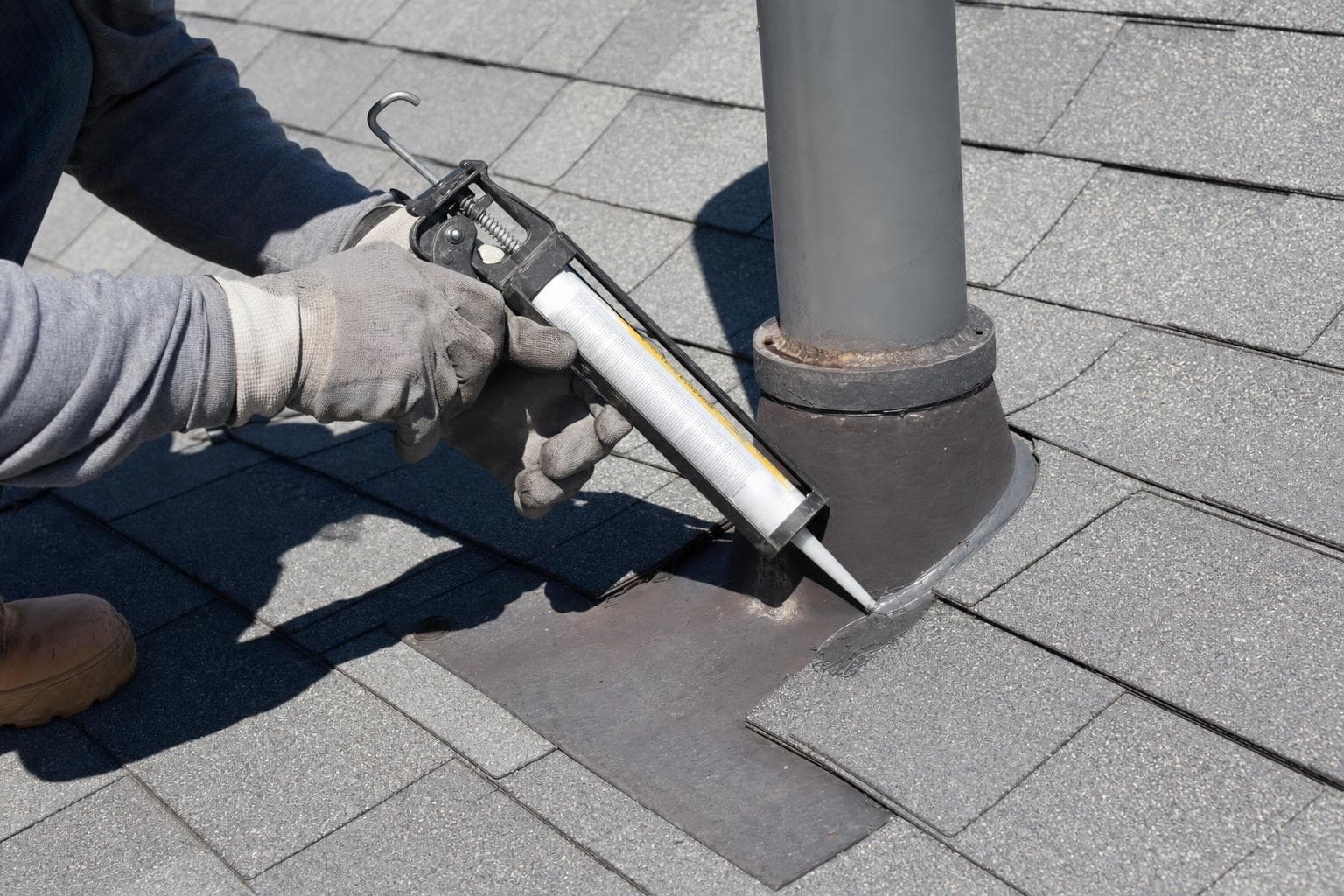
The direct answer is, the weak points are often the accessories and transitions. Even if most of your shingles still look decent, flashing, pipe boots, ridge components, sealants, and other penetrations may be closer to failure. In Kentucky, where wind and rain cycles are constant, those details often show wear first. That is why a roof can leak even when the field shingles still look acceptable from the yard.
This is also why an inspection matters. You may not need a full replacement just because one area is failing. For current Kentucky planning prices related to shingle roof lifespan, use the cost guide and calculator, then compare the contractor's property-specific written scope. But if the problem is spread across multiple areas, or if repeated repairs are stacking up, replacement may be the smarter move.
Talk to a roofer today
Planning ranges, scope details, and a direct path to request a roofing quote.
How can you tell when your shingle roof is aging out?
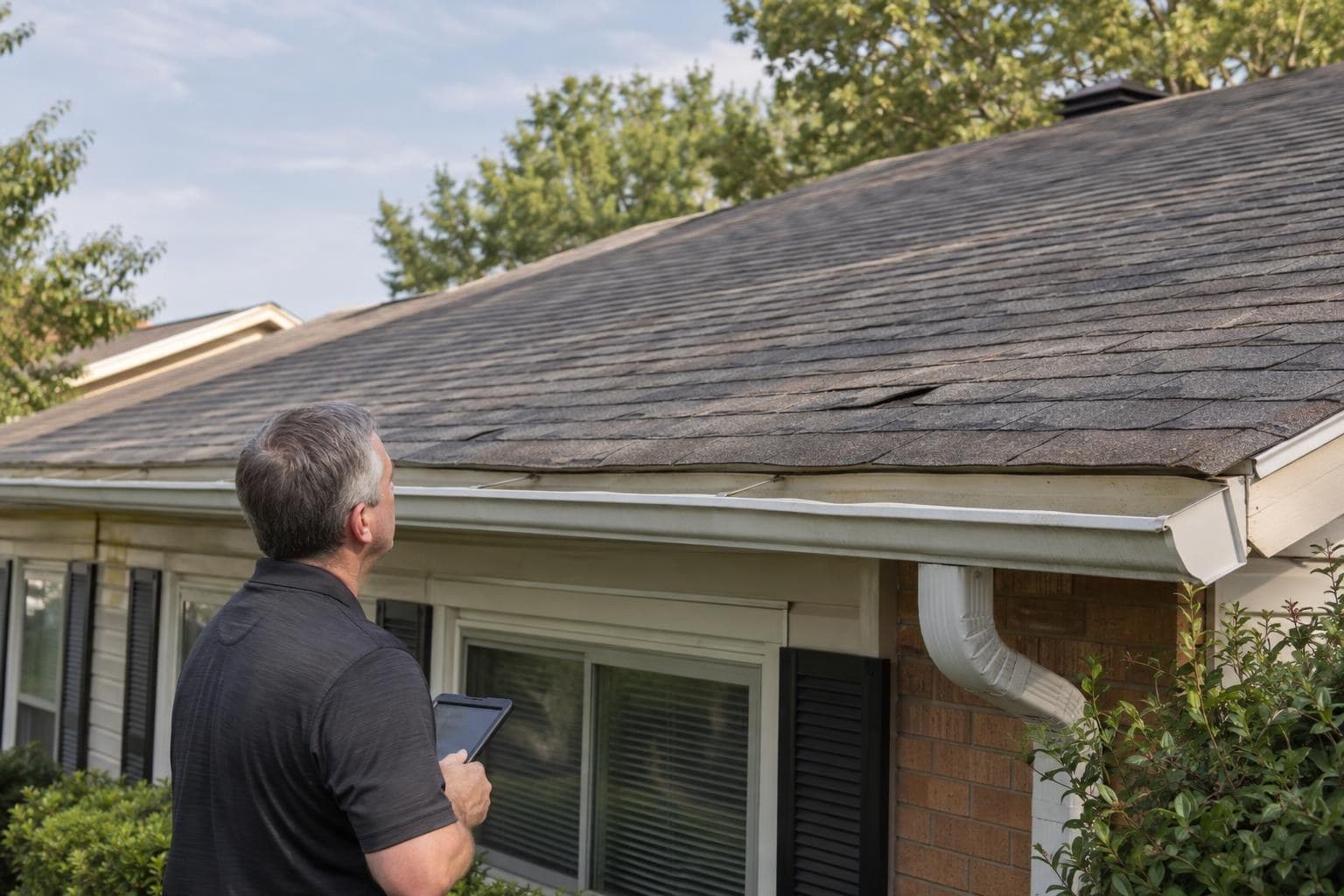
The clearest answer is, your roof is aging out when wear shows up in several places at once and repairs stop being a clean long-term fix. One missing shingle after a storm is one thing. Widespread granule loss, repeated leaks, curling tabs, loose flashing, and multiple patch areas point to a roof that is near the end of its dependable life.
- Shingles are curling, cracking, or losing tabs.
- You see bald spots or heavy granule loss.
- Leaks keep returning after repairs.
- Flashing looks loose, rusted, or poorly sealed.
- Pipe boots and roof penetrations show visible wear.
- There are soft spots, stains, or moisture signs in the attic.
- Storm damage appears across more than one roof slope.
- Your roof has many repair areas from different storms over the years.
Should you repair or replace an aging shingle roof?
The answer depends on whether the damage is isolated or widespread. If the roof has one problem area and the rest of the system is still in solid shape, a repair may buy you more time. If storm wear, shingle aging, and flashing failures are showing up together, replacement usually gives you a more reliable result. For shingle roof lifespan in Kentucky, ask the contractor to put the expected working days and weather plan in writing; timing depends on roof size, material, access, crew scheduling, and conditions found after tear-off.
For shingle roof lifespan in Kentucky, treat a steep or difficult-to-access roof as a scope variable that the contractor should measure and price explicitly.
Is a Class 4 shingle worth considering in Kentucky?
For many Kentucky homeowners, yes, it is worth considering because hail and storm exposure are part of the equation. A Class 4 shingle may make sense if you plan to stay in the home and want better impact resistance than a standard architectural shingle. For shingle roof lifespan in Kentucky, any insurance credit depends on the carrier, policy, address, and exact product; get the amount and documentation requirements from the insurer in writing. Ask your insurer whether it offers a homeowners insurance discount for that roofing material.
The bigger point is durability planning. If your current roof is aging out because of repeated storm hits, upgrading to a tougher shingle may help you reduce future damage risk. It will not stop every problem, but it can be a smart step if your area sees regular hail or wind events.
What should you do after a Kentucky storm if you think your roof is near the end?
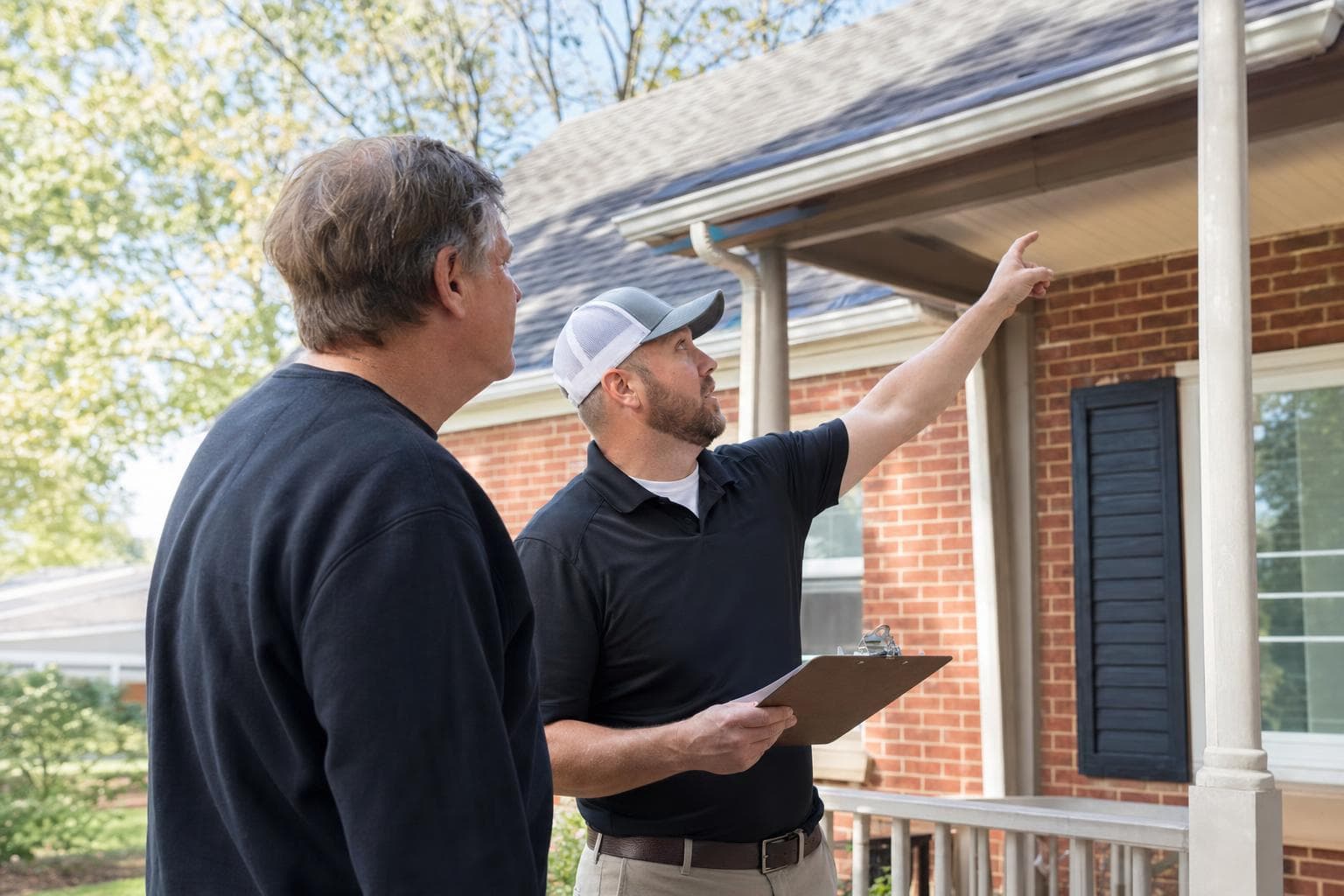
The first move is to get the roof inspected before you commit to a rushed repair or replacement. After major storms, the bigger risk is often rushed hiring and temporary repairs that eat into your claim funds before permanent work is planned well. If your roof is already older, storm damage can push it from repairable to replacement territory, but you want that decision based on the actual condition of the roof, not pressure at the door.
- Get written estimates from at least three contractors.
- Ask for past customer references.
- Make sure the roofer comes to your home to assess the job.
- Insist on a written, detailed contract covering the work, materials, payment terms, start date, and approximate completion date.
- Be wary of large deposits, door-to-door pitches, pressure to sign on the spot, requests to sign over insurance checks, or documents that give the contractor rights to your insurance claim.
- The Kentucky Department of Insurance tornado relief guidance says: "DO NOT PAY UPFRONT - do not pay out any funds until the work has been completed and meets your standards of satisfaction."
- The same guidance says to insist on a written contract that includes a description of the work, total cost and completion date.
- If a contract came from a home solicitation sale, the Kentucky Attorney General says you have "three business days to cancel contracts which result from a home solicitation (door-to-door) sale of an amount that must be confirmed for the written scope or more and/or which result in a lien against the home unless the work is done on an emergency basis."
- Be careful with advance payments for materials, because the Kentucky Attorney General explains that subcontractors or material suppliers may be able to collect from you or place a lien on your property if they are not paid, even if you already paid the contractor.
When is the right time to schedule a roof inspection?
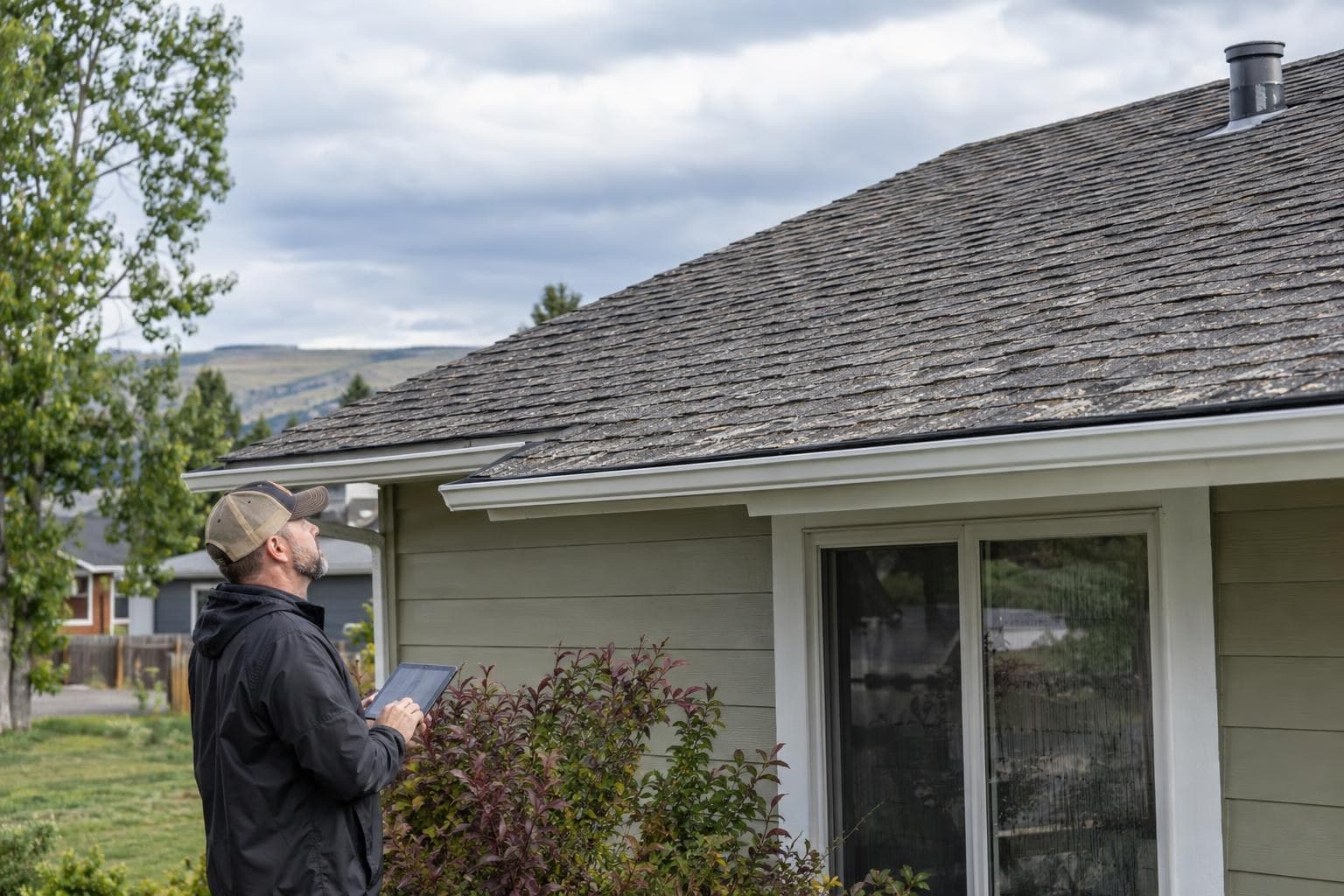
The best time is before a leak turns urgent. If your shingle roof is showing visible wear, has gone through recent storms, or has needed more than one repair, now is the time to have it looked at. A roof inspection can tell you whether you still have useful life left, whether a repair is enough, or whether replacement will save you from ongoing damage and repeat costs. If claim handling problems come up, Kentucky's Division of Consumer Protection handles consumer complaints against homeowners insurance and also takes complaints regarding the actions of an agent or agency.
If you think your roof may be aging out, the smart move is simple: get a clear inspection, compare repair versus replacement, and choose the option that protects your home for the long run. A roofing contractor you are considering can help you understand what is normal wear, what is storm damage, and what needs action now.
Kentucky roofing costs
Sources reviewed
- Kentucky Attorney General, Contractor Registration Program
- Kentucky Attorney General, Home Repair and Improvement
- UL Solutions: UL Solutions and IBHS Drive Trust in Residential Roofing Shingles
- Asphalt Roofing Manufacturers Association: Residential Asphalt Roofing Manual: Ventilation Best Practices
- Insurance Institute for Business & Home Safety: Natural Weathering and Hazard Exposure
Related services
Updated July 27, 2026
3D Roofs Editorial Team
Editorial Standards