Updated July 27, 2026

3D Roofs Editorial Team
Editorial Standards
A shingle roof in Maine can last a long time, but the real answer is that Maine weather often shortens roof life compared with milder places. Snow load, wind-driven rain, freeze-thaw cycles, and storm debris all put steady stress on shingles, flashing, and roof penetrations. In coastal areas, wind exposure and salt air can add more wear. In wooded parts of the state, falling limbs and tree impact are also part of the risk picture. If you want the longest life from your roof, the big things are durable materials, clean flashing details, and attic ventilation that helps manage moisture and winter ice issues.
How long does a shingle roof last in Maine?
It depends on the shingle, the installation details, and how much weather exposure your home gets, but Maine conditions can age a roof faster when small issues are left alone. A roof that handles water well and has strong flashing and ventilation will usually outlast one with weak details around chimneys, valleys, plumbing vents, and skylights. If your home sees heavy winter weather, repeated freeze-thaw swings, or a lot of tree debris, your roof may show wear sooner than you expect. That is why regular inspections matter here, especially after storms and at the end of winter.
What makes shingles wear out faster in Maine?
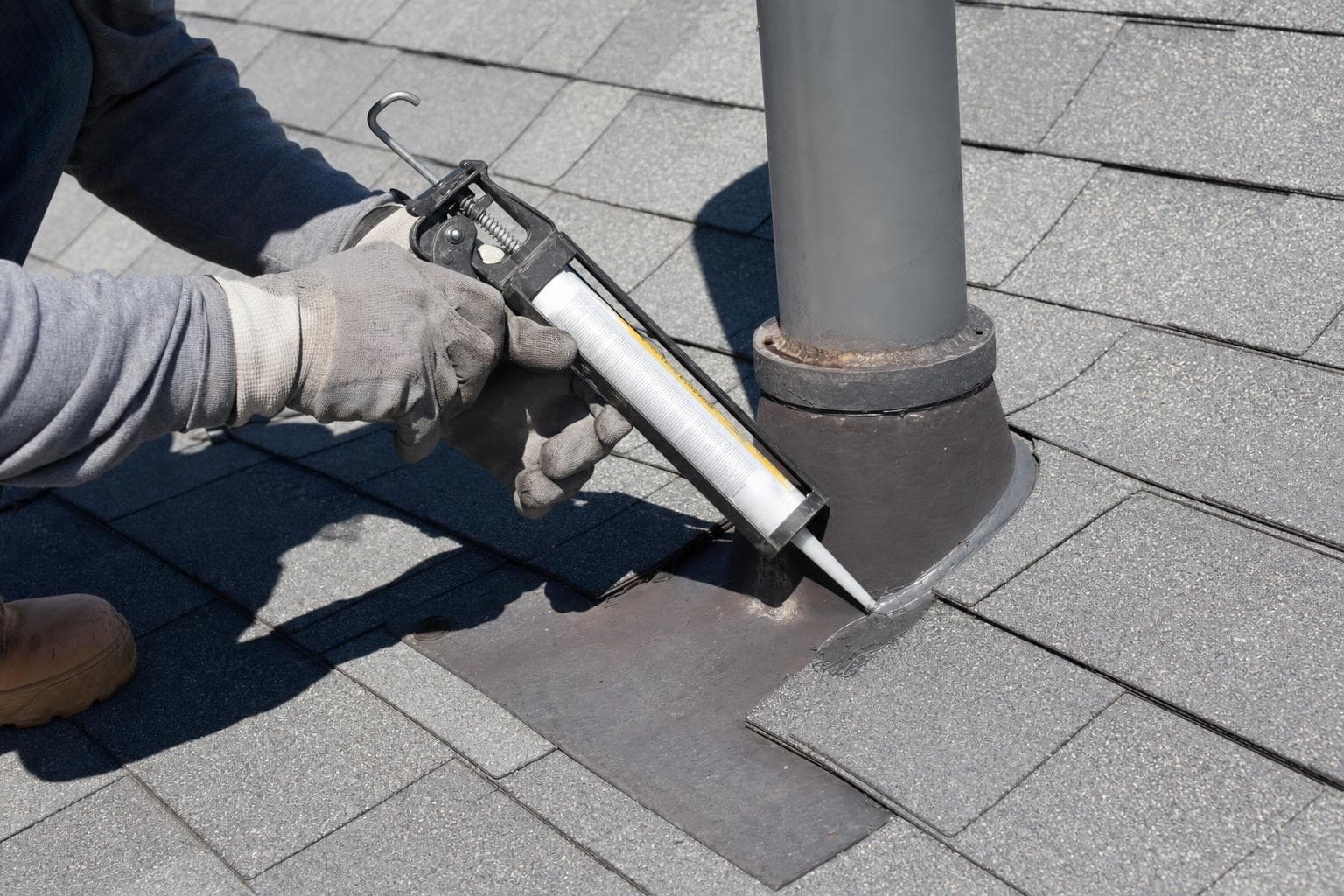
The short answer is moisture, temperature swings, wind, and impact. Maine roofs deal with snow load, wind-driven rain, freeze-thaw cycles, and storm debris. Those conditions can loosen shingles, open pathways for water at flashing and roof penetrations, and turn small defects into interior leaks. Coastal exposure can add more wind stress and salt-related wear. Tree cover can also shorten roof life by dropping limbs, scraping the roof surface, and keeping sections shaded and damp longer.
- Freeze-thaw cycles can widen small cracks and gaps around shingles and flashing.
- Wind-driven rain can push water into weak spots around roof penetrations and wall connections.
- Snow and ice can hold moisture on the roof longer, which raises the chance of leak development.
- Storm debris and falling limbs can bruise, crack, or dislodge shingles.
- Poor attic ventilation can trap moisture and make winter ice issues worse.
What are the first signs a shingle roof is aging out?
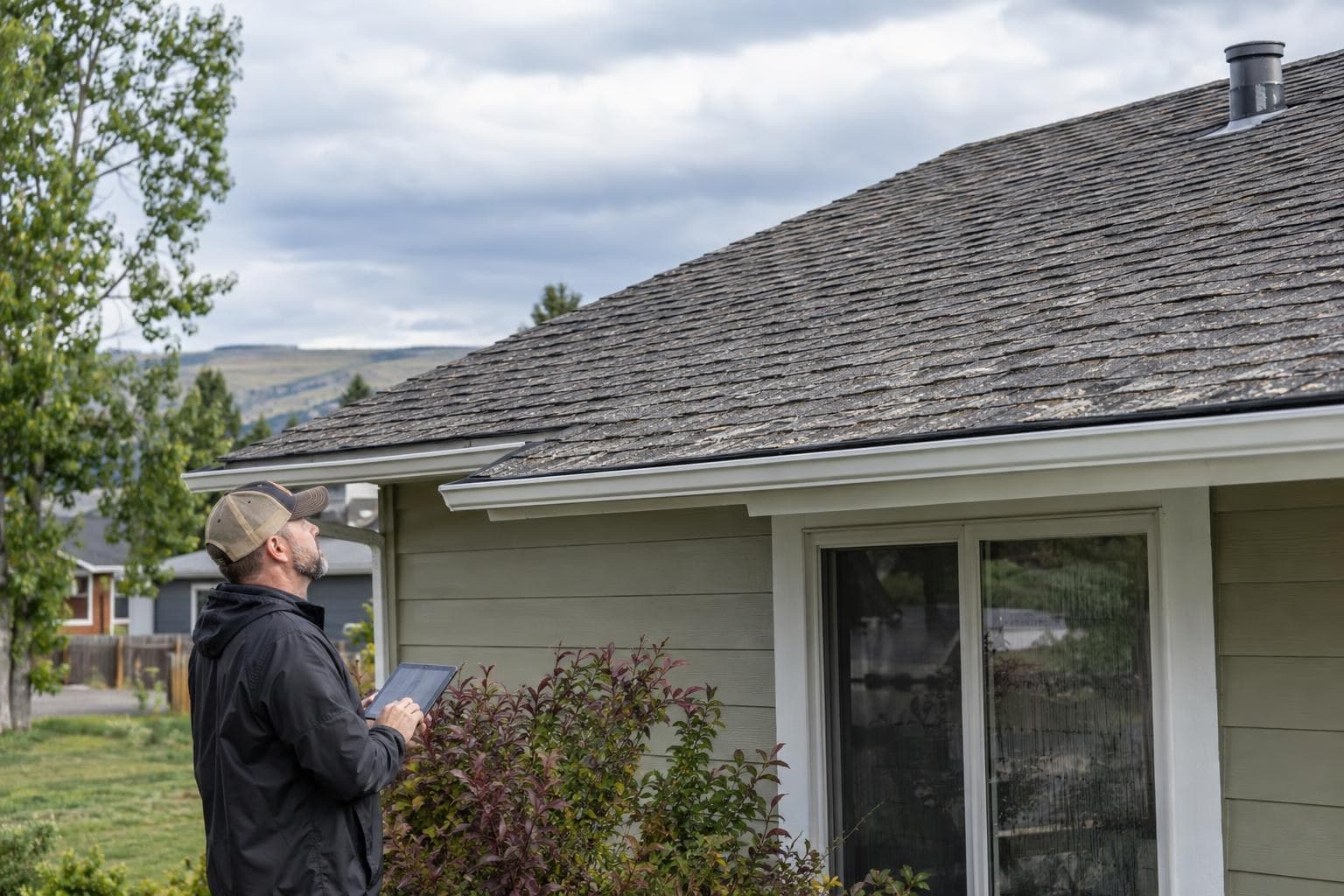
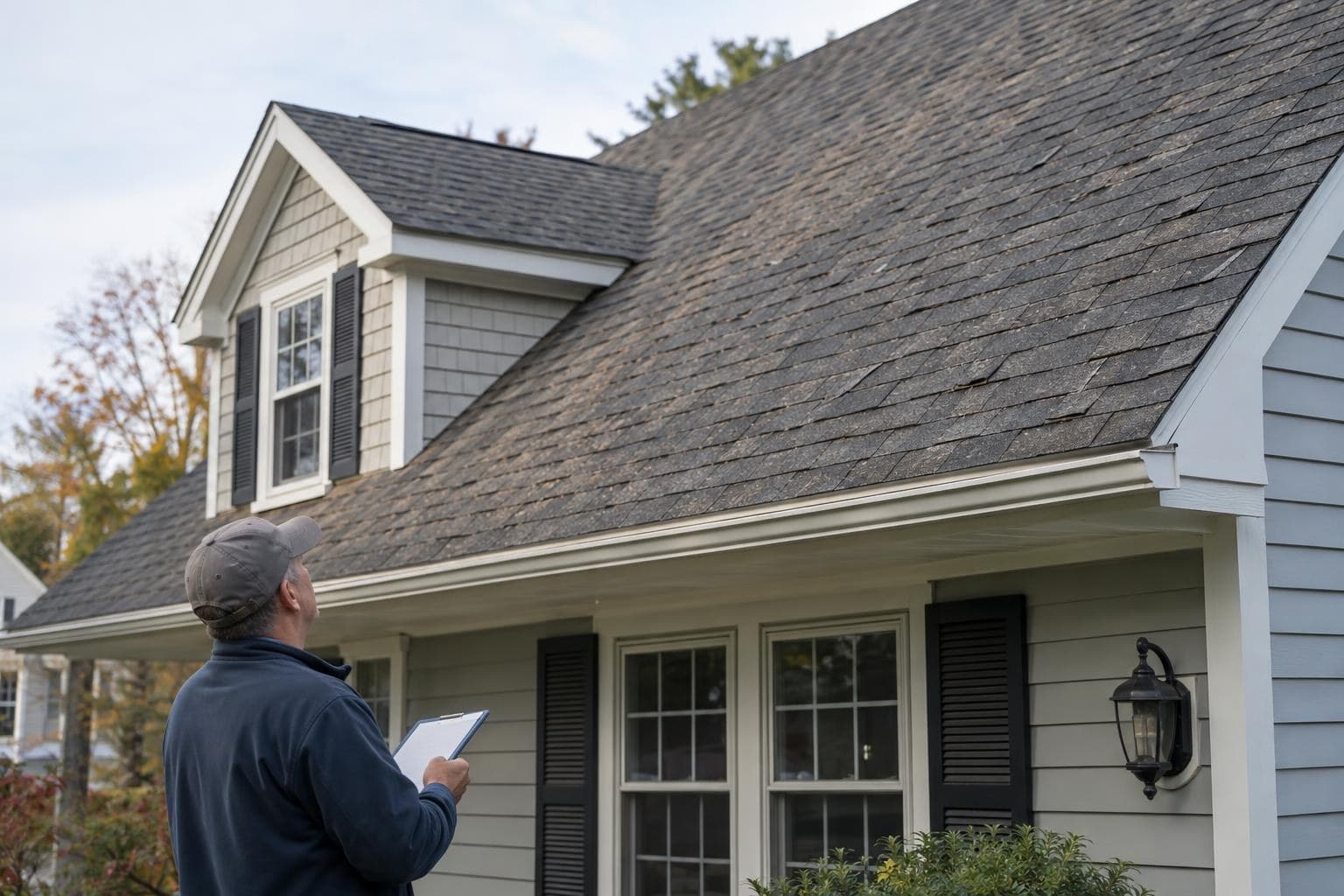
The first signs are usually not dramatic. You may see missing, lifted, curling, or cracked shingles. You may also notice shingle granules collecting in gutters, exposed nail heads, worn areas around valleys, or flashing that looks pulled loose. Inside the house, water stains on ceilings or around chimneys and vent pipes can be an early warning that a small roof defect has turned into a leak path. In Maine, these signs matter because weather can turn a minor opening into a larger leak fast.
Talk to a roofer today
Planning ranges, scope details, and a direct path to request a roofing quote.
How do you know if you need a repair or a full replacement?
If the problem is limited and the rest of the roof is still in good shape, a repair may make sense. For current Maine planning prices related to shingle roof lifespan, use the cost guide and calculator, then compare the contractor's property-specific written scope. If wear is spread across many areas, if leaks keep returning, or if the shingles and flashing are broadly failing together, replacement is often the better long-term move. For shingle roof lifespan in Maine, ask the contractor to put the expected working days and weather plan in writing; timing depends on roof size, material, access, crew scheduling, and conditions found after tear-off. For shingle roof lifespan in Maine, treat a steep or difficult-to-access roof as a scope variable that the contractor should measure and price explicitly.
If you are replacing a roof in Maine, it often makes sense to look beyond the lowest upfront number and focus on durability, flashing quality, and ventilation details that help the roof hold up in winter.
Are coastal homes and wooded lots harder on a Maine roof?
Yes, both settings can shorten roof life, just in different ways. Coastal homes often see more wind exposure and salt air, which can add wear over time. Homes in wooded areas face more debris, branch impact, and shaded roof sections that stay damp longer. That does not mean your roof will fail early, but it does mean your roof may need more frequent inspection and faster attention when small damage shows up.
Can better materials help a shingle roof last longer in Maine?
Yes, stronger materials can help, especially when paired with solid installation details. If you are comparing shingles during a replacement, Class 3 and Class 4 options are worth asking about in Maine because storm debris and impact are part of the risk picture. If you are considering a Class 4 impact-resistant shingle, ask your carrier whether it offers a homeowners discount for that product and what documentation it requires. Discounts are set by each carrier and policy, so you should not assume a standard savings amount. A roofing contractor you are considering can help you gather product information for your insurer, but your carrier decides eligibility and any discount.
For shingle roof lifespan in Maine, any insurance credit depends on the carrier, policy, address, and exact product; get the amount and documentation requirements from the insurer in writing. That should not be the only reason to choose a product, but it can be part of the decision if you want more impact resistance and you plan to stay in the home for a while.
What should you do after storm damage in Maine?
The first step is to protect the house and document everything. Maine says homeowners and property insurance generally cover storm damage, including wind. For roof losses, homeowners policies generally will cover wind damage to the roof. Coverage for interior water damage can depend on the policy type. The most common policy will cover the interior water damage, while another type will only cover water damage to the structure if the wind has made an actual opening through the roof or wall. Water damage to personal belongings caused by a windstorm is generally only covered if there is an actual opening through the roof or wall, unless you purchased additional coverage.
For shingle roof lifespan in Maine, coverage depends on the policy language, cause of loss, exclusions, and the insurer's decision; verify those terms in your own documents. Temporary repairs can include boarding up broken windows and covering holes in the roof. Keep your receipts to document to your insurer the cost of materials and labor. Permanent repairs must wait until the insurance adjuster has had a chance to inspect the damage, or the claim may be denied. If possible, take photos or videos before making repairs.
Maine says each claim may be subject to depreciation. The initial claim amount will be paid based on the actual cash value of the damaged property, which it describes as the replacement cost minus depreciation. If you purchased replacement cost coverage, the difference between the replacement cost and the actual cash value is typically paid once the company receives proof that the damaged property has been repaired or replaced.
What should you check before hiring a roofer in Maine?
Start with the paperwork and the scope. In Maine, general contractors, and trades such as roofing and framing, are not licensed or regulated by the state. That makes your own screening process important. Start with a detailed written estimate that clearly spells out cost, scope of work, and materials. If your project costs more than an amount that must be confirmed for the written scope, make sure you get the written contract Maine requires, with the total price, estimated start and end dates, description of work and materials, and warranty language required by state guidance. Ask that any change in scope or price be handled in a written change order signed by both sides.
Maine says a written contract is required for any home construction or repair work that costs more than an amount that must be confirmed for the written scope. The contract must include certain provisions, including the total contract price, estimated dates when the work will begin and end, a description of the work and materials, and an express warranty of good workmanship. The contractor cannot require more than 1/3 of the contract price as a down payment unless you both agree to exempt yourselves from that requirement. Any change in work or materials that changes the contract price must be stated in a written change order signed by both parties.
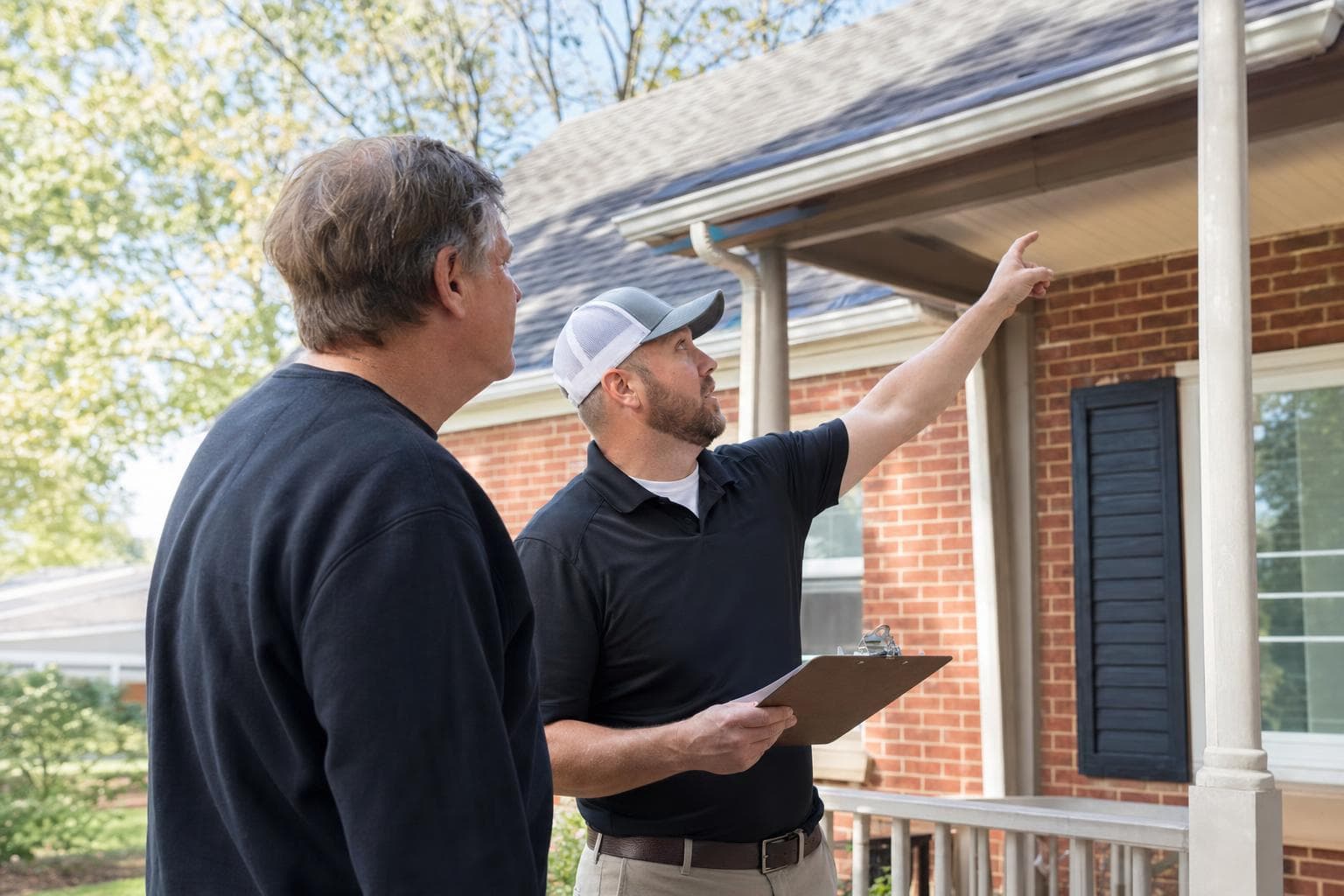
If storm damage is involved, ask your roofer for line-item detail that matches what your insurer will need. Maine says estimates and invoices should be detailed so the insurer can see that the work is in line with policy coverage. You should also keep photos, receipts, and all claim documents in one file. If you are trying to decide between repair and replacement, a roofing contractor you are considering can inspect the shingles, flashing, and ventilation and show you whether the problem is isolated or part of broader roof wear.
Maine roofing costs
Sources reviewed
- Maine Attorney General, Home Construction and Repair
- Maine Bureau of Insurance, Homeowners/Renters Claims
- UL Solutions: UL Solutions and IBHS Drive Trust in Residential Roofing Shingles
- Asphalt Roofing Manufacturers Association: Residential Asphalt Roofing Manual: Ventilation Best Practices
- Insurance Institute for Business & Home Safety: Natural Weathering and Hazard Exposure
Related services
Updated July 27, 2026
3D Roofs Editorial Team
Editorial Standards