Updated July 27, 2026

3D Roofs Editorial Team
Editorial Standards
A shingle roof in Mississippi can wear out faster than many homeowners expect because the climate is hard on roofing year after year. Hurricane-season wind and rain, high humidity, and intense sun for much of the year all work against asphalt shingles. That does not mean every roof fails early, but it does mean your roof needs regular inspection and quick attention after storms if you want the longest service life possible.
How long does a shingle roof last in Mississippi?
In Mississippi, a shingle roof often lasts as long as its condition allows under steady exposure to heat, humidity, sun, wind, and hail. The biggest point for you is this: local climate matters as much as the shingle itself. A roof that might hold up longer in a milder climate can age faster here because wind can lift shingles, hail can bruise them, flashing can get damaged quickly during a storm, and year-round heat and moisture can wear materials down over time. If you want a realistic answer for your home, judge the roof by its current condition, storm history, attic ventilation, and maintenance record, not by a generic lifespan label alone.
What Mississippi weather shortens shingle roof life?
The short answer is that Mississippi weather attacks a roof from several directions at once. Hurricane-season wind and rain can break the seal on shingles, lift tabs, and force water into weak spots. Hail can damage shingle surfaces and flashing in a single storm. High humidity can keep roofing components damp longer than they should be, which can speed wear. Intense sun and heat can dry out and age shingles over time. Even when a storm does not cause an obvious leak, it can still weaken the roof enough that the next storm does more damage.
- Wind can lift or crease shingles and expose nails or underlayment.
- Hail can bruise shingles and damage flashing.
- Humidity can trap moisture in roofing materials and attic spaces.
- Heat and strong sun can age shingles faster over time.
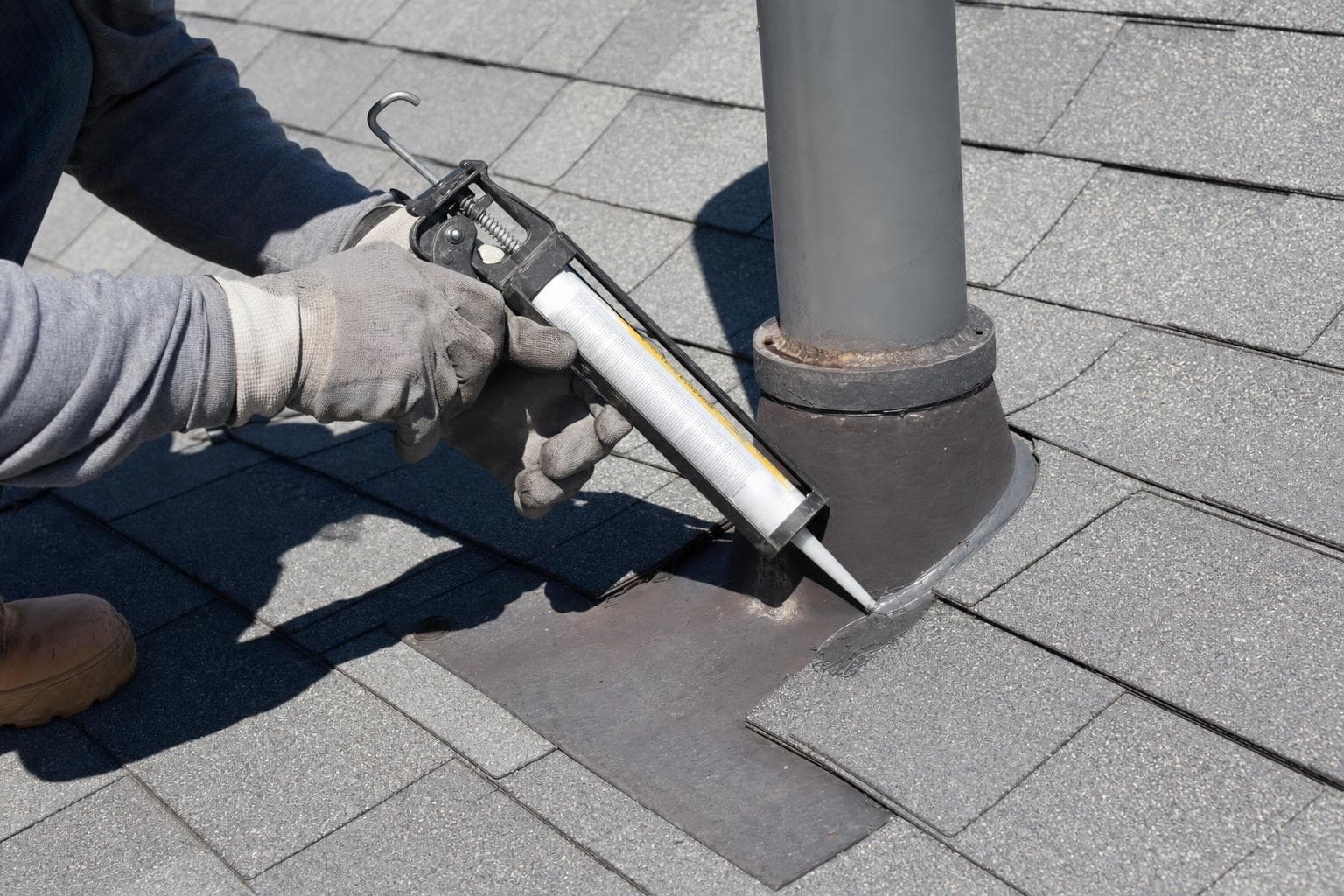
- Heavy rain can find small openings around flashing, vents, and valleys.
What else makes a shingle roof wear out sooner?
Poor installation details, weak attic ventilation, skipped maintenance, and delayed repairs can all shorten roof life. A roof does not have to be old to have problems if flashing was installed poorly or if ventilation allows heat and moisture to build up. Small issues also grow fast in Mississippi. A few loose shingles after a storm can turn into a leak, wood rot, or interior damage if they are ignored. For shingle roof lifespan in Mississippi, treat a steep or difficult-to-access roof as a scope variable that the contractor should measure and price explicitly.
Talk to a roofer today
Planning ranges, scope details, and a direct path to request a roofing quote.
How can you tell if your shingle roof is aging out?
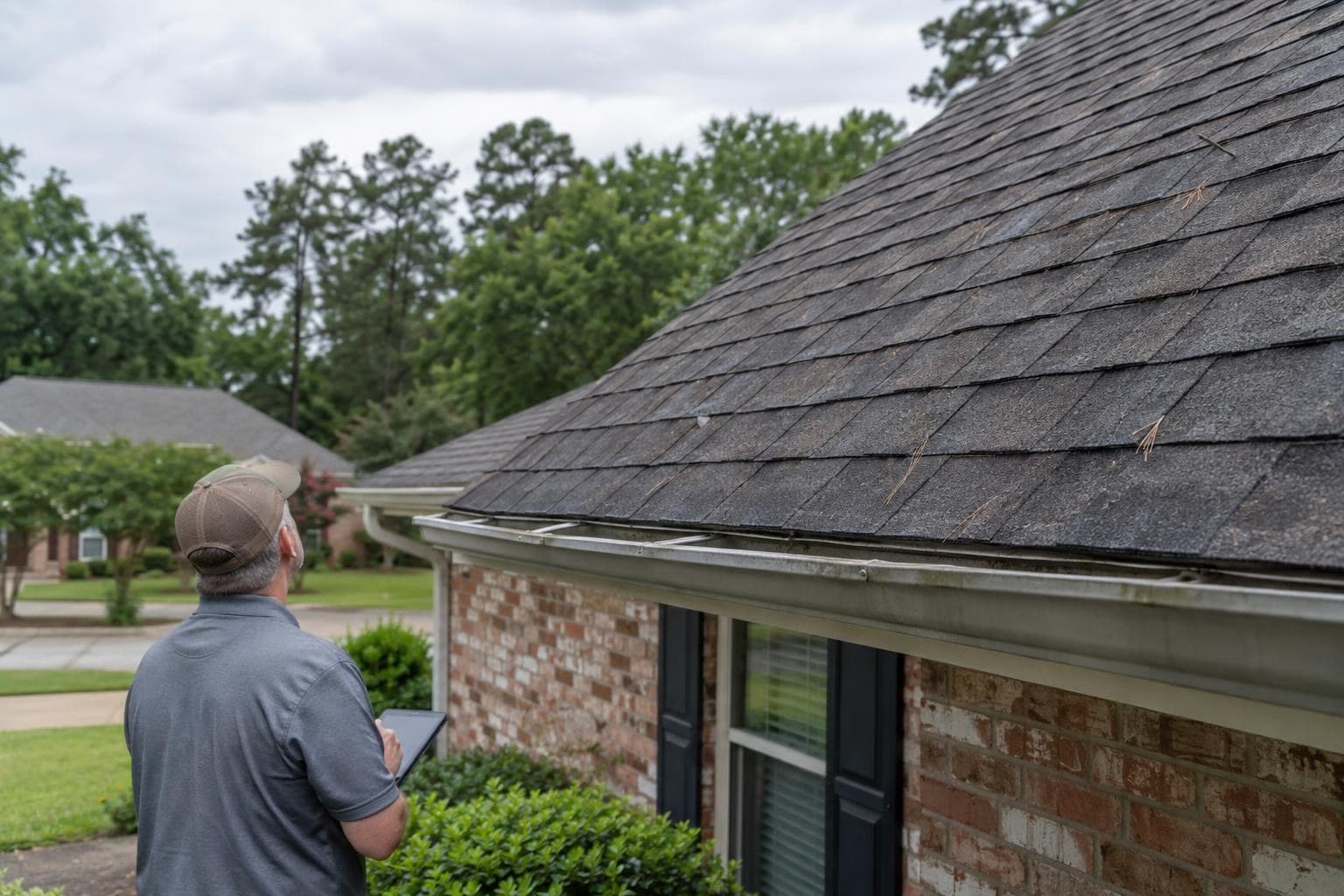
The clearest answer is visible wear that keeps showing up across more than one area of the roof. One isolated issue can often be repaired, but widespread wear usually means the roof is nearing the end of its useful life. If you are seeing repeated problems after storms or finding new trouble spots every inspection, your roof may be aging out rather than just needing one small fix.
- Shingles that are curling, cracking, or losing granules.
- Tabs that look lifted, loose, or creased after wind.
- Repeated leaks or water stains inside the home.
- Damaged or loose flashing around chimneys, walls, or vents.
- Soft spots, sagging sections, or signs of trapped moisture.
- A roof that needs frequent repairs after each major storm.
Should you repair the roof or replace it?
If damage is limited to a small area and the rest of the roof is still in solid shape, a repair may make sense. For current Mississippi planning prices related to shingle roof lifespan, use the cost guide and calculator, then compare the contractor's property-specific written scope. If damage is spread out, if leaks keep coming back, or if the shingles are worn across large sections, replacement is often the better long-term move. For shingle roof lifespan in Mississippi, ask the contractor to put the expected working days and weather plan in writing; timing depends on roof size, material, access, crew scheduling, and conditions found after tear-off.
Are impact-resistant shingles worth considering in Mississippi?
Yes, they are worth considering if your area sees hail or wind-driven storms and you want a tougher roof system. Class 4 shingles can be a practical upgrade when you are already replacing the roof. For shingle roof lifespan in Mississippi, any insurance credit depends on the carrier, policy, address, and exact product; get the amount and documentation requirements from the insurer in writing. You should ask your carrier whether it offers a premium discount or credit for that upgrade, and confirm what documentation it wants before installation.
Does homeowners insurance cover storm damage to your roof in Mississippi?
Usually yes for wind and hail damage, but you need to check your policy carefully. Mississippi says standard homeowners' policies usually cover windstorm damage directly caused by wind or hail, but you should still check your policy to make sure it does not include a windstorm exclusion. If wind and hail coverage is excluded, the state points homeowners to the Mississippi Windstorm Underwriting Association, known as the windpool, as a coastal-area option. If flooding is part of your risk, remember this state warning: "Do not procrastinate; there is a 30-day waiting period before the policy goes into effect."
What should you do after a Mississippi storm hits your roof?
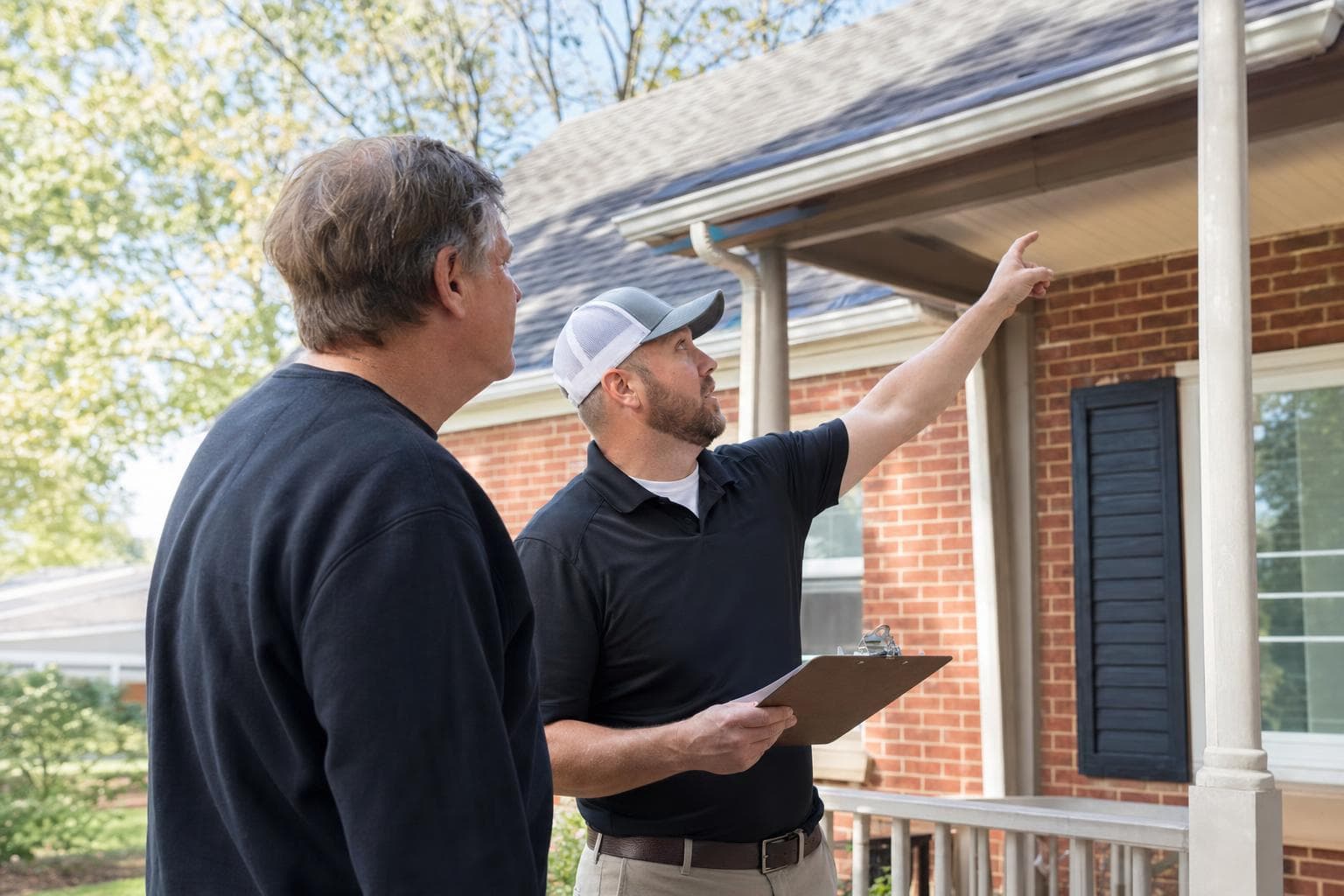
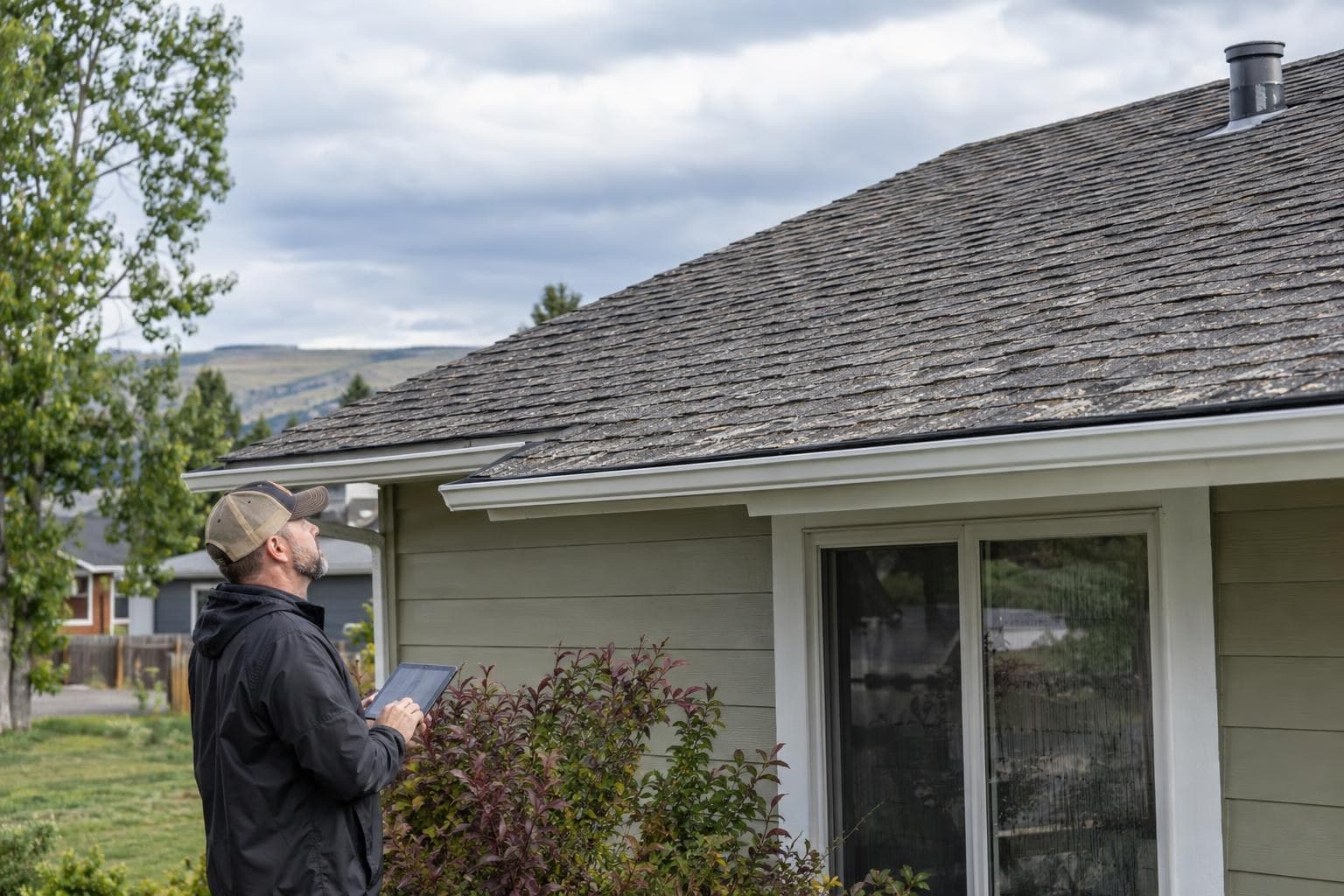
Start with a prompt inspection and document what you see. Storm damage can be obvious, like missing shingles, or subtle, like lifted tabs, bent flashing, or granule loss that shows up later. Take photos from the ground if it is safe, check inside for water stains or attic moisture, and schedule an inspection with a roofing contractor you are considering. If you file a claim, Mississippi tells homeowners to make sure any adjuster assigned to a claim is properly licensed and to ask to see identification. If you need help with a claim problem, the guidance says to contact the Mississippi Insurance Department, and after a major hurricane the department will set up a local claims processing assistance center to help residents.
When is the best time to schedule a roof inspection in Mississippi?
The best time is before storm season, after major storms, and anytime you notice signs of wear inside or outside the house. In Mississippi, regular inspection matters as much as storm response because humidity and heat can wear down roofing materials over time, even without one major event. If your roof is older, if you have had repeated repairs, or if your neighborhood recently took wind or hail, do not wait for a leak to tell you there is a problem. A timely inspection can help you catch repairable damage before it turns into a full replacement.
How do you choose the right roofer for a Mississippi roof job?
Start by asking direct questions and checking the details before you sign anything. Mississippi ties roofing licensing directly to job size. The Mississippi State Board of Contractors says residential roofing work over an amount that must be confirmed for the written scope requires a license issued by MSBOC, and residential new construction over an amount that must be confirmed for the written scope or remodeling and additions over an amount that must be confirmed for the written scope also require a license. If your job is near or above that threshold, ask your roofer for their MSBOC license number and check it before you sign a contract. That simple step can help you avoid problems, especially after storms when rushed decisions are common.
Mississippi roofing costs
Sources reviewed
- Mississippi Insurance Department, Consumer Hurricane Checklist
- Mississippi State Board of Contractors, Frequently Asked Questions
- UL Solutions: UL Solutions and IBHS Drive Trust in Residential Roofing Shingles
- Asphalt Roofing Manufacturers Association: Residential Asphalt Roofing Manual: Ventilation Best Practices
- Insurance Institute for Business & Home Safety: Natural Weathering and Hazard Exposure
Related services
Updated July 27, 2026
3D Roofs Editorial Team
Editorial Standards