Updated July 10, 2026

3D Roofs Editorial Team
Editorial Standards
A shingle roof in New Mexico can last a long time if it is installed well and kept in good shape, but the climate is hard on it. New Mexico roofs deal with intense UV exposure, dry heat, wind-driven rain, hail, mountain snow in some areas, and wildfire conditions in many parts of the state. That mix can dry out roofing materials, stress sealants and flashing, and make small weak spots turn into leaks after a storm. If you are trying to judge how much life your roof has left, the real answer depends less on the calendar alone and more on how your shingles, flashing, ventilation, and storm wear look right now.
How long does a shingle roof last in New Mexico?
In New Mexico, a shingle roof often ages based on exposure more than age alone. A newer roof that takes repeated hail, high wind, and harsh sun can wear out faster than an older roof in a milder setting. The biggest thing to know is that New Mexico is not an easy environment for asphalt shingles. Intense UV and dry heat can dry out the roof surface. Wind-driven rain can push water into weak details. Hail can bruise or crack shingles. In some areas, mountain snow adds another layer of stress. Because of that, your roof may reach its replacement stage when visible wear, leaks, or storm damage show up, even if you hoped it had more years left.
What parts of New Mexico weather shorten shingle life the most?
The short answer is sun, heat, wind, and hail. UV and heat can make shingles lose flexibility over time. Once shingles dry out and become brittle, they are more likely to crack, curl, or lose granules. Wind can lift edges and loosen the seal that helps shingles stay put. Wind-driven rain can turn a small opening around flashing or penetrations into a leak. Hail can leave impact damage that is easy to miss from the ground but still shortens roof life. In wildfire-prone areas, combustible debris on or around the roof can also become a performance and insurance concern.
What causes a roof to wear out faster than it should?
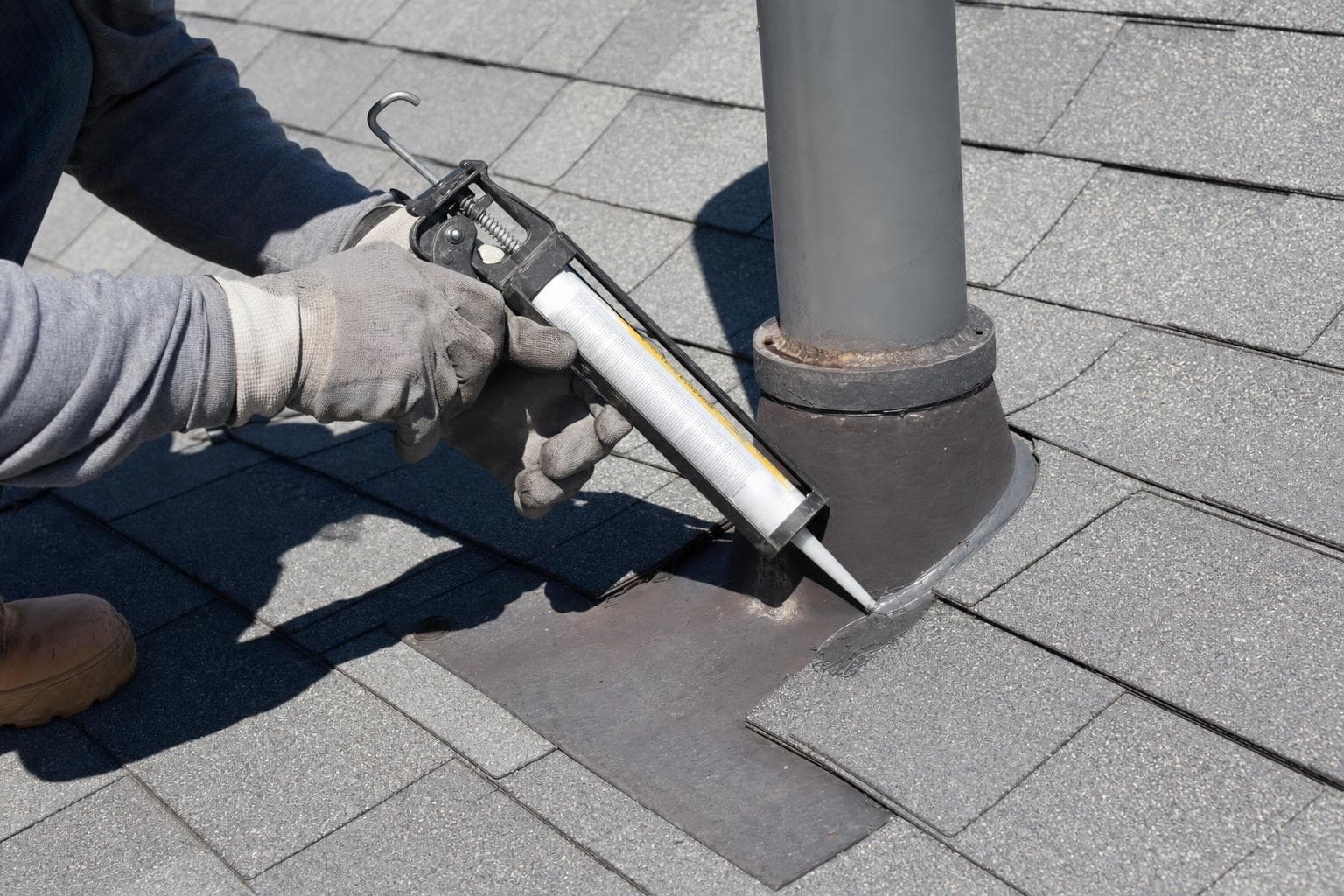
Poor details and delayed maintenance usually speed up roof failure. Even in a tough climate, a roof often fails early because of weak flashing, skipped repairs, poor attic ventilation, debris buildup, or storm damage that was never addressed. New Mexico's climate can stress sealants and flashing, and that matters because leaks often start at transitions, pipe boots, valleys, skylights, chimneys, and wall connections before the shingle field completely fails. If your roof is older, storm-worn, or surrounded by combustible debris, those issues can affect both performance and insurability. A roof does not have to be collapsing to be near the end. Sometimes it is simply accumulating enough weak spots that each new storm creates a new problem.
Talk to a roofer today
Planning ranges, scope details, and a direct path to request a roofing quote.
How can you tell if your shingle roof is aging out?
- Shingles look brittle, curled, cracked, or loose
- You see noticeable granule loss or bald-looking areas
- Tabs are lifting or not lying flat
- Flashing around vents, walls, or chimneys looks worn or separated
- You have repeat leak repairs in different spots
- A storm caused damage and the roof never fully recovered
- There are water stains in the attic or on ceilings
- Debris buildup, branch rub, or neglected maintenance has created multiple weak areas
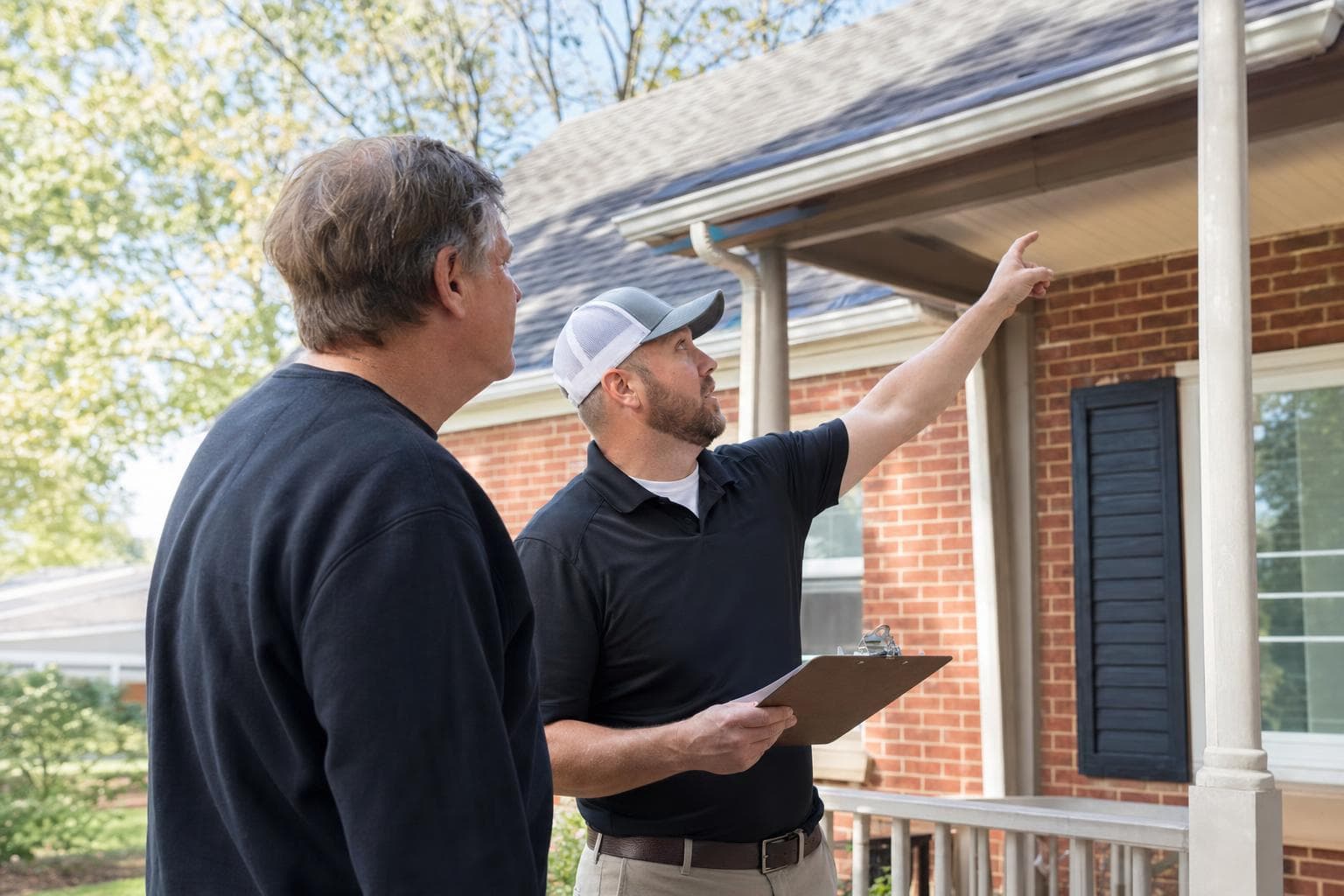
If you are seeing several of those signs at once, your roof may be aging out rather than needing one small fix. The pattern matters. One isolated repair is different from a roof that has become brittle across multiple slopes, has recurring leaks, and shows widespread wear at penetrations and edges. That is usually when an inspection becomes more valuable than guessing from the ground.
Can a roof still look okay from the street and still be near the end?
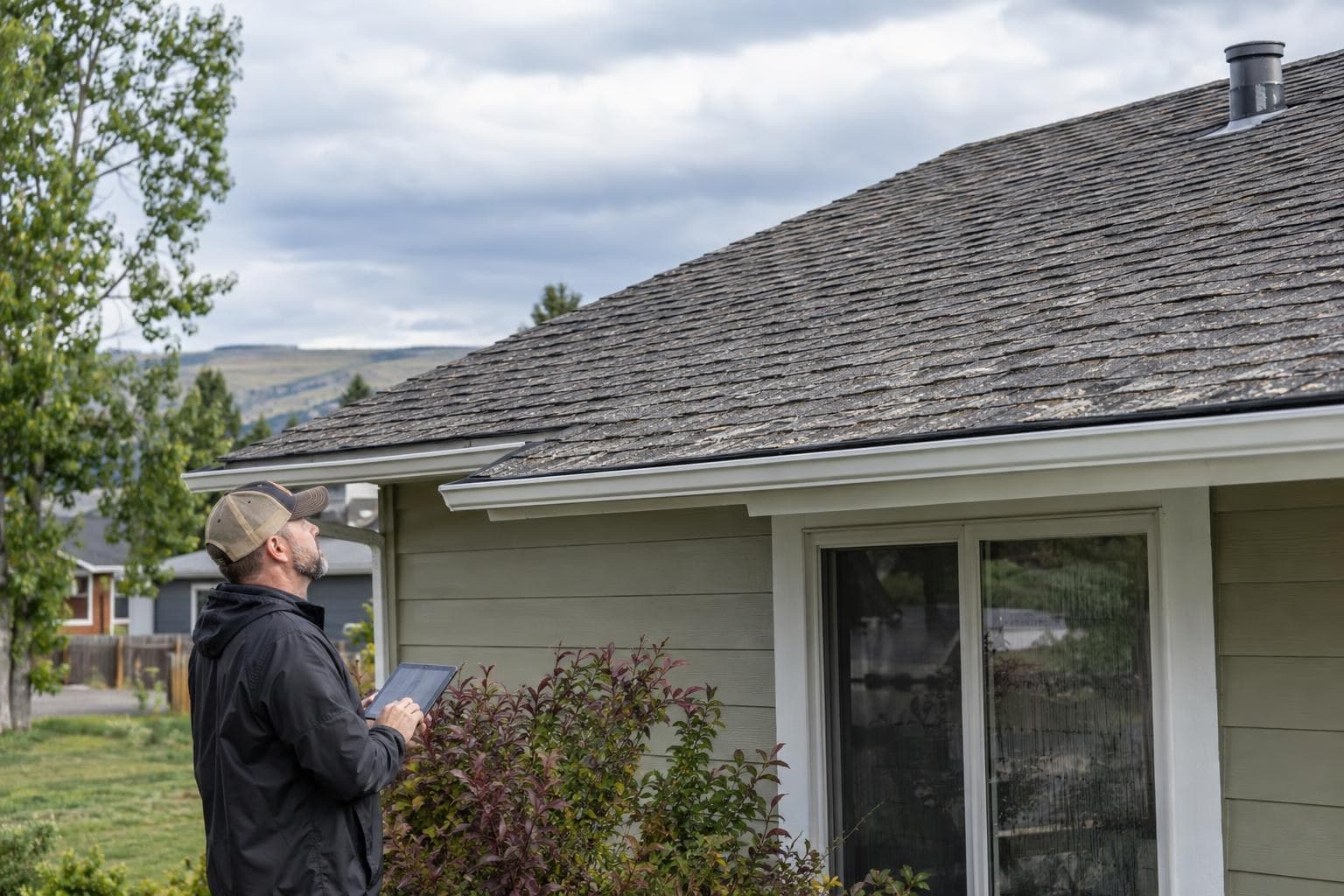
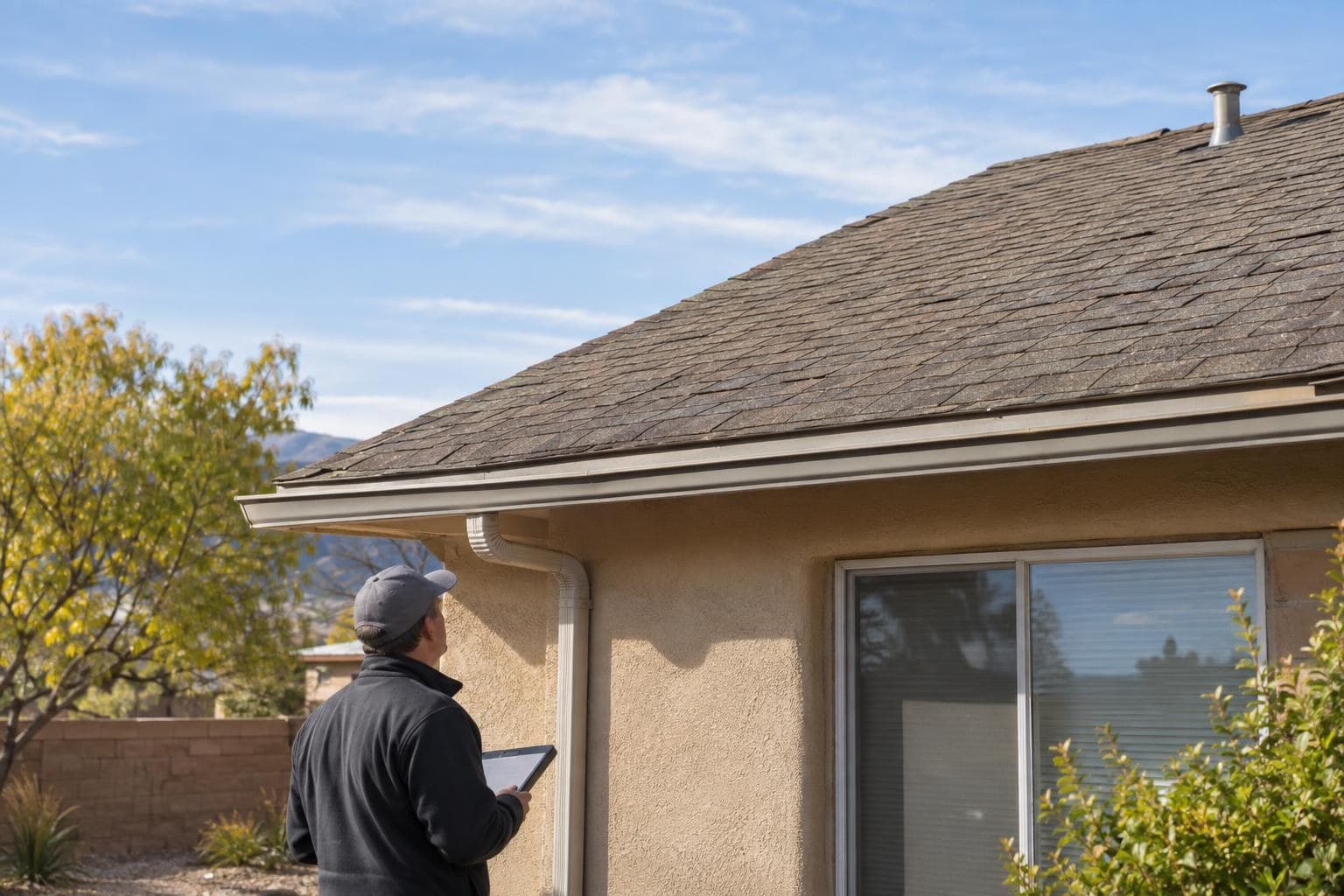
Yes, and that is common in New Mexico. A roof can appear fine from the curb while the real wear is happening up close. Sun damage, granule loss, seal failure, hail bruising, and flashing problems are often subtle until water gets inside. That is why a roof may seem serviceable one season and then leak after the next wind-driven rain or hail event. In this climate, small weak spots can turn into leaks after a storm. If your roof is older or has already had a few repairs, a closer inspection can tell you whether you are dealing with isolated issues or a roof system that is running out of margin.
Should you repair or replace an aging shingle roof?
Repair makes sense when the problem is limited and the rest of the roof is still in solid condition. Replacement makes more sense when wear is widespread, leaks are recurring, or a storm exposed bigger weaknesses across the roof. If your roof is at the point where you keep paying for new patch jobs, it may be smarter to compare that repair cycle with replacement options. Check current New Mexico cost data for a shingle condition and replacement plan in New Mexico, then replace the range with an assembly-specific proposal based on measured conditions.
Is a Class 4 shingle worth considering in New Mexico?
If hail is one of your main concerns, yes, it is worth considering. A Class 4 impact-resistant shingle can be a practical upgrade for hail resilience, especially if your current roof has taken repeated storm hits. A Class 4 rating does not establish a policy credit in New Mexico; the carrier and policy determine eligibility, documentation, and savings. Still, do not assume a Class 4 label automatically changes your premium. Ask your carrier directly before you buy, what documentation is required, and whether any benefit applies at issue or renewal.
How long does replacement take if your roof is worn out?
Before approving a shingle condition and replacement plan in New Mexico, have the bidder connect timing to roof complexity, crew access, material handling, weather, inspections, and concealed conditions. Have each bidder explain how pitch and roof complexity change crew setup, production, and measured price for a shingle condition and replacement plan in New Mexico. Timing also depends on weather, tear-off condition, and whether repairs to decking or flashing are needed once the old shingles come off. The key point is that replacement is usually a short on-site project, but the planning matters. Before you sign, ask your roofer to explain the exact scope, materials, ventilation changes, flashing details, permit needs, cleanup plan, and who will handle any inspection steps.
What should you do if roof condition starts affecting insurance?
Start by keeping your documentation organized and understanding your options. The state insurance guidance highlights winter storm, flood, wildfire, and wind and hail readiness, which matches the risks many homeowners plan around. If you run into trouble with a homeowners claim, policy issuance, or cancellation, the Consumer Assistance Bureau says it assists consumers who are having difficulty with an insurance issue. Consumers may submit complaints involving insurance companies concerning the issuance or cancellation of policies and the processing of claims. The Bureau also says it can help with complaints against insurance companies, agents, and adjusters operating within New Mexico. The homeowners insurance guidance also says companies shall give policyholders at least ten days notice prior to the date of cancellation and 30 days notice prior to the date of non-renewal. If you cannot get coverage in the normal market, the homeowners insurance guidance says the New Mexico Property Insurance Program is the underwriting association for the New Mexico F.A.I.R. plan and that the FAIR Plan Act was enacted to provide essential property insurance to qualified applicants in the State of New Mexico who are unable to secure such insurance in the normal market.
What is the smartest next step if you think your roof is near the end?
Get a real inspection before the next storm makes the decision for you. If your shingles are brittle, repairs keep stacking up, or you have any sign of leak activity, it is time to find out whether you need a targeted repair or a full replacement plan. Verify your roofer through the state license lookup before you sign anything, then ask clear questions about scope, flashing, ventilation, cleanup, and inspection steps. If replacement is the better move, compare the latest local cost data carefully and look at whether Class 3, Class 4, or another roofing type fits your home, storm exposure, and budget.
Sources
Reviewed technical references for New Mexico
Related New Mexico roofing guides
Related services
Updated July 10, 2026
3D Roofs Editorial Team
Editorial Standards