Updated July 27, 2026

3D Roofs Editorial Team
Editorial Standards
A shingle roof in North Carolina can last a long time, but the real answer depends on where you live and what your roof has been through. On the coast and the Outer Banks, hurricanes and tropical storms push wind uplift and wind-driven rain into weak seams and flashing. Inland, across the Piedmont and foothills, spring and summer thunderstorms bring hail and damaging winds that bruise shingles and break their factory seals. Across much of the state, heat, humidity, algae growth, poor ventilation, and occasional winter freeze-thaw swings also wear a roof down faster. If you want to know how much life your roof has left, the best place to start is not age alone. It is your local weather pattern, the roof's condition, and whether the weak points are cosmetic or structural.
How long does a shingle roof last in North Carolina?
It lasts until North Carolina weather and moisture exposure wear out the shingles faster than repairs can keep up. That can happen sooner on the coast, where wind uplift and wind-driven rain test every edge, seam, and flashing detail. It can also happen sooner inland after repeated hail and thunderstorm damage that bruises shingles and breaks the adhesive seal strips that help them stay put. Even when there is no single major storm, warm humidity can trap moisture, dark algae can spread, and poor ventilation can help rot decking from below. In short, a roof in North Carolina does not age on a simple calendar. It ages based on storm exposure, attic airflow, moisture control, and installation quality.
Why do shingle roofs wear out faster in some parts of North Carolina?
They wear out faster because the state has different failure patterns in different regions. On the coast and the Outer Banks, the biggest threat is wind and wind-driven rain. A roof can look mostly fine from the yard while still having lifted shingles, stressed fasteners, or flashing that has started to separate. In the Piedmont and foothills, hail and strong thunderstorm winds are often the bigger problem. Hail can leave bruising that shortens shingle life even when you do not see an obvious hole. In the mountains and parts of the Piedmont, winter ice and freeze-thaw swings add another layer of stress, especially around eaves, valleys, and penetrations. That is why the right roof choice for your home depends on what your area actually sees, not just what looked good on the house next door.
What shortens the life of a shingle roof the most?
- Wind uplift that loosens shingles and exposes seams
- Wind-driven rain that gets past flashing or under lifted tabs
- Hail that bruises shingles and breaks factory seals
- Poor ventilation that traps heat and moisture in the attic
- Rotting or soft decking caused by long-term moisture
- Dark algae streaking that holds moisture and signals a humid roof environment
- Ice and freeze-thaw movement around edges, valleys, and roof penetrations
- Repeated small repairs on a roof that is already broadly worn out
- Installation details that leave weak flashing, underlayment, or fastening patterns
Talk to a roofer today
Planning ranges, scope details, and a direct path to request a roofing quote.
How can you tell if your roof is aging out instead of just needing a repair?
You can tell when the problems stop being isolated. A repair still makes sense when damage is limited to one area, such as a few missing shingles or a flashing issue around one vent. A roof may be aging out when wear shows up across many slopes or details at once. That includes widespread shingle damage after storms, repeated leaks in different places, soft decking, chronic moisture problems tied to poor ventilation, or signs that previous repairs are no longer holding. In North Carolina, the tipping point often comes after a season of wind, hail, and humidity exposes every weak spot at the same time.
What are the warning signs a North Carolina shingle roof is near the end?
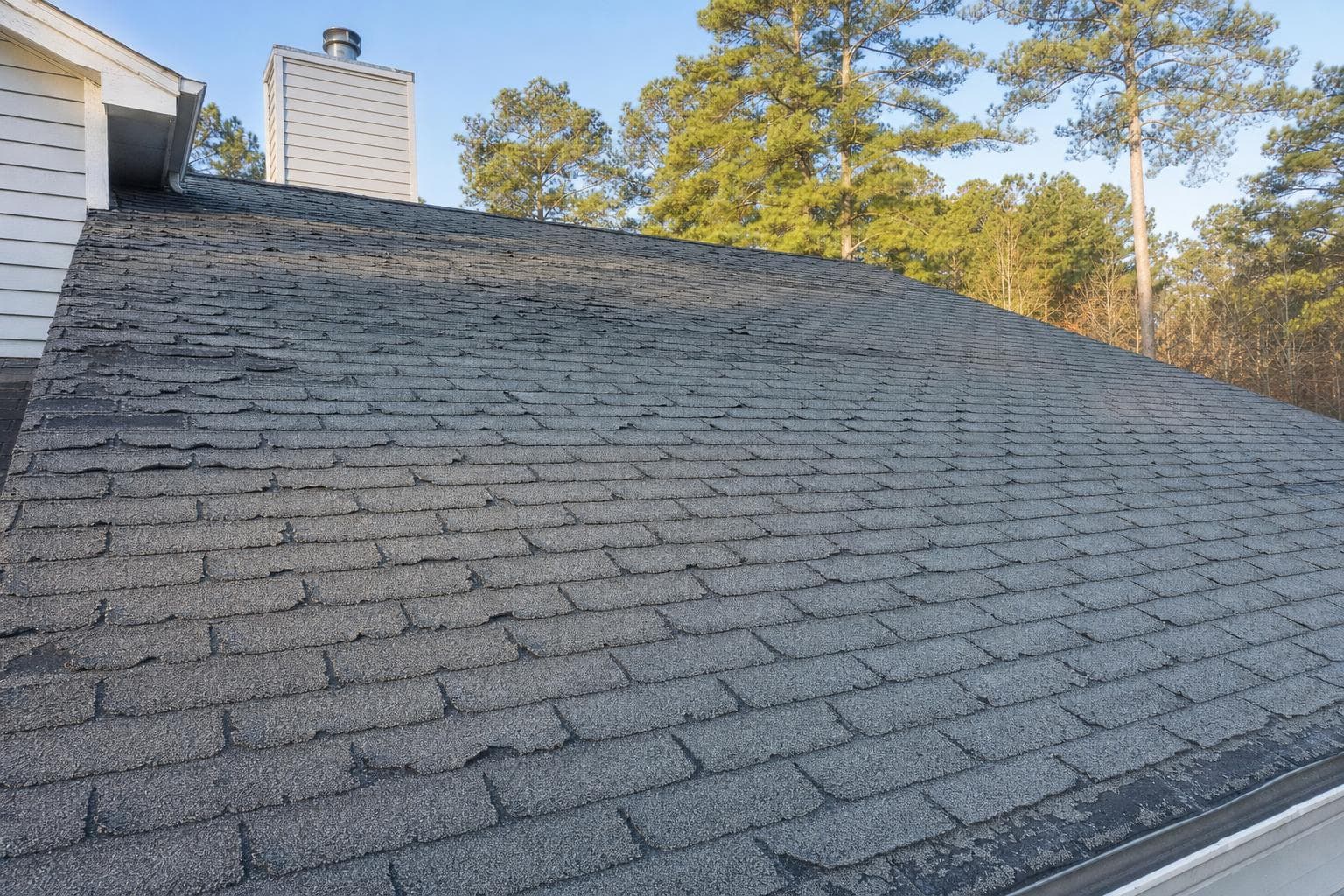
- Shingles that are cracked, lifted, torn, or missing after normal storms
- Areas where shingles no longer appear sealed down
- Visible bruising or impact marks after hail
- Leaks that return after prior repair work
- Stains in the attic or on ceilings that point to moisture getting in
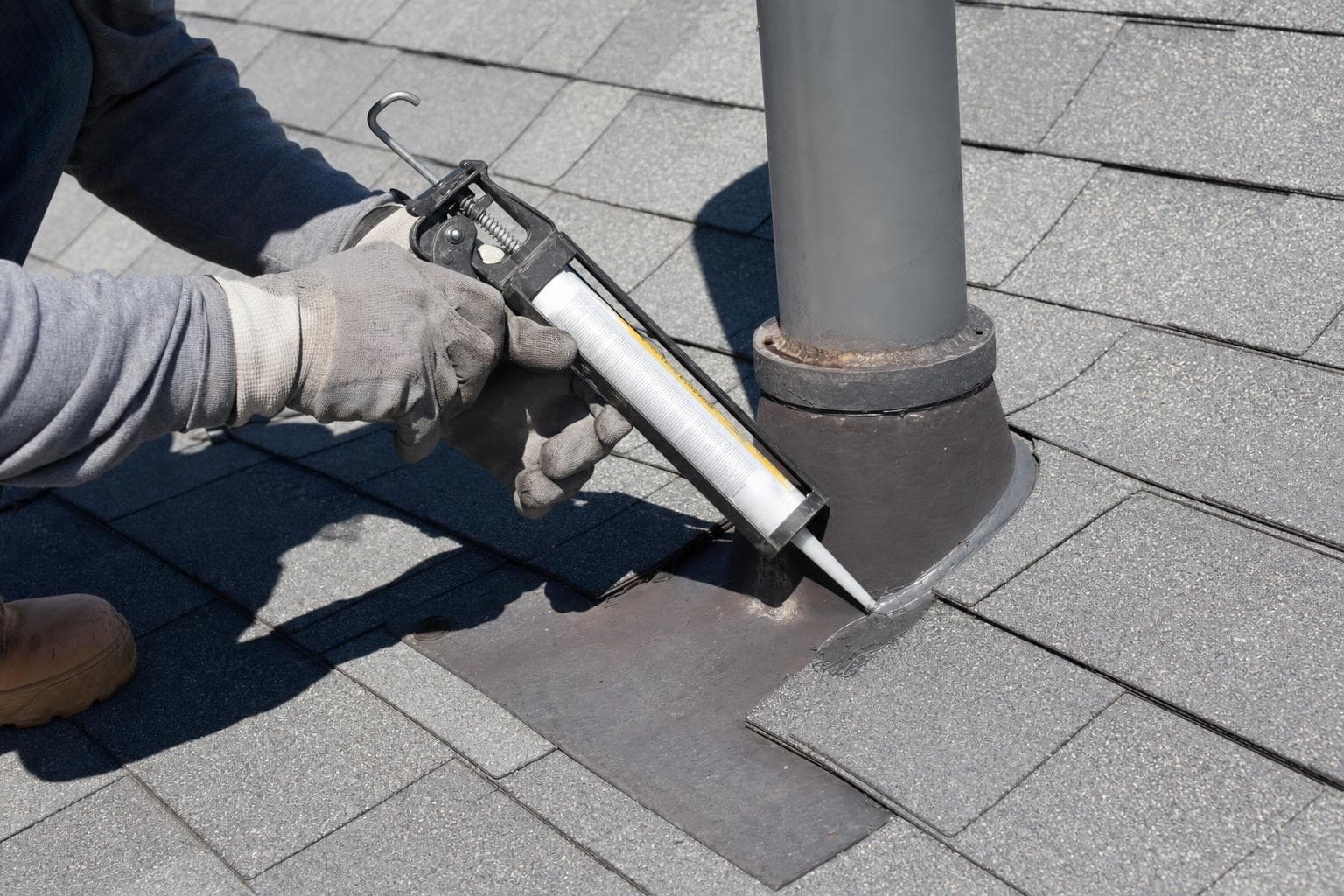
- Flashing that has pulled loose or keeps failing around chimneys, walls, or vents
- Soft spots that suggest the decking may be rotting
- Heavy algae streaking along with signs of trapped moisture
- A roof that looks uneven or tired across broad sections, not just one patch
Should you repair storm damage or replace the whole roof?
You should repair it when the damage is limited and the rest of the roof is still sound. For current North Carolina planning prices related to shingle roof lifespan, use the cost guide and calculator, then compare the contractor's property-specific written scope. Replacement makes more sense when storm damage is spread out, when shingles have lost their seal in many areas, or when moisture problems below the shingles are part of the story. If your roof is already showing broad wear, another patch can turn into paying twice. For budgeting, full local pricing lives on the North Carolina cost page and the calculator.
Are impact-resistant shingles worth it in North Carolina?
Yes, they are worth comparing if hail exposure is a real concern where you live. Class 4 shingles are worth comparing where North Carolina hail exposure makes impact resistance a priority. Verify the exact product and ask the carrier in writing whether it qualifies for a credit and what documentation is required. For shingle roof lifespan in North Carolina, any insurance credit depends on the carrier, policy, address, and exact product; get the amount and documentation requirements from the insurer in writing. On the coast, though, impact rating is only part of the picture. Wind attachment, roof-to-wall connections, sealed roof-deck details, product approvals, and the property's insurance market can matter more than impact classification alone. If you are comparing options, use 2026 market pricing as a baseline and match the product to the weather your home actually faces.
What should you know about insurance and roof replacement in North Carolina?
You should know what policy covers your roof, what deductible applies, and what your roofer can and cannot offer. On the coast, wind and hail may be a separate policy with its own deductible. Standard homeowners policies near the coast often exclude windstorm and hail, so that coverage is written separately, frequently through the NC Insurance Underwriting Association, commonly called the Beach Plan. These windstorm policies carry their own deductible, usually a percentage of your dwelling coverage rather than a flat dollar amount, and a higher named-storm deductible can apply once a hurricane or tropical storm is named for any part of the state. You should also know that your roofer can't pay your deductible. In North Carolina a contractor cannot legally pay, waive, rebate, or absorb it. Finally, for larger jobs, North Carolina law requires a license from the NC Licensing Board for General Contractors on any construction project where the cost of the work is an amount that must be confirmed for the written scope or more. Because many roof replacements sit near that line, ask whether your job needs a licensed GC before you sign.
How long does roof replacement take when it is time?
For shingle roof lifespan in North Carolina, ask the contractor to put the expected working days and weather plan in writing; timing depends on roof size, material, access, crew scheduling, and conditions found after tear-off. That means the actual install is usually quick once materials, scope, and any decking repairs are lined up. If hidden water damage shows up during tear-off, your roofer may need to replace bad decking before the new roof goes on. That is another reason an inspection matters when a roof is aging out. It helps you plan for the full job, not just the shingles you can see from the ground.
What is the smartest next step if you think your roof is wearing out?
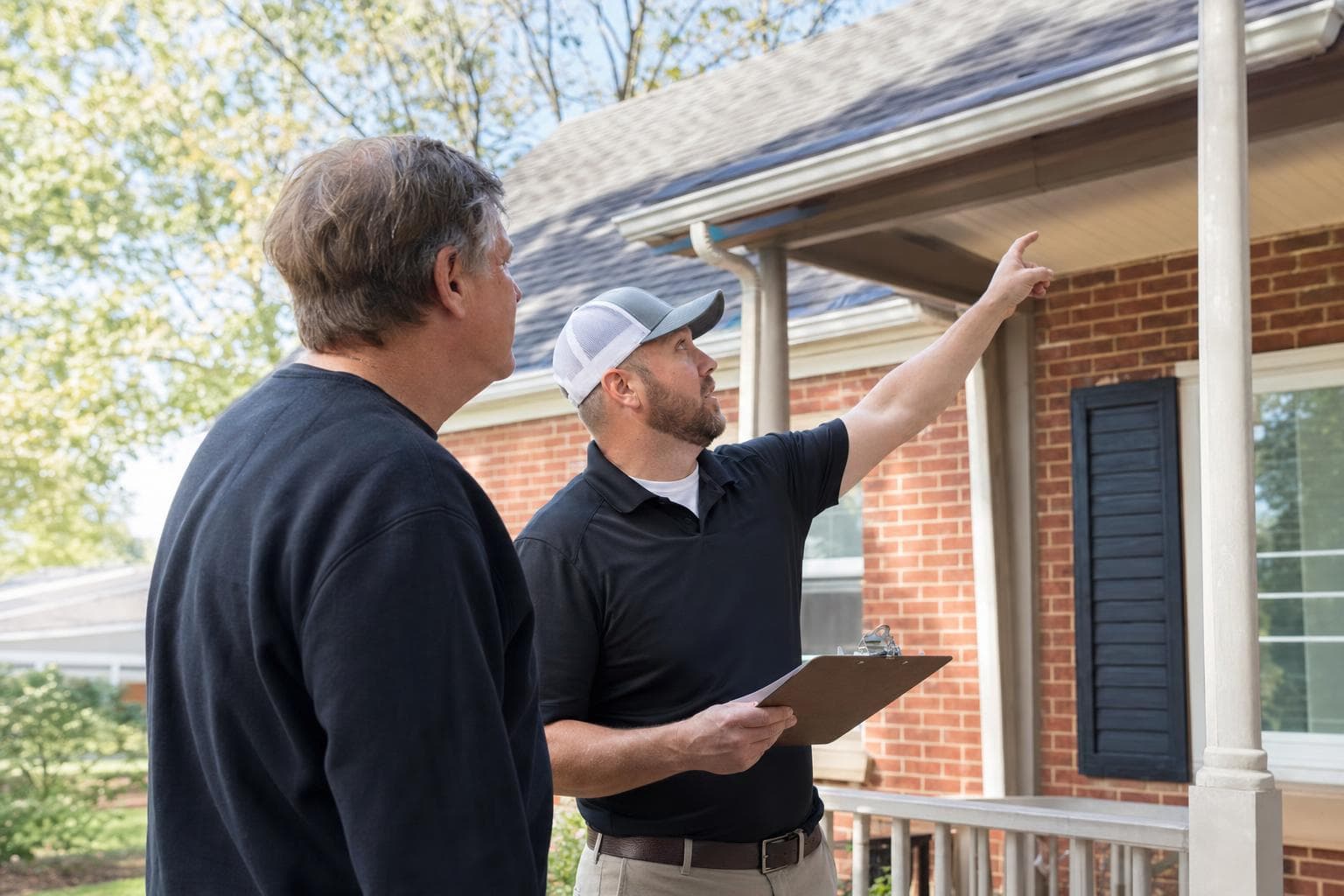
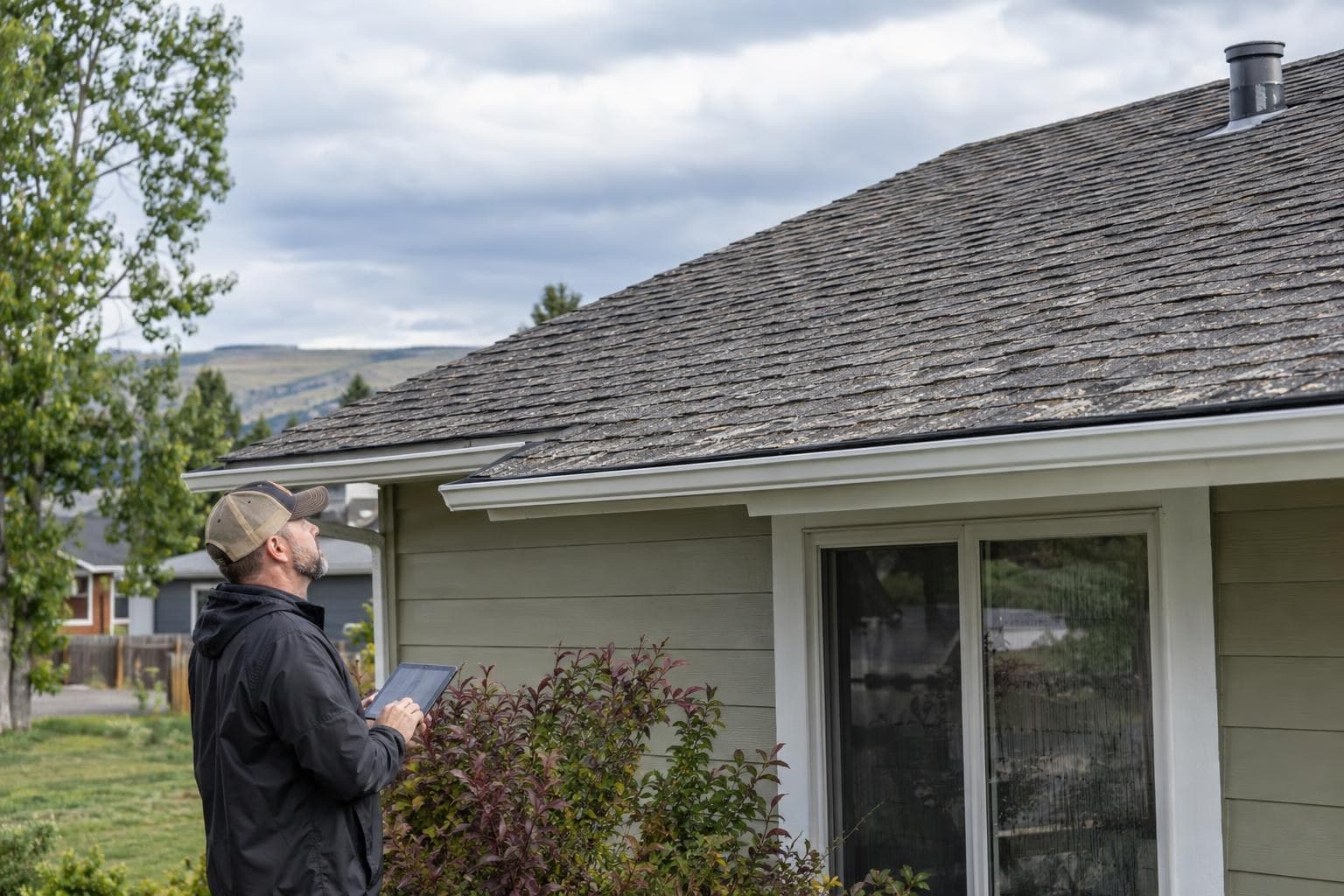
Get a condition-based inspection before the next storm finds the weak spots first. You want to know whether you are dealing with isolated damage, widespread seal failure, soft decking, or moisture and ventilation issues that will keep causing trouble. If replacement is the better move, compare roof types based on your part of North Carolina, not just price alone. For budgeting, check the North Carolina cost page and the calculator for full local pricing. If repair is still the right call, move before a small opening turns into decking rot, attic moisture, or an insurance headache after the next wind or hail event.
Sources reviewed
- NC Dept. of Insurance (windstorm & hail / NCIUA Beach Plan)
- NC Dept. of Justice (roofers & storm-chaser consumer warnings)
- UL Solutions: UL Solutions and IBHS Drive Trust in Residential Roofing Shingles
- Asphalt Roofing Manufacturers Association: Residential Asphalt Roofing Manual: Ventilation Best Practices
- Insurance Institute for Business & Home Safety: Natural Weathering and Hazard Exposure
Plan with current pricing
Related services
Updated July 27, 2026
3D Roofs Editorial Team
Editorial Standards