Updated July 27, 2026

3D Roofs Editorial Team
Editorial Standards
A shingle roof in North Dakota can last for years, but the simple answer is that local weather often decides the timeline. Hail, strong wind, heavy storms, and long winter weather put steady stress on shingles, flashing, and exposed roof components. That means two roofs installed the same year can age very differently depending on storm exposure, ventilation, repair history, and whether small damage was fixed quickly.
How long does a shingle roof last in North Dakota?
It depends, but in North Dakota the climate can shorten a shingle roof's useful life faster than homeowners expect. North Dakota roofs are exposed to hail, strong wind, heavy storms, and long winter weather. Those conditions can damage shingles, flashing, and exposed roof components, and they can turn a small leak or impact point into a bigger problem if repairs wait. If your roof has seen repeated hail hits, lifted shingles after wind, or ice and winter wear around roof edges and penetrations, its remaining life may be shorter than its age alone suggests.
What weather in North Dakota shortens shingle roof life the most?
Hail, wind, major storms, and long winter weather usually do the most damage. Hail can bruise or crack shingles and knock granules loose. Strong wind can break the seal that helps shingles stay flat, or it can lift and crease them. Heavy storms can push water into vulnerable areas around flashing, chimneys, valleys, and vents. Long winter weather adds repeated freeze and thaw stress, and once water gets under worn shingles, small weak points can spread. In short, storm damage and delayed repairs are what most often turn an aging roof into a failing one.
What causes one North Dakota shingle roof to fail sooner than another?
The biggest factors are storm history, installation quality, attic conditions, roof design, and maintenance. A roof with frequent hail or wind exposure will often age faster than one with fewer direct hits. Poor attic ventilation can trap heat and moisture, which adds stress from below. Steeper and more complex roof lines can create more exposed edges, valleys, and flashing details that need attention. Skipped maintenance also matters. If a small leak, torn shingle, or loose flashing is ignored after a storm, the roof can deteriorate much faster than it would with timely repairs.
- Repeated hail impacts that loosen granules or crack shingles
- Wind that lifts tabs, creases shingles, or loosens ridge components
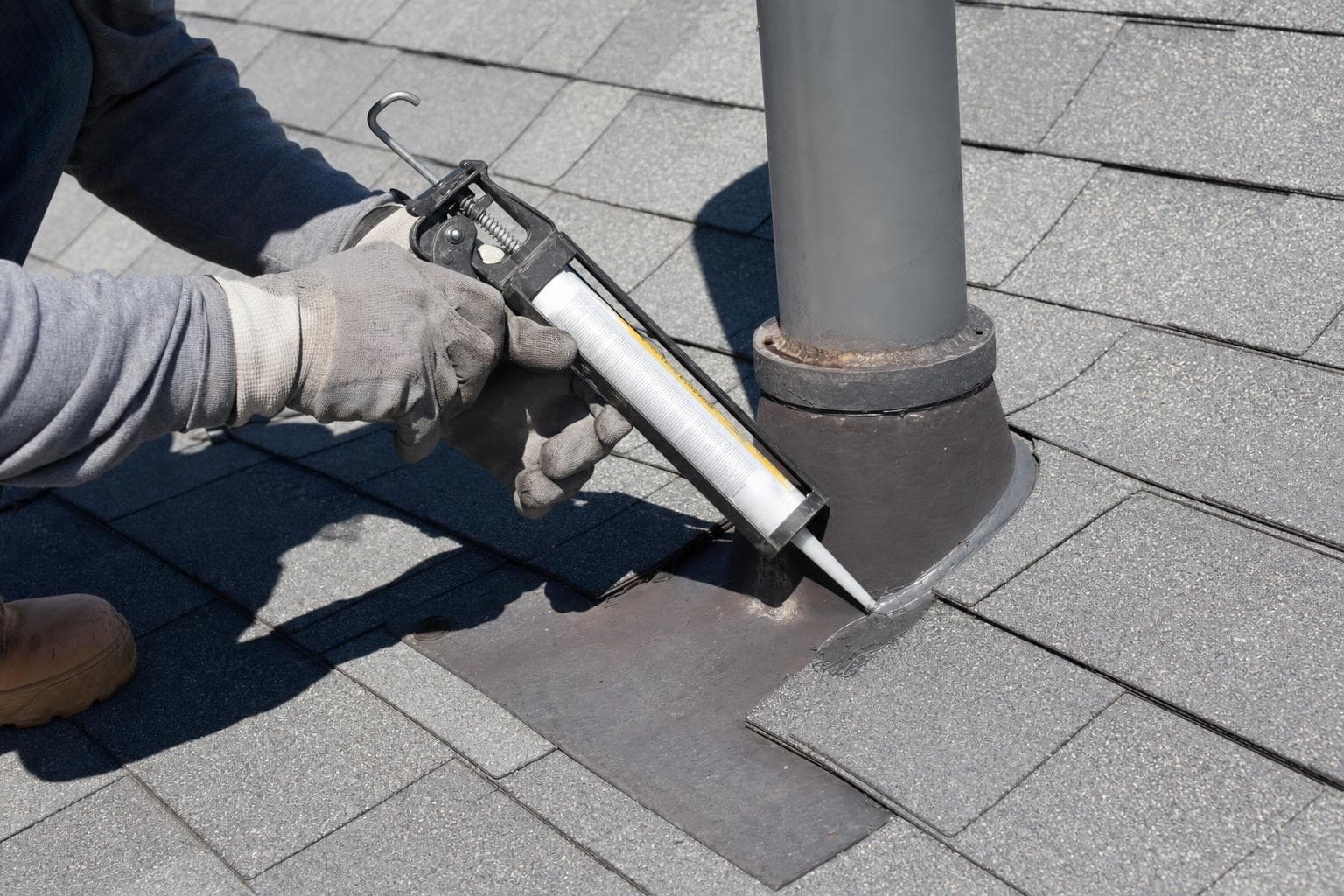
- Flashing problems around chimneys, vents, skylights, and valleys
- Ice, snow, and long winter exposure that keep moisture on the roof longer
- Poor ventilation or moisture buildup in the attic
- Delayed repairs after a leak or storm strike
Talk to a roofer today
Planning ranges, scope details, and a direct path to request a roofing quote.
How can you tell if your shingle roof is aging out?
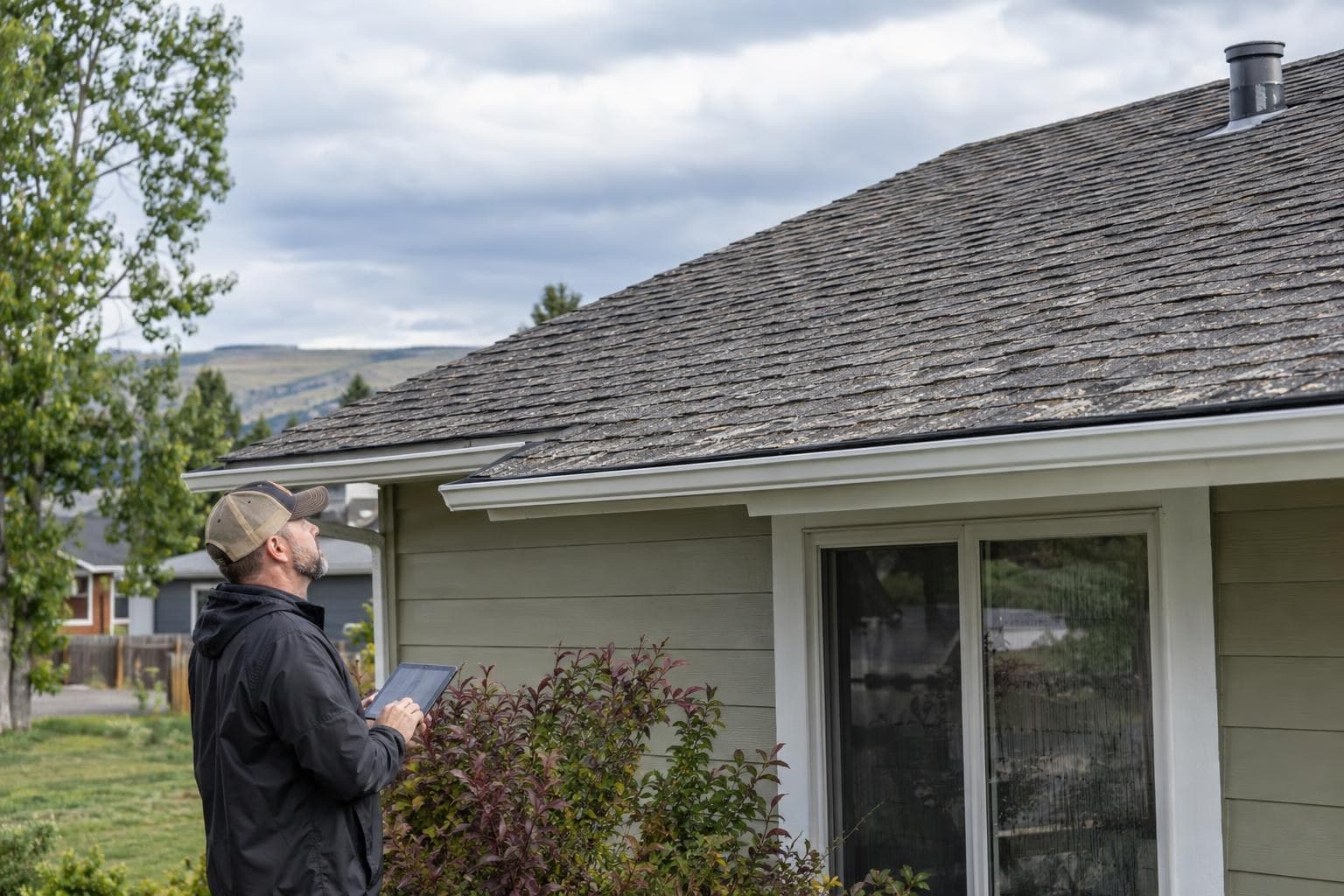
You can usually tell by a pattern of visible wear, repeated leaks, and storm-related damage that keeps coming back. A roof that is aging out often shows widespread shingle wear, missing or lifted tabs, exposed or damaged flashing, and areas where repairs no longer hold for long. Inside the house, water stains, damp attic spots, or recurring leaks after storms are strong warning signs. The key is not one isolated issue. It is the combination of broad wear and repeated problems that tells you the roof may be near the end of its practical service life.
- Shingles that are cracked, curled, loose, or missing
- Granule loss or visible impact marks after hail
- Lifted or creased shingles after strong wind
- Repeated leaks in the same area or new leaks after each storm
- Flashing that looks bent, loose, rusted, or separated
- Sagging areas, soft decking feel, or signs of trapped moisture
- Heavy patchwork from multiple past repairs
Should you repair an aging shingle roof or replace it?
If damage is limited and the rest of the roof is still in solid shape, a repair may make sense. For current North Dakota planning prices related to shingle roof lifespan, use the cost guide and calculator, then compare the contractor's property-specific written scope. But if wear is widespread, leaks keep returning, or storms have damaged multiple sections, replacement is often the smarter long-term move. In North Dakota, waiting too long can let one weak area become water damage in decking, flashing, or interior spaces. A roofing contractor you are considering can inspect the full system and help you decide whether you are dealing with one repairable problem or a roof that is aging out as a whole.
What does replacement cost in North Dakota if your shingles are worn out?
For shingle roof lifespan in North Dakota, treat a steep or difficult-to-access roof as a scope variable that the contractor should measure and price explicitly. For shingle roof lifespan in North Dakota, ask the contractor to put the expected working days and weather plan in writing; timing depends on roof size, material, access, crew scheduling, and conditions found after tear-off.
Is a Class 4 shingle worth considering in North Dakota?
For many homeowners, yes, it is worth asking about because hail is a major local concern. If you are considering a Class 4 impact-resistant shingle, ask your carrier whether it offers a homeowners discount for that upgrade. For shingle roof lifespan in North Dakota, any insurance credit depends on the carrier, policy, address, and exact product; get the amount and documentation requirements from the insurer in writing. North Dakota's consumer guidance says premiums vary by company and that you should shop around for coverage, so any Class 4 savings will depend on your insurer and policy. It is smart to confirm what proof your carrier wants before installation, such as the product identification and final invoice from your roofer.
Will homeowners insurance cover storm damage to your roof in North Dakota?
Usually, covered wind and hail damage may be covered, but you need to read your policy closely. The North Dakota Insurance Department says standard homeowners insurance typically includes dwelling coverage that protects the physical structure of your home, including walls, roof, and attached structures, from covered perils like fire, wind, and hail. Policies may have limits and exclusions, so you should review the coverage details carefully before a loss happens. Flood damage is a separate issue. State consumer guidance says standard homeowners and renters policies do not cover every type of damage, and flood damage is a common exclusion. If your roof damage happens during a broader flood event, do not assume your standard policy handles the whole loss.
What should you do after storm damage if you think the roof is nearing the end?
Start by documenting the damage, protecting the home from further water entry, and contacting your insurer if the loss may be covered. The North Dakota Insurance Department says after a loss you should notify your insurance agent or company as soon as possible, take necessary steps to protect the property from further loss, keep accurate records of repair expenses, and document the damage. It also says you should submit a statement of loss, proof of loss, within 60 days from the company's request, or in the case of a National Flood Insurance Program policy, within 60 days from the date of loss. If you disagree about coverage or the amount of damage, the state recommends working with the company, which may require contacting the supervising claims manager. If that does not resolve the matter, you may file a complaint with the North Dakota Insurance Department.
How do you choose the right roofer for a North Dakota roof replacement?
Start with the business details and make sure the contract matches the company doing the work. The Secretary of State says when the cost, value, or price of a job exceeds an amount that must be confirmed for the written scope, the person doing the work must be licensed as a contractor in North Dakota, and you can search registered contractors to see if the license is in good standing. For a roof replacement or major repair, ask your roofer for the exact business name they use for registration, confirm their North Dakota contractor status, and make sure your contract matches that business name. Also remember the Insurance Department says workmanship is generally between you and the contractor after claim settlement, so do not treat insurance approval as a quality guarantee for the repair itself.
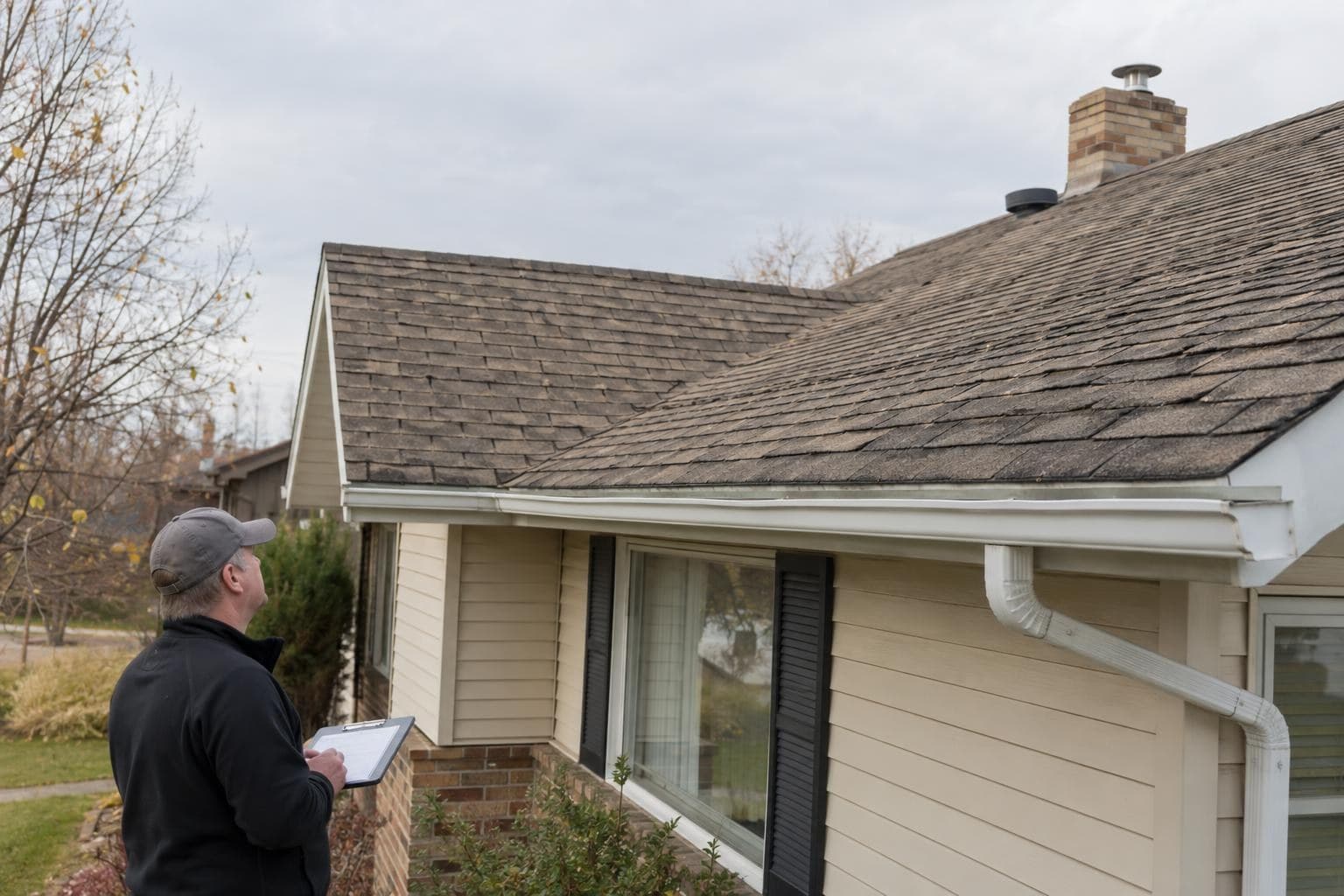
If your shingle roof has been through several North Dakota storm seasons, the best next step is a clear inspection before minor damage grows. An aging roof often gives warnings, such as recurring leaks, missing shingles, hail marks, or flashing problems. Catching those signs early can help you decide whether a repair buys more time or whether replacement is the safer financial move. If you are budgeting now, compare 2026 market pricing on the North Dakota cost page and use the calculator to map out your next step with a roofing contractor you are considering.
North Dakota roofing costs
Sources reviewed
- North Dakota Insurance Department, Homeowners & Renters
- North Dakota Insurance Department, How to Submit a Claim
- UL Solutions: UL Solutions and IBHS Drive Trust in Residential Roofing Shingles
- Asphalt Roofing Manufacturers Association: Residential Asphalt Roofing Manual: Ventilation Best Practices
- Insurance Institute for Business & Home Safety: Natural Weathering and Hazard Exposure
Related services
Updated July 27, 2026
3D Roofs Editorial Team
Editorial Standards