Updated July 27, 2026

3D Roofs Editorial Team
Editorial Standards
A shingle roof in Pennsylvania can last for many years, but the real answer is that lifespan depends less on the calendar and more on how your roof handles the state’s weather. Pennsylvania roofs deal with a little of everything. Pennsylvania's insurance Department says weather here can be unpredictable, from thunderstorms to snowstorms. That mix can mean wind-lifted shingles, water intrusion around flashing and roof penetrations, gutter overflow, and added stress from snow and ice. Tree limbs and outdoor debris can also become a problem during storms. In this kind of climate, roof life often comes down to drainage, attic ventilation, flashing details, and staying ahead of small maintenance issues before the next storm hits.
How long does a shingle roof usually last in Pennsylvania?
There is no single service-life number for every Pennsylvania shingle roof. Product, installation, ventilation, drainage, maintenance, and exposure to wind, snow, ice, debris, and temperature swings all affect condition. Clear drainage, sound flashing, appropriate attic ventilation, and timely repairs can reduce avoidable deterioration, but an inspection is still needed to estimate remaining life for a particular roof. Focus on current condition and documented weak points instead of treating a product-life label as a replacement date.
What shortens the life of a shingle roof in Pennsylvania?
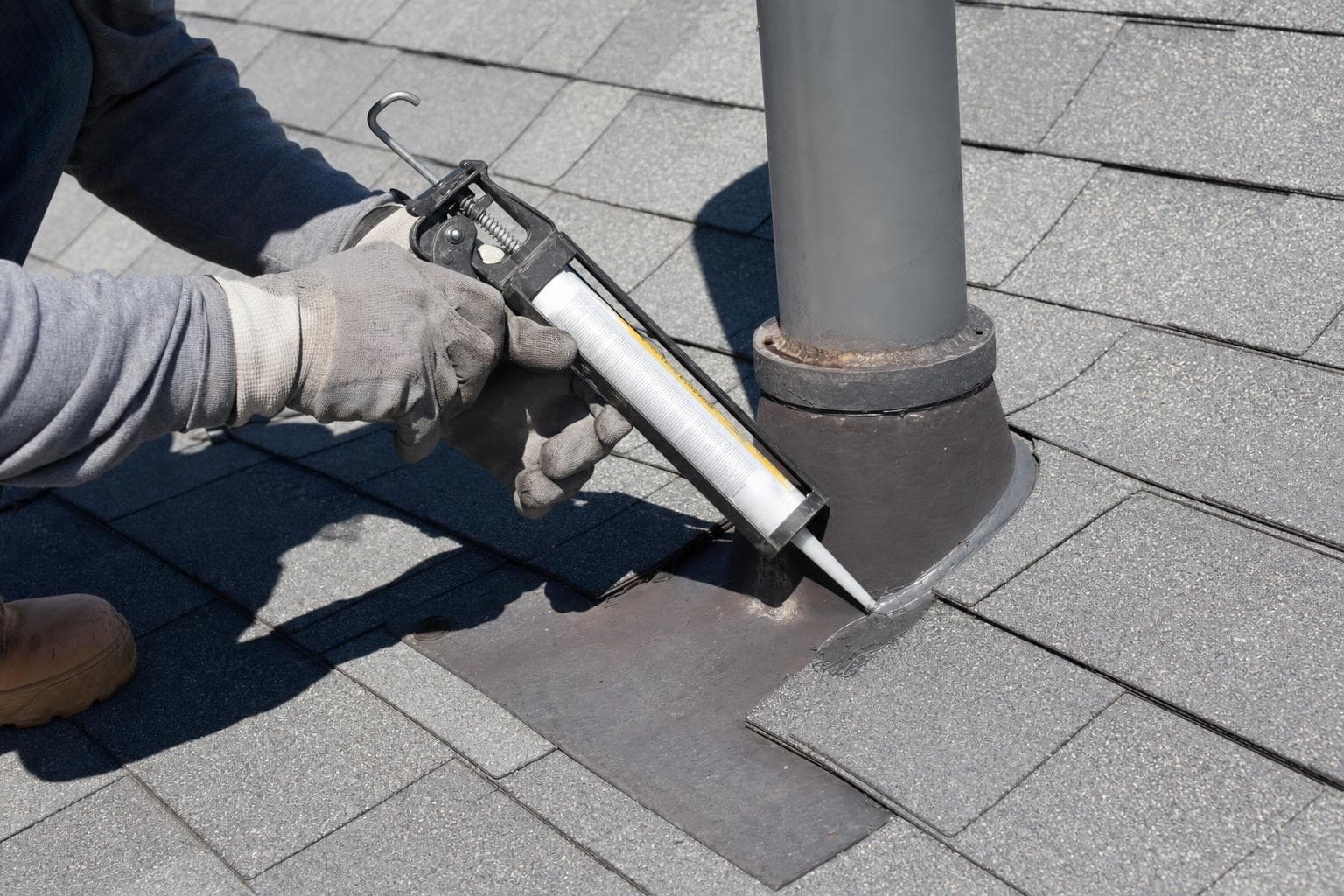
Storm exposure, poor drainage, weak flashing details, and skipped maintenance shorten roof life the fastest. Pennsylvania’s mix of thunderstorms and snowstorms can loosen shingles, push water into vulnerable areas, and overload gutters when debris builds up. Snow and ice add weight and can keep parts of the roof wet longer. Tree limbs and windblown debris can scrape, crack, or dislodge shingles. Even when the shingles themselves still have some life left, the roof can start failing early if flashing around chimneys, walls, vents, and pipe boots is deteriorating. Attic ventilation matters too, because trapped heat and moisture can age roofing materials from underneath and create conditions that make ice and condensation problems worse.
- Wind can lift or crease shingles, especially after repeated storms.
- Snow and ice can add stress and hold moisture on the roof surface.
- Clogged gutters can cause overflow that backs water into roof edges.
- Flashing failures around penetrations often lead to leaks before the field shingles fail.
- Overhanging limbs and storm debris can damage shingles and shorten service life.
- Small issues that are ignored usually become larger repairs after the next storm.
Does Pennsylvania weather make shingles wear out faster?
Yes, it can, especially when weather weak points are already present. Pennsylvania roofs deal with unpredictable weather, and that matters because a roof rarely fails from one cause alone. A heavy storm may not ruin a healthy roof, but it can expose a problem that was already developing, like loose flashing, poor drainage, aging sealant, or a brittle shingle tab. That is why two roofs on the same street can age very differently. One may still be performing well, while the other is already leaking. The difference is often maintenance, storm exposure, tree cover, attic conditions, and whether earlier repairs were done before water got below the shingles.
Talk to a roofer today
Planning ranges, scope details, and a direct path to request a roofing quote.
What are the signs a shingle roof is aging out?
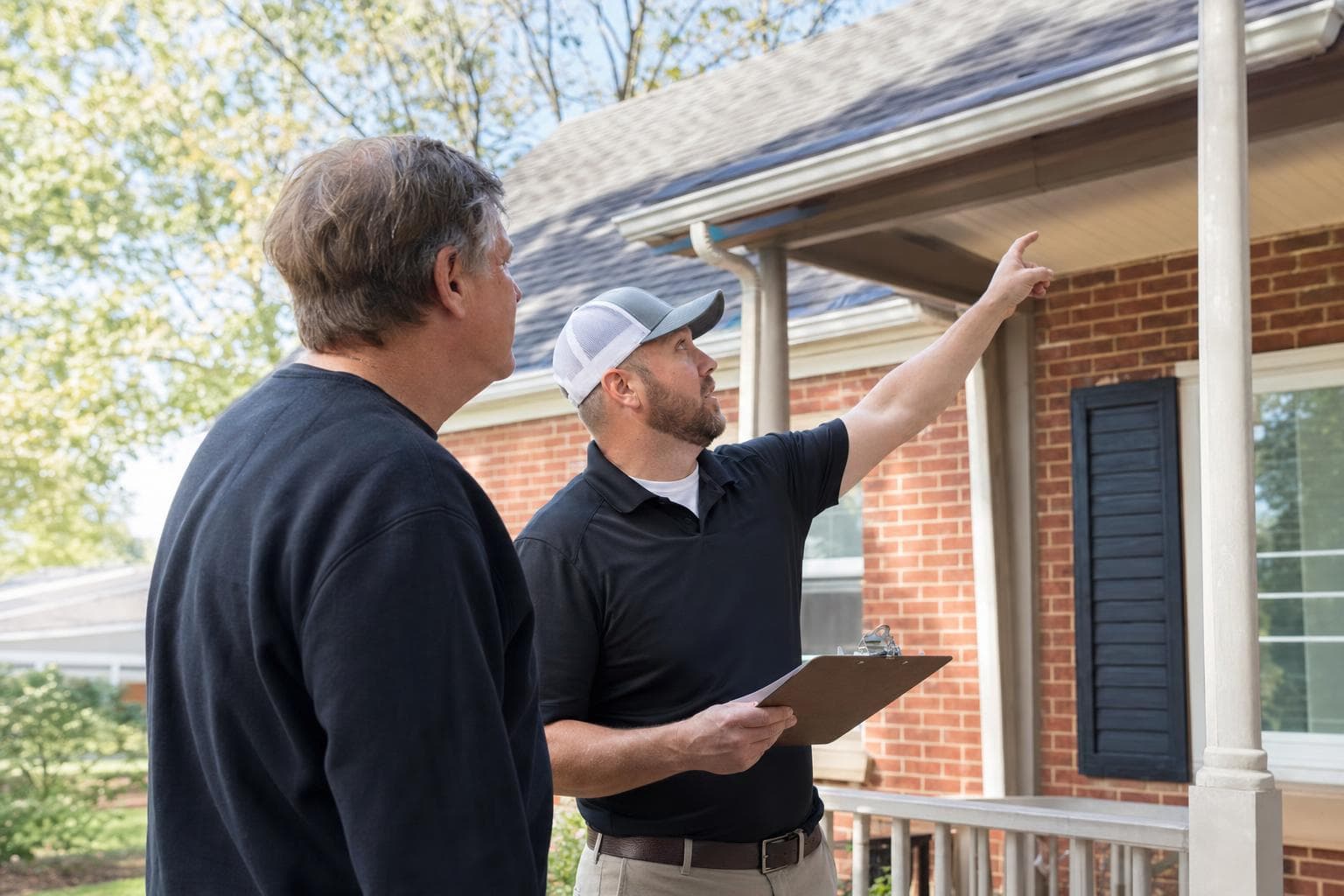
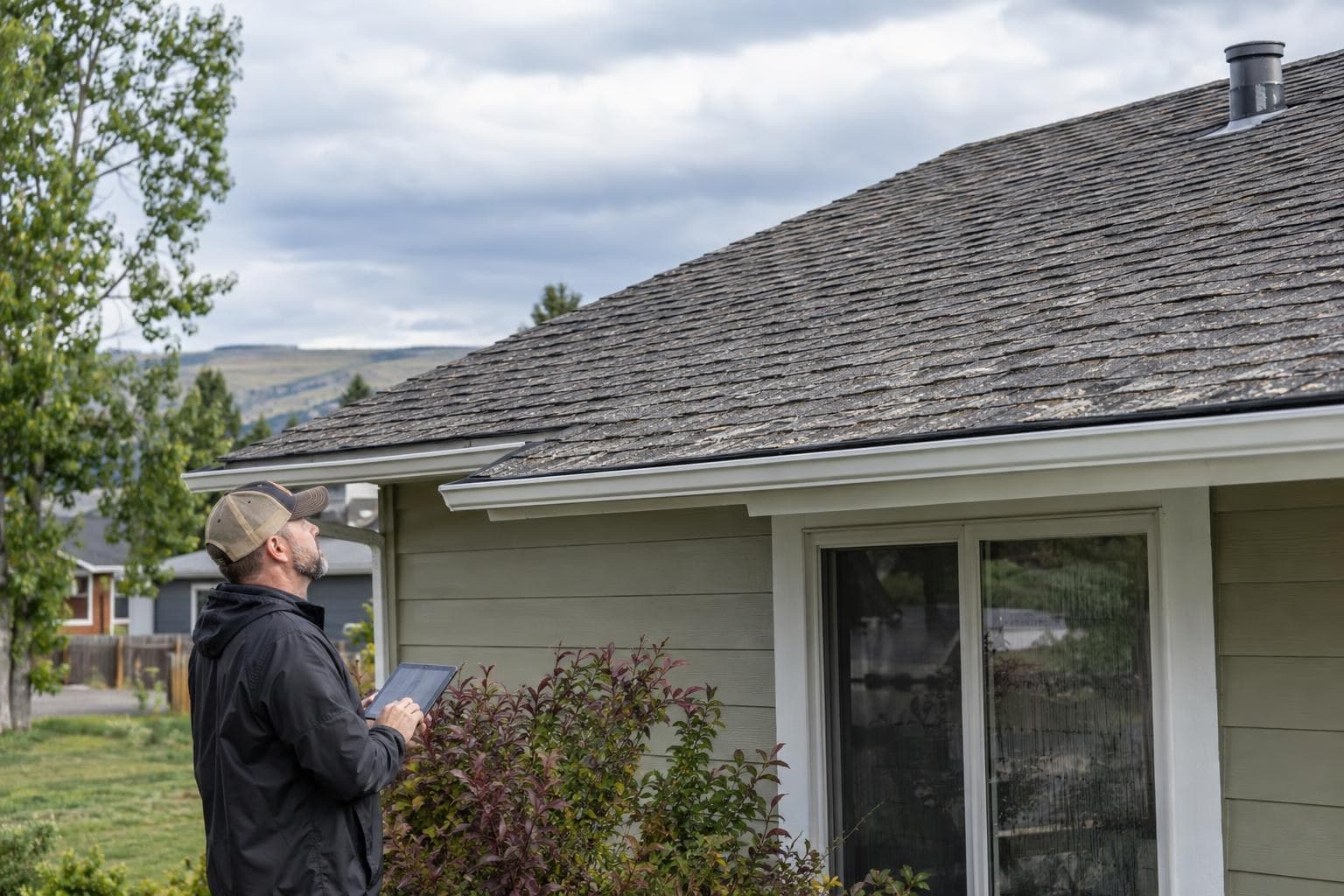
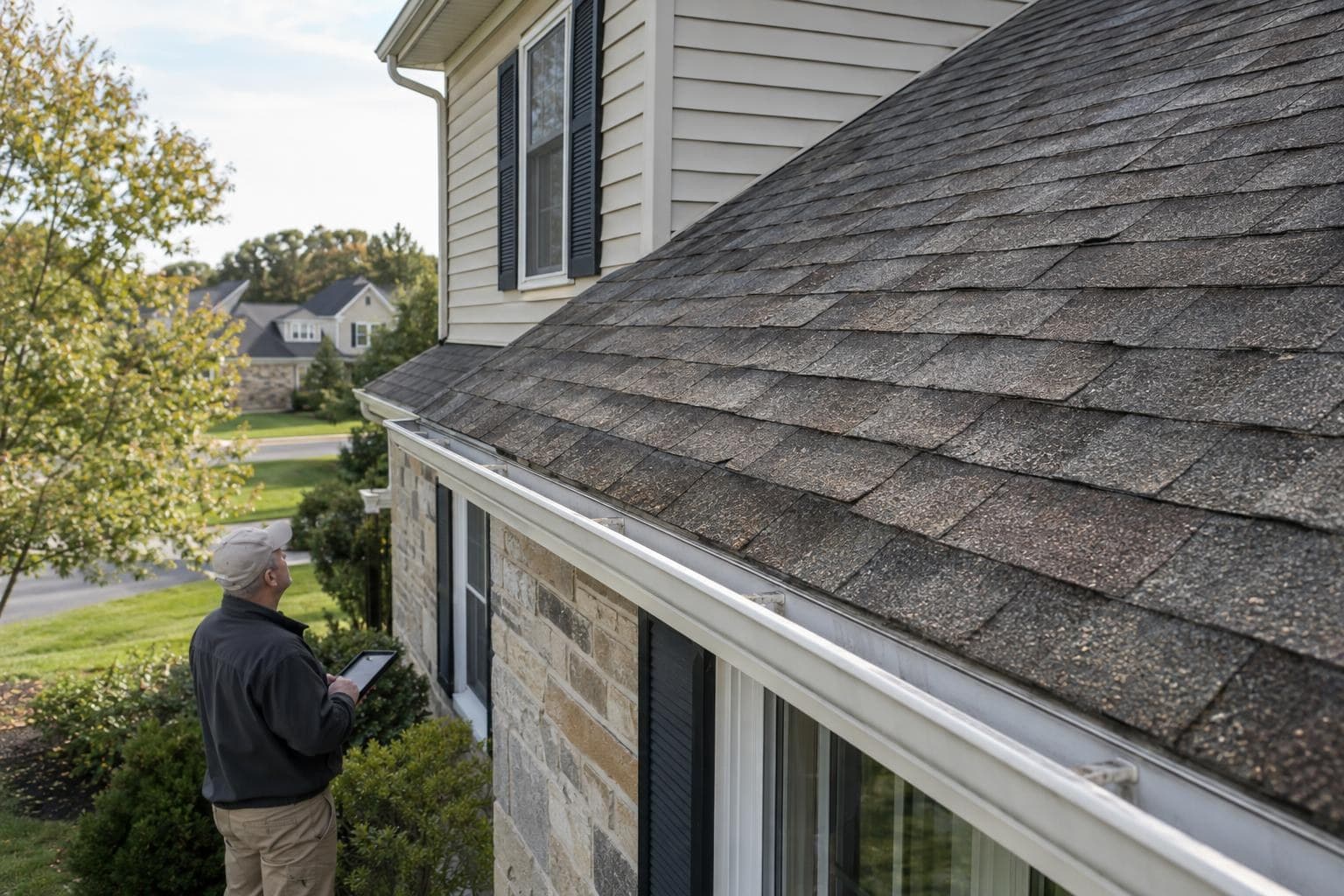
The clearest signs are repeated leaks, missing or lifted shingles, widespread granule loss, failing flashing, and repairs that keep stacking up. A roof does not have to be collapsing to be near the end. In many cases, the warning signs show up first around roof penetrations, valleys, eaves, and other transition points. Inside the home, you may notice water stains, damp attic insulation, or signs of moisture around vents and chimneys. Outside, you may see shingles that no longer lie flat, exposed fiberglass mat, cracking, or bald-looking patches where protective granules have worn away. If problems are showing up in several places at once, the roof may be aging out rather than suffering from one isolated issue.
- Shingles are missing, curling, lifting, or cracking.
- Granules are collecting in gutters or downspouts.
- Flashing looks rusted, separated, or patched repeatedly.
- Leaks return after previous repairs.
- Ceilings or attic areas show water staining or dampness.
- Storm damage keeps exposing new weak spots in different areas of the roof.
Can you repair an aging roof, or is it time to replace it?
You can repair an aging roof when the problem is isolated, but replacement makes more sense when the issues are widespread or recurring. For current Pennsylvania planning prices related to shingle roof lifespan, use the cost guide and calculator, then compare the contractor's property-specific written scope. But if your roofer is chasing leaks in multiple spots, patching old flashing over and over, or finding damage in several roof planes, repairs may only buy short-term time. Replacement gives you a chance to correct the full system, including underlayment, flashing details, ventilation, and drainage. For shingle roof lifespan in Pennsylvania, ask the contractor to put the expected working days and weather plan in writing; timing depends on roof size, material, access, crew scheduling, and conditions found after tear-off.
What does replacement cost in Pennsylvania if your shingles are worn out?
In 2026 market pricing, the cost depends on the material you choose and the layout of your roof. For shingle roof lifespan in Pennsylvania, treat a steep or difficult-to-access roof as a scope variable that the contractor should measure and price explicitly. If you are comparing options, Class 4 may be worth asking about if storm resistance is a priority. For shingle roof lifespan in Pennsylvania, any insurance credit depends on the carrier, policy, address, and exact product; get the amount and documentation requirements from the insurer in writing.
Should you consider impact-resistant shingles in Pennsylvania?
Yes, they are worth considering if your roof sees frequent storm exposure or you want a tougher replacement. In a state where roofs can take hits from windblown debris, hail, and rough weather, a stronger shingle can be a practical upgrade. If you are considering an impact-resistant roof, ask your insurer whether it offers a discount for a Class 4 rated product. Discounts and underwriting rules can vary by carrier, so the key step is to confirm eligibility, required documentation, and whether the carrier recognizes the specific roofing product your roofer proposes. The right choice depends on your budget, your roof design, and how exposed your home is to storm activity and nearby trees.
What should you do if storm damage may be shortening your roof’s life?
Start by documenting the damage, then protect the home from further harm without rushing into permanent repairs. Pennsylvania’s insurance guidance says that after a storm, you should take pictures or videos of the damage before you clean up or make repairs. After documenting, make immediate repairs that are necessary to prevent further damage, but do not make permanent repairs until your insurance company approves them. Keep all receipts for any money you spend related to the damage. The state also tells homeowners to keep their homeowners policy up to date and check with their insurance provider annually to make sure they have the right coverage. It specifically says to ask if damage from floods and wind is covered under your policy. That matters for roofing because not every weather event is handled the same way under every policy.
How do you choose a roofer when your shingle roof may be at the end?
Slow down, compare estimates, and get the scope in writing before you sign anything. Pennsylvania warns that natural disasters can attract dishonest solicitors and says you should be wary of anyone who knocks at your door, including contractors and public adjusters who may try to take advantage of you. In Pennsylvania, a smart first check is contractor registration. The Attorney General says the Home Improvement Consumer Protection Act requires all contractors who perform at least an amount that must be confirmed for the written scope worth of home improvements per year to register with the Attorney General’s Office. The Insurance Department also tells homeowners to ask for the contractor’s Home Improvement Contractor number and verify that information through the Attorney General’s contractor search or by calling 1-888-520-6680. Just as important, the Attorney General says registration under HICPA is not an endorsement, recommendation or approval of the contractor’s competency or skill. So do not stop at the registration lookup. Get more than one estimate, check references, get the scope and total cost in writing, do not sign blank sections, and do not pay in full before the work is completed.
If your shingle roof is showing multiple signs of wear, the next step is not to guess how much life is left. It is to get a clear inspection and find out whether you are dealing with a repairable issue or a roof that is aging out as a system. In Pennsylvania, roof lifespan often comes down to details: drainage, ventilation, flashing, and how quickly storm damage is handled. When those pieces are working, your roof has a better chance to last. When they are not, even a roof that looks decent from the ground can be much closer to replacement than you think.
Pennsylvania roofing costs
Sources reviewed
- Pennsylvania Insurance Department, Natural Disaster Insurance Guide
- Pennsylvania Office of Attorney General, Home Improvement Contractor Registration
- UL Solutions: UL Solutions and IBHS Drive Trust in Residential Roofing Shingles
- Asphalt Roofing Manufacturers Association: Residential Asphalt Roofing Manual: Ventilation Best Practices
- Insurance Institute for Business & Home Safety: Natural Weathering and Hazard Exposure
Related services
Updated July 27, 2026
3D Roofs Editorial Team
Editorial Standards