Updated July 10, 2026

3D Roofs Editorial Team
Editorial Standards
A shingle roof in Rhode Island can last a long time if it is installed well and checked before small issues spread, but the real answer depends on moisture, wind-driven rain, winter weather, temperature swings, and how exposed your home is to coastal conditions. In this state, the big lifespan question is not just the shingle itself. It is whether the whole roof system keeps handling water, flashing details, penetrations, and ice-related stress year after year. If you want the shortest answer, expect your roof to age based on how well it stands up to repeated wet weather and storm exposure, and plan inspections when you start seeing wear instead of waiting for a leak.
How long does a shingle roof usually last in Rhode Island?
It usually lasts as long as it can keep shedding water and resisting storm wear without widespread shingle failure, flashing breakdown, or recurring leaks. Rhode Island puts steady pressure on asphalt shingles because you need a roof system that can handle year-round moisture, wind-driven rain, winter weather, and temperature swings. Near the coast, salt air can be harder on exterior materials, which can speed up visible aging. That means two roofs of the same age can be in very different condition. One may still have useful life left, while the other may already be aging out because edges are lifting, flashing is failing, or water is getting into the attic.
What makes a shingle roof wear out faster in Rhode Island?
The biggest factors are trapped moisture, storm exposure, winter edge damage, and neglected small repairs. In Rhode Island, it usually means watching for shingle wear, flashing problems, leaks around roof penetrations, ice-related edge damage, and faster aging near the coast where salt air can be harder on exterior materials. A roof does not have to lose large sections of shingles to be in trouble. Repeated damp conditions can weaken vulnerable areas slowly. Wind-driven rain can push water into places that look fine from the ground. Freeze and thaw cycles can also turn minor edge damage into a bigger leak path over time.
- Wind can loosen shingles and lift edges, even when the damage is hard to see from the yard.
- Moisture can wear out flashing details around chimneys, vents, skylights, and wall transitions.
- Winter weather can lead to ice-related edge damage that shortens roof life at eaves and vulnerable overhangs.
- Salt air near the coast can be harder on exterior materials, which can make aging show up faster.
- Skipping maintenance lets a repairable issue spread into decking, attic insulation, ceilings, or interior finishes.
Does living near the Rhode Island coast shorten roof life?
Yes, it can shorten roof life because coastal exposure is tougher on exterior materials. The state context specifically notes faster aging near the coast where salt air can be harder on exterior materials. Coastal homes also tend to see more wind exposure and wind-driven rain, which puts more stress on shingle edges, seal lines, flashing, and fasteners. That does not mean every coastal roof fails early. It means coastal homeowners should be more proactive about inspections, especially after storms and during the later years of the roof’s life.
Talk to a roofer today
Planning ranges, scope details, and a direct path to request a roofing quote.
What are the signs a shingle roof is aging out?
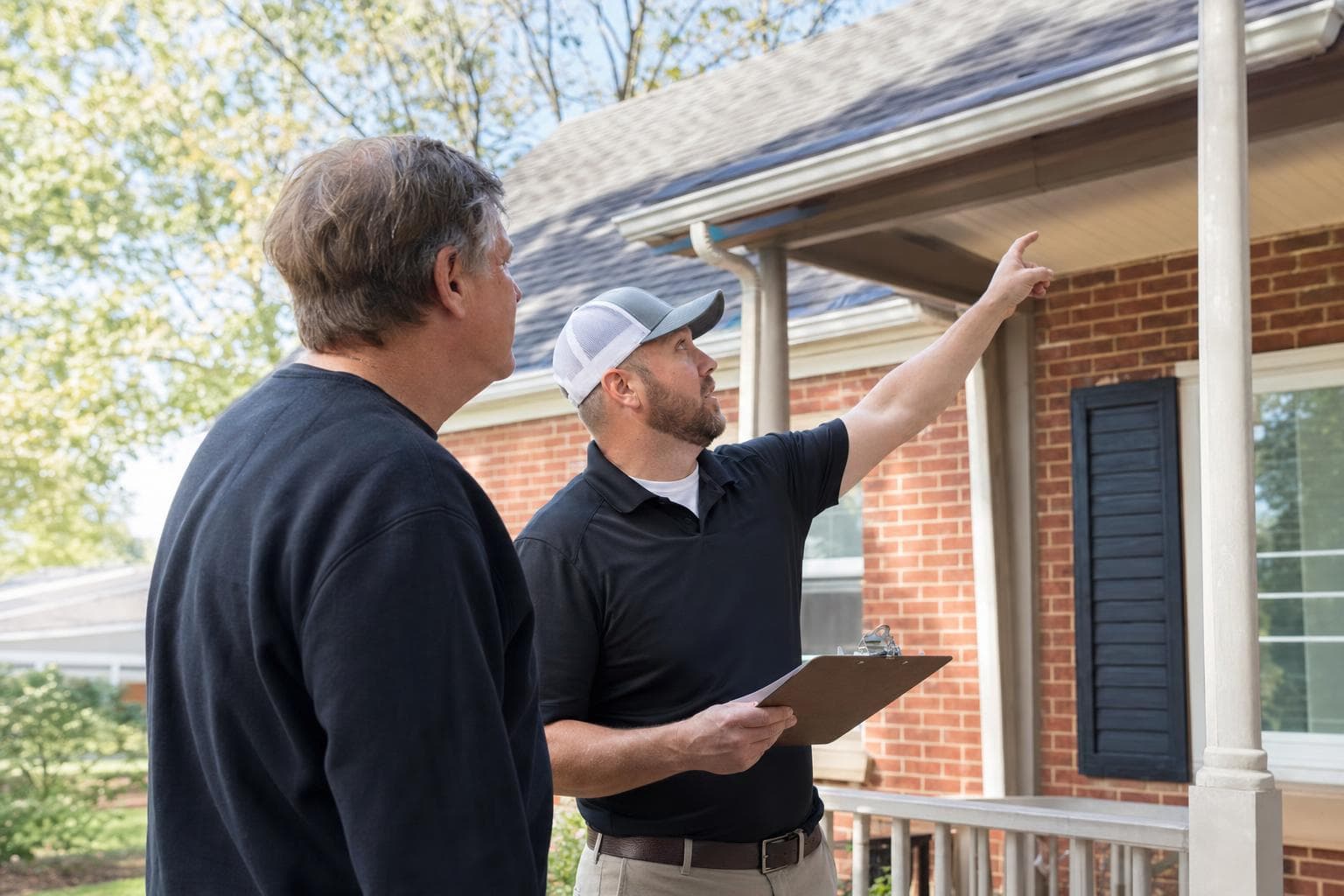
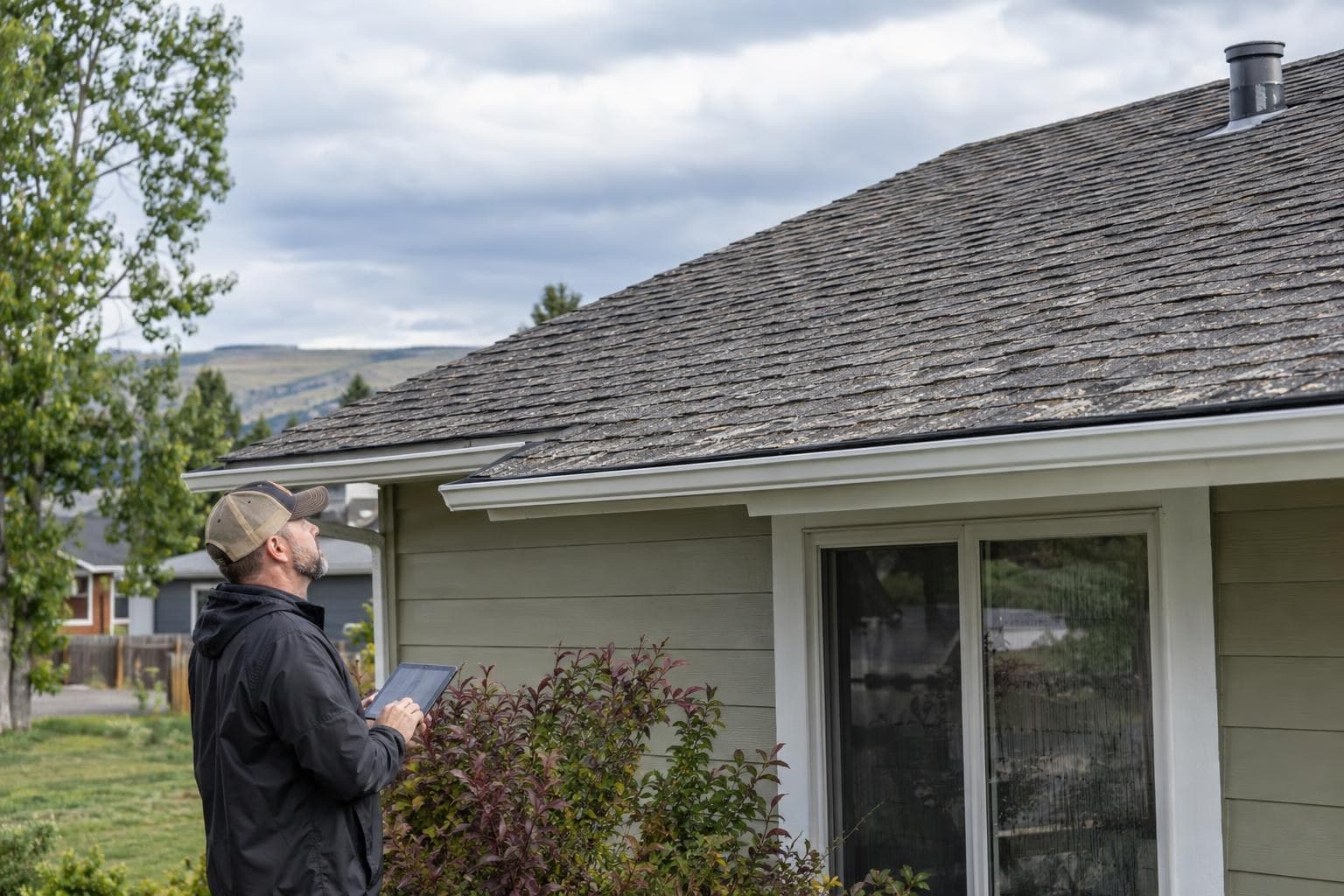
The clearest signs are repeated leaks, widespread shingle wear, damaged flashing, and visible storm-related problems that keep coming back. After storms, it helps to check for missing shingles, lifted edges, damaged flashing, and water intrusion in the attic or ceilings before small problems spread. If you are seeing those issues in more than one area, the roof may be moving past the point where isolated repairs solve the real problem. Aging out usually looks like a pattern, not one single defect.
- Missing shingles after storms
- Lifted or curled shingle edges
- Granule loss and bare-looking areas
- Damaged or rusting flashing
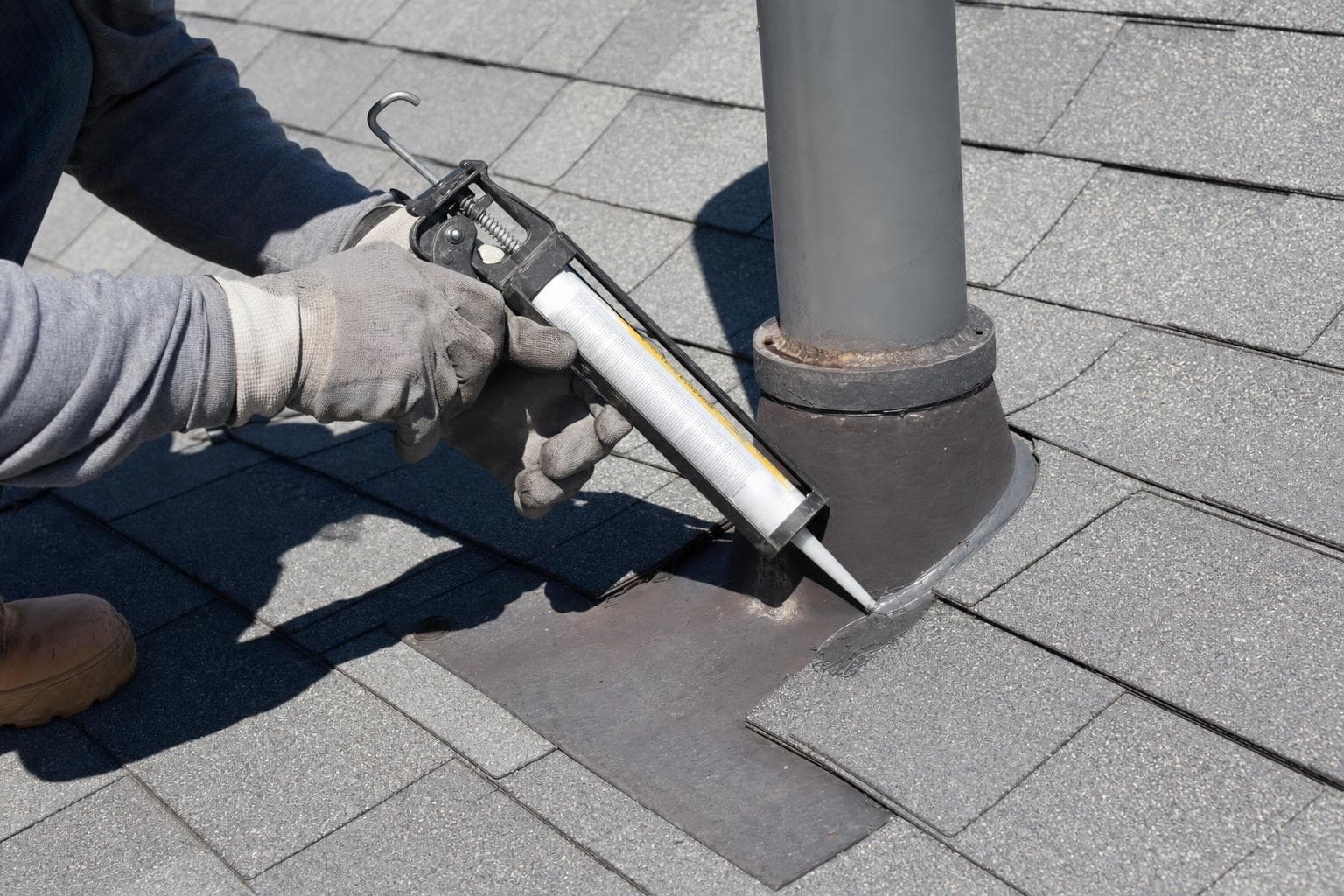
- Leaks around roof penetrations
- Water stains in attic spaces or on ceilings
- Ice-related edge damage at eaves
- Repairs that keep showing up in new places
When does a repair still make sense?
A repair still makes sense when the issue is limited, the surrounding shingles are still holding up, and the roof system is not failing in multiple areas. That can be the right move if a storm pulled off a few shingles, flashing failed in one section, or a roof penetration started leaking while the rest of the roof remains in solid shape. The key is to make sure you are fixing a local problem, not delaying a replacement on a roof that is already wearing out across the whole surface.
When is replacement the better move?
Replacement is usually the better move when the roof has broad wear, recurring leaks, or storm damage spread across multiple sections. If the roof is aging out, repeated patching can cost you more while still leaving hidden weak points in place. When planning a shingle condition and replacement plan in Rhode Island, ask how roof shape, staging, weather, inspections, and concealed deck conditions affect both duration and labor. Use the current Rhode Island cost page and calculator to plan a shingle condition and replacement plan in Rhode Island, then require the measured scope to explain any meaningful difference.
Should you consider impact-resistant shingles in Rhode Island?
Yes, they are worth considering if you want a tougher roof covering and you plan to ask your carrier about savings. Do not assume a statewide Class 4 credit in Rhode Island; ask the carrier to verify eligibility and paperwork for the exact product and policy. The practical move is to ask your insurance carrier whether it offers a discount for a Class 4 rated roof covering, what documentation it wants, and then make sure your roofer can provide the product information your carrier requires. If you are already replacing an aging shingle roof, this is a smart comparison to make before you choose materials.
Will insurance cover an old or leaking roof in Rhode Island?
Insurance may cover sudden damage from a covered peril, but it does not cover every cause of loss. The state explains that homeowners insurance pays for losses and damages to your home if it is damaged or destroyed by fire, weather, theft, or another covered disaster. It also says you are only covered for a loss caused by a peril your policy covers, and you should review your policy limits and exclusions to understand what damage is excluded. Rhode Island also says, plainly, that homeowners insurance is not flood insurance and does not cover losses from flood. If you run into a claim issue, the Rhode Island Division of Insurance says, "We can help." If you cannot secure property insurance coverage through the voluntary market, the Rhode Island Division of Insurance says you should contact the Rhode Island Joint Reinsurance Association for further assistance.
How can you make a shingle roof last longer in Rhode Island?
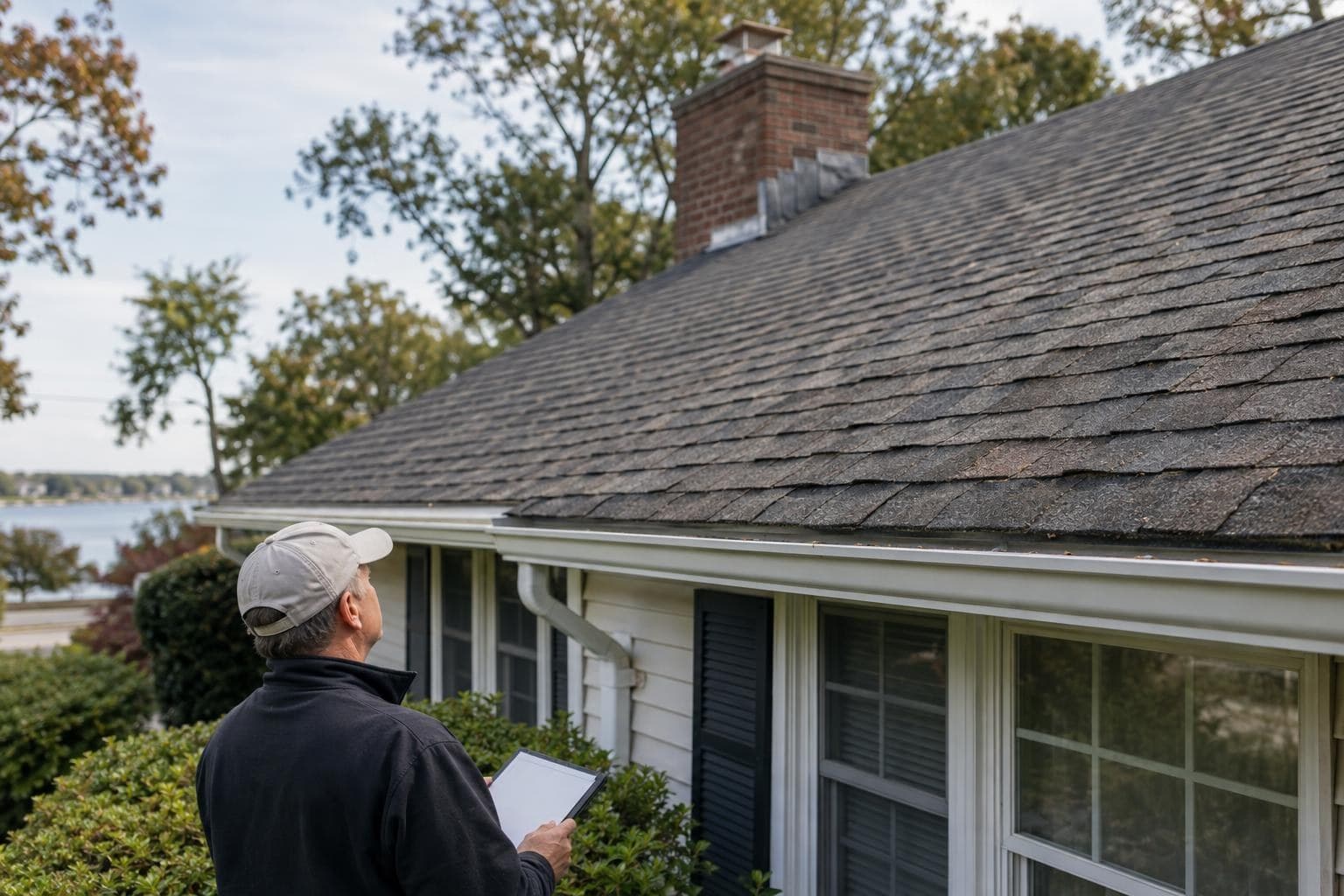
The best way is to catch damage early, keep water moving off the roof, and get a clear scope when work is needed. In practical terms, that means checking after storms for missing shingles, lifted edges, damaged flashing, and water intrusion in the attic or ceilings before small problems spread. It also means not ignoring leaks around penetrations or edge damage after winter. When you hire a qualified local roofing contractor, compare the written scope closely, including materials, flashing details, and cleanup terms. In Rhode Island, a smart first step is to look up your roofer through the state’s Search a Registrant/Licensee tools and confirm they are properly registered for residential construction work. You can also ask who will perform the work, whether any subcontractors will be used, and how the repair or replacement plan addresses vulnerable areas like penetrations, valleys, and eaves.
Sources
- Asphalt Roofing Manufacturers Association: Residential Asphalt Roofing Manual: Ventilation Best Practices
- Insurance Institute for Business & Home Safety: Natural Weathering and Hazard Exposure
- Rhode Island Division of Insurance, Consumers
- Rhode Island Contractors' Registration and Licensing Board, Commercial Roofing License
Reviewed technical references for Rhode Island
Related Rhode Island roofing guides
Related services
Updated July 10, 2026
3D Roofs Editorial Team
Editorial Standards