Updated July 10, 2026

3D Roofs Editorial Team
Editorial Standards
A shingle roof in Utah can last a long time, but the real answer depends on how well it handles snow, ice, wind, sun, and storm damage over the years. Your roof in Utah can take stress from wind, wind-driven rain, falling branches or trees, heavy snow weight, ice, freeze-thaw cycles, and long periods of sun exposure. That mix can wear shingles faster than homeowners expect, especially if small problems are left alone. If you are trying to decide whether your roof still has years left or is nearing replacement, the best place to start is with the climate, the condition of the shingles, and whether repairs are starting to add up.
How long does a shingle roof last in Utah?
It depends on weather exposure, installation quality, attic ventilation, and how quickly damage gets addressed. In Utah, shingles often age from a combination of long sun exposure, winter stress, and storm hits that may not look serious from the ground. A roof that avoids repeated storm damage and gets routine inspections can last meaningfully longer than one that deals with wind, ice, branch strikes, and neglected leaks. The practical takeaway is simple: your roof lifespan in Utah is less about a single number and more about how much climate stress it has taken and how well it has been maintained.
What parts of Utah weather wear shingles out faster?
The biggest roof-life reducers are the same hazards Utah homeowners deal with year after year. Snow and ice can hold moisture in place. Freeze-thaw cycles can widen small cracks and loosen shingle seals. Wind can lift edges and break the bond between shingles. Strong sun exposure dries roofing materials over time and can make aging shingles more brittle. Even if your roof looks mostly fine from the yard, repeated weather stress can shorten its useful life.
- Wind can lift or crease shingles and expose nails or seams.
- Wind-driven rain can push water into weak spots around flashing and roof penetrations.
- Heavy snow weight adds strain across the roof surface and framing.
- Ice and freeze-thaw cycles can turn minor wear into leaks.
- Falling limbs can knock off granules, crack shingles, or puncture the roof.
- Long sun exposure can dry out shingles and speed up brittleness.
What shortens the lifespan of a shingle roof besides weather?
Poor installation details, skipped maintenance, and delayed repairs can shorten roof life just as much as the climate. A roof can fail early if flashing was not installed well, if ventilation is off, or if past repairs only patched symptoms instead of the cause. Tree limbs rubbing the roof, clogged drainage paths, and interior moisture issues can also speed up wear. If a leak starts after a storm and sits too long, the damage can spread under the shingles and into the decking.
Talk to a roofer today
Planning ranges, scope details, and a direct path to request a roofing quote.
How do you know if your Utah shingle roof is aging out?
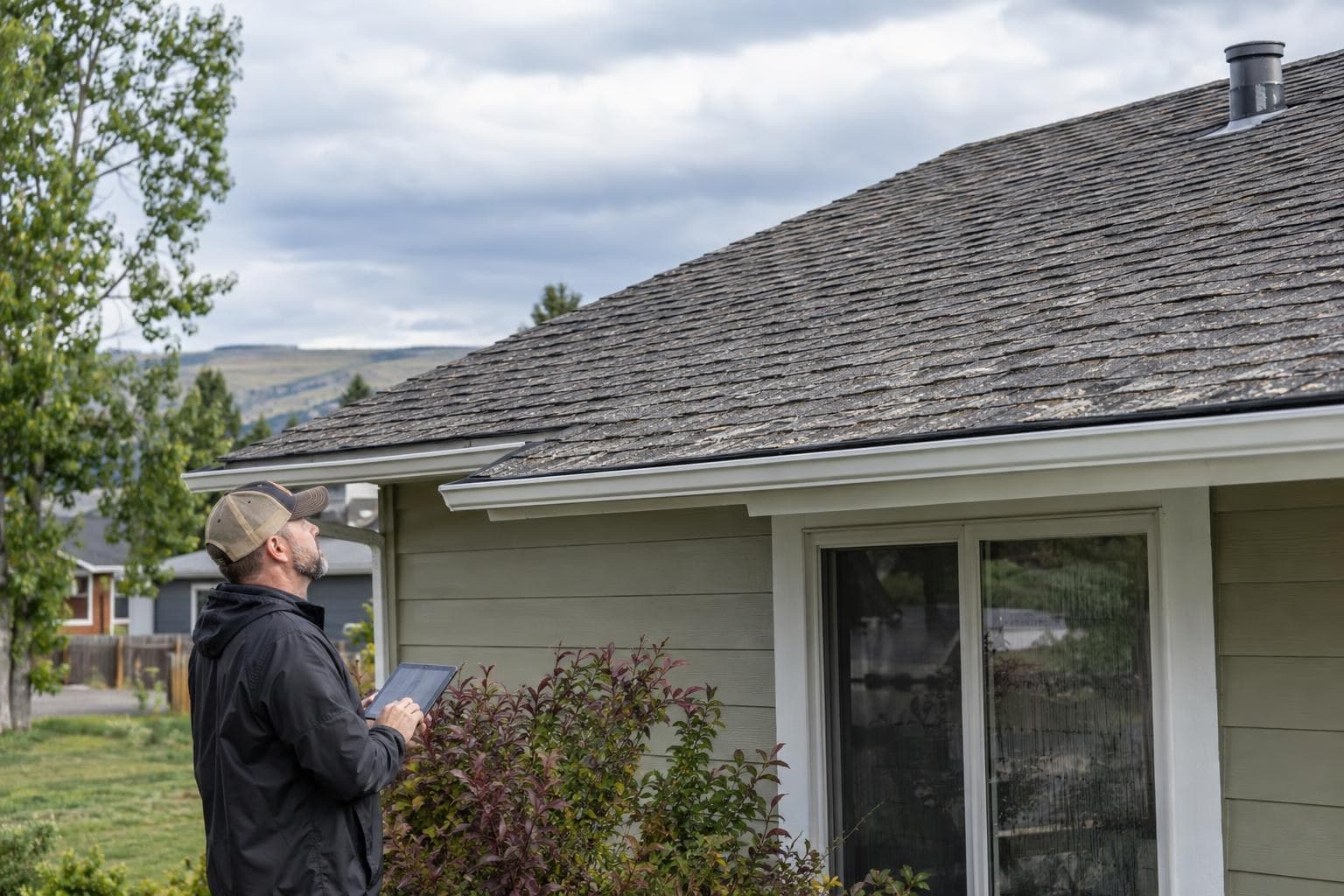
The clearest sign is that damage is no longer isolated. When wear shows up in several areas at once, your roof may be nearing the end of its useful life. You might see shingles that are curling, cracking, slipping, or losing granules. You may also notice repeated leaks after snow or wind events, soft spots underfoot, stained ceilings, or flashing problems around vents and valleys. If the roof keeps needing work after storms, or if one repair reveals more weak areas nearby, that usually means age is catching up with the system as a whole.
- Shingles are curling, cracking, or look brittle.
- Granule loss is visible in gutters or at downspouts.
- Shingle tabs are missing, loose, or creased from wind.
- Leaks keep returning after repairs.
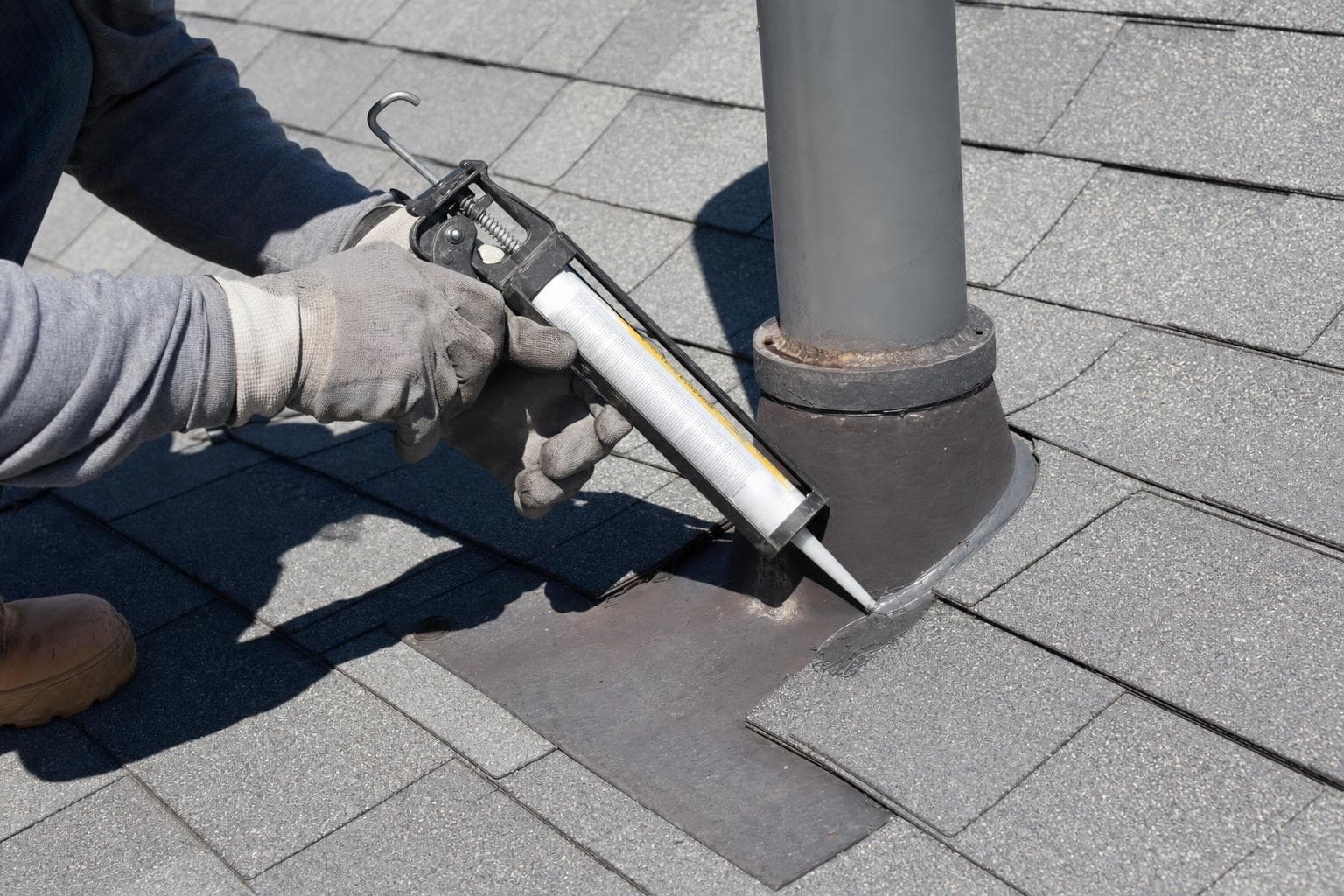
- Flashing around penetrations or roof edges is failing.
- The roof looks uneven or feels soft in spots.
- Interior stains appear after snow melt or wind-driven rain.
Should you repair or replace an aging shingle roof in Utah?
Repair makes sense when the problem is limited and the rest of the roof is still in solid shape. Replacement makes more sense when damage is widespread, repairs are recurring, or the roof has become vulnerable across multiple areas. In Utah, storms can expose hidden weak spots fast, so a roof that seems repairable at first may not stay that way after inspection. Before approving a shingle condition and replacement plan in Utah, have the bidder connect timing to roof complexity, crew access, material handling, weather, inspections, and concealed conditions. Check current Utah cost data for a shingle condition and replacement plan in Utah, then replace the range with an assembly-specific proposal based on measured conditions.
Does impact resistance matter for roof life in Utah?
Yes, it can matter if your roof sees hail or branch strikes, and it may also affect your insurance costs. If you are replacing an aging roof after storm wear, ask whether a Class 4 shingle fits your home and budget. Ask your insurer whether it offers a discount for a Class 4 impact-resistant roof. Discounts, if any, are set by the carrier, and your eligibility depends on the insurer's rules and your specific product documentation. A Class 4 rating does not establish a policy credit in Utah; the carrier and policy determine eligibility, documentation, and savings. If you are replacing the roof after storm damage, ask your roofer for the exact product rating paperwork and confirm with your insurer before you count on any savings.
What should you do after a Utah storm if you think your roof aged out?
Document the damage fast, protect the interior, and avoid permanent repairs until the insurance process is at the right stage. State consumer guidance says quick documentation and temporary dry-in matter because added interior damage can complicate the claim. The Utah Insurance Department tells homeowners to make repairs necessary to prevent further damage, such as covering broken windows, leaking roofs, and damaged walls. It also says, "Do not have permanent repairs made until your insurance company has inspected the property and you have reached an agreement on the cost of repairs." Save receipts, including temporary repair receipts covered by your policy.
- Take photos of missing shingles, dents, fallen branches, leaks, and interior staining.
- Use temporary dry-in measures to help prevent further water damage.
- Save receipts for temporary protection work and related materials.
- Report the claim promptly and keep a record of conversations and documents.
- Wait on permanent repairs until inspection and agreement on repair cost.
What if your Utah roof claim stalls or the settlement seems off?
You have state-backed standards to point to, and you can ask the Utah Insurance Department for help. The Utah Insurance Department says home claims information for Utah includes laws on "Timely payment of claims" and "Unfair claim settlement practices." It also lists Rule R590-190, "Unfair Property, Liability and Title Claims Settlement Practices," and says this includes homeowner policies. The Utah Insurance Department also lists "31A-19a-212 Premium increases prohibited for certain claims or inquiries" as part of its home claims information for Utah. If you have a dispute with your insurer about the amount or terms of the claim settlement, the department says you can contact it for assistance. It also says it does not have the authority of a court to settle disputes of unwilling parties, or to order or enforce payment of individual claims, but that many problems are successfully resolved during its regulatory investigation.
How do you choose the right roofer when your roof may be aging out?
Start by verifying Utah license status, then compare written estimates carefully. In Utah, start by confirming your roofer holds the right Utah contractor license and use the state verify-a-license tool. For you as a homeowner, the practical move is simple: verify the contractor's Utah license status first, then compare written estimates and read every document before you sign. The Utah Insurance Department warns you to be wary of door-to-door roof inspection offers after a storm, out-of-state contractors approaching you after disasters, pressure to quickly sign electronic documents, especially Assignment of Benefit forms, and requests for upfront payment. It also tells homeowners to get at least three written estimates, work with the insurer, and require copies of invoices sent to the insurer.
If your shingle roof is showing broad wear, recurring leaks, or storm damage that keeps exposing new issues, now is the time to get it looked at. a roofer whose credentials and written scope you checked can tell you whether a targeted repair is enough or whether replacement is the better long-term move for your Utah home.
Sources
Reviewed technical references for Utah
Related Utah roofing guides
Related services
Updated July 10, 2026
3D Roofs Editorial Team
Editorial Standards