Updated July 27, 2026

3D Roofs Editorial Team
Editorial Standards
A shingle roof in West Virginia can last a long time, but the climate often shortens that lifespan if small problems are left alone. Your roof has to handle frequent moisture, freeze-thaw cycles, snow load in winter, and wind-driven rain during storms. In real terms, that means shingles can lift, lose granules, and wear faster around chimneys, valleys, and vents. If you want your roof to last, regular inspections and quick repairs matter more here than they do in milder, drier places.
How long does a shingle roof last in West Virginia?
The short answer is that your roof can last for many years, but West Virginia weather often makes condition more important than age alone. Two roofs installed the same year can age very differently depending on moisture exposure, winter ice, shade, drainage, ventilation, and storm hits. That is why the better question is not just how old the roof is, but how it is holding up in the trouble spots where this climate causes the most wear.
What in West Virginia shortens the life of a shingle roof?
The biggest life-shortening factors are moisture, freeze-thaw movement, snow and ice stress, and wind-driven rain. Water that lingers on lower-slope or shaded areas can keep shingles damp longer and make drainage and ventilation more important. Freeze-thaw cycles can widen small weaknesses around nail lines, flashing, and shingle edges. Snow load adds winter stress, and ice-related damage around eaves can push water where it does not belong. During storms, wind-driven rain can work under lifted shingles and expose weak flashing details.
- Frequent moisture can keep shingles and roof details wet longer than they should be
- Freeze-thaw cycles can turn minor wear into split seals, lifted edges, and leaks
- Snow load in winter adds stress to an already aging roof system
- Wind-driven rain can exploit lifted shingles and weak flashing
- Shaded or lower-slope sections often stay damp longer, which makes drainage and ventilation more important
- Chimneys, valleys, and vents usually wear faster than broad open roof planes
Which parts of the roof usually wear out first?
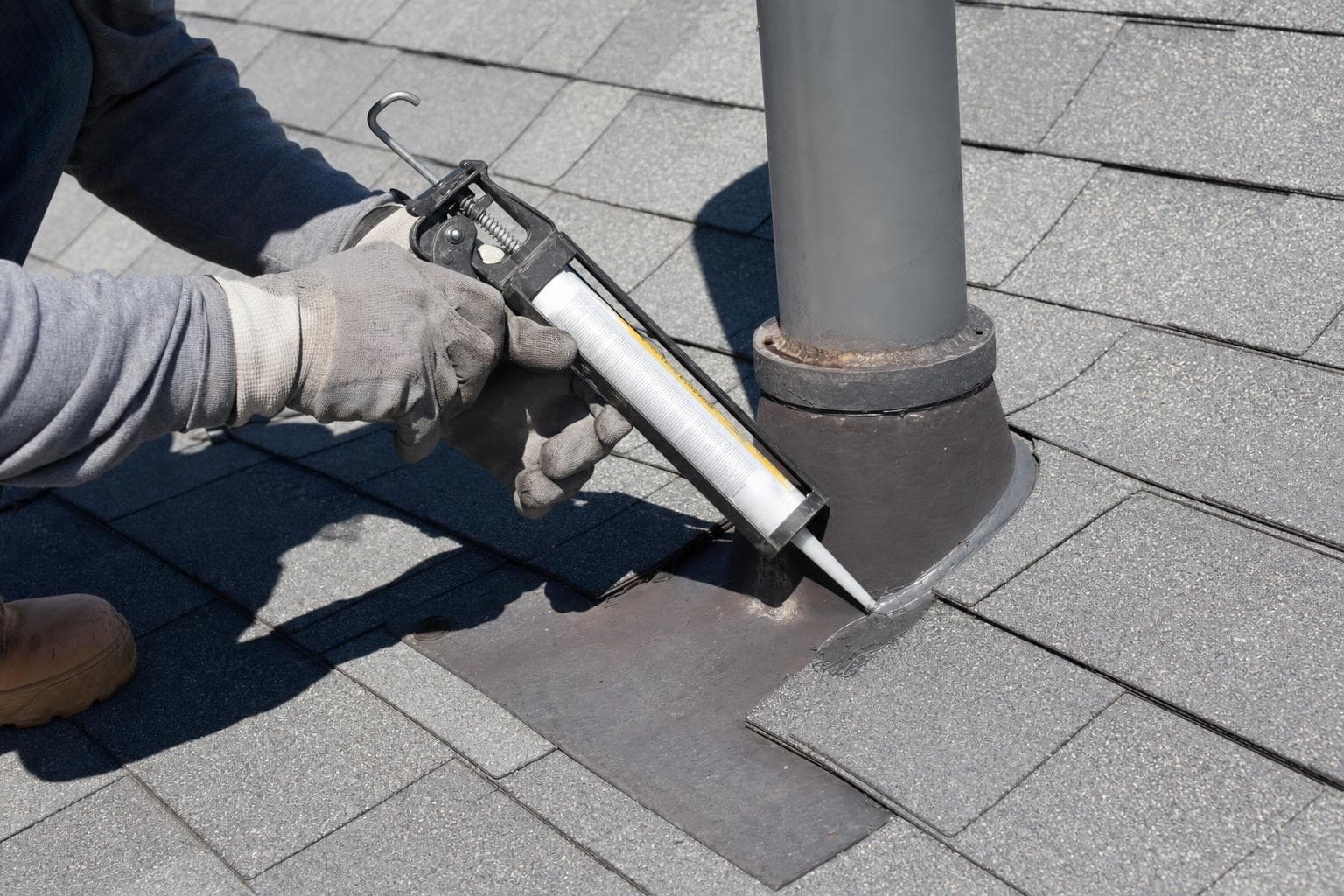
In West Virginia, roofs often age out first at the details, not the middle of the field. Faster wear around chimneys, valleys, and vents is common. Flashing leaks, ice-related damage around eaves, and isolated shingle lifting tend to show up before the whole roof looks bad from the street. That means you can have a roof that seems fine at a glance but is already failing in the areas most likely to let water in.
Talk to a roofer today
Planning ranges, scope details, and a direct path to request a roofing quote.
What are the signs a shingle roof is aging out?
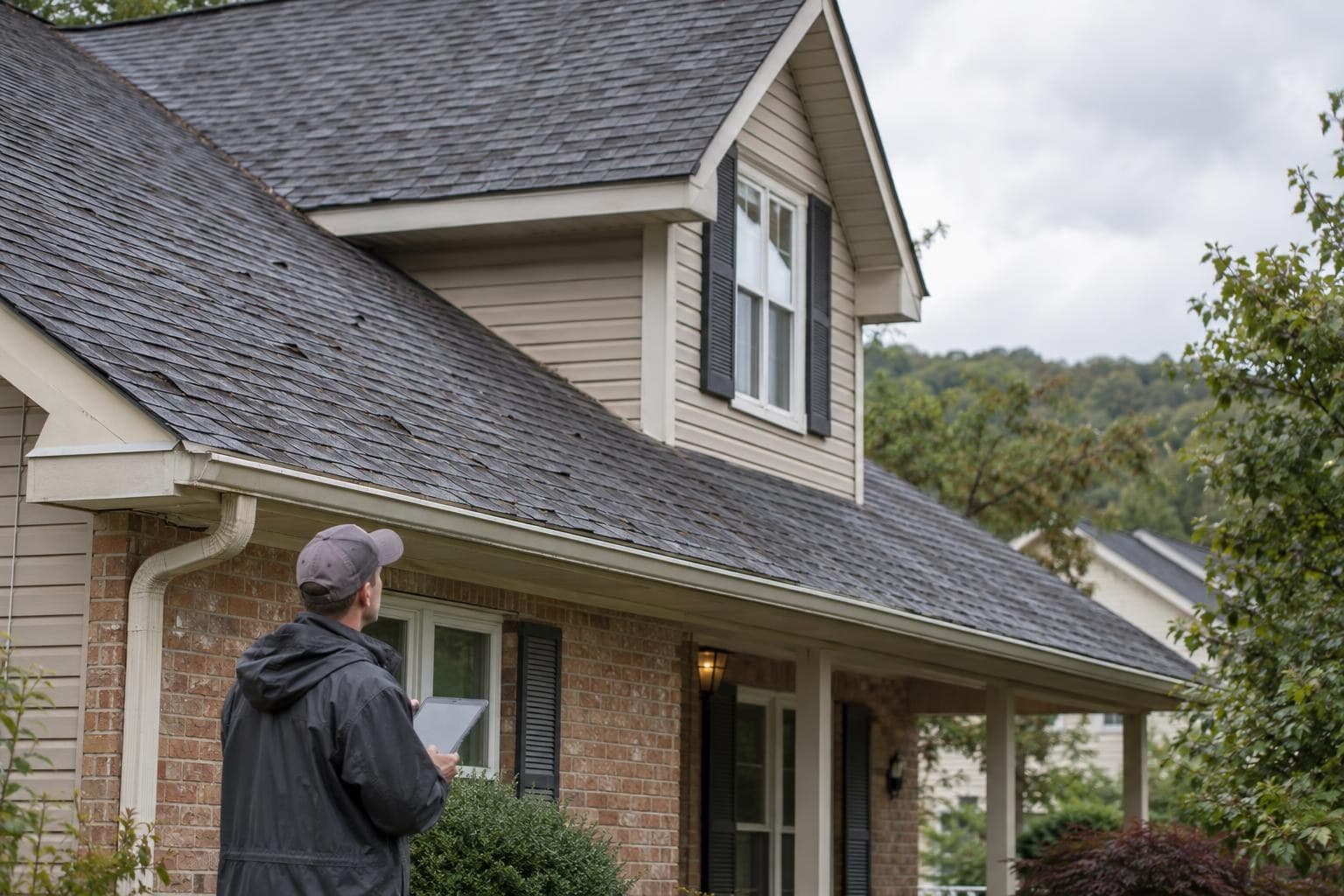
The clearest signs are lifted shingles, granule loss, recurring flashing leaks, and repeated trouble around eaves or roof penetrations. If you keep fixing one leak after another, or if the same areas fail through more than one season, your roof may be near the point where repairs stop making sense. A roof that is aging out usually shows a pattern of wear, not just one isolated issue.
- Lifted shingles after storms or windy weather
- Noticeable granule loss
- Leaks around flashing, chimneys, valleys, or vents
- Ice-related damage around eaves
- Moisture problems that keep returning in shaded or lower-slope areas
- Repairs that solve one issue but another appears soon after
Can repairs extend the life of an older roof?
Yes, repairs can extend the life of an older roof when the problem is limited and the surrounding materials are still in decent shape. That can be the right move if the damage is confined to flashing, a small storm-hit area, or a few shingles that lifted before water spread further. But if your roof has widespread granule loss, repeated leaks, or broad moisture-related wear, repairs may only buy you a short runway.
When does replacement make more sense than another repair?
Replacement makes more sense when wear is widespread, the same leak patterns keep returning, or multiple vulnerable areas are failing at once. If valleys, flashing, eaves, and shingle tabs are all showing age together, patching one section may leave you chasing the next weak spot. A replacement also gives you a chance to improve the full system, especially drainage, ventilation, and the weather-sensitive details that often fail first in this climate. The schedule for a shingle condition and replacement plan in West Virginia should explain access, material staging, weather protection, inspections, and the process for discovered deck work.
What should you choose if your West Virginia roof is near the end?
If your roof is aging out, the right choice depends on your budget, your storm exposure, and how long you plan to stay in the home. For an early budget on a shingle condition and replacement plan in West Virginia, compare the West Virginia cost page with a proposal that identifies measurements, products, accessories, and exclusions. If hail and storm durability are part of your thinking, ask about Class 4 options. When comparing a shingle condition and replacement plan in West Virginia, use a written insurer response rather than a sales estimate for any impact-resistant roof credit. You can also see full local pricing on the West Virginia cost page and the calculator.
How can you protect yourself if there is a roofing or insurance dispute?
Start by keeping records and checking details early. Ask your roofer for the exact business name they use for licensing records, confirm the record in the public search, and keep copies of the contract, scope, and any claim correspondence. If a dispute comes up over contractor conduct, you can use the board's complaint process. If the dispute is with your homeowners carrier, West Virginia's Property and Casualty Consumer Services Unit helps consumers with homeowners insurance questions and concerns. State guidance says it can help with insurance complaints involving sales and policyholder services, premium rates and refunds, cancellations and non-renewals, and claim delays and denials. Check the current complaint instructions and processing information with the West Virginia Offices of the Insurance Commissioner before relying on a timeline.
If you cannot secure property insurance in the voluntary market, state guidance says the West Virginia FAIR Plan began operating in 1986 to make basic property insurance available to persons with an insurable interest in real or tangible personal property located in West Virginia who have been unable to secure such insurance from the voluntary insurance market. For most homeowners, the practical takeaway is simple: document the roof condition, act on leaks early, and get an inspection when you start seeing lifted shingles, granule loss, flashing leaks, or ice damage around the eaves. In West Virginia, those are not small warning signs. They are often the way a roof tells you its lifespan is running short.
Sources
Reviewed technical references for West Virginia
Related West Virginia roofing guides
Related services
Updated July 27, 2026
3D Roofs Editorial Team
Editorial Standards