Updated July 10, 2026

3D Roofs Editorial Team
Editorial Standards
Roof replacement follows a sequence, but it does not follow one universal day-by-day calendar. Roof area, slope, height, access, material, removal layers, deck condition, crew, inspections, weather, and delivery all affect duration. The homeowner needs something more useful than a promised number of days: a written operating plan for what is opened, how it is kept dry, how concealed work is approved, and what records prove the specified system was completed.
Before scheduling, turn the proposal into a buildable scope
The contract should name the existing roof, removal and disposal, deck terms, underlayment, leak barriers, edges, flashing, penetrations, covering, attachment, ventilation or condensation strategy, accessories, permits or approvals, property protection, cleanup, warranties, and payment milestones. Identify the exact product line and substitution process. If an item is an allowance or option, keep it separate from included base work.
- Confirm the legal contractor name, responsible project contact, installer or subcontractor roles, and required credentials and insurance.
- Identify who verifies permit, product approval, association, historic, utility, solar, or other address-specific requirements.
- Set material delivery, storage, driveway, dumpster or trailer, restroom, power, water, and daily access expectations.
- Agree on approximate start conditions and communication when weather, supply, inspection, or concealed work changes the schedule.
- Define the documents and physical conditions that must be complete before each payment becomes due.
Use a preconstruction meeting to protect the property
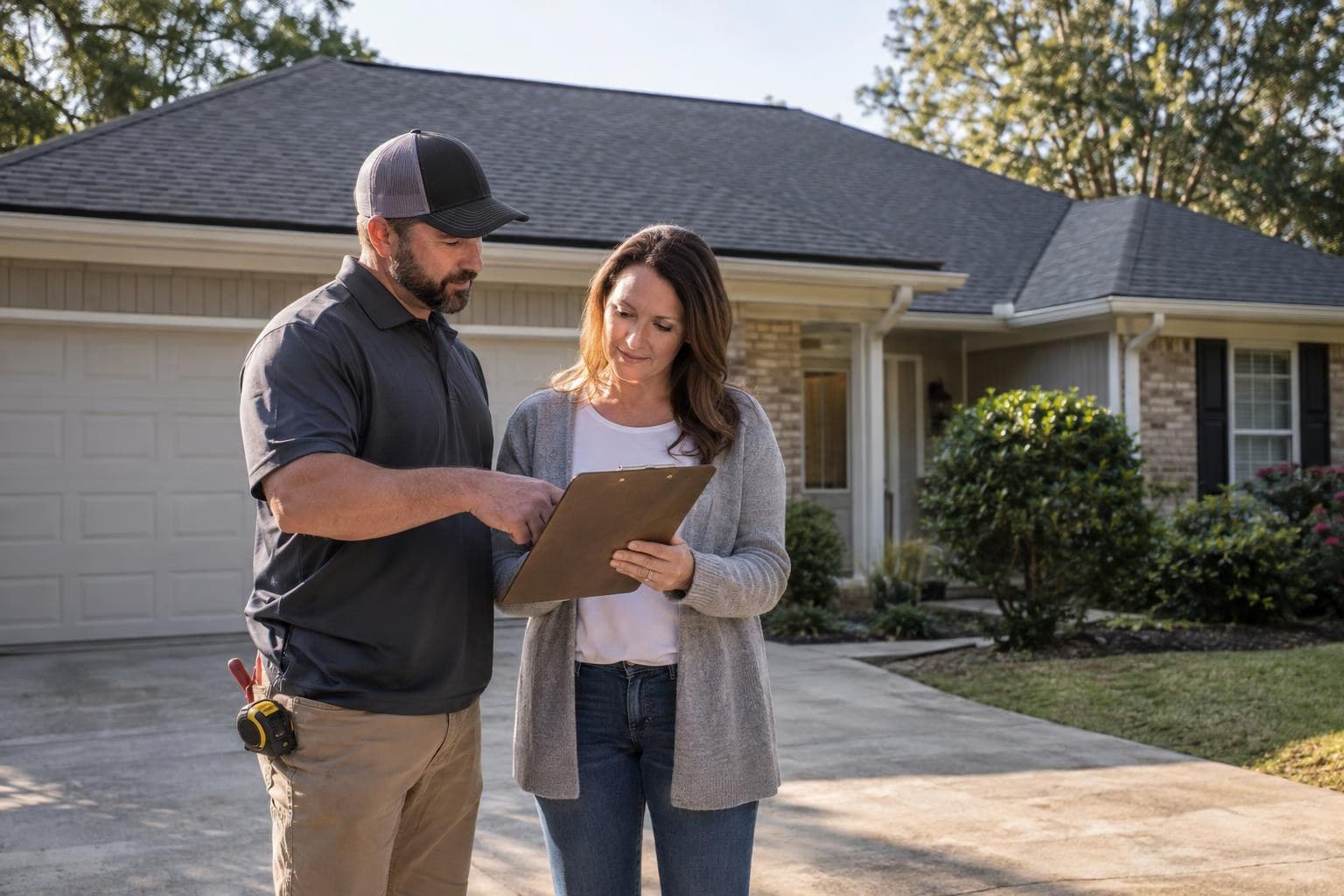
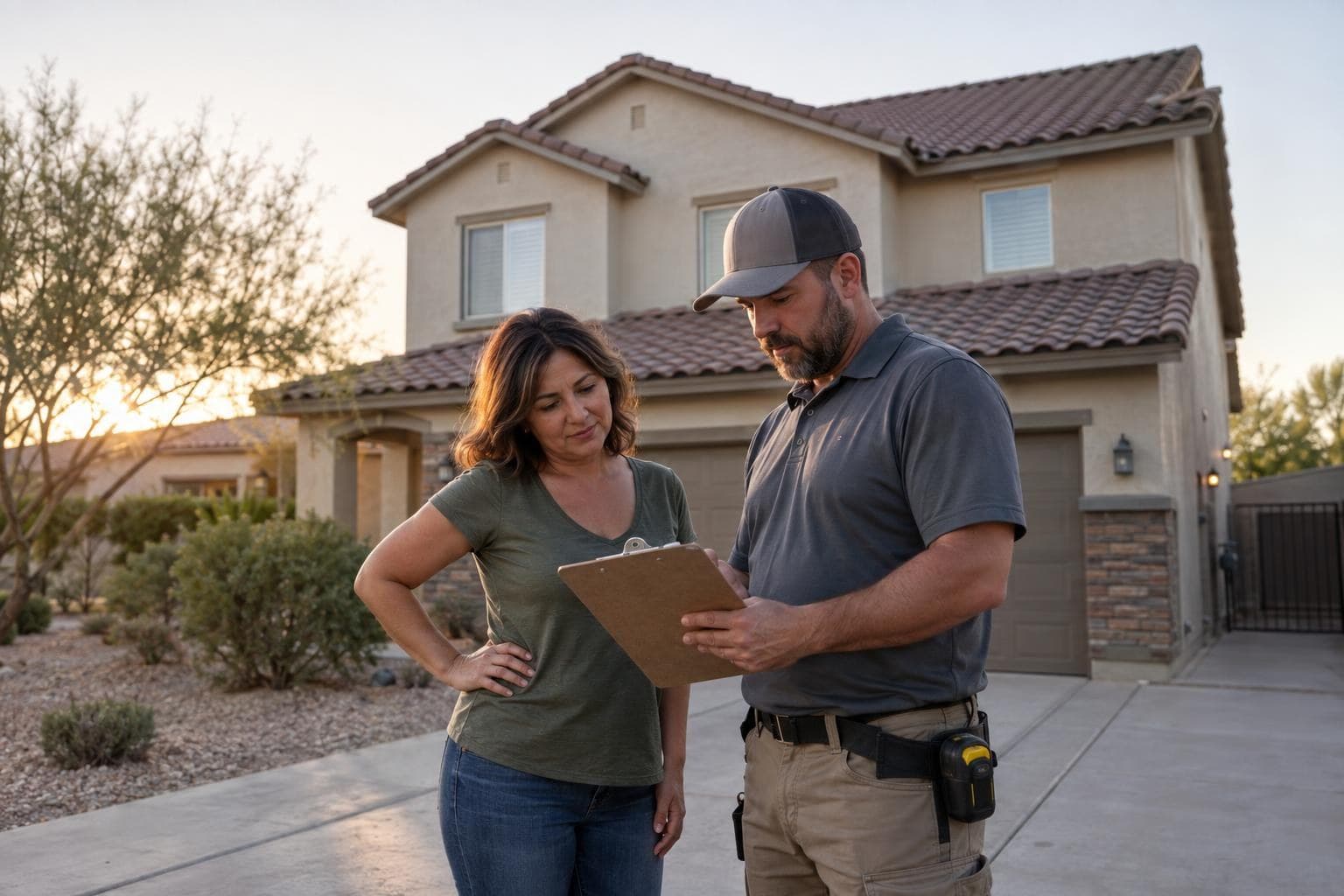
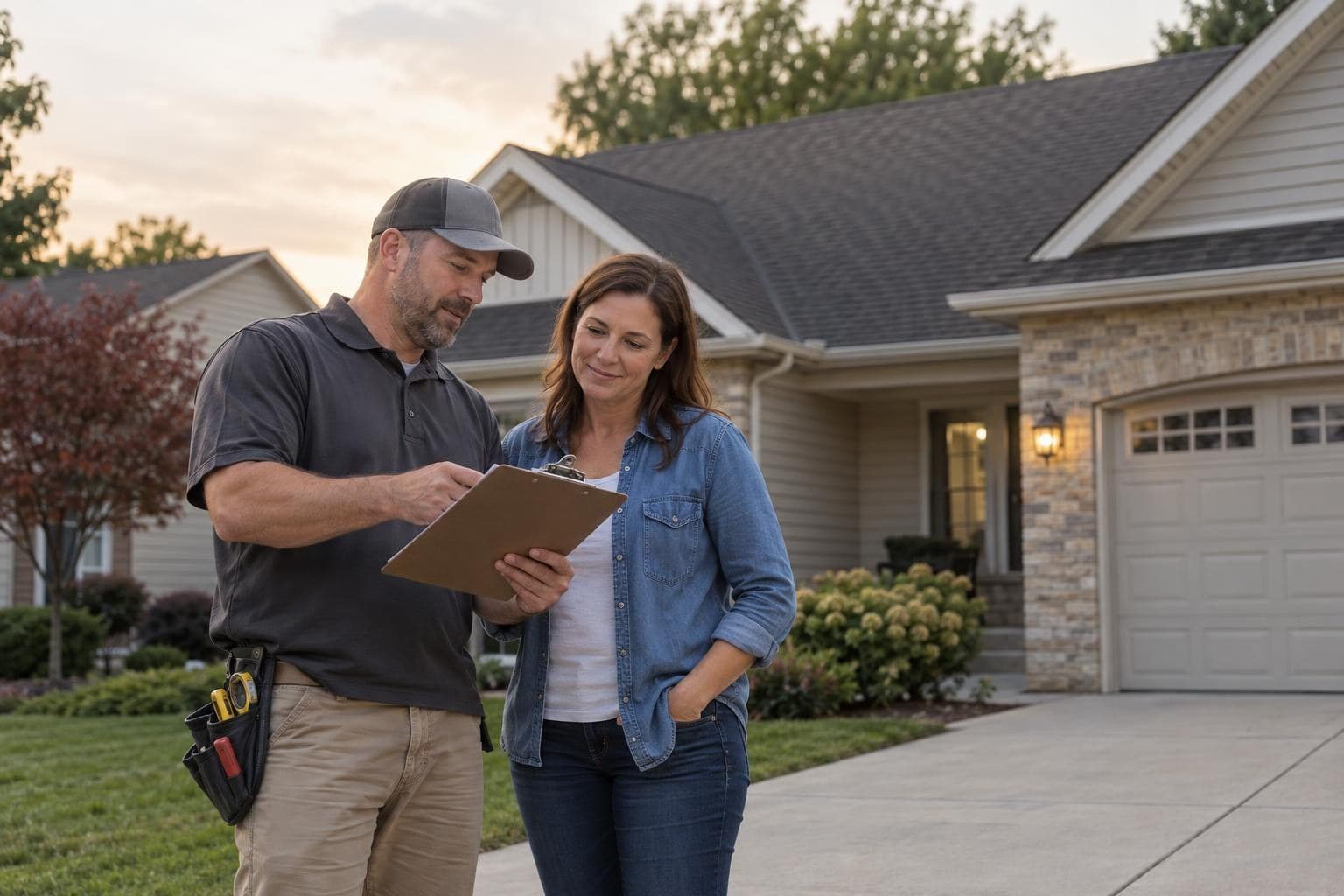
Walk the property with the project contact before setup. Photograph siding, windows, gutters, screens, paving, landscaping, fences, attic contents, and other sensitive areas. Mark irrigation, septic components, low wires, gates, buried or overhead utilities, exterior equipment, fragile surfaces, and neighboring property constraints. Decide where materials and debris equipment can sit without blocking emergency access or damaging the site.
Discuss children, pets, occupants working from home, medical needs, vehicles, and interior vibration. Remove or secure wall hangings and attic items that could shift. Cover belongings where debris may enter the attic. The crew should explain fall-protection zones, falling-debris areas, material handling, and when occupants should avoid doors, walkways, patios, or the driveway.
Setup should match the house and removal method
Protection is not one tarp draped over every shrub. The plan should account for how debris leaves each roof area, whether gutters remain, how windows and finishes are shielded, where magnetic cleanup is useful, and which plants or equipment cannot tolerate covers or impact. Confirm how material is lifted, how the deck and yard are protected from equipment, and how public sidewalks or neighboring areas are controlled.
Talk to a roofer today
Planning ranges, scope details, and a direct path to request a roofing quote.
Tear-off exposes the facts that estimates cannot see
Removal should proceed in an intentional sequence sized to the crew, roof geometry, and weather window. Once covering and underlayment are removed, the contractor can evaluate deck fastening, damage, openings, earlier repairs, flashing integration, and concealed transitions. This is a decision point, not permission for unlimited additions. The contract should already say how likely concealed work is measured, priced, photographed, and approved.
- Photograph representative deck areas and every condition proposed for added work before it is covered or discarded.
- State whether replacement is required by observed damage, attachment, spacing, thickness, product instructions, approved documents, or another project requirement.
- Use written unit prices or a documented change order and identify who can authorize work if the owner is unavailable.
- Keep removed materials or representative evidence when a contract, insurer, manufacturer, or inspector requires it.
- Explain how the opening will be protected if approval, material, inspection, or another trade delays progress.
Dry-in is a system milestone, not a roll of underlayment
After approved deck work, the crew installs specified water-shedding layers and details in the correct sequence. The exact dry-in depends on material, slope, climate, roof geometry, product instructions, and applicable requirements. Review edges, eave or valley protection where specified, underlayment laps and attachment, wall and curb transitions, penetrations, drainage, and temporary terminations. New covering should not hide an unresolved deck or flashing decision.
Weather planning belongs in this stage. Ask how forecasts are monitored, how much roof is opened, what temporary protection is stocked, who responds after hours, and how wind affects loose materials. A delay can be the responsible choice. The concern is not that work paused; it is whether exposed areas, temporary details, materials, and interior spaces were protected according to the agreed plan.
Installation must follow the selected roof system
Asphalt shingles, standing-seam panels, exposed-fastener panels, tile, slate, and low-slope membranes do not share one installation script. For shingles, verify the exact starter, field product, hip and ridge, nailing, layout, flashing, and ventilation components. For metal, verify substrate, underlayment, clips or fasteners, panel seams, movement, closures, sealants, flashings, penetrations, and finish protection. Other systems require their own product and assembly details.
- Record concealed transitions, flashing, attachment, deck repairs, and underlayment conditions before covering them.
- Keep product labels, batch or lot information when useful, color confirmations, delivery records, and substitution approvals.
- Coordinate vents, ducts, skylights, solar mounts, gutters, siding, masonry, and other trades so one completed detail is not damaged by the next.
- Protect finished roof areas from repeated traffic, debris, hot work, sharp tools, and stored material as work continues.
Daily communication should answer four questions
- 1What roof areas and components were completed today?
- 2What concealed conditions, substitutions, damage, or inspection issues were found and documented?
- 3What remains exposed or temporarily protected, and what is the weather response?
- 4What access, noise, deliveries, inspections, decisions, or payments are expected next?
Noise, vibration, debris, deliveries, and changing access are expected parts of many replacements. They should still be managed. Contact the project lead promptly for unprotected openings, debris outside controlled areas, property damage, unexpected interior dust, blocked emergency access, repeated material substitutions, undocumented changes, or conditions that differ from the safety and protection plan.
Cleanup and closeout are part of the roofing scope
Cleanup methods should fit the property and removed material. Inspect roof surfaces, gutters, drainage outlets, attic access areas, landscaping, paved areas, neighboring edges, and equipment zones. Magnetic sweeping can help collect ferrous fasteners but does not replace visual cleanup and will not collect every sharp or nonmagnetic item. Report damage and remaining debris before equipment leaves when possible.
- Complete the contractor's final quality review and the owner's walkthrough with an open punch list rather than relying on a verbal all done.
- Obtain permit or required inspection records where applicable, while understanding that an inspection is not a warranty of every detail.
- Collect the final contract and changes, itemized invoice, proof of payment, product information, completion photographs, care guidance, and lien-related documents required locally.
- Collect the manufacturer's material documents and the contractor's separate workmanship warranty, including registration, transfer, exclusions, service contact, and claim steps.
- Record any deferred work, seasonal return, backordered component, monitoring item, or responsibility assigned to another trade.
What should slow down final payment?
Use the payment trigger in the signed contract and applicable local rules. Resolve missing scope, unexplained substitutions, undocumented concealed work, open permit or inspection items, property damage, incomplete cleanup, missing warranties, or an unresolved punch list before treating the project as closed. A financing company releasing funds, an insurer issuing payment, or the crew removing equipment does not by itself establish contractual completion.
A roof replacement should be managed by milestones: protect, open, document, approve, dry in, install, inspect, clean, and close out with records.
Sources
Related roofing resources
Related services
Updated July 10, 2026
3D Roofs Editorial Team
Editorial Standards