
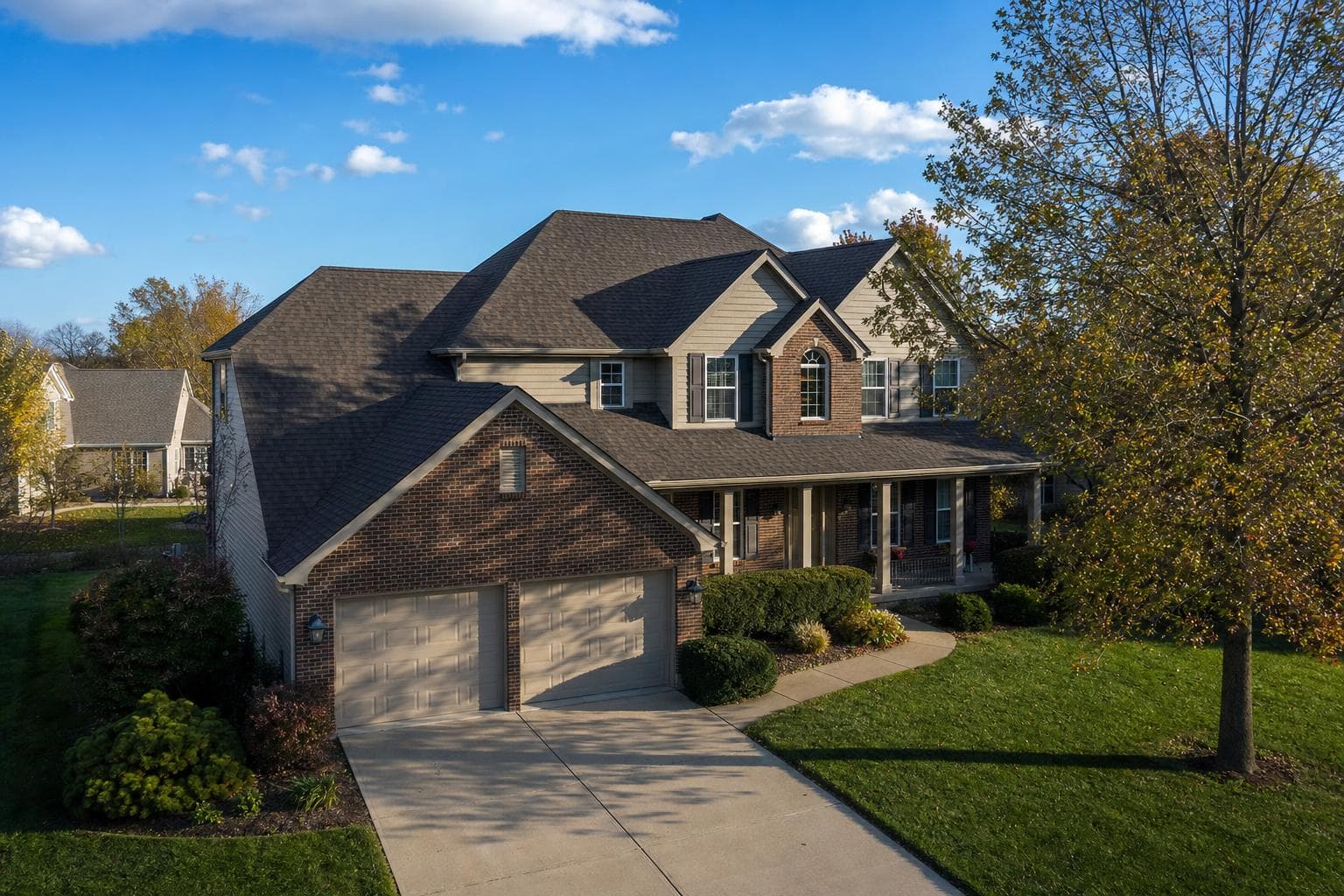
Updated July 10, 2026

3D Roofs Editorial Team
Editorial Standards
How to plan a complete roof replacement in Kansas
Replacement should renew the roof as a system, not exchange one visible covering for another. The written scope should address removal, deck evaluation, underlayment, leak barriers, edges, flashing, penetrations, drainage, ventilation, covering, cleanup, approvals, and closeout records.
The first decision is whether the roof has a contained defect that can accept a durable repair or distributed conditions that leave no sound repair boundary. Age, appearance, or one leak can provide context, but the recommendation should be supported by located findings and the condition of surrounding materials.
Once replacement is justified, compare proposals on the same measured roof and installed assembly. Product names and total prices are not comparable when removal layers, decking rules, accessories, weather protection, permit responsibility, warranties, or cleanup differ.
Signs you may need a roof replacement in Kansas
No single sign automatically requires a full roof. Replacement deserves a closer look when inspection findings show distributed failure or when surrounding materials cannot support a durable repair. Ask the roofer to locate and explain conditions such as:
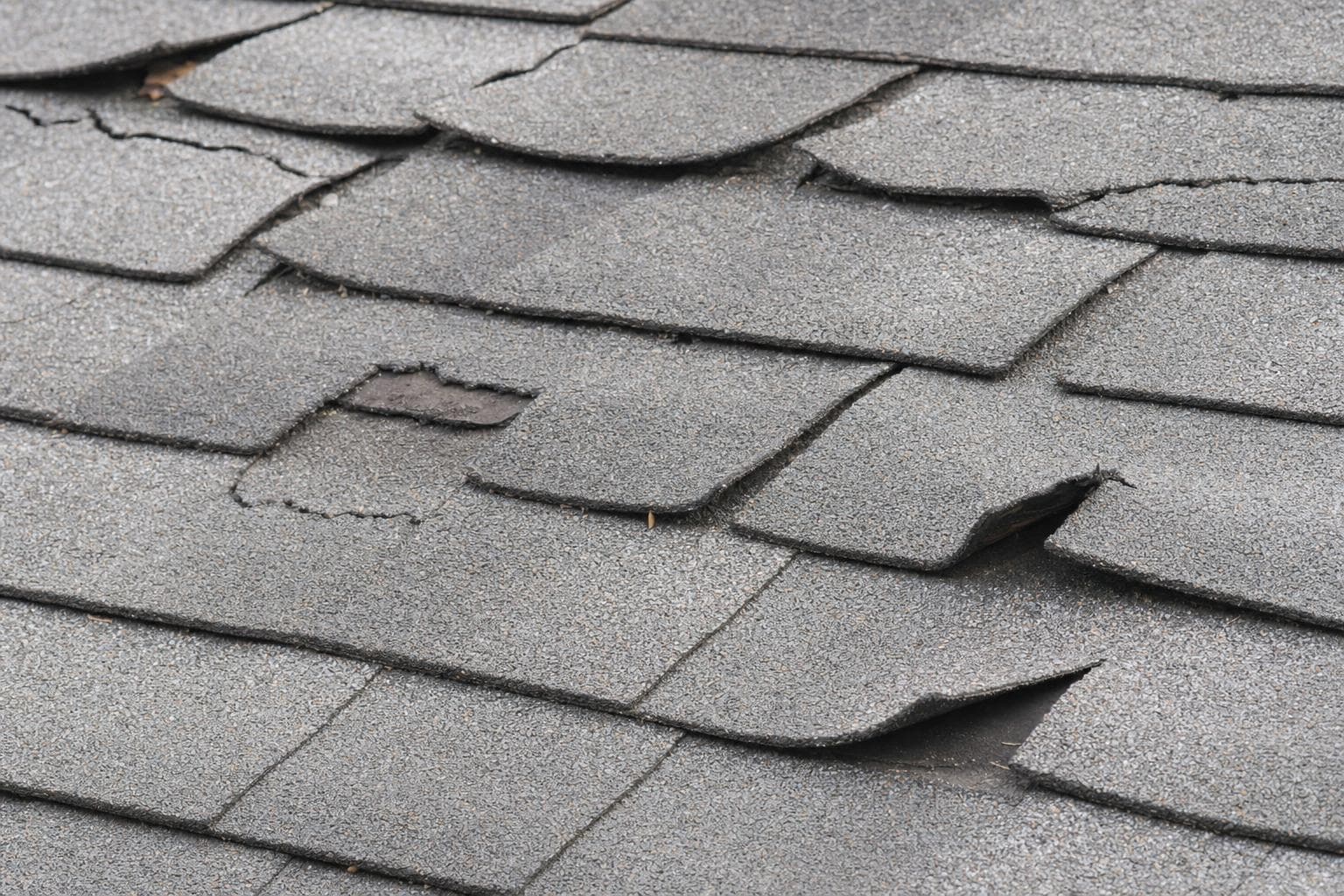
Brittle, cracked, lifted, or detached covering across multiple roof areas
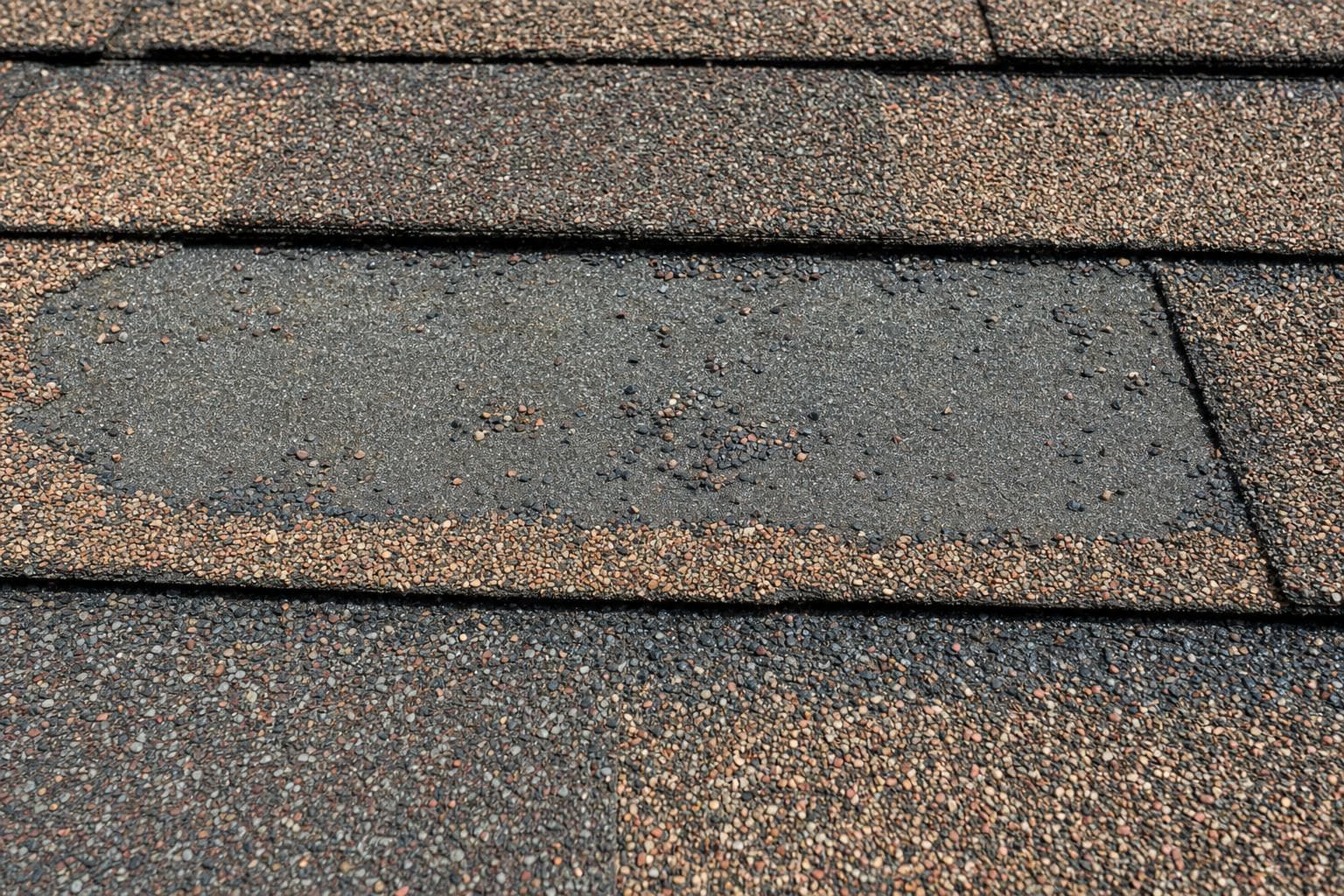
Distributed surface loss tied to reduced material function, not color alone
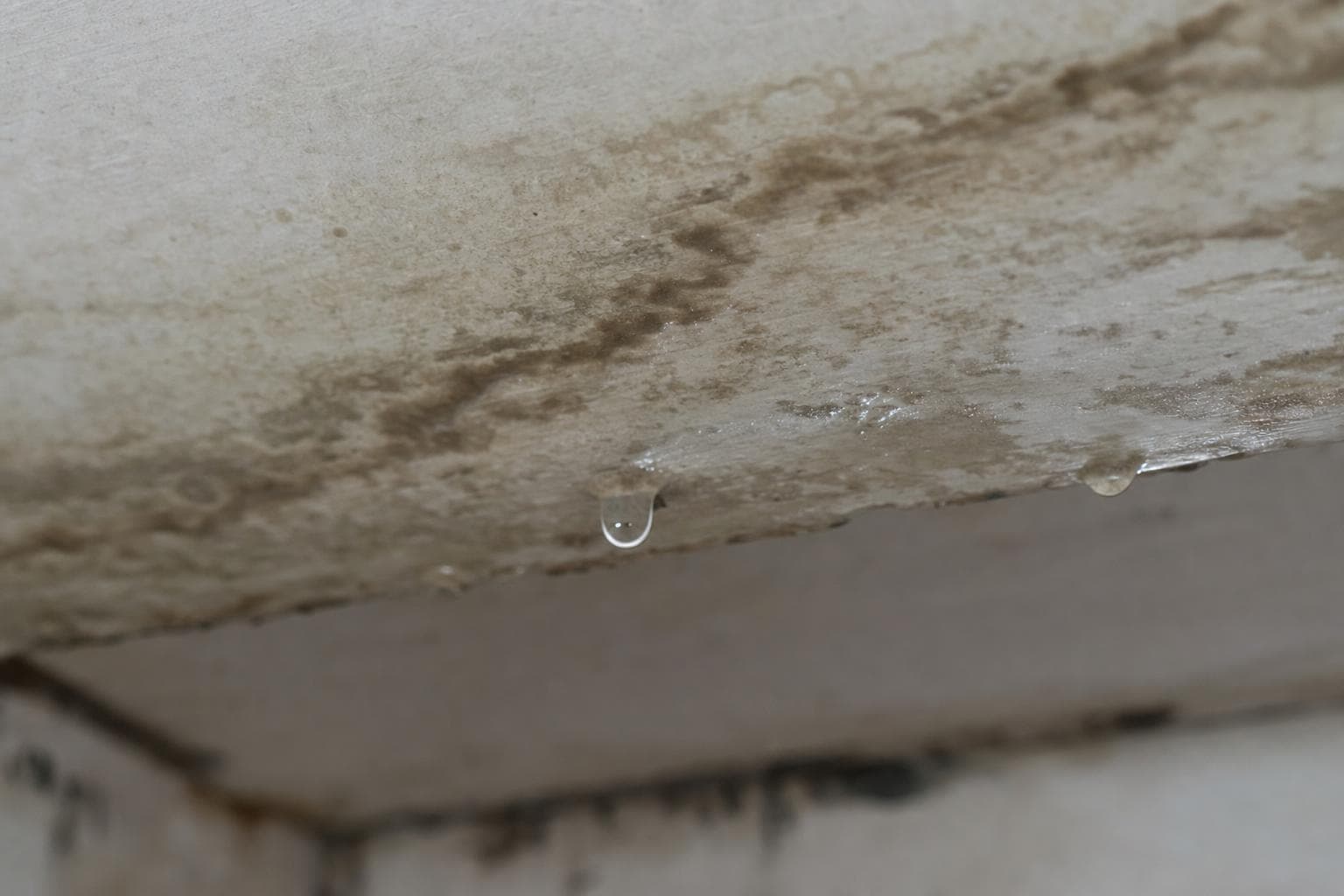
Recurring leak paths connected to different roof details
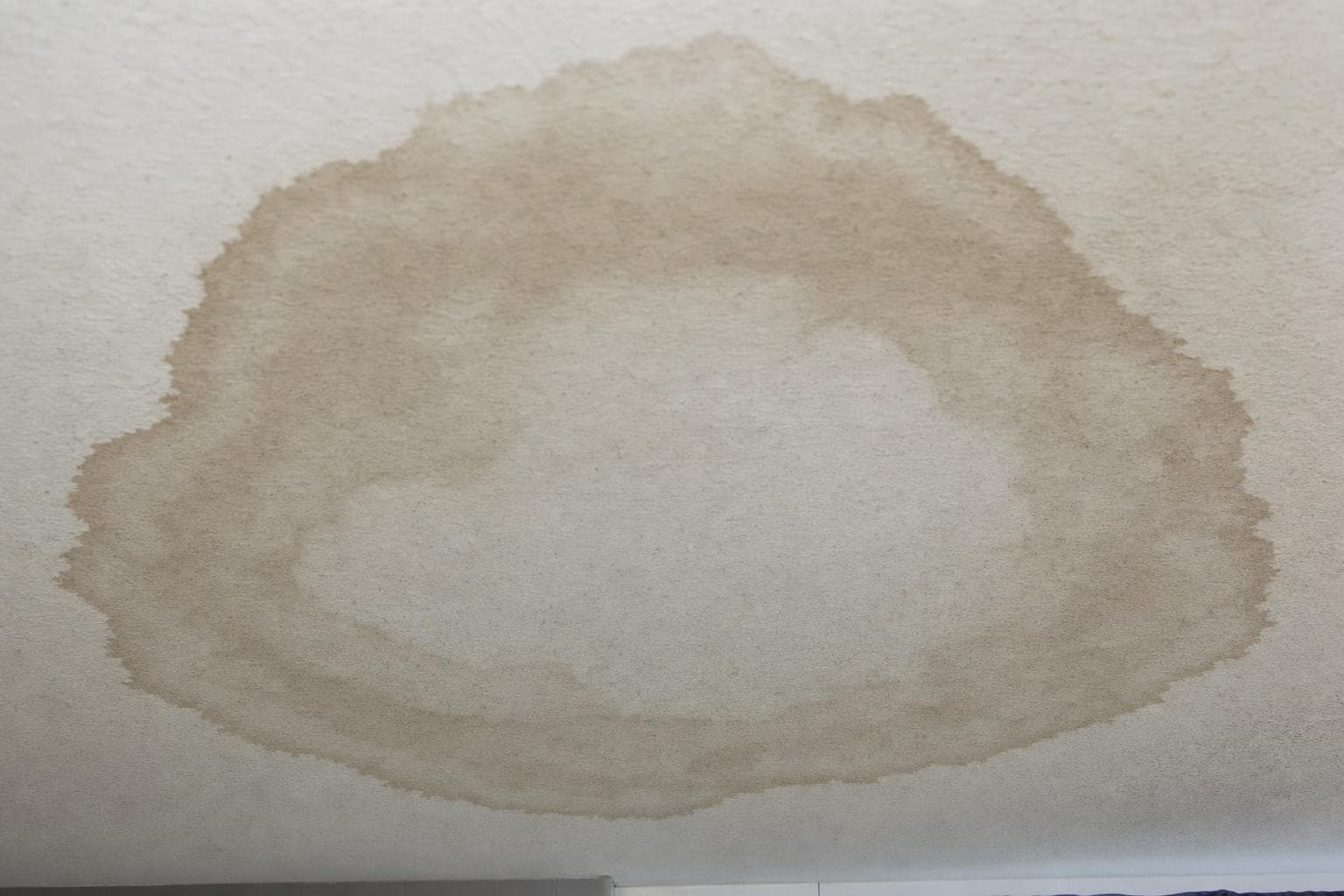
Interior water evidence that traces to more than one exterior failure
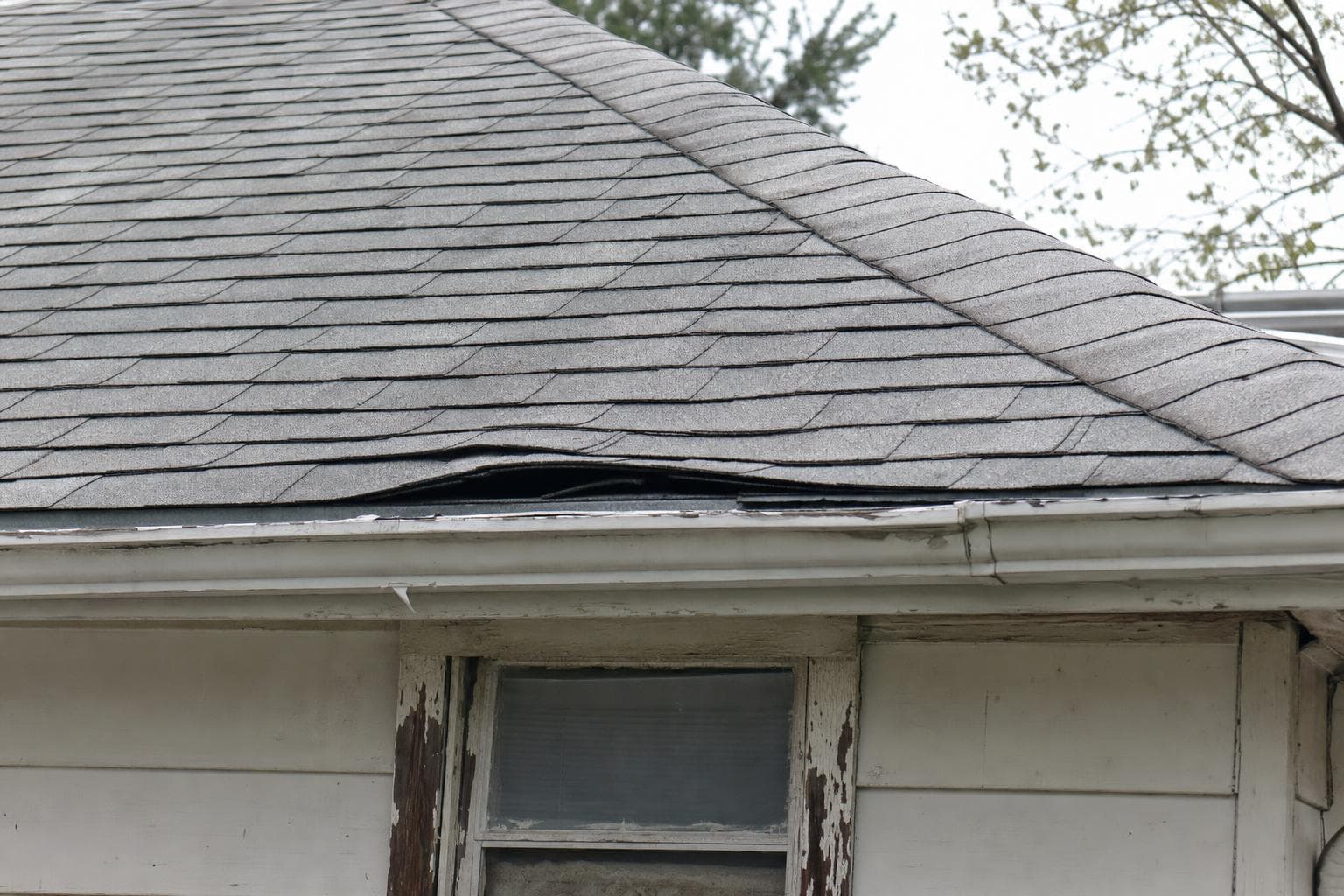
Decking or structural deterioration beyond one contained work area
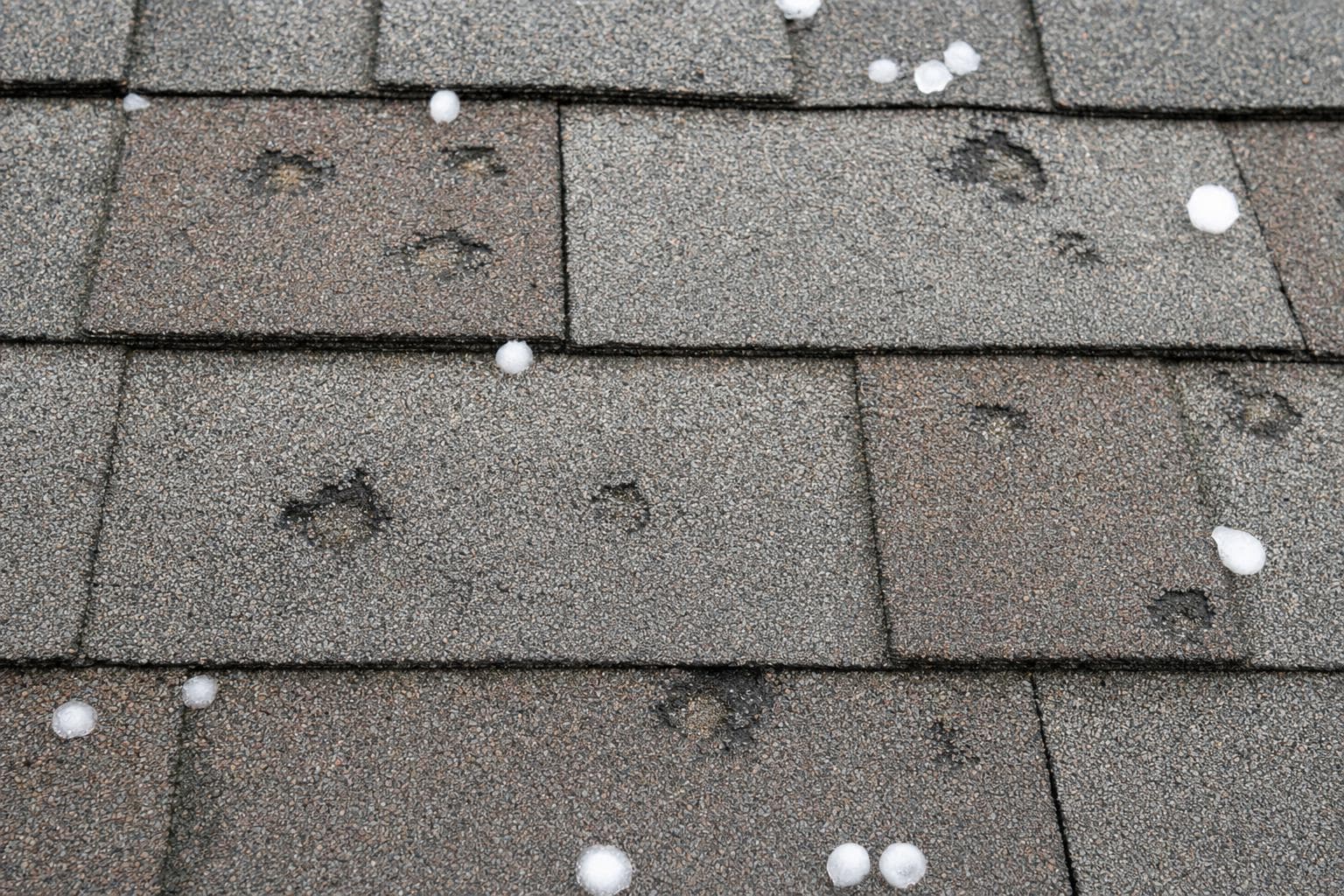
Documented functional impact damage distributed across roof areas
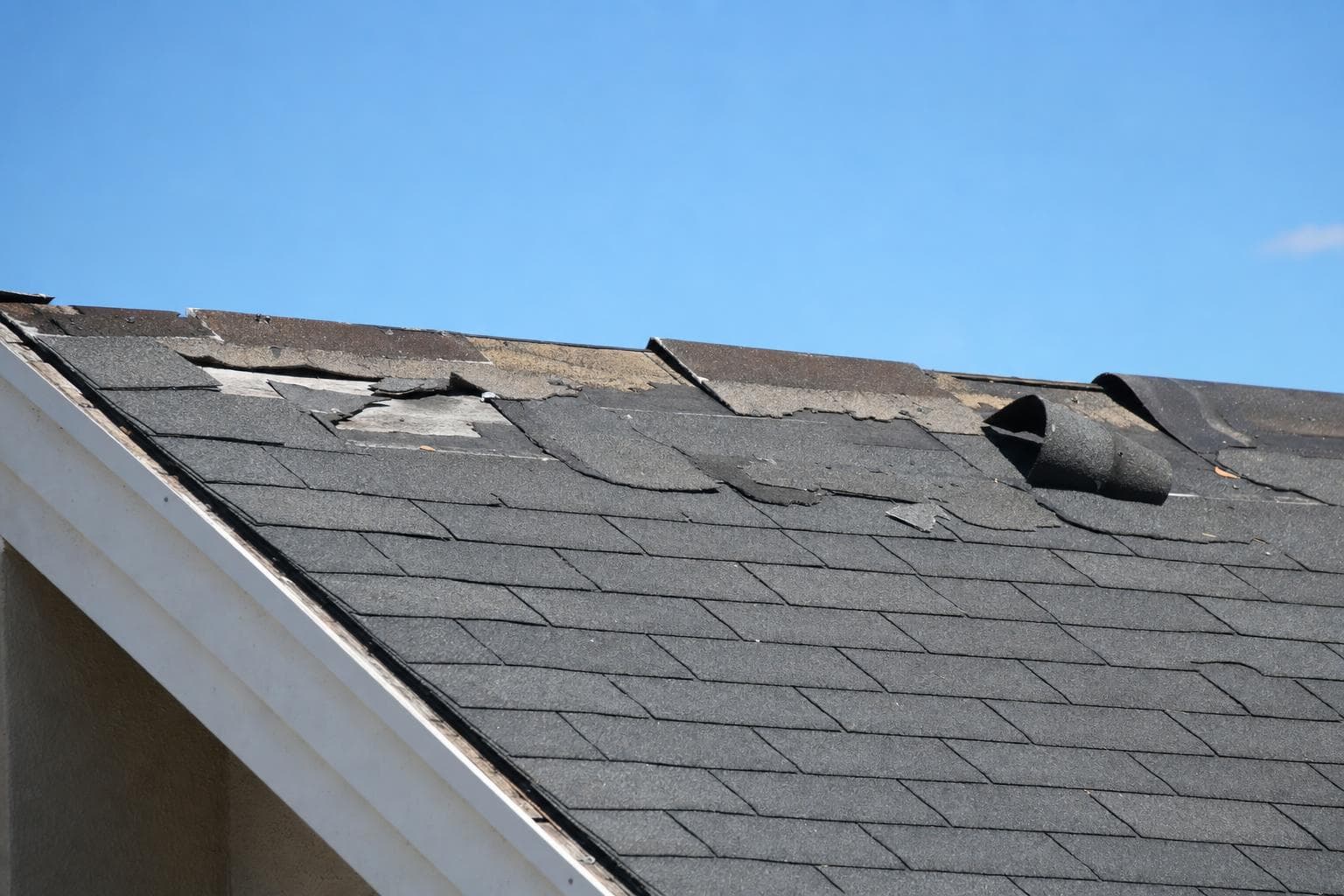
Attachment or edge failure repeated across slopes, ridge, rakes, or eaves
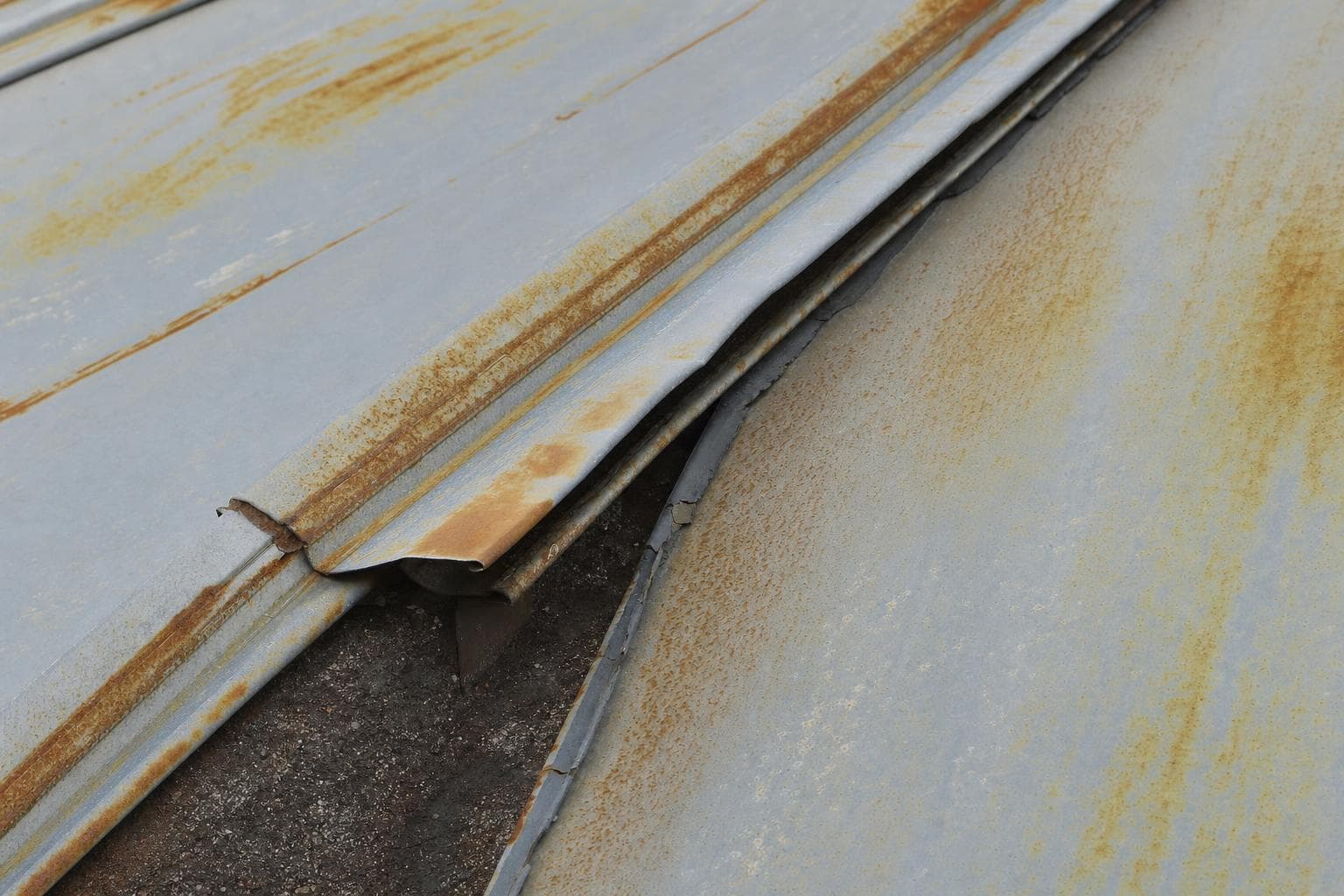
Panel, seam, fastener, coating, or substrate conditions that cannot be restored locally
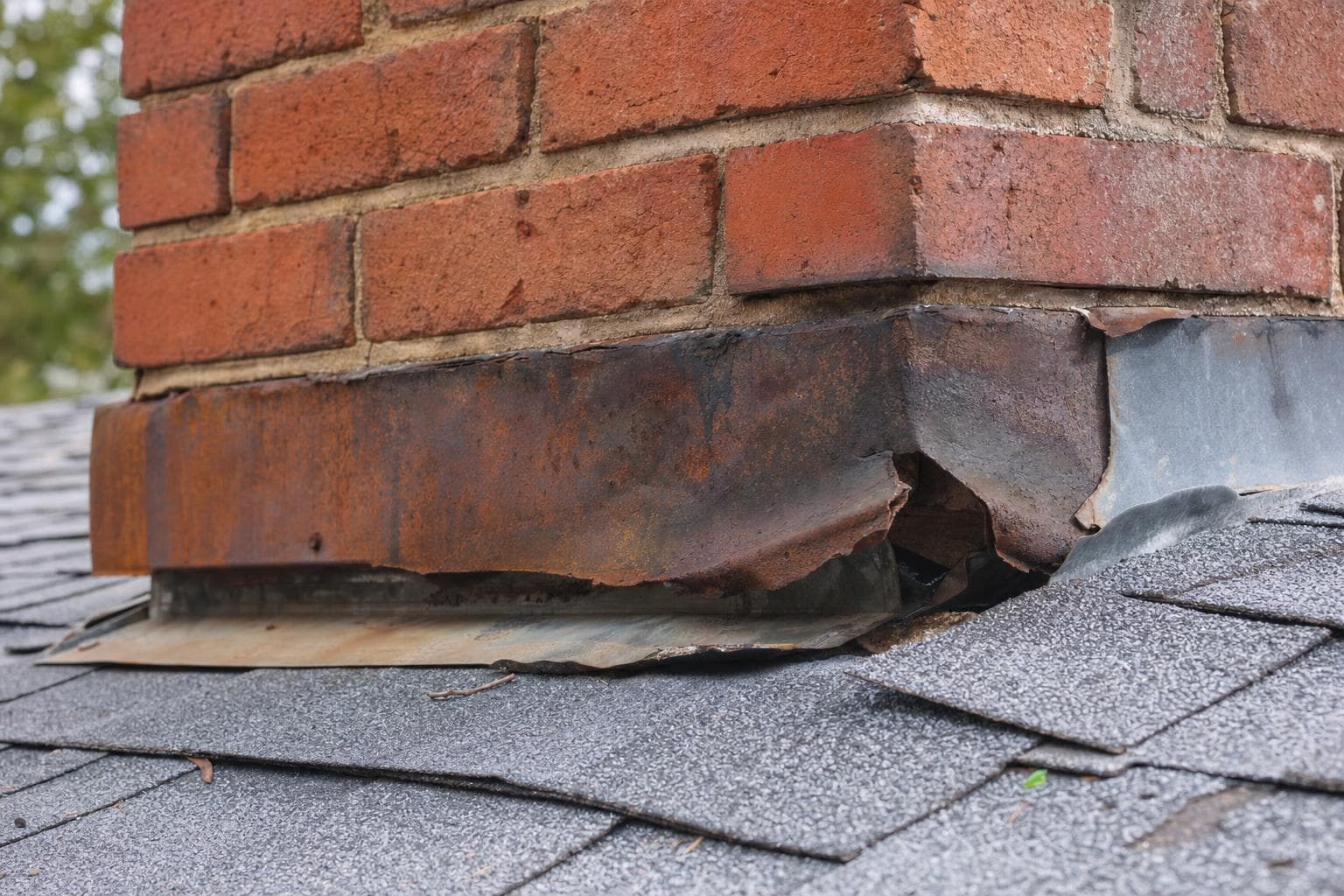
Multiple failed flashing transitions combined with unserviceable surrounding roofing
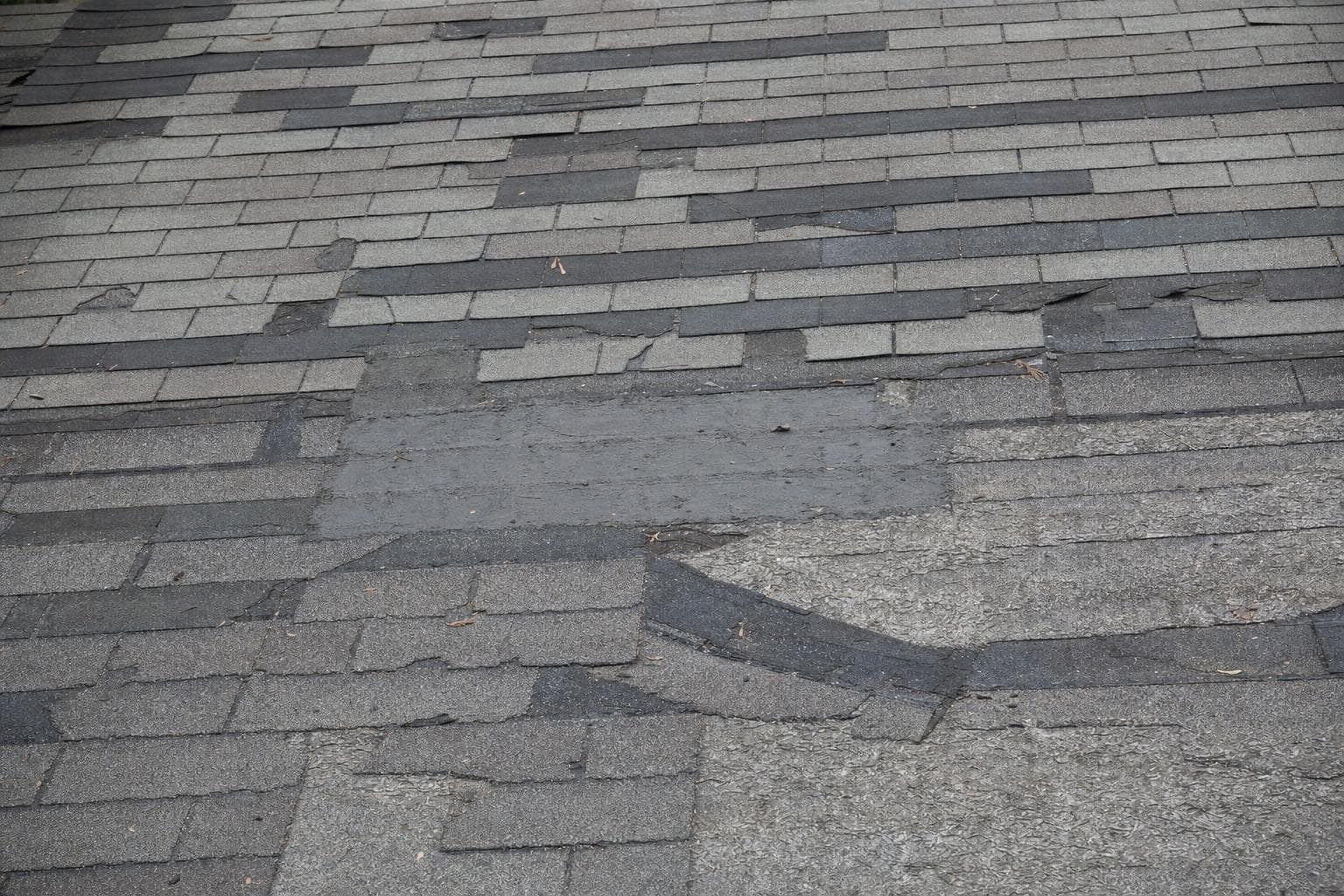
Prior patches or unavailable materials that leave no reliable repair boundary
Roof repair vs. roof replacement
Repair may be enough when
A repair may be enough when the failure is contained and adjacent covering, flashing, fasteners, underlayment, and decking can accept a durable tie-in. The proposal should identify both the failed component and the sound repair boundary.
- The source and affected component are identified
- Adjacent material remains attached, flexible, dry, and compatible
- The work can reach sound roofing without creating another failure
- Decking and underlayment damage are contained
- The repair method restores proper laps, drainage, and attachment
Replacement may be better when
Replacement deserves consideration when functional failure is distributed or opening the roof for another repair would damage surrounding material that is no longer serviceable. The inspection should show why the broader scope is necessary.
- Functional failure is distributed across roof areas
- Leaks trace to separate defects or repeated failed repairs
- Surrounding covering breaks or cannot be lifted for a tie-in
- Decking, attachment, or structural problems extend beyond one area
- Matching material cannot be integrated into a serviceable assembly
- Prior layers or patches prevent a reliable water-shedding repair
- No sound repair boundary remains after inspection
How much does roof replacement cost in Kansas?
The Kansas cost table uses reference roof sizes and the maintained regional pricing factor for planning. A property quote should replace those assumptions with measured roof area and the exact removal, assembly, access, concealed-work, approval, and closeout scope. These are the main variables that change the number:
- Measured roof area, geometry, waste, pitch, height, and stories
- Access, staging, equipment, property protection, and labor conditions
- Removal layers, disposal, deck attachment, and concealed prior work
- Exact shingle or panel system, accessories, fasteners, and optional upgrades
- Underlayment, leak barriers, edges, starter, ridge, valleys, and flashing
- Pipe boots, vents, skylights, chimneys, curbs, and other penetrations
- Decking, framing, drainage, ventilation, insulation-interface, or condensation work
- Permit, inspection, product approval, or documentation requirements where applicable
- Open-roof weather protection, sequencing, and schedule constraints
- Cleanup, closeout records, and separate warranty obligations
| Home size | Class 3 shingles | Class 4 shingles | Standing-seam metal |
|---|---|---|---|
| 1,200-1,800 sq ft home~1,500 sq ft of roof | $7,128–$11,471 | $8,167–$13,374 | $16,994–$30,383 |
| 1,700-2,400 sq ft home~2,000 sq ft of roof | $9,503–$15,295 | $10,889–$17,831 | $22,659–$40,511 |
| 2,100-3,000 sq ft home~2,500 sq ft of roof | $11,879–$19,119 | $13,611–$22,289 | $28,323–$50,638 |
| 2,500-3,600 sq ft home~3,000 sq ft of roof | $14,255–$22,942 | $16,334–$26,747 | $33,988–$60,766 |
| 3,400-4,800 sq ft home~4,000 sq ft of roof | $19,007–$30,590 | $21,778–$35,663 | $45,317–$81,021 |
The table applies Kansas labor and nonlabor adjustments to the same national roof-size and material scopes. Steep access, decking, code work, and coastal wind requirements are separate cost drivers.
Cost ranges are estimates developed from standardized project scopes and reviewed pricing inputs. Government labor and regional cost data are used where applicable. See our Pricing Methodology for the exact sources, calculations, and review date. Actual prices vary by property, scope, materials or equipment, location, and provider.
Want real numbers by size and material? See the Kansas roof replacement cost guide, then call to get your actual roof priced.
Roof replacement materials for Kansas homes
Compare the exact shingle or panel system, accessory requirements, attachment, flashing, ventilation, tested classifications, installed price, maintenance, and written warranty limitations. Color belongs after the assembly is defined.

Architectural asphalt category
Class-3 Shingles
Use Class 3 as a product-comparison category, then confirm the exact shingle's current impact report, wind documentation, required accessories, and written warranty.
- Confirm the impact test report
- Check wind eligibility by assembly
- Name starter and ridge products
- Read warranty requirements
Class-3 Shingles colors

Dual Black

Weatherwood

Dual Brown

Dual Grey

Dove White

Charcoal Grey

Earthtone Cedar
Material selection should follow the roof slope, geometry, structure, substrate, local exposure, appearance requirements, maintenance plan, product instructions, jurisdiction, and ownership goals. Verify the exact system before treating a broad material category as the answer.
Build a planning number for your Kansas roof
Start with maintained regional pricing, then replace the reference assumptions with measurements, roof conditions, exact materials, and a contractor-written scope.
Roof replacement after hail, wind, or storm damage in Kansas
A reported storm does not determine the roof scope or the coverage result by itself. A contractor can document observed conditions by roof area, explain repairability, and write the proposed construction scope. The insurer interprets the policy and decides coverage. Keep temporary work, deductibles, approved construction, optional upgrades, and unrelated property work separated.
Your roofer has to be registered with the Kansas Attorney General
Kansas does not issue a statewide roofing license, but it does require registration. Under the Kansas Roofing Registration Act (K.S.A. 50-6,121 et seq.), in effect since July 1, 2013, any contractor providing roofing services for a fee must hold a roofing contractor registration certificate from the Kansas Attorney General and carry a registration number. That number has to be submitted to pull permits and shown on the company's vehicles, signs, cards, correspondence, and contracts. You can confirm a contractor in the Attorney General's public Roofing Registration Directory before you sign. Registration is not a license or a stamp of quality, though, so it is the floor, not proof the work will be good.
Your roofer can't pay your deductible, and you can cancel if the claim is denied
Under Kansas law, a residential roofing contractor doing insurance-funded work cannot advertise or promise to pay or rebate all or any part of your insurance deductible, and doing so is treated as an unconscionable act under the Kansas Consumer Protection Act. You also get a way out: you can cancel a residential roofing contract within 72 hours of signing, and if the work is to be paid from insurance and your insurer denies the claim in whole or in part, you can cancel on that basis too. When you cancel, the contractor has to return any payments you made, generally within 10 days. So a denied claim does not lock you into paying for a roof out of pocket, and a "free roof, we'll eat your deductible" pitch is a red flag, not a deal.
Hail and wind often carry a separate percentage deductible
Kansas roof coverage depends on the reported cause and the policy's deductible, exclusions, roof provisions, and valuation method. Check the declarations page to see whether wind or hail uses a flat-dollar or percentage deductible and whether the roof is valued at replacement cost or actual cash value. As a math example only, a 2 percent deductible applied to $300,000 of dwelling coverage would equal $6,000; do not assume that percentage or calculation applies to your policy. Also review cosmetic-damage terms and any roof-specific depreciation schedule. Ask the insurer to explain the current terms in writing, and use the Kansas Insurance Department's complaint process if you believe the claim was mishandled.
Class 4 shingles are worth comparing on Kansas homes with meaningful hail exposure. Verify the exact product's current UL 2218 classification and do not treat the rating as a guarantee against every kind of damage. Kansas does not set one statewide insurance credit. Ask the carrier in writing whether the product qualifies, which premium portion is affected, and what certificate or invoice it needs after installation.
Sources: Kansas Attorney General (Roofing Registration; Kansas Roofing Registration Act) · Kansas Attorney General (Roofing Registration Directory; verify a contractor) · Kansas Attorney General (Roofing Information for Consumers; deductible and cancellation FAQ) · Kansas Insurance Department (homeowners insurance; storms and consumer complaints)
Choosing a roofing contractor in Kansas
Because Kansas registers roofers instead of licensing them, your first move is concrete: get the contractor's Kansas roofing registration number and confirm it in the Kansas Attorney General's Roofing Registration Directory. Remember that registration is the floor, not a guarantee of quality, so verify the rest. Many cities and counties also require a local license and a pulled permit, so check what your jurisdiction requires before work begins. Ask for proof of current general-liability and workers'-compensation insurance so you are not on the hook if someone is hurt on your roof, look for a real local track record with references and recent addresses you can drive past, and get a written scope that spells out tear-off, decking, underlayment, flashing, ventilation, and cleanup. Be especially wary of out-of-state storm chasers who appear right after a hailstorm, push you to sign on the spot, and want a large deposit up front. The 72-hour cancellation and deductible rules exist precisely to stop those tactics.
Questions to ask before you sign
- What documented condition makes replacement more appropriate than a durable repair?
- Which removal, deck, water-shedding, flashing, ventilation, edge, and penetration work is included?
- How are concealed conditions photographed, priced, authorized, and protected from weather?
- What exact products, tested assemblies, installation requirements, and optional upgrades are specified?
- Who performs the work, obtains required approvals, and provides the workmanship warranty?
What to expect during a roof replacement in Kansas
The exact schedule changes with the roof and jurisdiction, but the decision record should move in a consistent order: justify replacement, measure the roof, specify the assembly, control concealed work, protect the open roof, document installation, and close out approvals and warranties.
- 1
Document condition and repairability
Inspect accessible roof areas, covering, edges, flashing, penetrations, drainage, attachment, prior work, and relevant attic or interior evidence. Locate photographs and explain why a focused repair can or cannot restore a serviceable roof.
- 2
Measure and reconcile the roof scope
Confirm roof area, pitch, stories, hips, valleys, penetrations, removal layers, access, waste, disposal, and property protection. Competing proposals should use understandable measurements so a lower total can be traced to price rather than missing work.
- 3
Specify the complete installed assembly
Choose the exact covering and define underlayment, leak barriers, edges, starter, ridge, flashing, penetrations, attachment, ventilation or condensation strategy, accessories, tested classifications, and product-specific installation requirements.
- 4
Control concealed work before tear-off
Set decking and carpentry unit prices or another written approval method, require photographs, and identify who can authorize additions. The contract should separate likely allowances from work that is included in the base price.
- 5
Confirm approvals, materials, and weather planning
Identify who verifies permit, inspection, product, association, or other local requirements for the address. Confirm material availability, delivery, start window, how much roof is opened at once, and the dry-in response if weather or added work interrupts production.
- 6
Remove, inspect, approve, and dry in
Open the roof in a controlled sequence, document the exposed deck and concealed details, complete approved work, and install the specified water-shedding layers before vulnerable areas are left exposed to weather.
- 7
Install and document the specified system
Install covering, accessories, flashing, edges, penetrations, ventilation, attachment, and drainage details according to the contract, applicable requirements, and product instructions. Record concealed details that cannot be evaluated after completion.
- 8
Inspect, clean, and close out the project
Complete required inspections, remove debris, perform the agreed property cleanup, and review completion photographs. Collect permit or approval records, product information, invoices, and separate manufacturer material and contractor workmanship warranty documents.
How 3D Roofs fits into a Kansas replacement decision
3D Roofs provides a regional planning estimate and a structured way to compare material systems before a contractor measures and inspects the property. Use that early number to understand scale, not as a substitute for the written roof scope, concealed-condition process, permits, or contract required for the actual home.
A participating contractor remains responsible for the inspection, measurements, proposal, installation, supervision, approvals, and workmanship warranty stated in that company's agreement. Verify the legal contracting party, credentials, insurance, subcontracting, payment terms, and local requirements before signing, whether the property is in a major Kansas metro or a nearby community.
Roof replacement in Kansas: common questions
How do I know if I need a roof replacement in Kansas?+
Replacement deserves consideration when functional problems are distributed, leaks trace to different roof areas, surrounding material cannot accept a durable tie-in, decking or attachment problems are broad, or no sound repair boundary remains. Age provides context, but the inspection should locate the conditions and explain why another repair would not restore serviceability.
How much does roof replacement cost in Kansas?+
Use the state table as a planning reference by roof size and material. A property quote should replace those assumptions with measured roof area, removal layers, pitch, access, geometry, decking, flashing, ventilation, penetrations, permits or inspections where applicable, disposal, and the exact installed system. Compare the same scope before comparing totals.
Does insurance cover roof replacement in Kansas?+
Coverage depends on the reported cause, policy, deductible, valuation, limits, exclusions, notices, and carrier review. A roofer can document construction conditions, measurements, repairability, and the proposed scope; the insurer interprets the policy and decides coverage. Keep covered work, deductibles, temporary protection, optional upgrades, and unrelated property work separated.
What type of roof is best for Kansas?+
There is no single statewide answer. Compare the roof slope, geometry, structure, substrate, local wind, rain, hail, heat, snow, wildfire, salt-air or moisture exposure, appearance rules, maintenance plan, budget, and ownership goals. Then specify the exact shingle or panel, accessory system, attachment, flashing, ventilation, tested assembly, and warranty limitations.
How long does a roof replacement take?+
The on-site schedule depends on roof area, pitch, height, material, crew size, access, weather, required inspections, removal layers, and concealed carpentry. Ask for a written production window, how much roof will be opened at once, the dry-in plan, and the specific conditions that can extend the work.
Should I repair or replace my roof?+
Repair may be appropriate when the failure is contained and adjacent roofing, flashing, fasteners, underlayment, and decking can accept a durable tie-in. Replacement deserves a closer look when failure is distributed or no sound boundary remains. Ask the roofer to show the evidence for either conclusion rather than relying on age alone.
What happens if damaged decking is found?+
The crew should photograph and locate the condition, compare it with the contract, and obtain the required approval before added work proceeds unless an agreed allowance already applies. The contract should state unit prices or another pricing method and explain how the exposed roof remains protected while scope questions are resolved.
What should a roof-replacement contract include?+
It should identify the measured roof, removal and disposal, exact products and accessories, deck and concealed-work process, flashing, ventilation, edges, penetrations, price, allowances, payment milestones, approvals, weather plan, property protection, cleanup, change orders, completion records, cancellation terms, and separate material and workmanship warranty obligations.
Who performs the roof work arranged through 3D Roofs?+
3D Roofs provides planning information and connects homeowners with participating roofing contractors. The contractor should identify the legal company performing the work, any subcontracting, supervision, credentials, insurance, permit responsibility, contract, installation scope, and workmanship warranty. Verify those responsibilities before signing or paying a deposit.
What should I do after hail or wind damage?+
Keep people away from electrical, structural, or falling-debris hazards; photograph visible exterior and interior conditions from safe locations; and arrange temporary protection when water is entering and access is safe. Preserve invoices and report the event as the policy requires. Permanent repair or replacement should follow documented roof-area findings and repairability.
