Updated July 10, 2026

3D Roofs Editorial Team
Editorial Standards
There is no single best roof for every South Dakota home. For a South Dakota property, start with its actual weather exposure and roof geometry, then compare complete assemblies on water control, attachment, ventilation, repairability, local availability, warranty terms, and installed cost. The sections below use South Dakota-specific guidance to show which questions matter before choosing a material. For a roof system comparison in South Dakota, use the linked South Dakota Consumer Protection, contractor scam alert reference as the state-reference checkpoint and test the recommendation against the address's freeze-thaw cycles, snow or ice at eaves, warm-season wind or impact, tree debris, and attic moisture.
What roof material usually makes the most sense in South Dakota?
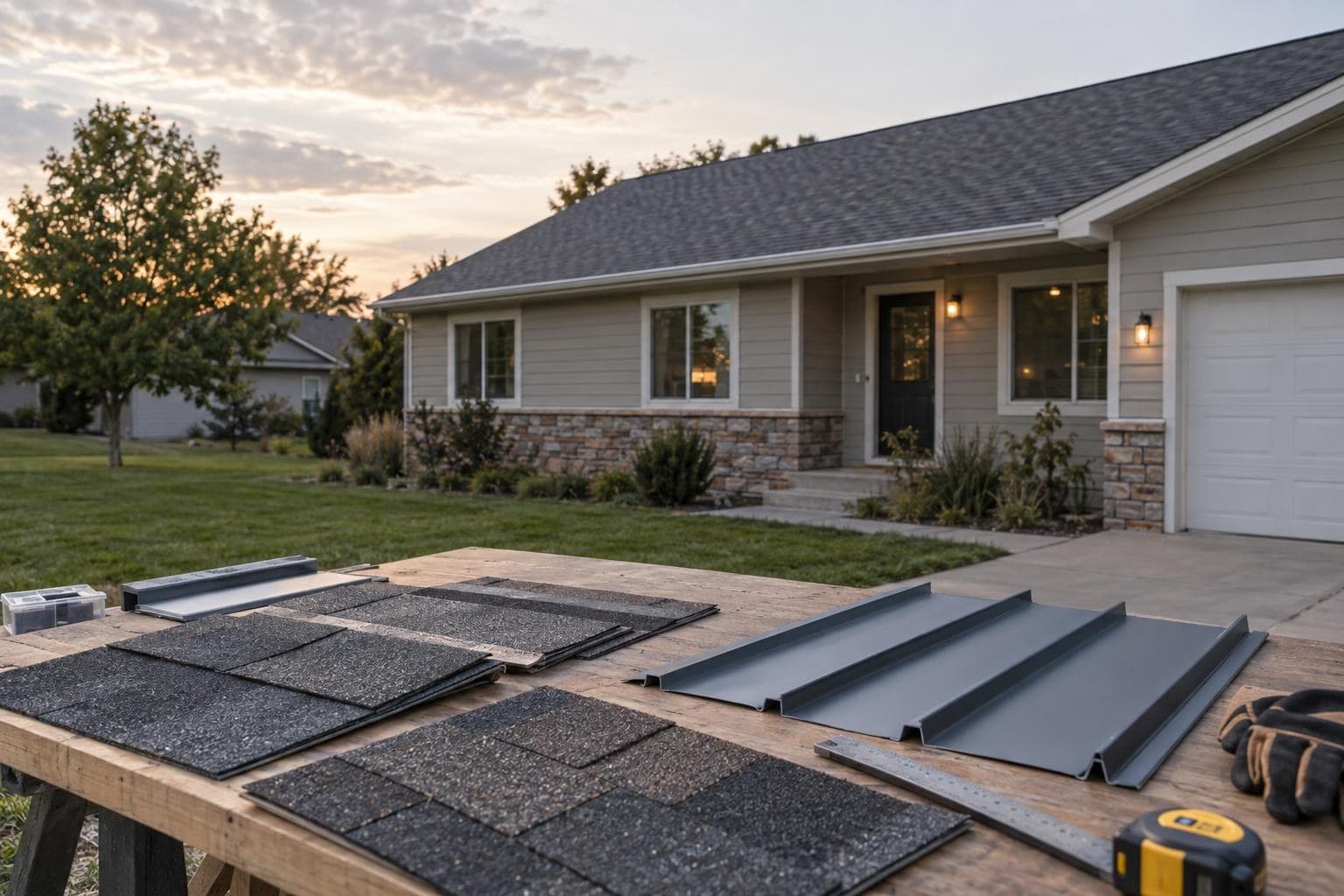
Class 4 shingles usually make the most sense, because South Dakota weather puts a roof through repeated hail and wind events, then adds snow, ice, and heat over the seasons. That kind of weather can shorten shingle life, loosen flashing, damage gutters, and turn small leaks into bigger interior problems if repairs wait. Class 4 is not the cheapest option, but it often gives you the best middle ground between price and impact resistance. Class 3 is the budget-minded step up from basic shingles. Standing seam metal is the higher-cost option for homeowners who want metal’s look and performance profile.
How much do Class 3, Class 4, and metal roofs cost in South Dakota?
Here is the simple price picture using current South Dakota cost data. For an early budget on a roof-system comparison in South Dakota, compare the South Dakota cost page with a proposal that identifies measurements, products, accessories, and exclusions. The schedule for a roof-system comparison in South Dakota should explain access, material staging, weather protection, inspections, and the process for discovered deck work.
Is Class 3 enough for South Dakota weather?
Yes, Class 3 can be enough if you need to control your upfront spend and still want a roof that fits South Dakota conditions better than a lower-tier shingle. It is often the practical choice when your main goal is getting a solid replacement at the lowest price point in this comparison. The tradeoff is simple: in a state where hail and severe storms are part of real roof wear, Class 3 does not give you the same level of impact resistance you get from Class 4. If your area sees frequent hail or you want to reduce the chance of storm damage driving future repairs, spending more now on Class 4 may be easier to justify.
Talk to a roofer today
Planning ranges, scope details, and a direct path to request a roofing quote.
Why do so many homeowners move up to Class 4 shingles?
They move up because Class 4 is often the best fit for the way South Dakota weather actually damages roofs. Hail can bruise or crack shingles. High winds can loosen roofing components. Snow and ice can exploit weak spots. Strong sun and temperature swings add wear over time. Class 4 will not stop every problem, but it is designed for stronger impact resistance than Class 3, which is why many homeowners see it as the smart balance of protection and cost. When comparing a roof-system comparison in South Dakota, use a written insurer response rather than a sales estimate for any impact-resistant roof credit. If you are considering impact-resistant shingles, ask your insurance carrier whether it offers a discount for a Class 4 roof and what documentation it requires. Discounts and eligibility are set by the carrier, so you should confirm the details before you choose materials.
When is standing seam metal worth the higher price?
Standing seam metal is worth the higher price when you want a premium roof and you are comfortable paying much more upfront. For many homes, that price jump is hard to justify if your main goal is simply better hail protection per dollar. But metal can make sense if you plan to stay in the home, prefer the appearance, or want to invest in a higher-end system from the start. For a lot of South Dakota homeowners, the real decision is not Class 4 versus metal, it is whether the jump from Class 3 to Class 4 is worth it. In many cases, it is.
What roof should you choose if hail is your biggest concern?
Choose Class 4 first if hail is your biggest concern and you want the strongest value. South Dakota roofs have to handle hail as a normal part of the climate mix, not a rare event. That makes impact resistance one of the most important features to shop for. Class 4 usually gives you the clearest step up where price and storm performance meet. Metal may still be on your list, but because the cost is so much higher, Class 4 is often the more practical answer for homeowners who want better hail protection without moving into a premium budget.
What should you do after a storm damages your roof?
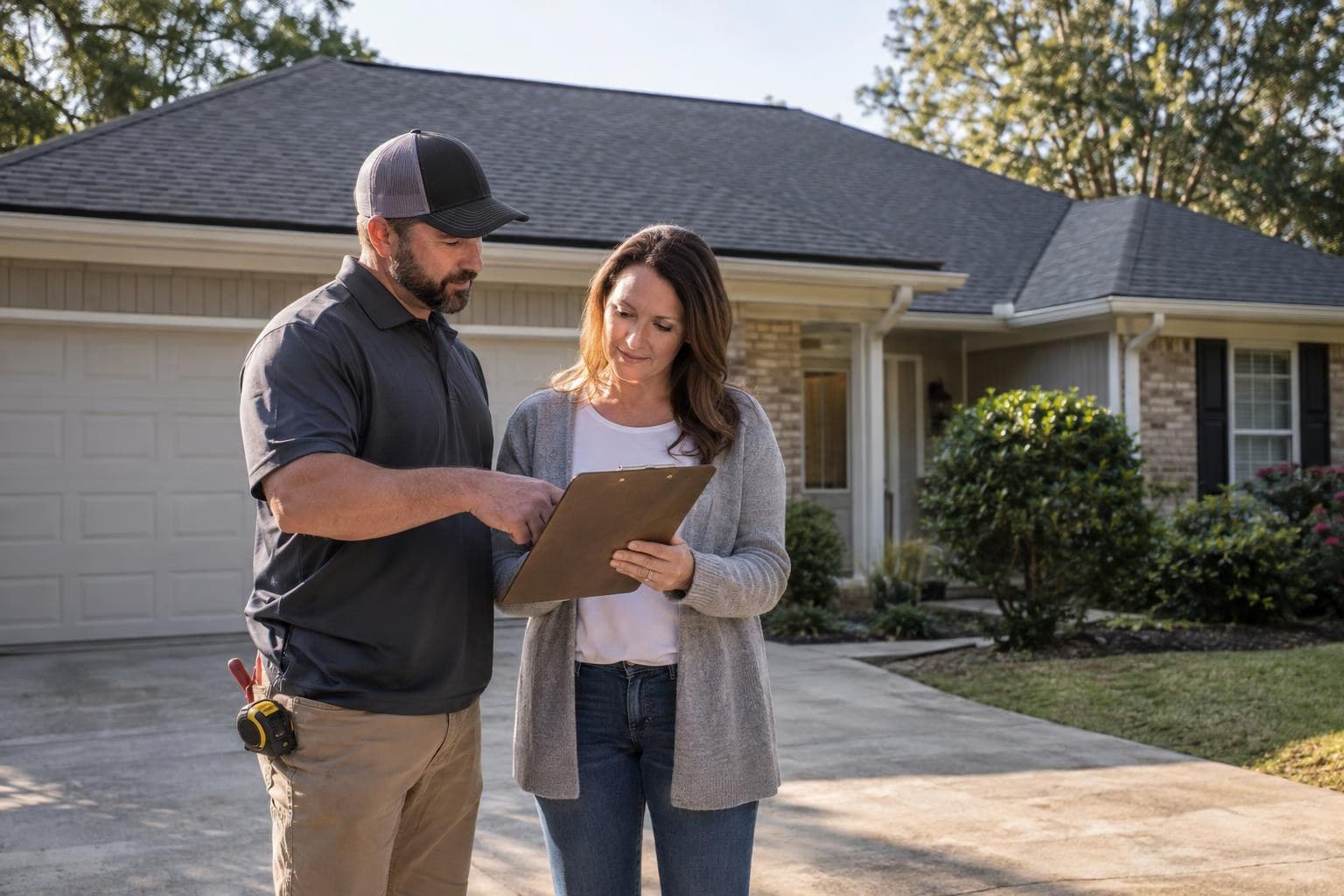
Document the damage early, then move carefully when you pick your roofer. After a major storm, demand can spike quickly. South Dakota Consumer Protection says residents should be vigilant of transient contractor scams following severe weather. The state urges you to take your time, do your due diligence, and contact the Division of Consumer Protection when in doubt. A local contractor whose credentials you verified can inspect the roof, explain whether you are looking at repairs or replacement, and help you understand the material options.
How do you choose a roofer in South Dakota without getting burned?
Follow the state’s consumer checklist. Ask for references and a proven track record. Ask for a written estimate and a written contract. Read the contract carefully, make sure guarantees are in writing, and make sure any project changes require a signed Change Order. Ask for sales tax license, and because the Department of Revenue says contractors doing this kind of work must have a South Dakota contractor’s tax license, ask about that too. If a permit is required, make sure it is obtained. Pay by check, keep copies of your paperwork, and hold final payment until the work is completed to your satisfaction.
- Get everything in writing before work starts
- Keep a copy of the final signed contract
- Make sure project changes use a Change Order signed by both parties
- Do not make final payment until the work is finished to your satisfaction
- Avoid on-the-spot cash payments, pay by check to the contracting company and not an individual
- Ask about the contractor’s tax license and sales tax license
So, what is the best roof for your South Dakota home?
For most homes, the best roof is Class 4, because it lines up with South Dakota’s hail and storm risk without pushing you all the way to metal pricing. Choose Class 3 if your budget is the priority and you still want a solid shingle roof. Choose standing seam metal if you want a premium option and the price fits your plans. If you are comparing materials right now, start with your storm exposure, ask your carrier about any Class 4 discount, and then compare the latest local cost data side by side. For a closer local number, check the South Dakota cost page and the calculator, then talk with a roofer whose credentials and written scope you checked about what your roof actually needs.
Sources
Reviewed technical references for South Dakota
Related South Dakota roofing guides
Related services
Updated July 10, 2026
3D Roofs Editorial Team
Editorial Standards