Updated July 10, 2026

3D Roofs Editorial Team
Editorial Standards
If you have shopped for a roof anywhere along the Front Range, a roofer has pitched you Class 4 shingles. In Colorado, where the Denver-to-Colorado Springs corridor records more large hail than almost anywhere in North America, the question is worth taking seriously: are impact-resistant shingles actually worth the upgrade, or just a markup? In Hail Alley, the answer leans toward yes more often than almost anywhere else in the country.
What Class 4 actually means
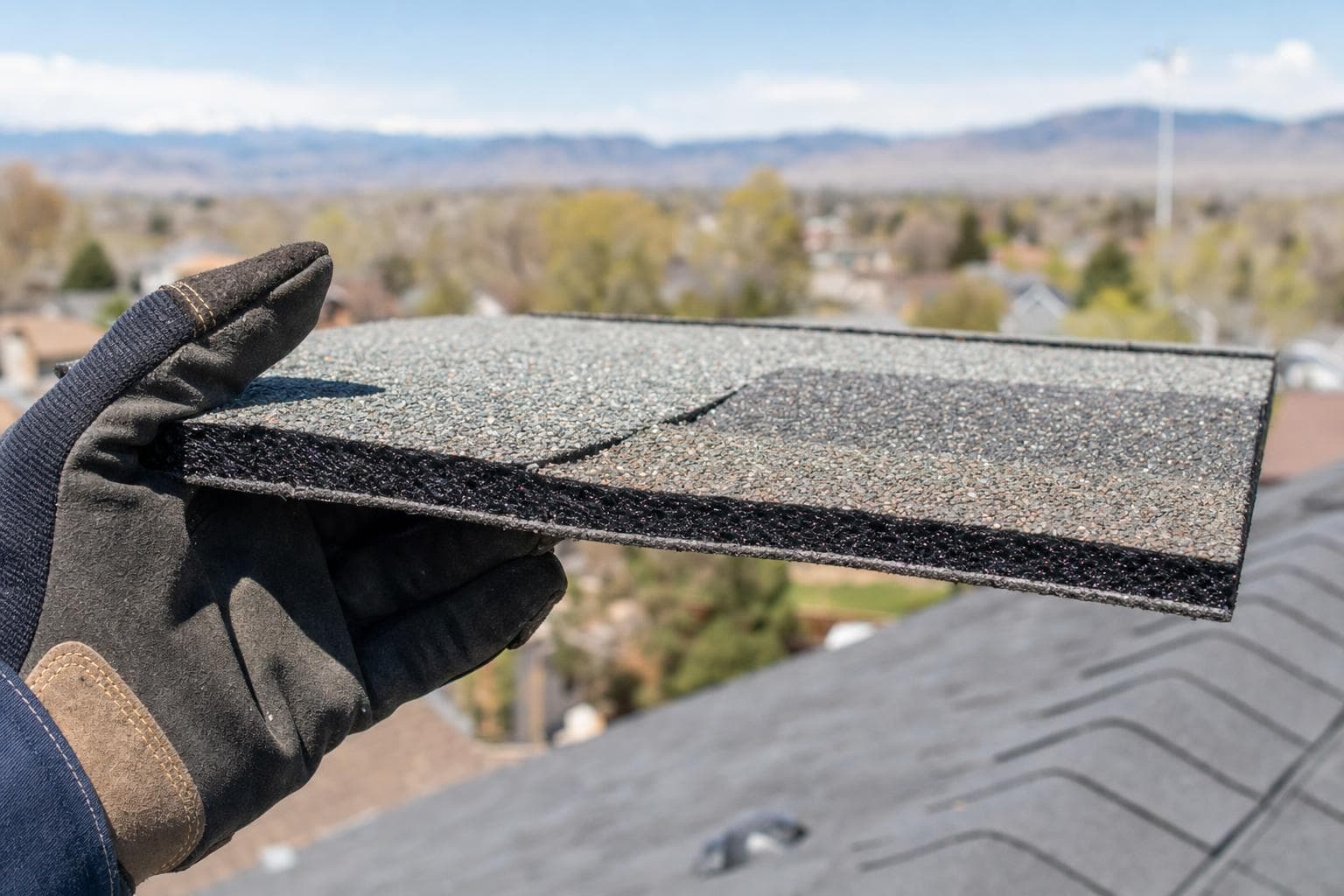
Class 4 is the top rating under UL Standard 2218, the impact test where a steel ball is dropped on the shingle to simulate hail. There are four classes; Class 4 is the most impact-resistant. It does not make a roof hail-proof, and the shingles can still dent cosmetically, but it meaningfully reduces the bruising and cracking that turns a Colorado storm into a claim and shortens a roof's life.
The Colorado insurance angle
This is where Colorado changes the math. Insurance treatment for an impact-resistant shingle decision in Colorado varies by carrier and policy; confirm the exact product, documentation, eligible premium portion, and credit in writing. There is no fixed statewide percentage, since each carrier sets its own discount, so call your insurer and ask what it actually credits before you count on a number. The credit lowers your premium; it is not a guarantee that a future claim gets approved.
Colorado is pushing more of that savings to homeowners
The state has moved to make the resilient-roof discount more visible. Senate Bill 26-155, signed in June 2026, created the Strengthen Colorado Homes program, and starting in 2027 it requires insurers to report annually on the discounts they apply for resilient roofs. The practical takeaway for you is simple: ask your carrier in writing what Class 4 credit applies, and submit the manufacturer's certificate after the install so you actually capture it.
Talk to a roofer today
Planning ranges, scope details, and a direct path to request a roofing quote.
The upgrade math
Check current Colorado cost data for an impact-resistant shingle decision in Colorado, then replace the range with an assembly-specific proposal based on measured conditions. Weigh that against years of premium credits plus the hail claims and deductibles you may avoid. In a hail corridor like the Front Range, that math often favors Class 4.
Are they worth it in Colorado?
For Front Range homes, hail exposure makes the upgrade worth comparing, but the decision still depends on the installed price, exact product, roof scope, and a written insurer answer. The clean way to decide is to get the Class 3 and Class 4 numbers on the same estimate, then ask your insurer what credit applies to your policy. Let those two numbers, not a sales pitch, make the call.
What the impact rating can and cannot tell you
UL 2218 is a product impact test, not a promise that a finished roof cannot be damaged. A Class 4 listing tells you that the named product met the highest classification in that test method. It does not grade the deck, flashing, fastener placement, ventilation, or workmanship, and it does not decide whether an insurer will cover cosmetic marks or offer a credit. Ask for the exact manufacturer and product line so you can verify the listing instead of accepting 'Class 4' as a generic sales label. For the Colorado Class 4 decision, verify the named product and written insurer answer together; neither a generic rating nor an assumed credit completes the decision. For a Class 4 shingle option in Colorado, use the linked Colorado Revised Statutes, Article 22 (Residential Roofing Services; SB 12-038) reference as the state-reference checkpoint and test the recommendation against the address's elevation, snow and ice behavior, open-edge wind, solar intensity, and safe winter repair access.
- Put the exact shingle manufacturer, product line, color, and impact classification in the proposal.
- Compare the required nail pattern, starter, hip and ridge products, underlayment, and deck repairs as one installed system.
- Ask your insurer in writing whether this exact product qualifies for a credit and what documentation must be submitted.
- Read the policy and product warranty for cosmetic-damage language, exclusions, transfer rules, and required maintenance.
- Confirm local availability for future repairs; a discontinued or hard-to-match shingle can turn a small repair into a larger decision.
- For the Colorado Class 4 decision, attach the exact certification and the insurer's written eligibility answer to the bid comparison.
How to decide whether the upgrade fits a Colorado roof
Colorado roofs combine strong ultraviolet exposure and temperature swings with Front Range hail and, in higher elevations, snow and ice loads. Compare the verified upgrade price with the roof's current condition, your likely ownership horizon, product availability, and any insurer credit you have actually been quoted. If the deck, flashing, ventilation, or installation plan is weak, spending more on the surface product will not correct those weaknesses. The useful question is not whether Class 4 is always worth it; it is whether this tested product improves the complete scope for this roof at a price you understand.
Sources
In Hail Alley, Class 4 is not a luxury upgrade, it is risk management your insurer may help pay for.
Related reading and source material
- Best roof for Colorado hail, snow, and high-altitude sun
- What to do after hail damage to your roof in Colorado
- How much does roof replacement cost in Colorado?
- UL Solutions: UL Solutions and IBHS Drive Trust in Residential Roofing Shingles
- Insurance Institute for Business & Home Safety: Natural Weathering and Hazard Exposure
Verify the exact Class 4 product for Colorado
Class 4 is a product classification under a defined impact test, not a generic description of every architectural shingle. Put the manufacturer, product line, color, field-shingle classification, and compatible hip and ridge products in the Colorado proposal. Keep package labels or certification records needed by the manufacturer or insurer, and do not treat the rating as a promise that every real storm will leave no cosmetic or functional damage. For a Class 4 shingle option in Colorado, check the linked Colorado Roofing Association (state has no statewide roofing license; local licensing and permits) reference for the state-level question while the property inspection addresses elevation, snow and ice behavior, open-edge wind, solar intensity, and safe winter repair access.
Compare the complete shingle assembly in Colorado
The upgrade does not correct weak decking, incomplete flashing, poor starter or ridge attachment, or an unsuitable ventilation plan. Compare the Class 4 option with the standard option on identical tear-off, underlayment, edge metal, flashings, fasteners, ventilation, deck repair, and workmanship. The price difference should represent the tested product and required companion materials, not two different Colorado roof scopes. For a Class 4 shingle option in Colorado, keep the linked Colorado Revised Statutes, Article 22 (Residential Roofing Services; SB 12-038) reference in the project file and document how the roof's elevation, snow and ice behavior, open-edge wind, solar intensity, and safe winter repair access affect this decision.
Ask the Colorado insurer about the named product
The carrier decides whether it recognizes the exact product, what credit or documentation may apply, and how cosmetic damage is treated. Get that answer in writing before assigning financial value to the classification. A contractor can supply product records and describe construction, but it should not guarantee coverage, premium treatment, or the outcome of a future claim. For a Colorado property, distinguish high-elevation winter demands from lower-elevation heat, impact, and wind conditions before comparing the scope.
Reviewed technical references for Colorado
Related Colorado roofing guides
Related services
Updated July 10, 2026
3D Roofs Editorial Team
Editorial Standards