Updated July 10, 2026

3D Roofs Editorial Team
Editorial Standards
Colorado homeowners see more hail than almost anyone in the country, so you will likely face this question more than once: did that storm actually damage my roof, or did it just leave marks? The distinction is not academic. Insurers pay to replace functional hail damage that shortens your roof's life, and they decline cosmetic marks that look bad but still shed water. Knowing which one you have keeps you from chasing a claim you will not win, or from missing one your policy owes you.
Why hail hits Colorado roofs so hard
The Front Range routinely takes several damaging hailstorms a season, and storms producing very large hail have grown more common in recent years. A single storm can do billions in insured damage statewide. Spring and summer storms drive granule loss, bruising, and outright punctures, and the high winds that travel with them break the seal strips that bond your shingles together. That combination, big stones and strong wind on the same afternoon, is why Hail Alley roofs age in sudden steps rather than a slow decline.
What functional hail damage looks like
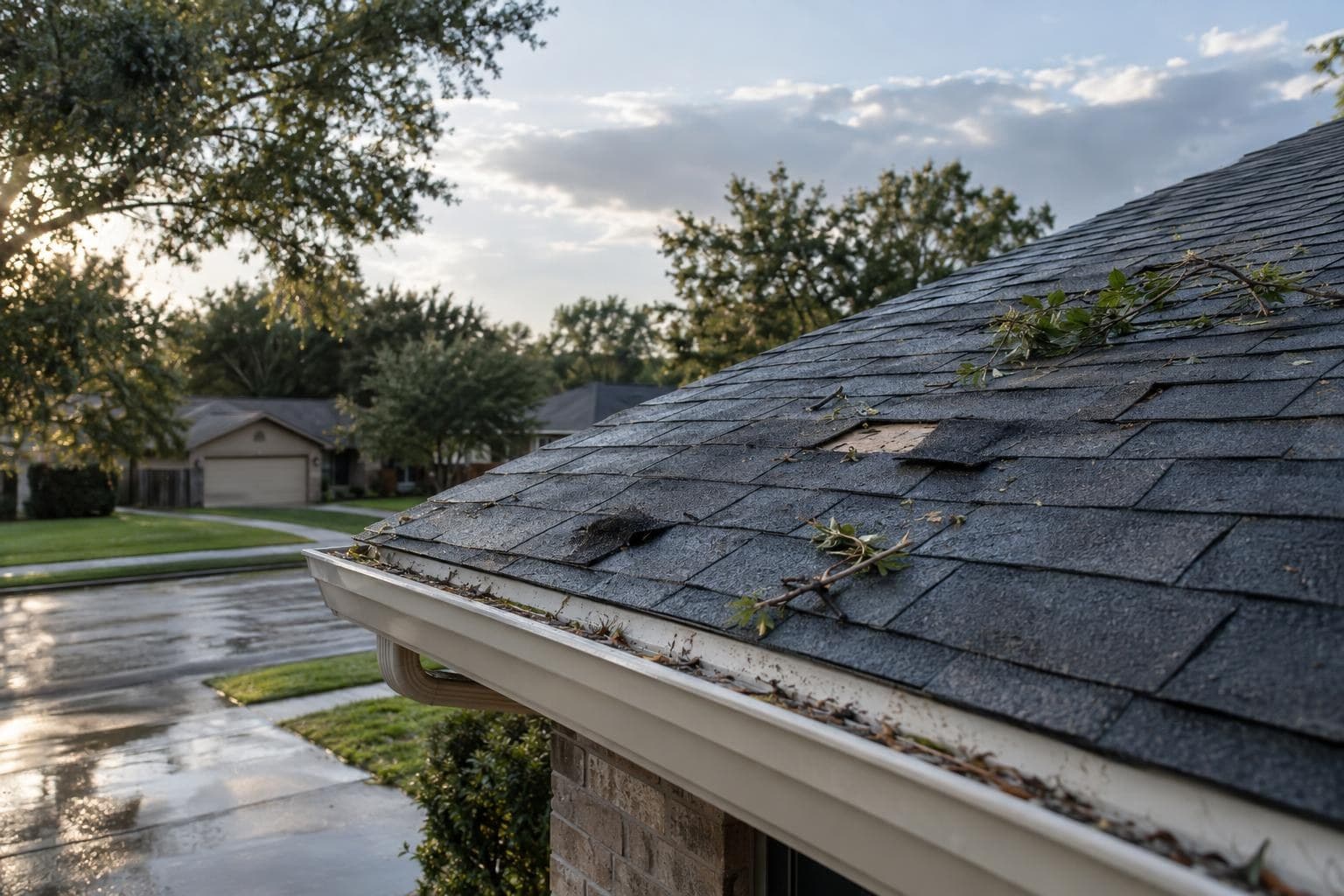
- Mat fractures: the impact cracked the fiberglass mat under the granules. It feels like a soft, springy bruise under thumb pressure.
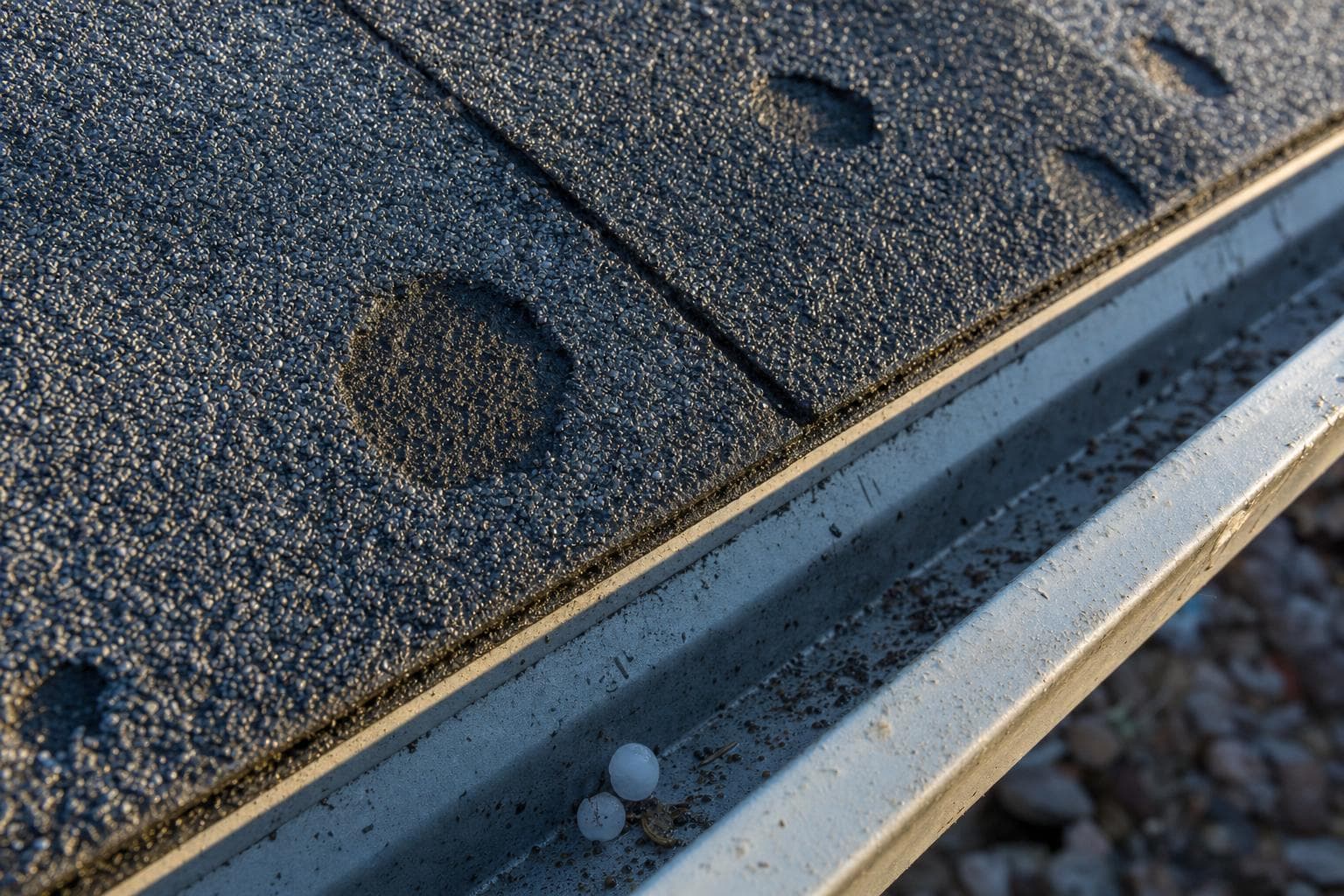
- Granules knocked away to expose the asphalt, fresh dark or shiny spots that open the shingle to UV decay.
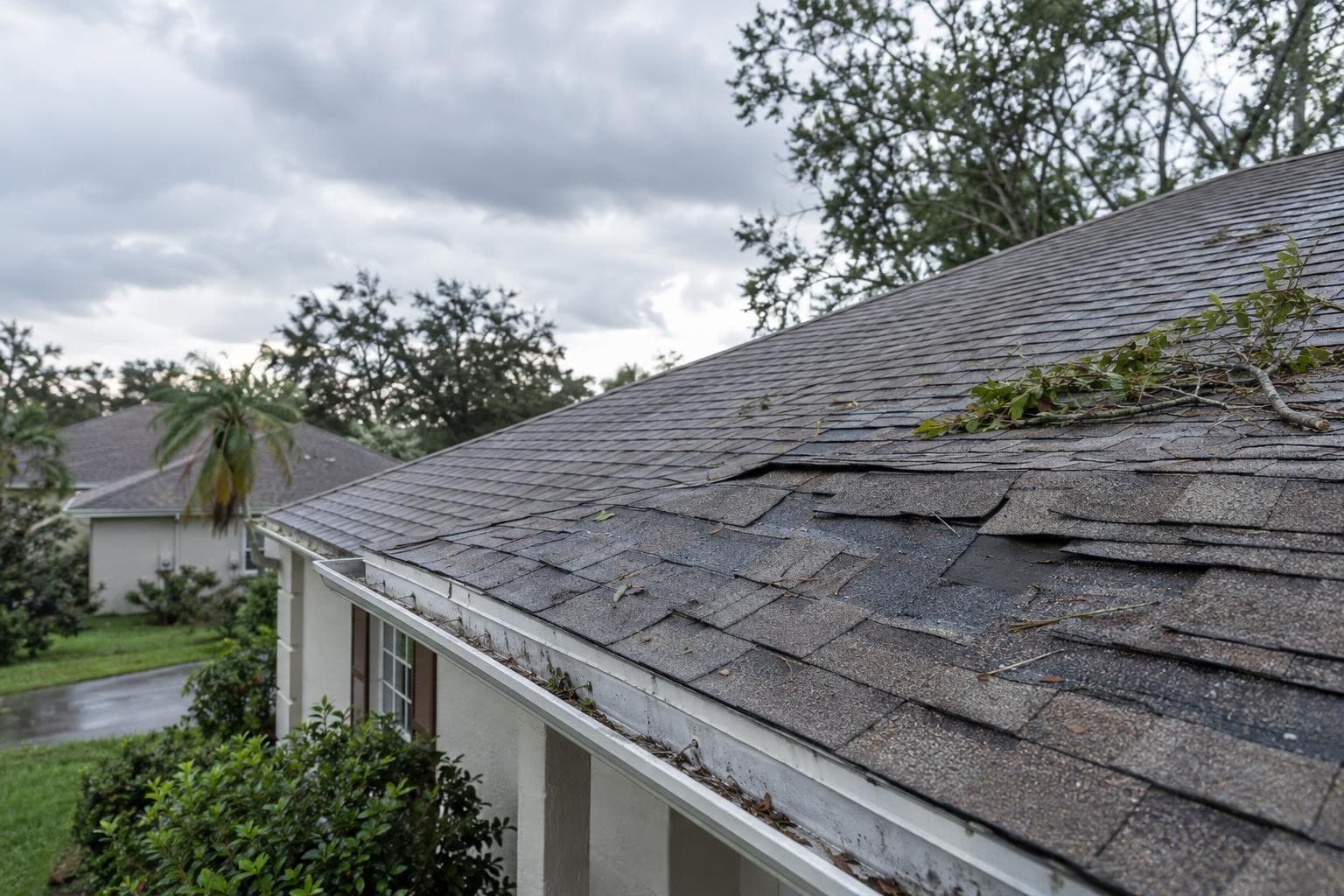
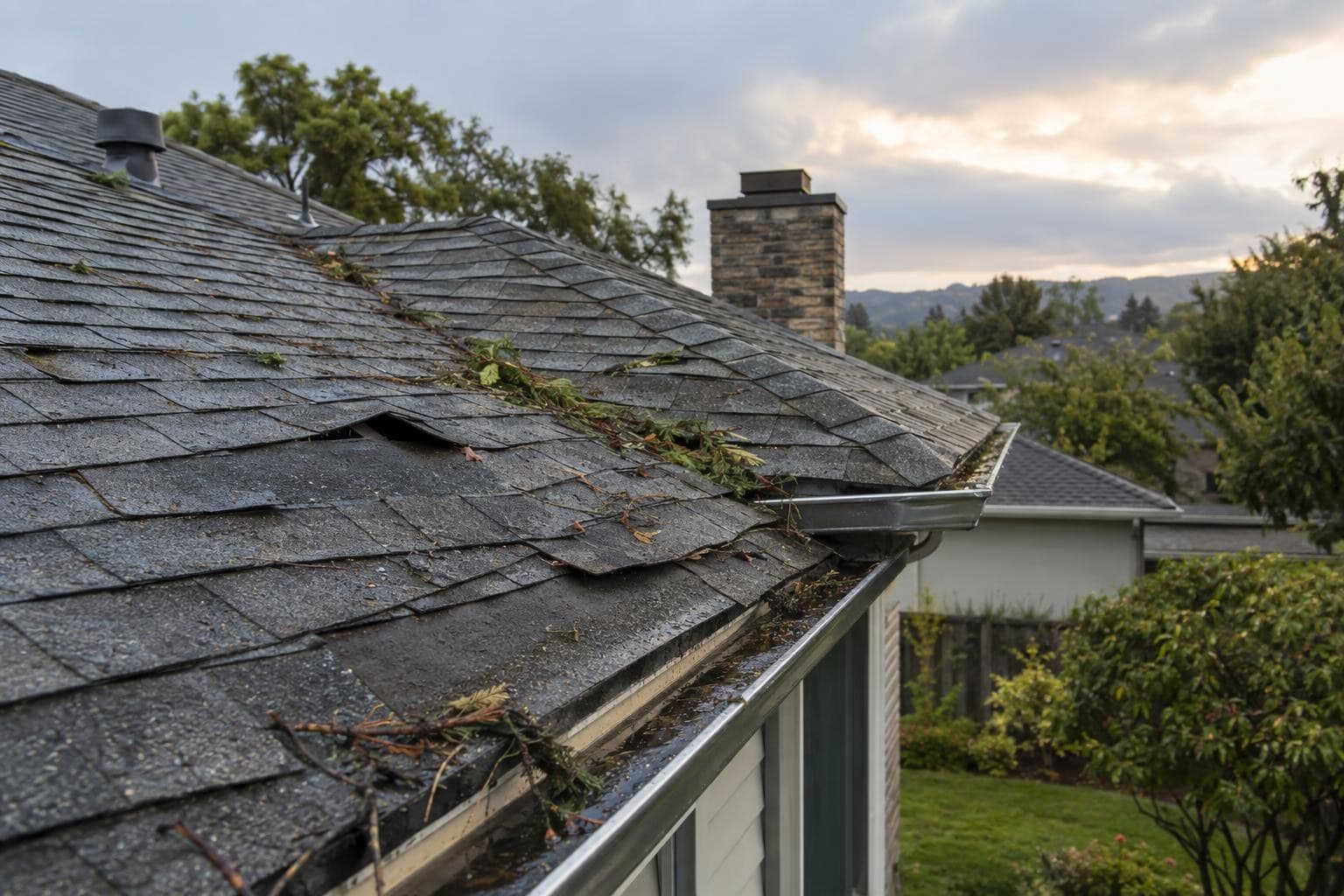
- Broken seal strips that leave shingles loose to the next wind, common when hail and gusts arrive together.
- Punctures and tears clean through aging shingles from large stones.
- Split ridge caps, which take direct, unbuffered hits and crack along the bend.
What usually counts as cosmetic
Scuffed granules that do not expose asphalt, faint surface marks that do not soften the mat, and dented metal that still functions, a dimpled vent cap that still vents, dented gutters that still drain, are typically called cosmetic. Metal roofing complicates this: many carriers now attach cosmetic-damage exclusions specifically for metal, paying only when a panel is actually breached or its coating is compromised. If you own metal in Colorado hail country, read that endorsement before you need it, not after.
Talk to a roofer today
Planning ranges, scope details, and a direct path to request a roofing quote.
How to document a Colorado hail claim
- 1Start with soft metals: dents in gutters, downspouts, AC fins, and window wraps establish the hail size and direction, the storm's fingerprint.
- 2Look for directionality: real hail damage concentrates on the storm-facing slopes. Uniform marks on every slope point to wear, not a single storm.
- 3Date-stamp everything: tie your photos to the storm date and pull the local hail report so the claim is anchored to a real event.
- 4Get a slope-by-slope inspection from a roofer who will count qualifying hits and tell you honestly when a roof took hits but does not qualify.
Why honest assessment is your best protection
Calling every cosmetic mark functional damage can undermine the inspection record, while missing fractures or displaced materials leaves relevant conditions undocumented. A useful roof inspection covers each accessible slope and explains what was observed without promising which items the policy will cover. The insurer makes that coverage decision. After a Front Range storm, look for measured documentation, a written repair scope, and a contractor willing to distinguish storm damage from age, wear, and unrelated defects.
Document the roof condition first; let the policy and insurer determine whether the observed damage is covered.
Sources
Related reading and source material
Make the Colorado property safe and dry first
Stay away from downed lines, unstable trees, standing water near electrical equipment, and visibly unstable roof areas. Arrange necessary temporary protection, preserve receipts, and photograph conditions before covering them when it is safe. Emergency work should prevent additional damage without erasing the evidence needed for permanent scope. For a Colorado property, review elevation, snow and ice behavior, wind exposure, solar intensity, temperature movement, and safe repair access for the property.
Build a located evidence record in Colorado
Use overview photographs to locate close-ups by slope, orientation, material, and detail. Record covering, edges, ridges, valleys, walls, penetrations, drainage, deck or attic evidence, and interior effects. Separate what is observed from what still requires testing or removal. For a Colorado property, map cold eaves, snow-release zones, open edges, valleys, penetrations, and any lower roofs or walkways affected by the chosen assembly.
Separate functional damage from appearance and weathering in Colorado
Explain the mechanism, whether attachment or water shedding is affected, and how widely the condition is distributed. Impact marks, dents, granule change, lifted material, failed sealant, age, and installation defects do not all support the same conclusion. The repair boundary should follow evidence. For a Colorado property, distinguish high-elevation winter demands from lower-elevation heat, impact, and wind conditions before comparing the scope.
Keep claim and construction decisions in separate lanes in Colorado
The roofer documents conditions and prices temporary or permanent work. The insurer applies the policy, deductible, valuation, and claim rules. The building official interprets code for the project. Preserve correspondence, estimates, contracts, changes, invoices, and completion records without assuming coverage or a replacement outcome.
What to confirm before finalizing a hail-damage roof inspection in Colorado
Review elevation, snow and ice behavior, wind exposure, solar intensity, temperature movement, and safe repair access for the property. For a hail-damage roof inspection in Colorado, use the reviewed state resources linked on this page, including Colorado Division of Insurance / DORA and Colorado Revised Statutes, Article 22, to verify current credentials, insurance boundaries, contract terms, or consumer requirements that apply. Confirm permits and inspections locally, and keep the property evidence separate from any policy or sales promise.
- Make the Colorado property safe, prevent additional water entry, and photograph conditions before temporary work when practical.
- Map the cause, consequence, distribution, and uncertainty by roof area instead of relying on one close-up or interior stain.
- Test whether the repair can tie into sound layers and identify the concealed finding that would expand the opening.
- Confirm the Colorado permit and inspection path with the local building department before work begins.
- Keep the Colorado photographs, contract, approved changes, invoices, payments, product records, and warranties together.
- Compare what remains in service, the risk the owner accepts, the payment terms, and the completion evidence for each option.
Before committing to a hail-damage roof inspection in Colorado, require one final written reconciliation of roof measurements, known base work, concealed-work pricing, state and local responsibilities, product records, inspections, payment milestones, exclusions, and completion documents. The recommendation should identify what remains in service, what risk the owner accepts, and which new finding would change the scope. For a hail-damage roof inspection in Colorado, use the linked Colorado Division of Insurance / DORA (action to lower homeowners rates; resilient roofs) reference as the state-reference checkpoint and test the recommendation against the address's elevation, snow and ice behavior, open-edge wind, solar intensity, and safe winter repair access.
Reviewed technical references for Colorado
Related Colorado roofing guides
Related services
Updated July 10, 2026
3D Roofs Editorial Team
Editorial Standards