Updated July 10, 2026

3D Roofs Editorial Team
Editorial Standards
If your Tennessee home sits where spring and summer thunderstorms throw large hail, Class 4 impact-resistant shingles are the single upgrade most worth pricing on your next roof. They are built to survive the exact damage that retires Tennessee roofs early, and some insurers reward them with a premium credit. The question is not whether they are tougher, they are, but whether the extra cost pays off for your specific roof and policy.
What Class 4 actually means
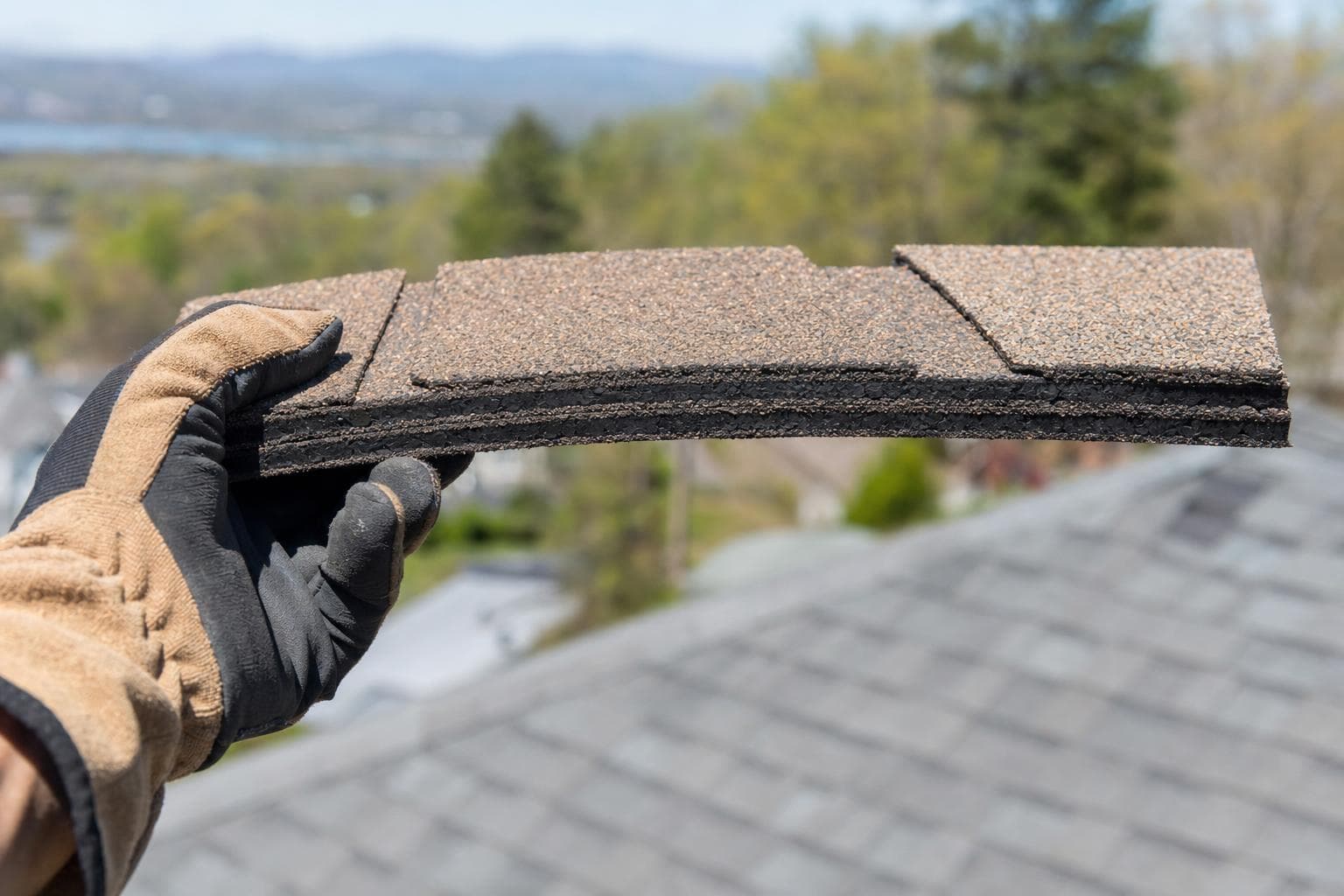
Class 4 is the highest of four impact ratings under UL Standard 2218, a test where a steel ball is dropped onto the shingle to simulate hail. To earn the rating, the shingle mat cannot crack or split under the impact. In practice that means a Class 4 shingle resists the puncture and mat fracture that hail inflicts on standard shingles, the kind of damage that breaks seals and shortens a roof's life even when it looks fine from the ground.
Why it matters in Tennessee
Tennessee's storms drive large hail across Middle and West Tennessee year after year, and hail rarely strikes one spot, it bruises whole storm-facing slopes at once. A standard shingle takes that hit and quietly loses life. A Class 4 shingle absorbs more of it, which means fewer storm-damage repairs, a longer service life, and a roof less likely to need an early replacement after a bad hail season. In a state where hail is the leading roof-killer, that durability is the whole point.
The cost and the insurance angle
For an early budget on an impact-resistant shingle decision in Tennessee, compare the Tennessee cost page with a proposal that identifies measurements, products, accessories, and exclusions. The offset is insurance: many Tennessee insurers offer a premium credit for an impact-resistant roof. There is no fixed statewide discount, each carrier sets its own, so ask yours exactly what they credit before you count on a number, then submit the manufacturer's certificate after the install to actually claim it.
Talk to a roofer today
Planning ranges, scope details, and a direct path to request a roofing quote.
What Class 4 does not do
- It resists puncture and mat fracture, but the shingles can still dent cosmetically from very large hail.
- It does not change your deductible, including the separate percentage wind and hail deductible many Tennessee policies carry.
- It does not replace good installation, flashing, underlayment, and ventilation still decide whether the roof lasts.
- The premium credit is not automatic; you have to ask for it and document the install to claim it.
Is it worth it for you?
For most Tennessee homeowners in hail country, the answer leans yes: the durability alone reduces storm-damage headaches, and an annual insurance credit can chip away at the upgrade cost over the years you own the roof. For a sheltered roof that rarely takes direct hail, the case is weaker and quality architectural shingles may be the smarter spend. The way to decide is to get the Class 3 and Class 4 prices side by side and ask your carrier what each would do to your premium.
What to verify on a Tennessee Class 4 proposal
Require the exact manufacturer and product line, then verify its current UL 2218 classification rather than accepting a generic 'impact-resistant' label. The proposal should also name the starter, hip and ridge products, underlayment, nail pattern, flashing, ventilation, and deck-repair process. Ask your insurer whether that exact product qualifies for a credit and what proof it needs. A complete assembly and written insurer answer are more useful than a rating badge by itself.
Sources
Class 4 shingles cost a little more once and resist the hail that would cost you a whole roof later. In Tennessee, that trade usually favors the homeowner.
Related reading and source material
Verify the exact Class 4 product for Tennessee
Class 4 is a product classification under a defined impact test, not a generic description of every architectural shingle. Put the manufacturer, product line, color, field-shingle classification, and compatible hip and ridge products in the Tennessee proposal. Keep package labels or certification records needed by the manufacturer or insurer, and do not treat the rating as a promise that every real storm will leave no cosmetic or functional damage. For a Class 4 shingle option in Tennessee, use the linked Tennessee Dept. of Commerce & Insurance (storm recovery: claims & hiring contractors) reference as the state-reference checkpoint and test the recommendation against the address's heavy-rain drainage, heat, warm-season wind or impact, tree cover, and any coastal exposure.
Compare the complete shingle assembly in Tennessee
The upgrade does not correct weak decking, incomplete flashing, poor starter or ridge attachment, or an unsuitable ventilation plan. Compare the Class 4 option with the standard option on identical tear-off, underlayment, edge metal, flashings, fasteners, ventilation, deck repair, and workmanship. The price difference should represent the tested product and required companion materials, not two different Tennessee roof scopes. For a Class 4 shingle option in Tennessee, check the linked Tennessee Board for Licensing Contractors (who needs a license) reference for the state-level question while the property inspection addresses heavy-rain drainage, heat, warm-season wind or impact, tree cover, and any coastal exposure.
Ask the Tennessee insurer about the named product
The carrier decides whether it recognizes the exact product, what credit or documentation may apply, and how cosmetic damage is treated. Get that answer in writing before assigning financial value to the classification. A contractor can supply product records and describe construction, but it should not guarantee coverage, premium treatment, or the outcome of a future claim. For a Tennessee property, map drainage, roof edges, attic moisture, low-slope sections, and storm-repair access before selecting a construction boundary.
Plan future matching and repair access in Tennessee
Confirm local stock for the field shingle, starter, ridge products, and color. Ask how surrounding courses will be opened and how underlayment or flashing will be restored during a repair. Use the property's terrain, roof shape, tree cover, and actual storm evidence instead of treating the state as one roofing climate. Product availability and a durable repair boundary can matter as much as the original impact classification after a regional storm. For a Tennessee property, use the property's terrain, roof shape, tree cover, and actual storm evidence instead of treating the state as one roofing climate.
What to confirm before finalizing a Class 4 shingle option in Tennessee
For a Class 4 shingle option in Tennessee, use the reviewed state resources linked on this page, including Tennessee Dept. of Commerce & Insurance and Tennessee Board for Licensing Contractors, to verify current credentials, insurance boundaries, contract terms, or consumer requirements that apply. Confirm permits and inspections locally, and keep the property evidence separate from any policy or sales promise.
- Match the Class 4 shingle option to the Tennessee roof's slope, deck, drainage, exposure, geometry, and difficult transitions.
- Compare the complete assembly: underlayment, attachment, flashings, edges, valleys, penetrations, ventilation, and low-slope details.
- Confirm exact products, compatible accessories, local replacement stock, future repair access, and required maintenance.
- Confirm the Tennessee permit and inspection path with the local building department before work begins.
- Keep the Tennessee photographs, contract, approved changes, invoices, payments, product records, and warranties together.
- Separate manufacturer material coverage, finish or performance terms, and contractor workmanship responsibility before choosing the system.
Reviewed technical references for Tennessee
Related Tennessee roofing guides
Related services
Updated July 10, 2026
3D Roofs Editorial Team
Editorial Standards