Updated July 27, 2026

3D Roofs Editorial Team
Editorial Standards
Yes, homeowners insurance can cover a roof replacement in Georgia when the roof has functional damage from a covered event such as hail or damaging wind. For does insurance cover roof replacement in Georgia, coverage depends on the policy language, cause of loss, exclusions, and the insurer's decision; verify those terms in your own documents. That difference matters more than anything else when you are deciding whether to file a claim.
When does insurance cover roof replacement in Georgia?
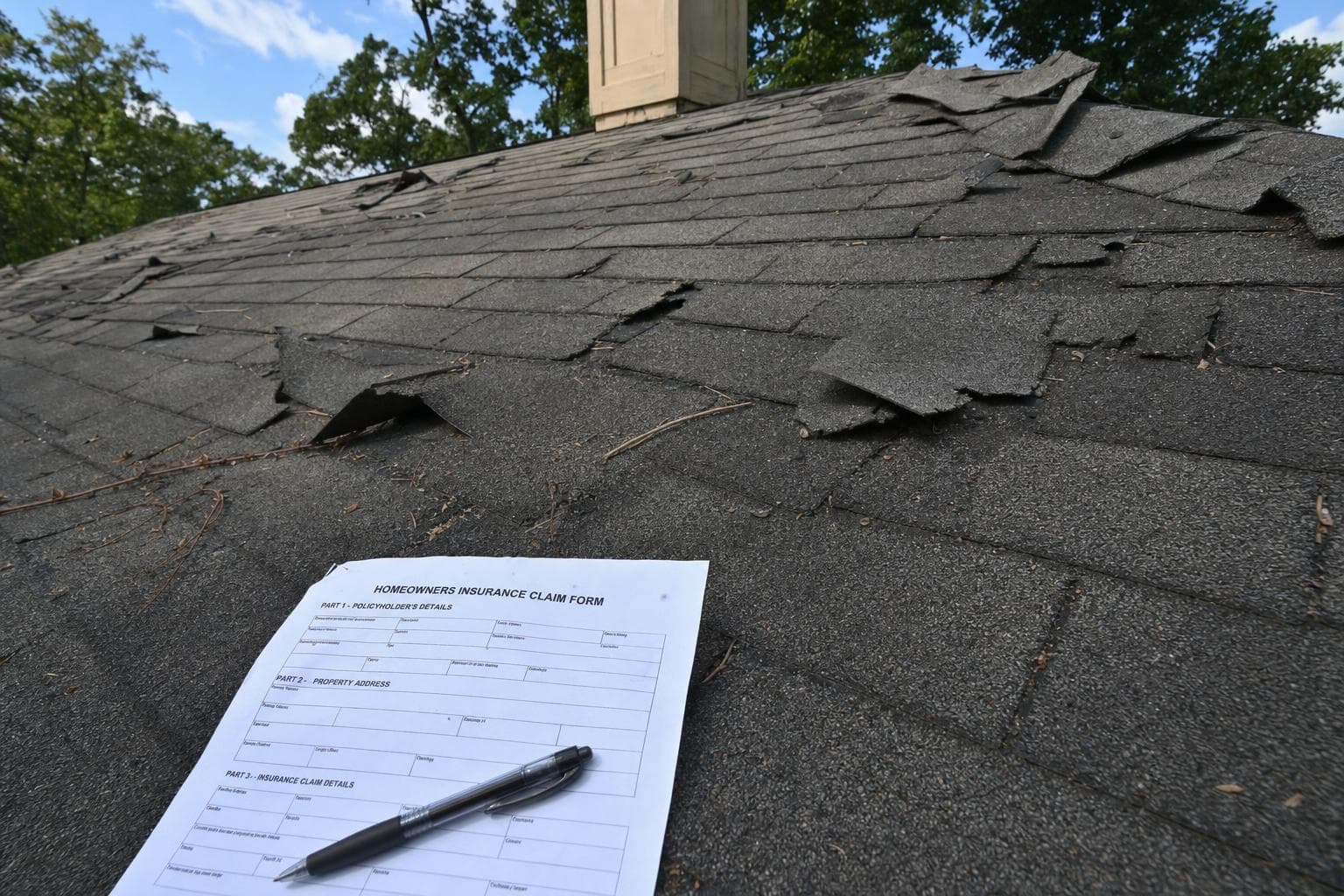
Insurance usually covers roof work when a storm causes sudden, accidental damage that affects how your roof sheds water or protects your home. In Georgia, that often means hail, straight-line wind, tornado-related damage, or wind-driven rain tied to a covered loss. Georgia roofs take a lot from severe thunderstorms, long hot summers, humidity, and in some areas tropical weather or occasional winter ice. But only the storm damage side of that picture is what insurance is generally built for. If the roof has creased, torn, punctured, lifted, or otherwise suffered functional damage, you may have a claim. If the roof is simply aging, brittle, faded, streaked, or losing granules over time, that usually points to maintenance or normal wear, not an insurance-covered replacement.
What is the difference between storm damage and normal wear?
The short answer is this: storm damage is sudden and specific, wear is gradual and expected. Functional storm damage means the roofing system no longer performs the way it should. Examples can include shingles torn off by wind, seals broken by uplift, hail impacts that damage the mat, bent or displaced flashing, or leaks that start after a documented storm. Normal wear is different. Georgia heat can age shingles faster than in cooler climates, humidity can feed algae streaks, and older roofs can become dry, thin, and fragile. Those conditions may lead to repairs or replacement, but they are usually a homeownership cost rather than an insurance event. A roofing contractor you are considering can inspect the roof and show you whether the damage looks tied to one storm or long-term aging.
Will insurance pay for a full replacement or just a repair?
It depends on how much of the roof has functional damage and what your policy allows. If the damage is limited and repairable, the carrier may pay for a repair. For current Georgia planning prices related to does insurance cover roof replacement, use the cost guide and calculator, then compare the contractor's property-specific written scope. If the storm damage is widespread, the roof system cannot be restored properly with a spot fix, or matching and repair limits in your policy lead to a larger scope, the claim may move toward replacement instead. If you want a deeper look at replacement costs by material, full local pricing lives on the Georgia cost page and the calculator.
Talk to a roofer today
Planning ranges, scope details, and a direct path to request a roofing quote.
Do I have to pay my deductible on a Georgia roof claim?
Yes. For does insurance cover roof replacement in Georgia, do not assume a contractor can remove or hide the deductible required by the policy. Verify current state law and the written proposal with the insurer or state insurance regulator before signing. Georgia insurance regulators warn consumers to treat a contractor's promise to pay, waive, rebate, or absorb the deductible as a serious red flag. Because statutes and bulletins can change, confirm the current rule with your insurer or the Georgia Office of Insurance and Safety Fire before signing. If someone offers a "free roof" by eating your deductible, that is a red flag. A real claim means the insurer pays according to the policy and you pay the deductible you agreed to when you bought the coverage.
How does the roof insurance claim process usually work?
The usual flow is simple: find the damage, document it, notify the carrier, schedule inspection, review the scope, then complete the work. Start by taking clear photos of missing shingles, hail strikes, interior water stains, damaged gutters, dented metal, and anything else that appeared after the storm. Then have a roofing contractor you are considering inspect the roof so you understand whether the damage looks functional and storm-related. If it does, report the loss to your insurance company and follow its claim instructions. Many homeowners also ask the roofer to be present when the adjuster inspects, so everyone is looking at the same conditions on site. Once the carrier issues its decision and scope, you can review whether it lines up with the actual damage and plan the repair or replacement.
How long does an insurer have to respond in Georgia?
Georgia puts your insurer on a clock after you file. After you submit a completed proof of loss, your insurer generally has to confirm or deny the claim within 15 days, and within 30 days of the claim being reported if no proof of loss is required. Many Georgia policies follow the state's standard fire-policy language and ask for that proof of loss within 60 days of the loss, so document hail and wind damage early. If a carrier mishandles your claim, you can file a complaint with the Georgia Office of Commissioner of Insurance and Safety Fire.
How do I choose a roofer for an insurance job in Georgia?
In Georgia, you need to look past the word licensed and verify what actually applies to your job. Georgia does not issue a standalone roofing license, so there is no state roofing credential to check. Roofing falls under the general contractor system run by the State Licensing Board for Residential and General Contractors at the Georgia Secretary of State, and a contractor only needs a residential or general contractor license once a job tops an amount that must be confirmed for the written scope in combined labor and materials. That means most full roof replacements should be done by a licensed contractor, but licensed alone says little about quality, so verify the rest before you sign.
- Confirm the company holds the right residential or general contractor license for a replacement, jobs over an amount that must be confirmed for the written scope.
- Ask for proof of current general-liability and workers'-compensation insurance.
- Check references and recent local addresses you can drive past.
- Ask about manufacturer certifications.
- Be careful with out-of-town crews that show up right after a storm, push you to sign fast, or promise to handle your whole claim.
Is a Class 4 roof worth considering after an insurance claim?
Often, yes, especially if your area sees repeated hail or strong thunderstorms. For does insurance cover roof replacement in Georgia, any insurance credit depends on the carrier, policy, address, and exact product; get the amount and documentation requirements from the insurer in writing. There is no fixed statewide percentage, though, because each carrier sets its own credit, so ask your company what they actually discount before you count on a number. For does insurance cover roof replacement in Georgia, treat Class 4 as a laboratory impact classification for the exact product, not a promise that the installed roof will resist every hail event or avoid damage. If you are comparing materials after a claim, the Georgia cost page and the calculator can help you sort the numbers.
How long does roof replacement take after claim approval?
For does insurance cover roof replacement in Georgia, ask the contractor to put the expected working days and weather plan in writing; timing depends on roof size, material, access, crew scheduling, and conditions found after tear-off. Roof shape matters too. For does insurance cover roof replacement in Georgia, treat a steep or difficult-to-access roof as a scope variable that the contractor should measure and price explicitly. Once the claim is approved and materials are ready, the on-roof work itself is usually the fast part. The slower parts are often inspection scheduling, claim review, and final paperwork.
Should you file a roof claim in Georgia?
File when you have real storm damage, not when you just suspect the roof is old. A claim makes sense when a covered event likely caused functional damage and the scope may go beyond a minor fix. If the problem looks like age, algae, heat wear, or general deterioration, it may be smarter to pay for maintenance or replacement without insurance. The best first step is a clear inspection from a roofing contractor you are considering who can separate storm damage from wear and show you what is actually happening on your roof.
Sources reviewed
- Georgia Office of Commissioner of Insurance and Safety Fire (file a consumer complaint)
- Georgia Secretary of State (Public Adjusters, Roofing Contractors and Homeowners; HB 423 / deductible law)
- Georgia Attorney General Consumer Protection Division: Beware of Roofers Scamming Storm Victims
- Illinois Department of Financial and Professional Regulation: Find a Licensed Roofer: State Law and Consumer Guidance
- Arizona Department of Insurance and Financial Institutions: Homeowners Insurance
Plan with current pricing
Related services
Updated July 27, 2026
3D Roofs Editorial Team
Editorial Standards