Updated July 27, 2026

3D Roofs Editorial Team
Editorial Standards
Yes, homeowners insurance in Kentucky usually covers roof replacement when a storm causes sudden, functional damage. For does insurance cover roof replacement in Kentucky, coverage depends on the policy language, cause of loss, exclusions, and the insurer's decision; verify those terms in your own documents. If your shingles, flashing, or roof penetrations were damaged by wind or hail and the roof can no longer do its job well, that is the kind of loss people usually claim. If the issue is long-term wear from sun, rain, temperature swings, or general age, that is usually a maintenance issue, not an insurance claim.
When does insurance cover a Kentucky roof replacement?
Insurance usually covers replacement when the damage is caused by a covered event and the roof has real functional storm damage. In Kentucky, roofs have to deal with severe weather, including tornado events called out by the state, along with the normal cycle of wind, rain, hail, and temperature swings that wear shingles, flashing, and roof penetrations over time. That distinction matters. A carrier may pay when wind lifts shingles, hail damages roofing components, or storm impact causes openings or failures that affect water shedding. A carrier usually does not pay just because the roof looks old, has granule loss from age, or has minor cosmetic changes that do not affect performance.
What is the difference between storm damage and normal wear?
Storm damage is sudden and tied to a specific weather event. Wear is gradual and happens over time. That is the simplest way to think about it. Functional storm damage means the roof system was changed in a way that affects how it protects your home. Normal wear means the roof is reaching the end of its life, even if a storm made you notice it. The trouble is that both can exist at once. A storm may damage an older roof, and your insurer may still look closely at what was caused by the event versus what was already there. That is why a prompt inspection and clear documentation matter.
- Functional storm damage may include missing shingles, creased or torn shingles, displaced flashing, punctures, or damage that leads to leaks.
- Wear and aging may include long-term brittleness, uniform granule loss, sealant breakdown, fading, and general deterioration over time.
- Cosmetic changes alone may not be enough if the roof still performs its job.
- If damage is mixed, the claim often turns on what the storm actually changed, not just the roof's age.
Will insurance pay the full cost of a new roof?
Not always. Your payout depends on your policy terms, the scope of covered damage, and your deductible. You should expect to pay your deductible before insurance money applies. You may also run into limits based on what the carrier agrees was damaged. If only part of the roof has covered damage, the dispute may be about repair versus replacement. For current Kentucky planning prices related to does insurance cover roof replacement, use the cost guide and calculator, then compare the contractor's property-specific written scope.
Talk to a roofer today
Planning ranges, scope details, and a direct path to request a roofing quote.
How do deductibles affect a Kentucky roof claim?
Your deductible directly reduces what you receive from a covered claim. If the covered damage amount does not exceed your deductible by much, filing may not help much. That is why homeowners should compare the likely repair or replacement cost against the deductible before assuming insurance will carry the project. Deductibles also shape decision-making after storms. Rushed temporary repairs, especially the kind done before a solid permanent scope is planned, can eat into your claim funds before the real work is lined up well. In Kentucky, after major storms, the bigger risk is often rushed hiring and temporary repairs that eat into your claim funds before permanent work is planned well.
What should you do right after storm damage?
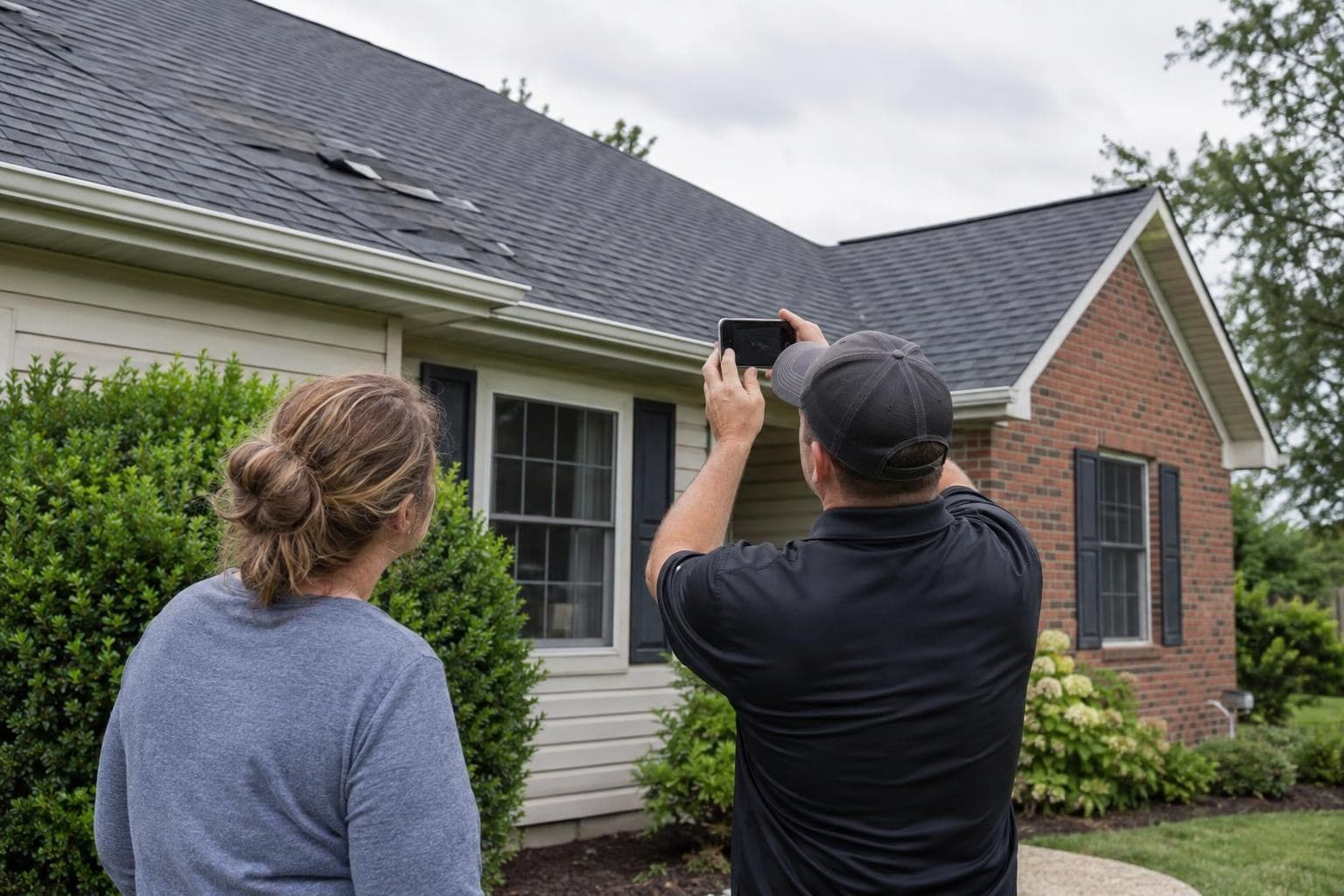
Start by documenting the damage, preventing further loss if you can do so safely, and beginning the claim process without rushing into a contract. Take photos from the ground, note the date of the storm, keep records of interior leaks or water stains, and save any communication with your insurer. Then have a roofing contractor you are considering inspect the roof and explain what appears to be storm-related versus old wear. For does insurance cover roof replacement in Kentucky, ask the contractor to put the expected working days and weather plan in writing; timing depends on roof size, material, access, crew scheduling, and conditions found after tear-off.
How does the roof insurance claim process usually work?
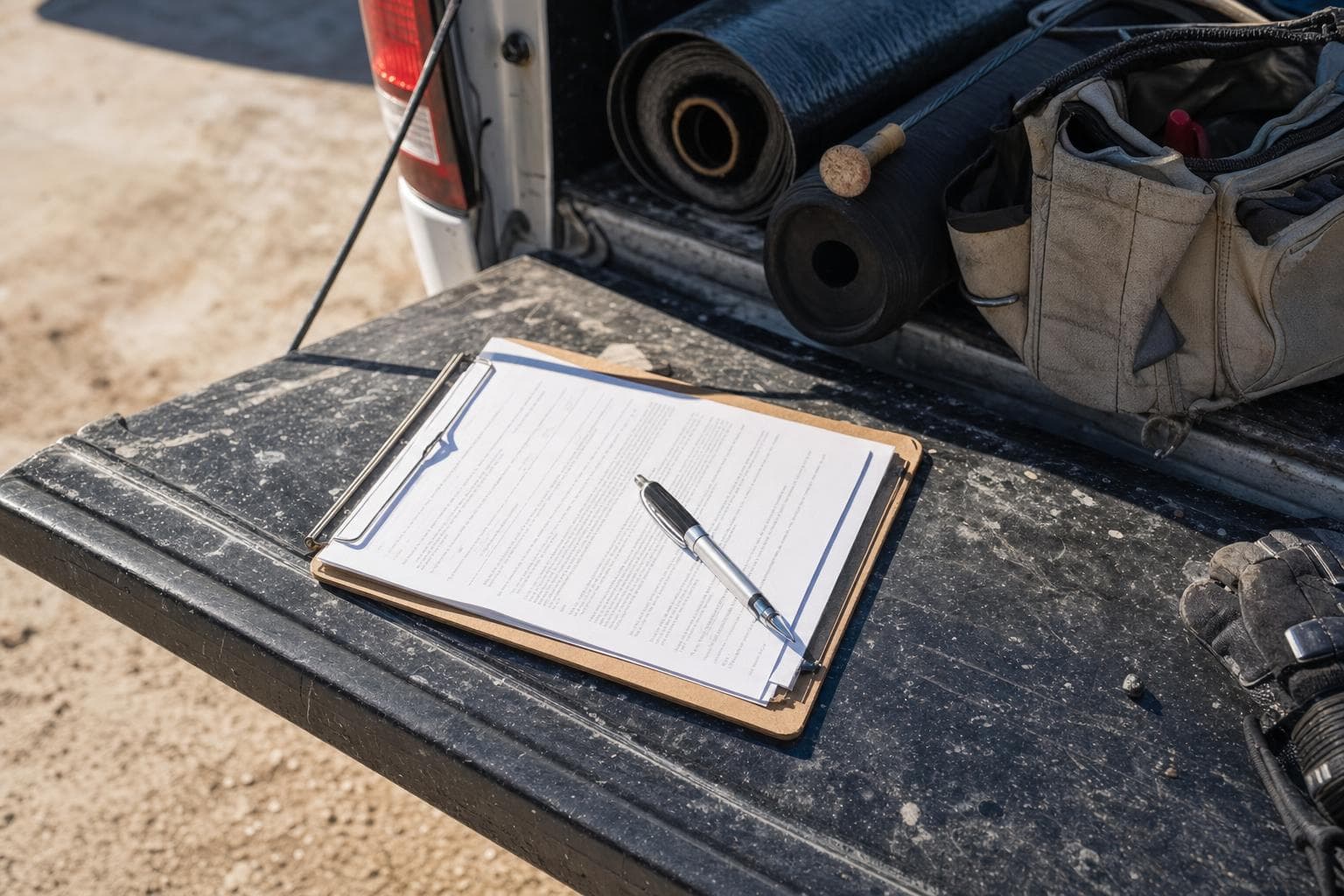
The basic flow is straightforward: document the loss, file the claim, meet the adjuster, review the scope, and then decide on repair or replacement. In practice, the important part is making sure the scope reflects functional storm damage, not just surface-level notes. Your roofer can often help you understand the estimate and identify missing line items, but you should always keep your own records and read every document before signing. If you move forward, insist on a written contract that clearly states the work, materials, payment terms, start date, and approximate completion date.
- Photograph roof-related damage and interior signs of leaking.
- Contact your insurer and open the claim.
- Schedule an inspection with your roofer and the carrier's adjuster.
- Review the scope carefully, especially if the issue is repair versus replacement.
- Do not sign paperwork you do not understand, especially anything tied to your insurance rights or checks.
- Use a written contract that covers the work, total cost, and completion details.
What should Kentucky homeowners avoid after a storm?
Avoid paying upfront, avoid pressure sales, and avoid signing away control of your claim. Kentucky's Department of Insurance tornado relief guidance tells consumers: "DO NOT PAY UPFRONT - do not pay out any funds until the work has been completed and meets your standards of satisfaction." The same guidance also says to insist on a written contract that includes a description of the work, total cost and completion date. That matters even more after a major storm, when door-to-door pitches and rushed promises are common. Get written estimates from at least three contractors, ask for past customer references, and make sure the roofer comes to your home to assess the job.
Can you cancel a roofing contract after signing?
Sometimes, yes. The Kentucky Attorney General says home repair contracts generally cannot be canceled, but there are exceptions. You have "three business days to cancel contracts which result from a home solicitation (door-to-door) sale of an amount that must be confirmed for the written scope or more and/or which result in a lien against the home unless the work is done on an emergency basis." If you want to cancel such a contract, the Attorney General says to send a written notice of cancellation within three days to the business. This is one more reason not to let anyone pressure you into signing on the spot after a storm.
Are there lien risks if you already paid for the roof?
Yes. Paying the contractor does not always mean everyone involved got paid. The Kentucky Attorney General explains that subcontractors or material suppliers may be able to collect from you or place a lien on your property if they are not paid, even if you already paid the contractor. The office recommends getting lien waivers and being careful with advance payments for materials. Before money changes hands, ask how payments will be handled and what paperwork you will receive as the job progresses and closes out.
Should you upgrade to Class 4 shingles after a claim?
It can make sense if you want more impact resistance and the numbers work for your budget. For does insurance cover roof replacement in Kentucky, any insurance credit depends on the carrier, policy, address, and exact product; get the amount and documentation requirements from the insurer in writing. If you are considering a Class 4 impact-resistant shingle, ask your insurer whether it offers a homeowners insurance discount for that roofing material.
What if your insurer mishandles the claim?
You have a state complaint path. Kentucky's Division of Consumer Protection handles consumer complaints against homeowners insurance and also takes complaints regarding the actions of an agent or agency. If you run into claim handling problems, you can use that complaint channel. Before it gets that far, keep a clean paper trail: photos, inspection notes, adjuster reports, emails, and every version of the estimate. That gives you a stronger position if you need to question a denial, a low scope, or a delay. The bottom line is simple: insurance may cover a Kentucky roof replacement when a storm caused real functional damage, but your outcome depends on documentation, deductible math, and avoiding costly mistakes after the storm. A roofing contractor you are considering can help you sort out the roof side of the problem, while you stay in control of the claim and the contract.
Kentucky roofing costs
Sources reviewed
- Kentucky Department of Insurance, Division of Consumer Protection
- Kentucky Department of Insurance, Tornado Relief Guidance
- Georgia Attorney General Consumer Protection Division: Beware of Roofers Scamming Storm Victims
- Illinois Department of Financial and Professional Regulation: Find a Licensed Roofer: State Law and Consumer Guidance
- Arizona Department of Insurance and Financial Institutions: Homeowners Insurance
Related services
Updated July 27, 2026
3D Roofs Editorial Team
Editorial Standards