Updated July 27, 2026

3D Roofs Editorial Team
Editorial Standards
Yes, homeowners insurance may cover a roof replacement in North Carolina when the roof has sudden functional damage from a covered event, such as wind or hail. For does insurance cover roof replacement in North Carolina, coverage depends on the policy language, cause of loss, exclusions, and the insurer's decision; verify those terms in your own documents. The key question is not whether the roof looks bad from the ground. It is whether a storm caused real damage that affects how the roof sheds water.
When does homeowners insurance cover a roof replacement in North Carolina?
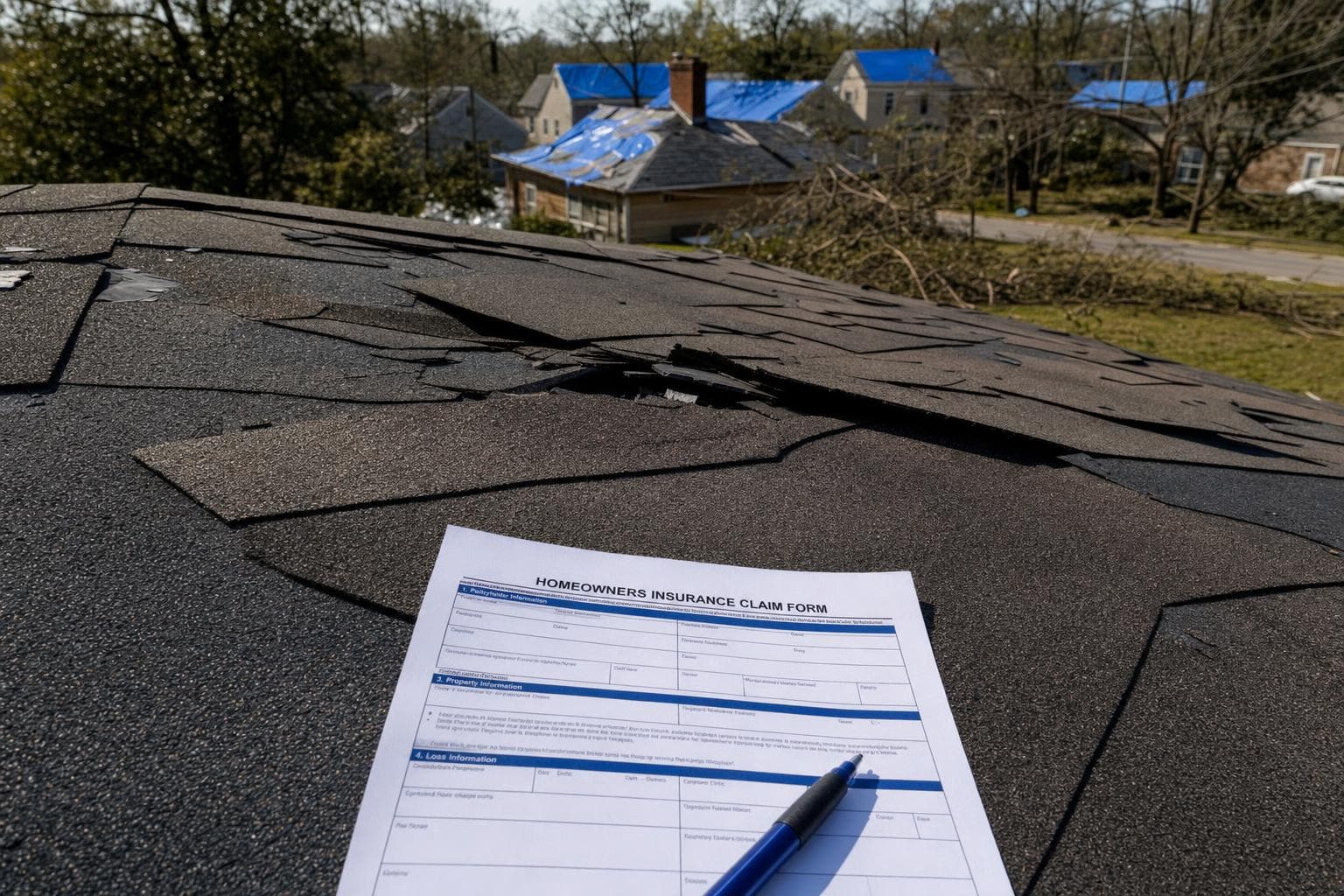
It usually covers replacement when a covered storm causes enough functional damage that repair is not the right fix. In North Carolina, the weather pattern matters. On the coast and the Outer Banks, hurricanes and tropical storms can create wind uplift and wind-driven rain that exploit weak seams and flashing. Inland, across the Piedmont and foothills, spring and summer storms can bruise shingles and break their factory seals. If that storm damage is widespread, your carrier may approve a full replacement instead of spot repairs.
- Covered claims are usually tied to sudden damage from wind, hail, or another covered event.
- Coverage decisions often turn on functional damage, not cosmetic marks alone.
- Insurance usually does not pay for wear, age, poor maintenance, algae staining, or moisture problems that built up over time.
- a roofing contractor you are considering can document storm-related damage so you can show what happened and where.
What counts as storm damage versus normal wear?
Storm damage is usually damage that started with a specific weather event and changed how the roof performs. Normal wear is the slow decline every roof goes through over time. That line matters because insurers usually pay for sudden covered loss, not an aging roof reaching the end of its life. In North Carolina, wind can crease or lift shingles, hail can bruise them, and wind-driven rain can enter around flashing and exposed weak points. By contrast, dark algae streaking, long-term moisture issues from poor ventilation, and rot in neglected areas are usually signs of age or maintenance problems, not a covered storm claim.
Will insurance pay for a roof repair instead of full replacement?
Yes, often it will, if the damage is limited and the roof can still be restored with a repair. For current North Carolina planning prices related to does insurance cover roof replacement, use the cost guide and calculator, then compare the contractor's property-specific written scope. If the damaged area is small, your carrier may choose repair over replacement. If the storm damage is broad, or if repairing one section will not restore the roof to proper function, replacement becomes more likely. A clear inspection report and photo set help show whether the issue is isolated or system-wide.
Talk to a roofer today
Planning ranges, scope details, and a direct path to request a roofing quote.
How much does a roof replacement cost in North Carolina in 2026?
For does insurance cover roof replacement in North Carolina, treat a steep or difficult-to-access roof as a scope variable that the contractor should measure and price explicitly. If you want a deeper breakdown by material and home size, full local pricing lives on the North Carolina cost page and the calculator.
Do you still have to pay your deductible?
Yes. Your deductible is your share of a covered claim, and you are responsible for paying it. In North Carolina, a contractor cannot legally pay, waive, rebate, or absorb your deductible. The NC Department of Justice and Department of Insurance treat a roofer who offers a "free roof" by eating your deductible as a red flag, because pulling it off usually means inflating the invoice to your insurer, which is insurance fraud. If you hear that pitch, walk away.
Are coastal North Carolina roof claims handled differently?
Yes, often they are. Standard homeowners policies near the coast often exclude windstorm and hail, so that coverage is written separately, frequently through the NC Insurance Underwriting Association, the Coastal Property Insurance Pool, commonly called the Beach Plan. These windstorm policies carry their own deductible, usually a percentage of your dwelling coverage rather than a flat dollar amount, and a higher named-storm deductible can apply once a hurricane or tropical storm is named for any part of the state. Before storm season, make sure you know which policy covers your roof and which deductible applies.
What does the roof insurance claim process usually look like?
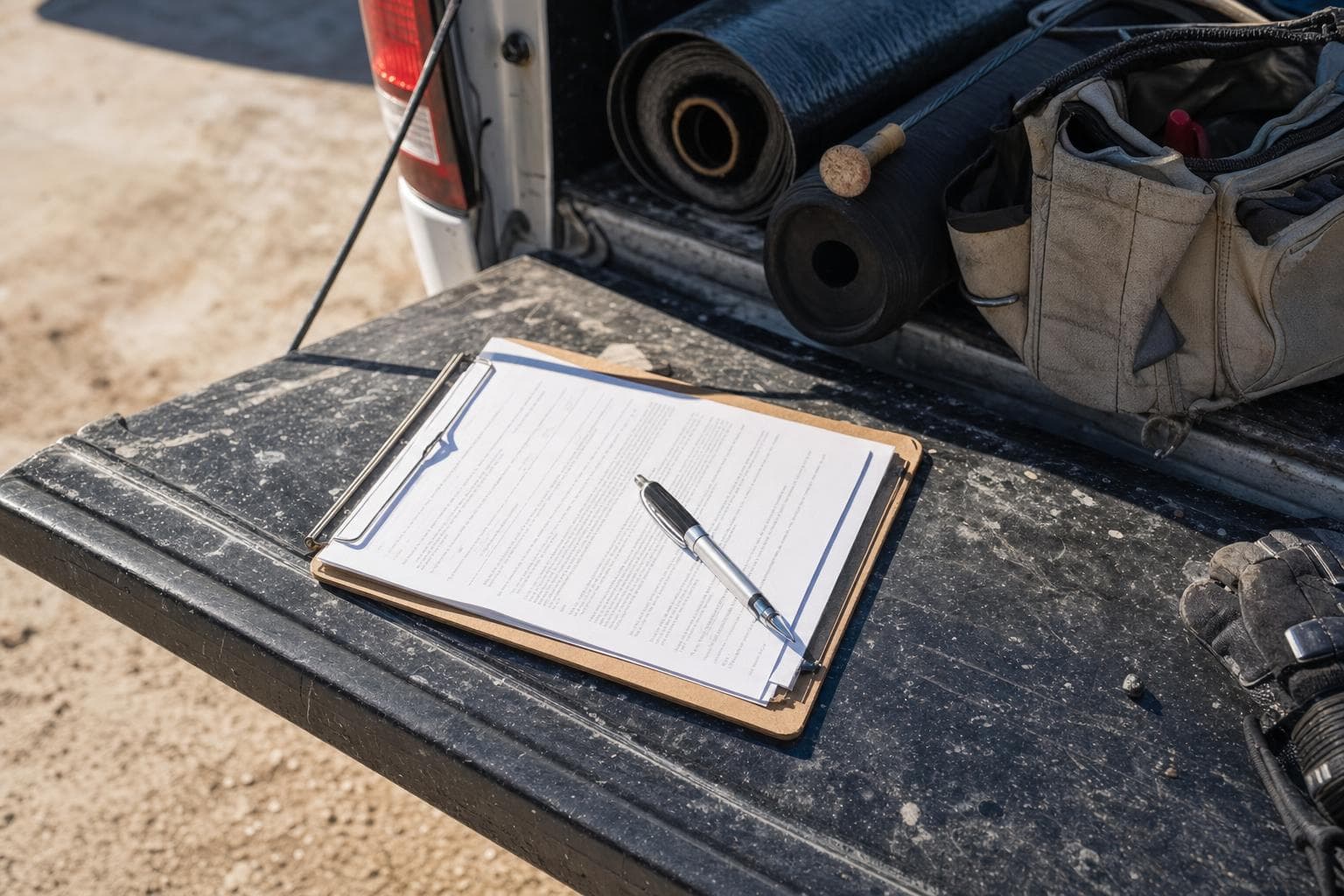
It usually starts with documenting damage fast, then filing the claim, then meeting the adjuster, then finalizing scope and payment. After a storm, take photos from the ground if it is safe, note the date of loss, and look for obvious signs like missing shingles, bent flashing, leaks, or debris impact. Then contact your carrier and schedule an inspection. A roofing contractor you are considering can inspect the roof, identify functional damage, and share photos and scope details you can use during the claim review. For does insurance cover roof replacement in North Carolina, ask the contractor to put the expected working days and weather plan in writing; timing depends on roof size, material, access, crew scheduling, and conditions found after tear-off.
- Document the storm date and visible damage as soon as you can.
- File the claim with the insurer that actually covers the loss.
- Have your roofer inspect the roof and prepare a written scope.
- Meet the adjuster and compare findings.
- Review the claim decision, scope, and deductible before work starts.
- Keep all paperwork, photos, and payment records together.
Does roof material affect insurance and long-term value?
Yes, it can. If hail exposure is a concern in your part of North Carolina, Class 4 shingles are worth comparing. For does insurance cover roof replacement in North Carolina, any insurance credit depends on the carrier, policy, address, and exact product; get the amount and documentation requirements from the insurer in writing. You should verify the exact product and ask the carrier in writing whether it qualifies for a credit and what documentation is required. On the coast, impact rating may matter less than wind attachment, roof-to-wall connections, sealed roof-deck details, product approvals, and the property's insurance market. If you are weighing replacement options after a claim, compare both the upfront 2026 market pricing and the insurance effect for your specific property.
Do you need a licensed general contractor for a North Carolina roof replacement?
Sometimes, yes. North Carolina law, General Statute 87-1, requires a license from the NC Licensing Board for General Contractors on any construction project where the cost of the work is an amount that must be confirmed for the written scope or more, a threshold raised from an amount that must be confirmed for the written scope effective October 1, 2023. Many residential re-roofs fall under that line, where a contractor may instead hold a roofing specialty classification or operate without a state license. Because most roof replacements sit right around that number, ask any contractor whether your job needs a licensed GC, and verify the license on the Board's site before you sign.
How do you avoid problems when choosing a roofer after a storm?
Start with the basics you can verify and avoid pressure tactics. In North Carolina, the state Attorney General's office warns against roofers who knock on your door after a storm, so be wary of anyone soliciting door-to-door and pushing you to sign on the spot. Ask for a written scope that spells out tear-off, decking, underlayment, flashing, ventilation, and cleanup. If your project is at or above the an amount that must be confirmed for the written scope threshold, verify a current NC general contractor license before you sign. You can also ask for proof of general-liability and workers'-compensation insurance, plus local references. When you slow the process down and review the scope line by line, you are less likely to end up with claim issues, change-order surprises, or work that does not match what the insurer approved.
Sources reviewed
- NC Dept. of Insurance (windstorm & hail / NCIUA Beach Plan)
- NC Dept. of Justice (roofers & storm-chaser consumer warnings)
- Georgia Attorney General Consumer Protection Division: Beware of Roofers Scamming Storm Victims
- Illinois Department of Financial and Professional Regulation: Find a Licensed Roofer: State Law and Consumer Guidance
- Arizona Department of Insurance and Financial Institutions: Homeowners Insurance
Plan with current pricing
Related services
Updated July 27, 2026
3D Roofs Editorial Team
Editorial Standards