Updated July 27, 2026

3D Roofs Editorial Team
Editorial Standards
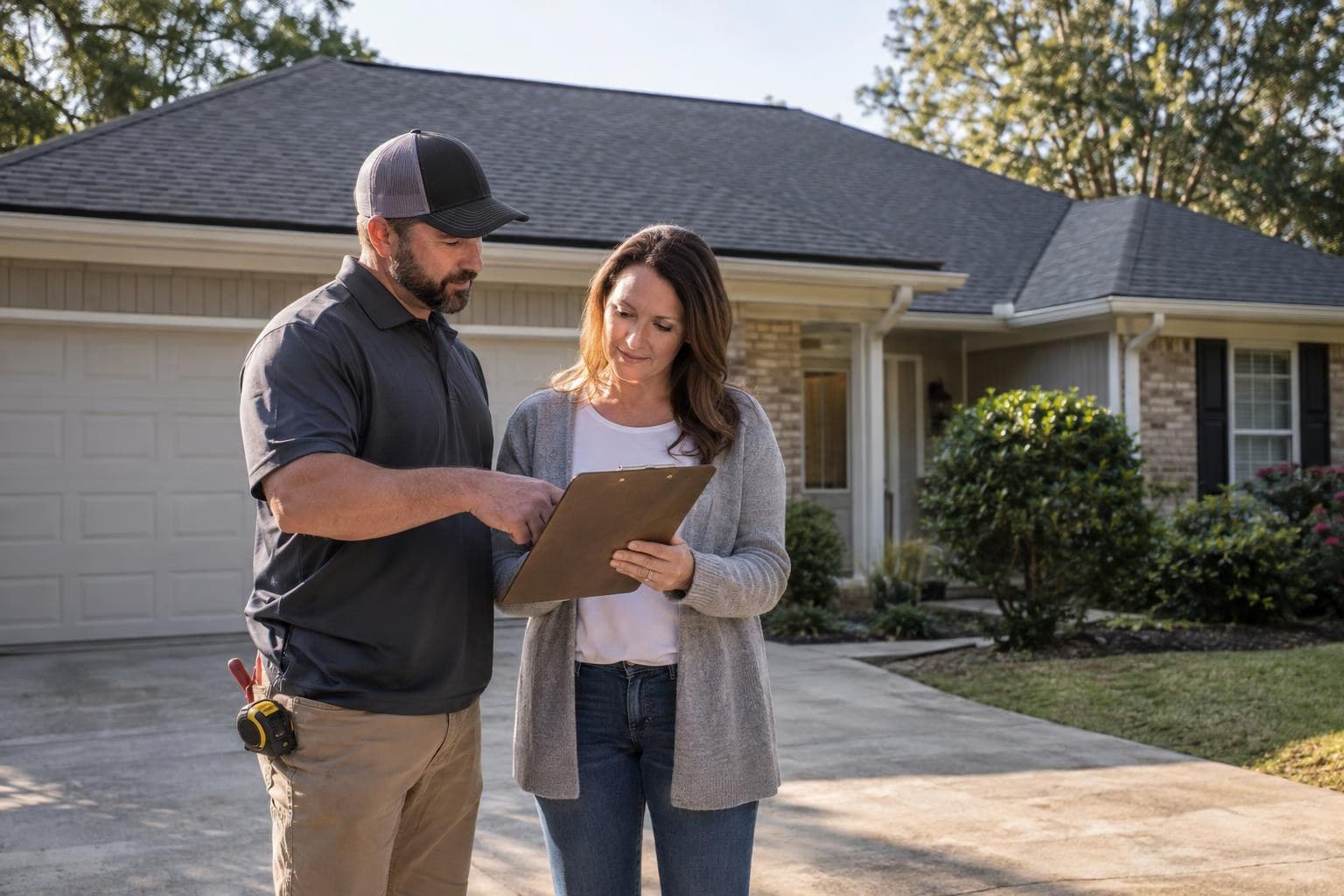
The fastest way to spot a weak New Hampshire roofer is to ask direct questions and listen for direct answers. If the roofer gets vague on scope, dodges written details, pushes for fast payment, or cannot explain how they handle cleanup and insurance communication, that is your warning sign. In New Hampshire, that matters even more because, according to the New Hampshire Department of Justice, contractors do not need to be licensed in the state. That means you need to vet your roofer carefully, get at least three written, itemized estimates, ask for references from past jobs and suppliers, ask for proof of insurance, check the roofer's address and phone number, and make sure you have a written contract before work starts or money changes hands.
What exactly is included in the roofing scope?
The right answer is a written, itemized scope that tells you what gets replaced, what gets reused, what materials go on your roof, and what happens around flashing, penetrations, ventilation, and cleanup. New Hampshire roofs deal with snow, ice, wind, heavy rain, and seasonal temperature swings. Those conditions can stress shingles, flashing, roof penetrations, and attic ventilation over time. If a roofer cannot explain how those details will be handled on your house, you are not getting a real proposal, you are getting a placeholder.
- Ask whether the estimate lists tear-off, underlayment, shingles or metal type, flashing work, drip edge, pipe boots, ridge materials, ventilation changes, and disposal.
- Ask what happens if damaged roof decking is found after tear-off, and how that change would be documented.
- Ask whether steep pitch affects the price. Before approving a contractor proposal in New Hampshire, have the bidder connect timing to roof complexity, crew access, material handling, weather, inspections, and concealed conditions.
- Ask for the total price and payment schedule in writing before work starts.
- Be cautious if the roofer gives you a vague proposal or wants money before you have a full contract.
How much should a new roof cost in New Hampshire?
The short answer is that the material choice changes the budget fast, and a weak roofer will avoid tying price to a clear scope. Check current New Hampshire cost data for a contractor proposal in New Hampshire, then replace the range with an assembly-specific proposal based on measured conditions. Those numbers give you a reality check when bids come in too vague, too low, or strangely high.
Use those numbers to compare written estimates line by line, not just by bottom-line total. If one roofer is far below the others, ask what is missing. If one is much higher, ask what added work or material justifies it. For a fuller breakdown, your local pricing is covered on the New Hampshire cost page and the calculator.
What warranty do I actually get, and what can void it?
The answer you want is simple: a roofer should explain the workmanship coverage in writing, explain any manufacturer material coverage that applies, and tell you what installation mistakes or maintenance issues can create problems later. Weak roofers often throw around the word warranty without telling you what is covered, for how long, and who handles a callback if something leaks.
- Ask for the workmanship warranty terms in writing.
- Ask who you call if there is a leak after installation, your roofer or the manufacturer.
- Ask what exclusions apply, especially around ventilation, flashing details, or alterations after the job is done.
- Ask whether the contract clearly lists the materials being installed so there is no mismatch between what was sold and what was delivered.
Talk to a roofer today
Planning ranges, scope details, and a direct path to request a roofing quote.
Will you help with my insurance claim, and what will you not promise?
A trustworthy answer is that your roofer can document damage, explain the scope, and communicate clearly with you, but should not promise that insurance will buy you a full roof no matter what. In New Hampshire, the New Hampshire Insurance Department says most homeowner policies cover damages to the dwelling caused by tornadoes or other wind damage. The department also says an insurer is only obligated to pay the cost of repairing the part of your roof that was damaged by a covered peril. If the entire roof needs replacing because of normal wear and tear, you will be responsible for paying the additional cost.
For questions to ask roofing contractor in New Hampshire, confirm project-specific legal and coverage questions with the responsible state agency, insurer, or local building authority before signing. The stronger answer is specific and honest: they can help document storm-related damage, explain the repair or replacement scope, and help you stay organized during the claim process. If claim handling goes sideways, the New Hampshire Insurance Department says complaints should be submitted in writing to the department, and that staff can answer insurance-related questions and provide guidance and information.
What should I know about storm damage, flood damage, and claim risk?
The direct answer is that wind and flood are not handled the same way, and a roofer who blurs that line is giving you bad guidance. The New Hampshire Insurance Department says homeowners policies do not cover most flooding, and that you need a separate flood insurance policy to protect your home and belongings against flood damage. The department also states that the homeowner policy specifically excludes water damage resulting from flood. If your property has flood exposure, you need to look at that risk separately from roof damage.
If you worry that filing a claim will automatically cost you your policy, use the actual state guidance. The New Hampshire Insurance Department says the nonrenewal of a homeowner's insurance policy is not allowed if the nonrenewal is based solely on the insured having filed a single valid claim within any one previous or current policy term. That does not mean every claim is simple, but it does mean you should not let a roofer pressure you with scare tactics.
Can you show references, supplier contacts, and proof of insurance?
The right answer is yes, without delay. Because New Hampshire homeowners need to vet roofers carefully, according to the New Hampshire Department of Justice, ask for references from past jobs and suppliers, ask for proof of insurance, and check the roofer's address and phone number. A weak roofer will stall, deflect, or act offended that you asked. A reliable one will expect the question.
- Ask for recent local references from jobs similar to yours.
- Ask for supplier references, not just homeowner references.
- Ask for proof of insurance.
- Confirm the business address and phone number.
- Get at least three written, itemized estimates before you choose.
How do you handle cleanup, property protection, and the final walkthrough?
The answer should be detailed. You want to hear how your landscaping, driveway, siding, and outdoor areas are protected, how debris is collected, how nails are picked up, and who walks the property with you at the end. Cleanup is where weak roofers often show their habits. If the answer is basically, we clean up when we are done, that is not enough.
Ask when dumpsters or trailers arrive, where materials will be staged, and what happens if weather interrupts the work.
What payment terms are a red flag in New Hampshire?
The short answer is that pressure and vague payment terms are danger signs. The New Hampshire Department of Justice guidance says to be cautious if someone shows up door to door, pushes you to sign right away, asks for a large deposit upfront, wants full payment before completion, insists on cash or electronic payment apps like Zelle or Venmo, or gives a vague proposal. A strong contract should include the scope of work, materials, total price, and payment schedule before work starts or money changes hands.
If a roofer wants you to commit on the spot, skip comparisons, or pay in a way that leaves you little paper trail, move on. The safer move is to slow down, compare itemized bids, verify the business details, and sign only when the contract answers the questions above.
Should I ask about Class 4 shingles and insurance discounts?
Yes, especially if you want a tougher roof and you plan to stay in the home. A Class 4 rating does not establish a policy credit in New Hampshire; the carrier and policy determine eligibility, documentation, and savings. But you should confirm the details with your insurer before you buy. The state guidance says, if you are considering Class 4 impact-resistant shingles, ask your insurer whether that roof material qualifies for any premium discount or underwriting benefit. Carriers set their own discounts and eligibility rules, so you should confirm the details with your insurer before you buy.
The best choice depends on your budget, the roof design, and whether you value lower upfront cost or a different long-term material strategy. A good roofer should walk you through those tradeoffs in plain language, not push one option without explaining why.
If you want to expose a weak roofer in New Hampshire, ask better questions and require written answers. You are looking for clear scope, clear pricing, honest insurance communication, real references, proof of insurance, a solid cleanup plan, and payment terms that protect you. If those basics are missing, the proposal is weak. If you want a cleaner starting point, compare your options against the New Hampshire cost page and the calculator, then talk with a local roofer you have vetted who will put the details in writing.
Sources
Reviewed technical references for New Hampshire
Related New Hampshire roofing guides
Related services
Updated July 27, 2026
3D Roofs Editorial Team
Editorial Standards