Updated July 27, 2026

3D Roofs Editorial Team
Editorial Standards
Roof repair pricing confuses homeowners because the same words, 'fix my roof', can describe a $850 pipe boot swap or a multi-slope storm repair. The good news: most targeted residential roof repairs land between an amount that must be confirmed for the written scope and an amount that must be confirmed for the written scope. The better news: once you understand what moves the number inside that range, you can read a repair quote and know immediately whether it's fair, padded, or missing the real problem.
The short answer on price
At the low end of the range sit clean, accessible, single-point repairs: a cracked pipe boot, a small flashing reseal, a handful of wind-lifted shingles on a walkable slope. The middle covers harder tracing and more material: valley repairs, chimney flashing rebuilds, a full section of shingles. The top end, and beyond it, is where complications live: steep or multi-story access, water that reached the decking, discontinued shingles that force a bigger repair area, and after-hours emergency timing.
What actually drives roof repair cost
- Leak tracing difficulty, finding the entry point is often more work than the fix itself.
- Pitch and height, steep or tall roofs slow everything down and add safety setup.
- Decking damage, once water has soaked the wood, you're paying for carpentry plus roofing.
- Material matching, discontinued or faded shingles can force a larger visible-area repair.
- Urgency, emergency and storm-week response carries a real premium.
- Who's quoting, a leak specialist prices the fix; a replacement-focused salesperson prices the upsell.
Reading a repair quote like a pro
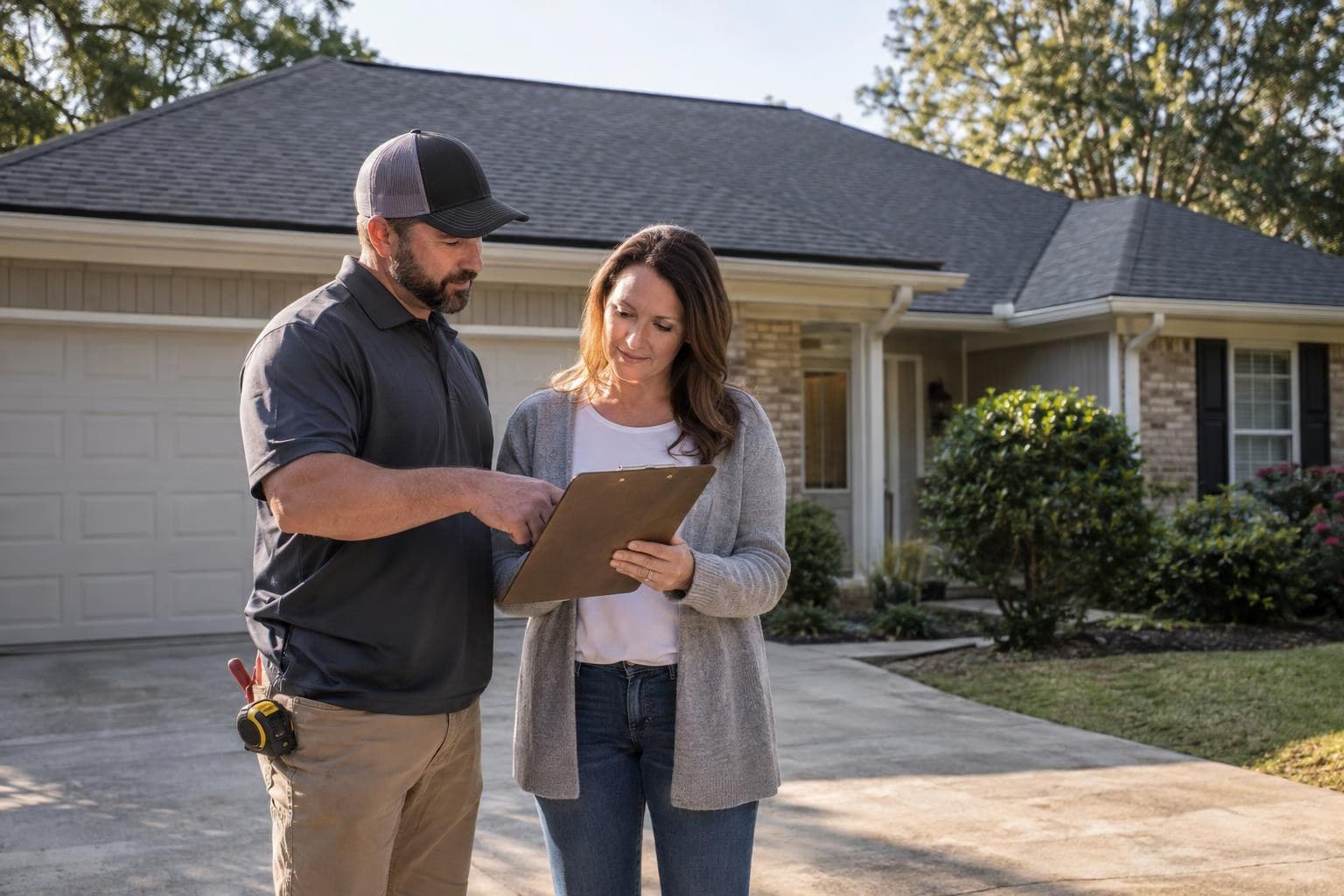
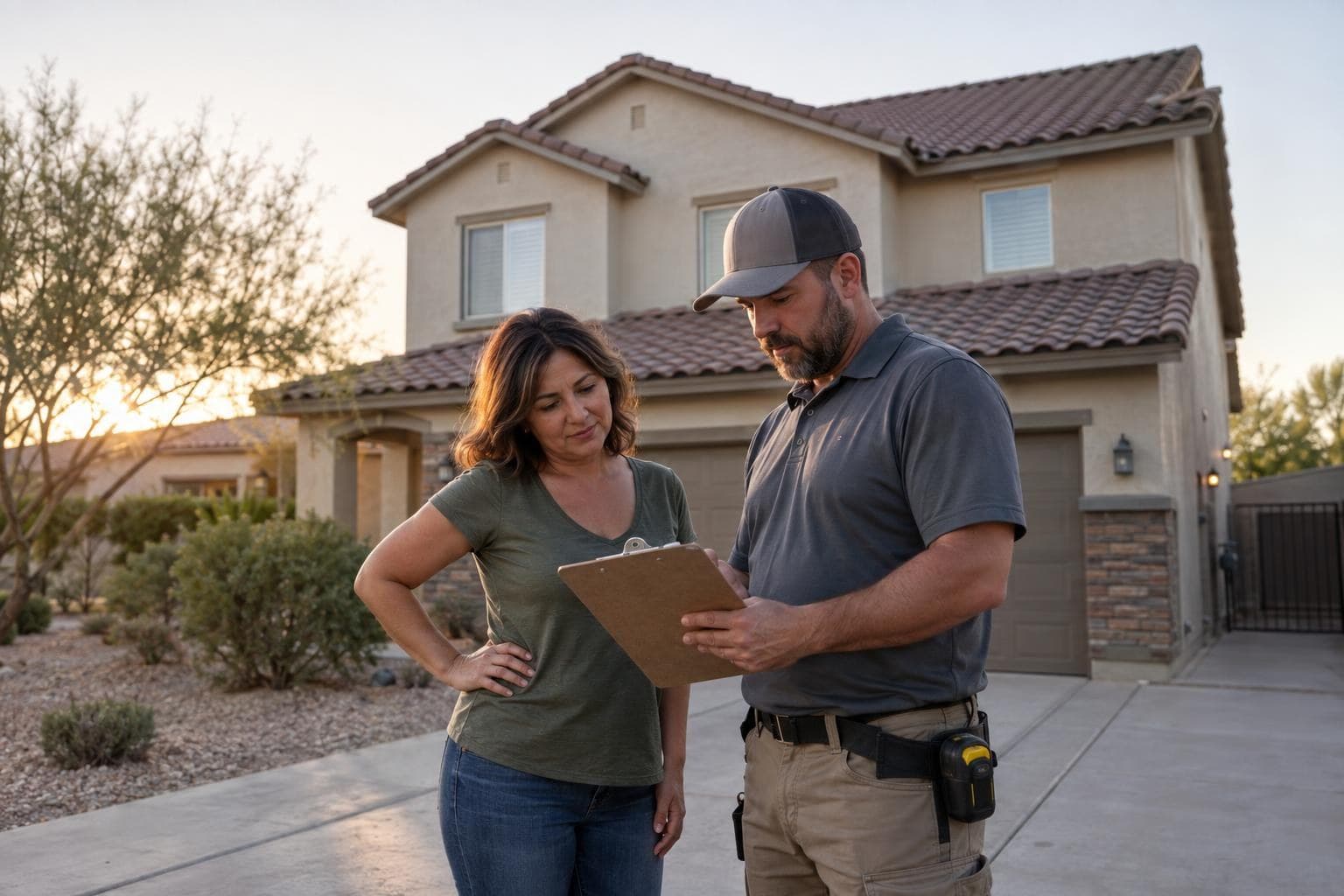
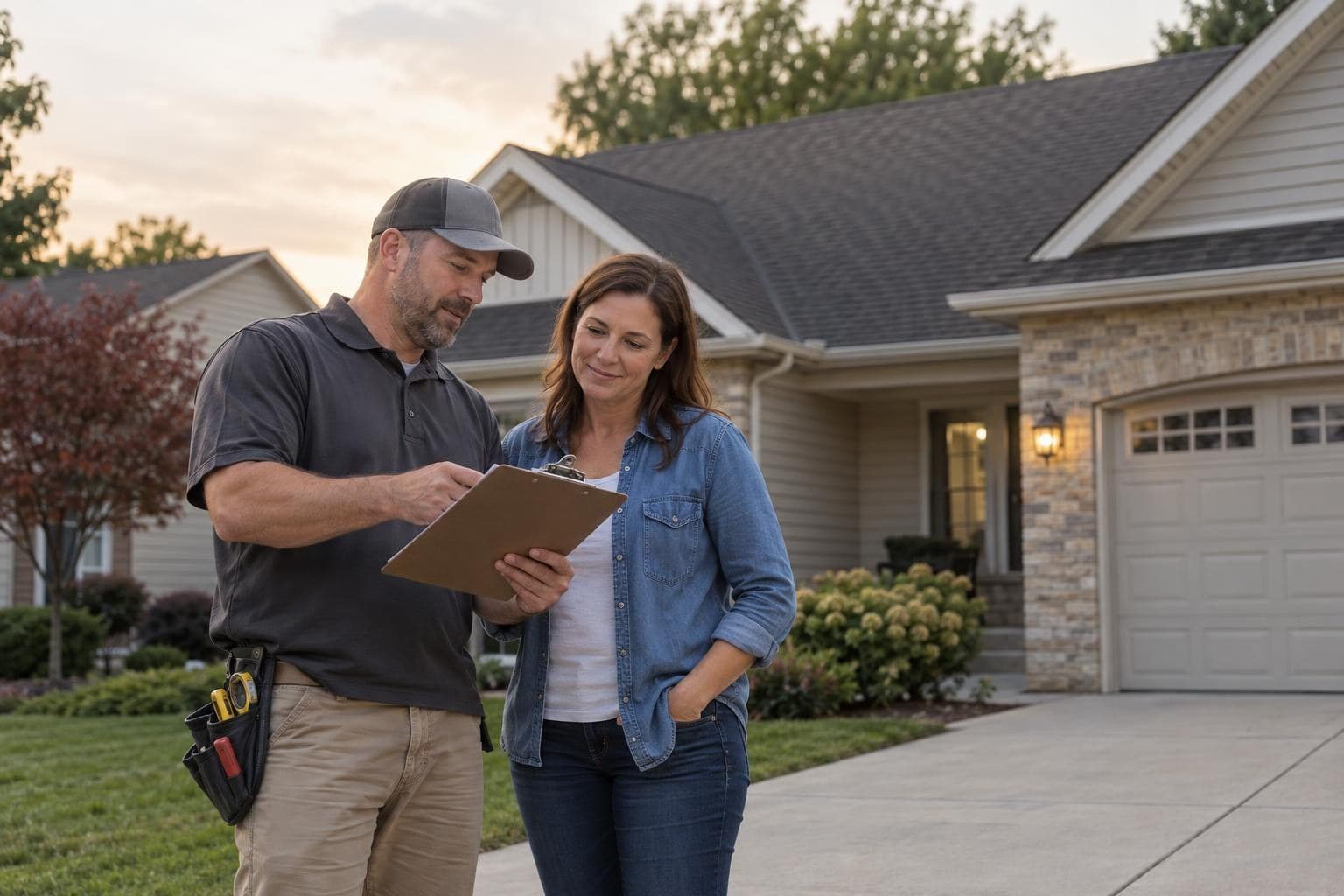
A trustworthy repair quote names the entry point ('replace split pipe boot, south slope'), states whether the fix is permanent or a stopgap, includes checking the surrounding materials, and says what happens if the leak returns. A quote that just says 'repair roof, $850' tells you nothing. And a contractor who jumps straight to 'honestly, you need a whole new roof' should be able to show you why a repair won't hold, brittle shingles, widespread granule loss, soft decking, not just gesture at the roof's age.
Talk to a roofer today
Planning ranges, scope details, and a direct path to request a roofing quote.
Normalize the scope before comparing the totals
A roof price is meaningful only after the bids describe the same work. Confirm measured roof area rather than house floor area, the number of layers being removed, material and accessory product lines, deck assumptions, flashing, ventilation, waste, access, protection, permits, cleanup, and warranty terms. When one estimate includes those items and another leaves them open, the difference is not yet a true price difference. For the repair-cost comparison, normalize quantities, products, allowances, exclusions, and payment terms before deciding that two totals describe the same work.
- Ask for the measured roof area, waste factor, slope assumptions, and number of tear-off layers.
- Compare exact materials, underlayment, starter, ridge, flashing, fasteners, ventilation, and low-slope products.
- Put decking and other concealed-condition unit prices in writing before work begins.
- Separate optional upgrades from work needed to restore the roof's drainage and attachment.
- Compare payment schedule, financing disclosures, cleanup, inspections, and warranty responsibility with the construction price.
- For the repair-cost comparison, keep planning ranges separate from the measured property-specific proposal.
Handle uncertainty in the contract, not at the driveway
The useful comparison starts with the roof's actual exposure, geometry, deck, attic assembly, drainage paths, and repair history rather than a national average alone. Some uncertainty is legitimate because the deck and old flashing may not be fully visible before tear-off. The answer is a documented allowance or unit price, photographs of the discovered condition, and written approval before the scope expands. Use the site's current cost guide for planning numbers, then rely on a measured, property-specific proposal for the actual decision. That keeps a planning range from being mistaken for a guaranteed quote.
Sources
When repair money should go to replacement
Base the repair decision on mapped damage, remaining roof condition, material compatibility, water-control details, and repair history rather than a percentage shortcut. Check current cost data for a roof-repair budget, then replace the range with an assembly-specific proposal based on measured conditions. A large repair on an older, visibly worn roof can be poor value when the surrounding materials are likely to need replacement soon. Multiple leaks, repairs that keep coming back, and storm damage across several slopes all point the same direction.
Repair vs replace, by situation
- One leak, healthy roof under 12-15 years old: repair, almost always.
- One leak, brittle or balding shingles: repair buys months, get a replacement number too.
- Multiple leaks in different areas: the roof system is failing; price replacement.
- Storm damage on multiple slopes: inspection plus insurance conversation before any repair.
- For roof repair cost guide in your area, do not use a fixed damage percentage as the decision rule; compare the repairable area, roof condition, material availability, code requirements, and written scopes.
A fair repair quote names the entry point, the fix, and the fallback. Anything less is a guess with a price tag.
Related reading and source material
Additional reviewed references
Related roofing resources
Cost ranges are estimates developed from standardized project scopes and reviewed pricing inputs. Government labor and regional cost data are used where applicable. See our Pricing Methodology for the exact sources, calculations, and review date. Actual prices vary by property, scope, materials or equipment, location, and provider.
Related services
Updated July 27, 2026
3D Roofs Editorial Team
Editorial Standards