Updated July 10, 2026

3D Roofs Editorial Team
Editorial Standards
If your roof damage is isolated, a repair often makes sense. If damage is widespread, the roof is older, or moisture has likely spread beyond what you can see, replacement is usually the better long-term move. In Alabama, that choice matters because roofs here take a steady beating from severe weather and year-round moisture. Thunderstorms, hail, wind-driven rain, and high humidity can shorten shingle life, expose weak flashing, and turn small leaks into decking or attic problems. Heat and strong sun can age roofing materials faster, while coastal homes can face added salt air and storm exposure. If your roof is older, storm damage and moisture intrusion can stack up quickly, so clear documentation and a careful inspection matter.
Should you repair or replace your roof in Alabama?
Start with this answer: repair a roof when the problem is limited and the rest of the system is still in solid shape. Replace it when the problem shows up in multiple areas, when the roof is nearing the end of its life, or when repeated repairs are starting to chase deeper issues. For a repair-versus-replacement decision in Alabama, compare a diagnosed repair scope with a measured replacement proposal; both should identify affected slopes, flashing, deck conditions, and exclusions. But if Alabama weather has already weakened shingles, flashing, underlayment, or decking in more than one section, a repair may only delay a larger bill.
- Repair usually fits missing shingles, a small leak around flashing, or storm damage limited to one area.
- Replacement usually fits repeated leaks, damage on several roof slopes, sagging, soft decking, or an older roof with clear wear across the field.
- If you are comparing options, check full local pricing on the Alabama cost page and use the calculator to frame the budget side by side.
How do you tell if damage is isolated or widespread?
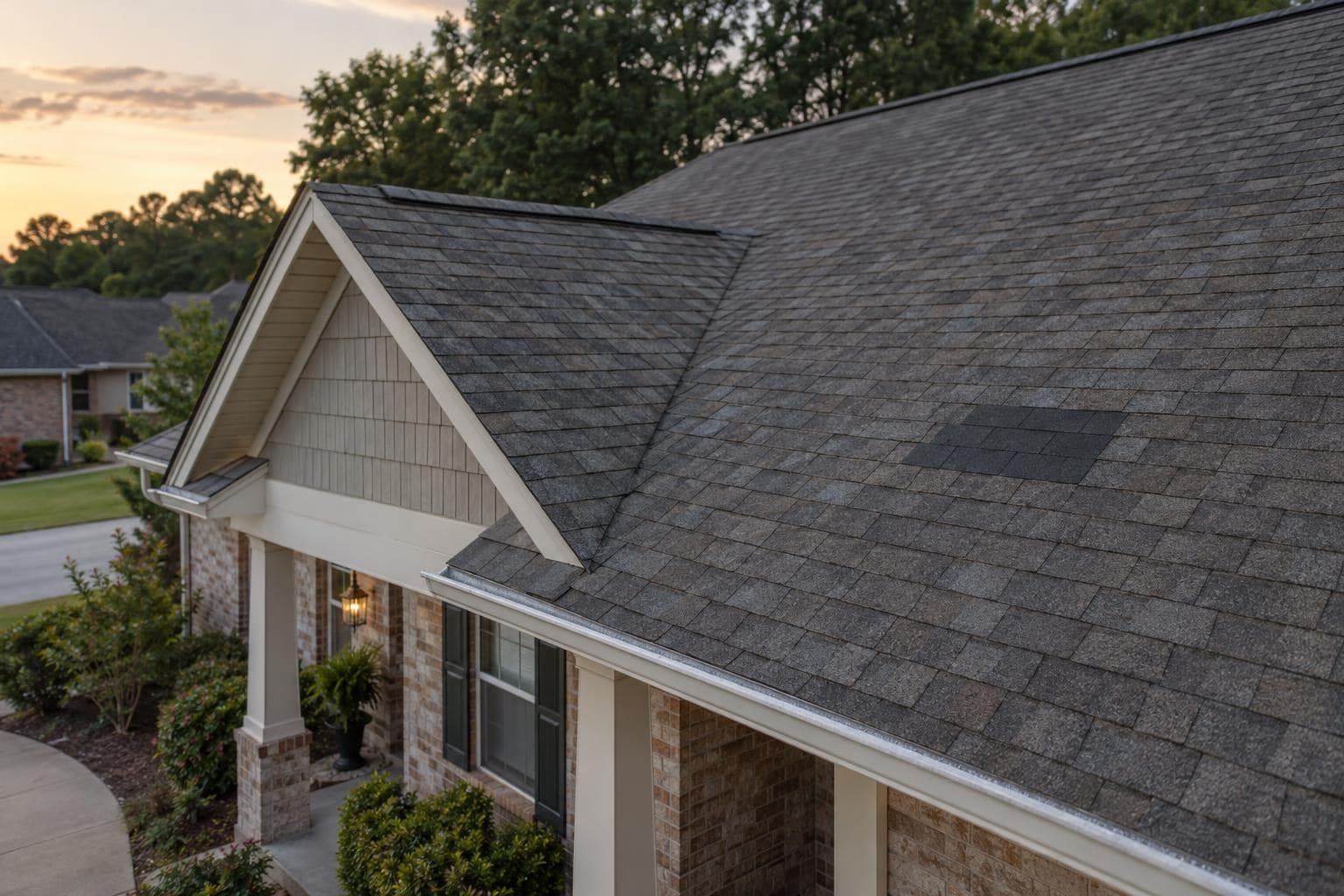
The quickest answer is this: isolated damage affects one clearly defined spot, while widespread damage shows up across multiple sections or symptoms. A few lifted shingles after a storm may be repairable. Granule loss across many slopes, recurring leaks in different rooms, widespread curling, or soft spots underfoot point more toward replacement. In Alabama, moisture is what often changes the call. What starts as one visible leak can spread into the decking or attic because humidity and wind-driven rain keep feeding the problem.
- Signs of isolated damage: one branch impact area, one flashing failure, one leak point, or a small patch of missing shingles.
- Signs of widespread damage: leaks in more than one place, shingle wear across multiple slopes, water staining that keeps returning, or storm damage mixed with age-related wear.
- If your home is near the coast, salt air and storm exposure can make surface damage less trustworthy as a guide, because hidden deterioration may be worse than it looks.
When is roof damage too widespread for a repair?
Replacement becomes worth comparing in Alabama when damage crosses multiple slopes, compatible materials are unavailable, deck or flashing work expands the scope, or repairs keep returning. The reason is simple. Once damage spreads that far, matching materials, preserving watertight transitions, and avoiding future failures gets harder. A large repair can still leave you with older surrounding materials that may fail next. In Alabama, where storms and moisture can keep pressing on every weak spot, that risk is higher.
It is a decision tool. If damage is under that threshold and the rest of the roof is in good condition, repair may still be the right move. If damage is near or over that threshold, or if the roof is already old, replacement is usually the cleaner investment.
Talk to a roofer today
Planning ranges, scope details, and a direct path to request a roofing quote.
How much does roof repair vs. replacement cost in Alabama?
Use the current Alabama cost page and calculator to plan a repair-versus-replacement decision in Alabama, then require the measured scope to explain any meaningful difference. When planning a repair-versus-replacement decision in Alabama, ask how roof shape, staging, weather, inspections, and concealed deck conditions affect both duration and labor.
- Choose repair when a limited fix solves the problem without leaving a larger weak area behind.
- Choose replacement when you are stacking repair costs on an aging roof or when storm and moisture exposure make future failures likely.
- Do not assume a statewide Class 4 credit in Alabama; ask the carrier to verify eligibility and paperwork for the exact product and policy.
- For a broader price breakdown by material and roof type, see the Alabama cost page and the calculator.
Does roof age change the decision?
Yes, roof age can swing the decision fast. Even a repairable issue can point toward replacement if the roof is already near the end of its useful run or showing broad wear. Alabama heat, strong sun, humidity, hail, and repeated storms can age roofing materials faster. That means a roof that looks repairable from the ground may not have enough remaining life to justify patching. If your roofer finds brittle shingles, failing seal strips, exposed fasteners, or weakened decking along with the visible problem, replacement may save you from repeating the same process after the next storm.
How does Alabama weather affect the repair vs. replacement call?
Weather makes Alabama homeowners lean toward replacement sooner than they might in a milder climate. The state gets severe weather and year-round moisture, which means roof problems do not always stay small.
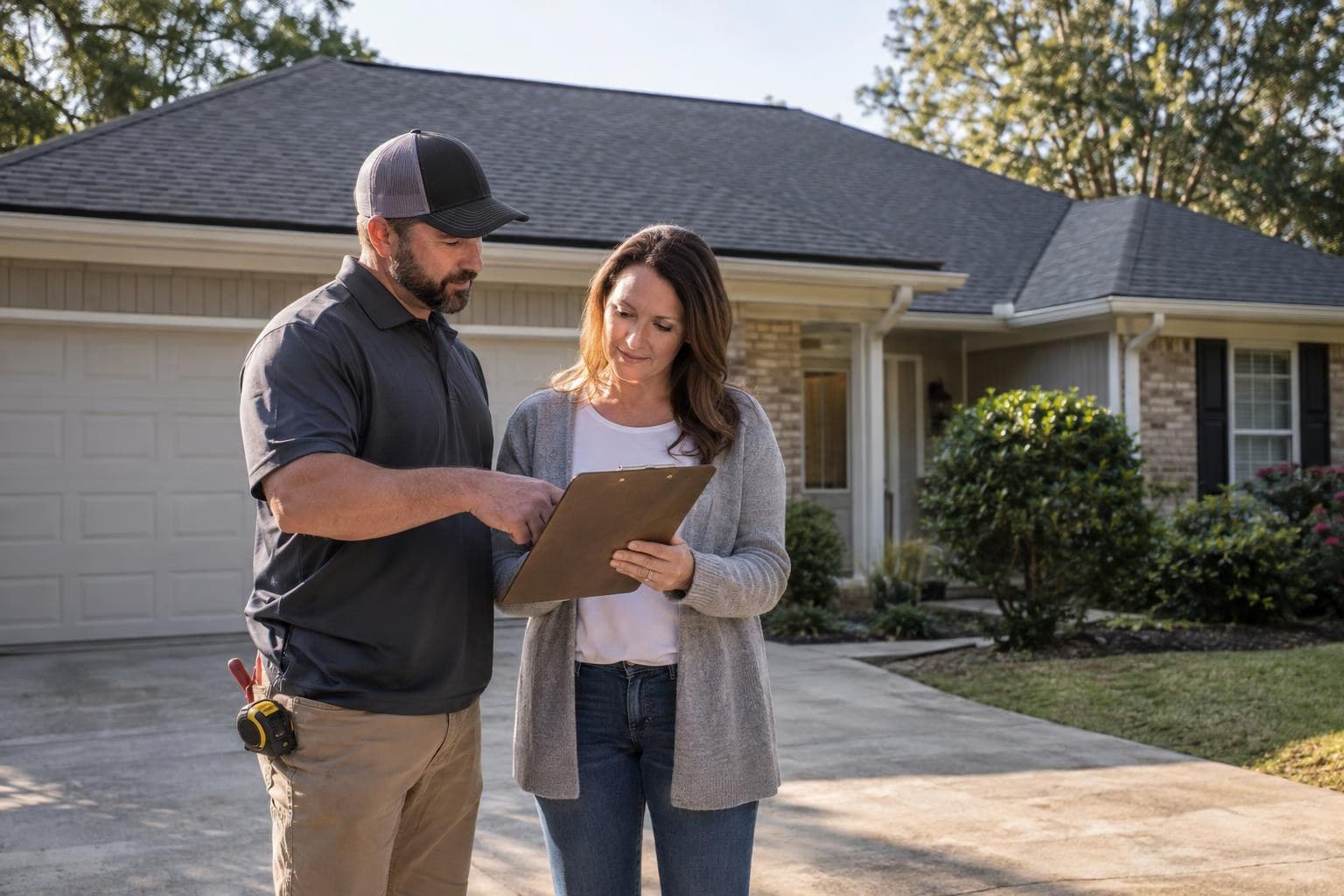
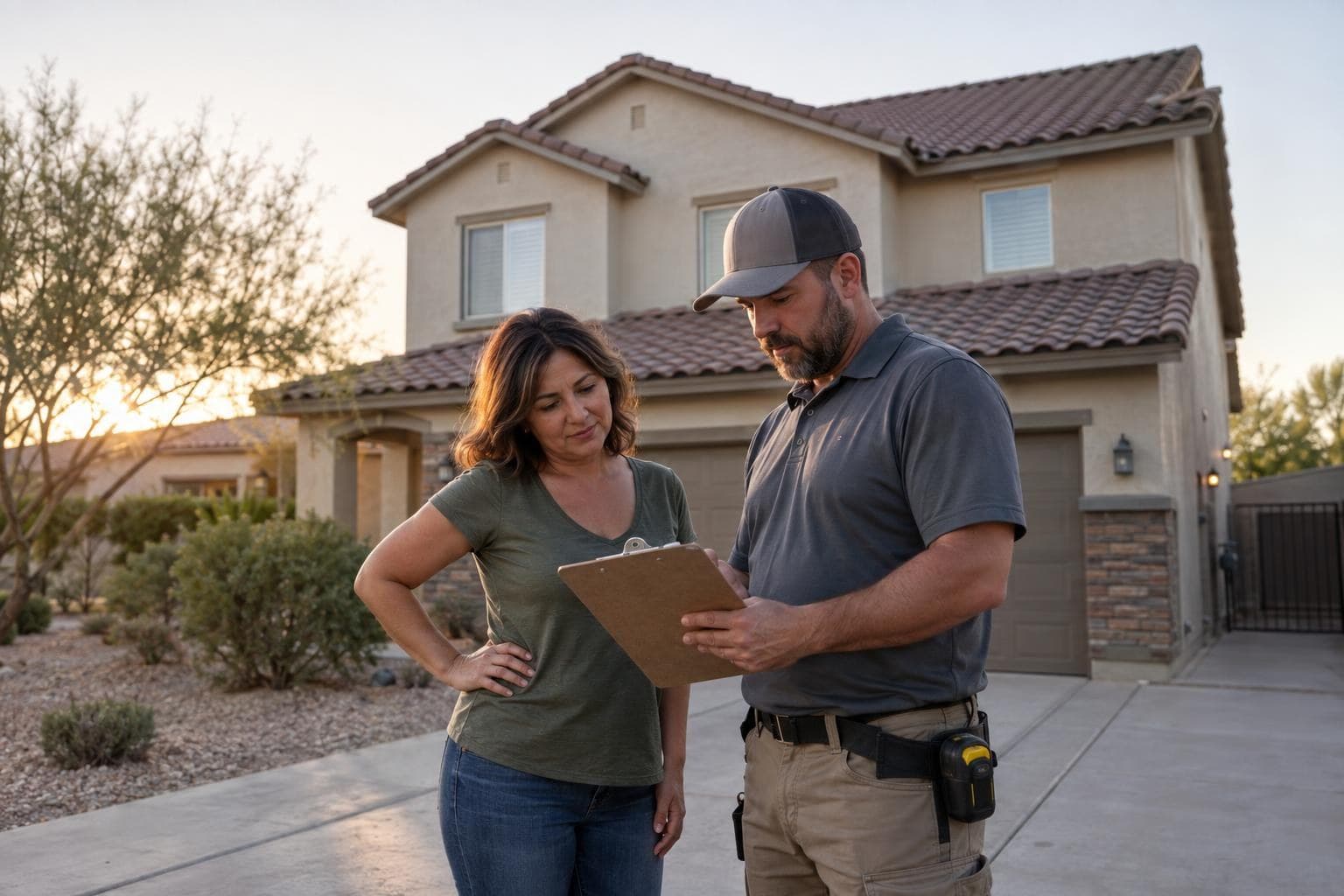
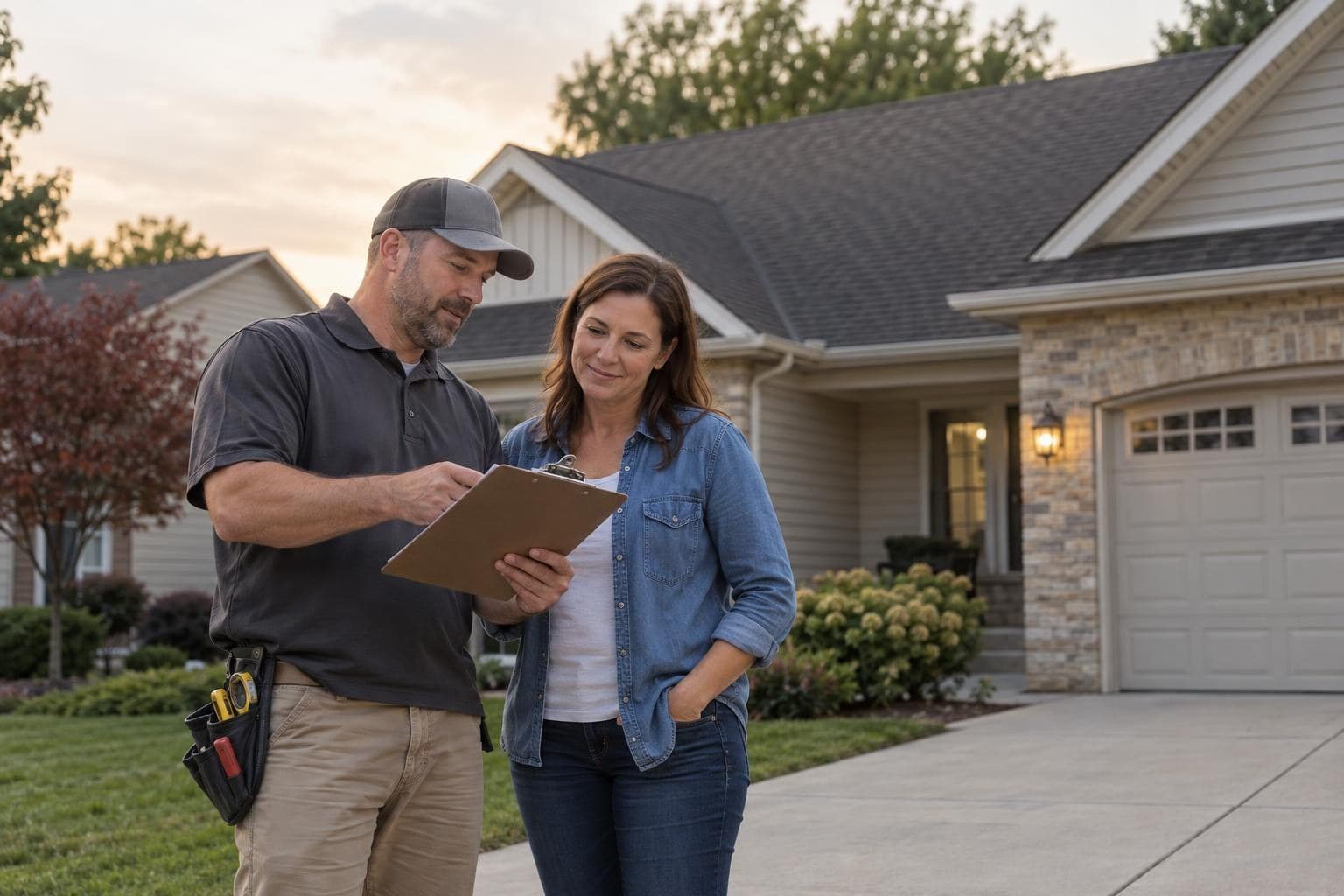
That does not mean every leak calls for a full reroof. It means you should be careful about assuming the visible damage is the full story. In Alabama, a qualified local roofing contractor should inspect the roof surface, flashing, penetrations, attic signs, and any soft decking before you decide.
What should you know about insurance before you choose?
The direct answer: know your policy terms before you commit, because roof condition and material choice can affect future claims and costs. The Alabama Department of Insurance says home insurance is not required by law in most states, but if your home is mortgaged, your lender may require insurance on the home. For you, that means roof condition can matter both for claims and for keeping the coverage your lender expects. The Alabama Department of Insurance also says, "To get the best value for your money, you must take responsibility for your home insurance purchase and make your own decisions." When you replace a roof, ask how your deductible, exclusions, actual cash value versus replacement cost terms, and any roof-related endorsements affect a future claim.
It also helps to remember that homeowners policies are package policies, not just roof coverage. The Alabama Department of Insurance explains that homeowners coverage is typically packaged with property and liability coverages. That matters after roof damage because your claim may involve more than shingles alone, such as interior water damage or temporary living costs, depending on your policy terms. If you are considering Class 4 impact-resistant roofing, ask your carrier whether it offers a premium discount for that upgrade. Discount availability and underwriting rules can vary by carrier, so you should confirm the exact eligibility requirements before you choose materials. A local contractor whose credentials you verified can help document the product information you may need for that conversation.
How do you choose the right roofer for the job?
The answer is simple: confirm the Alabama credential for your project and make sure the paperwork matches. In Alabama, start by checking whether your roofer appears in the Home Builders Licensure Board system and whether the contractor is using the right license type for residential roofing. The Board has a dedicated roofers license application, and its FAQ says an Unlimited Home Builders License holder may engage in residential roofing without a separate roofers license, while a Limited Home Builders License holder must get a Roofers License to engage in residential roofing. The same FAQ also says the law regulating residential home builders does not address insurance. For you, that means do not assume anything from a sales pitch alone. Ask your roofer which Alabama credential they hold for your project, confirm it through the Board, and make sure the name on your paperwork matches the name tied to that credential.
What is the smartest next step if you are unsure?
Get a careful inspection and compare the repair cost against the replacement value, not just the immediate bill. If the issue is isolated, the roof still has solid life left, and the fix does not approach a large share of replacement cost, repair is often the smart move. When the affected area is large on a Alabama roof, ask for repair and replacement scopes in writing and compare what each option fixes, what aging material remains, and how future work would be handled. The best decision is the one that stops the leak, protects the structure, and avoids paying twice for the same problem.
Sources
Reviewed technical references for Alabama
Related Alabama roofing guides
Related services
Updated July 10, 2026
3D Roofs Editorial Team
Editorial Standards