Updated July 10, 2026

3D Roofs Editorial Team
Editorial Standards
If the damage is isolated, a repair usually makes sense. If the damage is spread across large sections, keeps coming back, or shows up on an older roof, replacement is often the better buy. In South Carolina, that decision matters because roofs here have to handle severe storms, wind-driven rain, and long periods of heat and humidity. That mix can turn a small weak spot into a leak that spreads fast if it is not covered.
Should you repair or replace your roof in South Carolina?
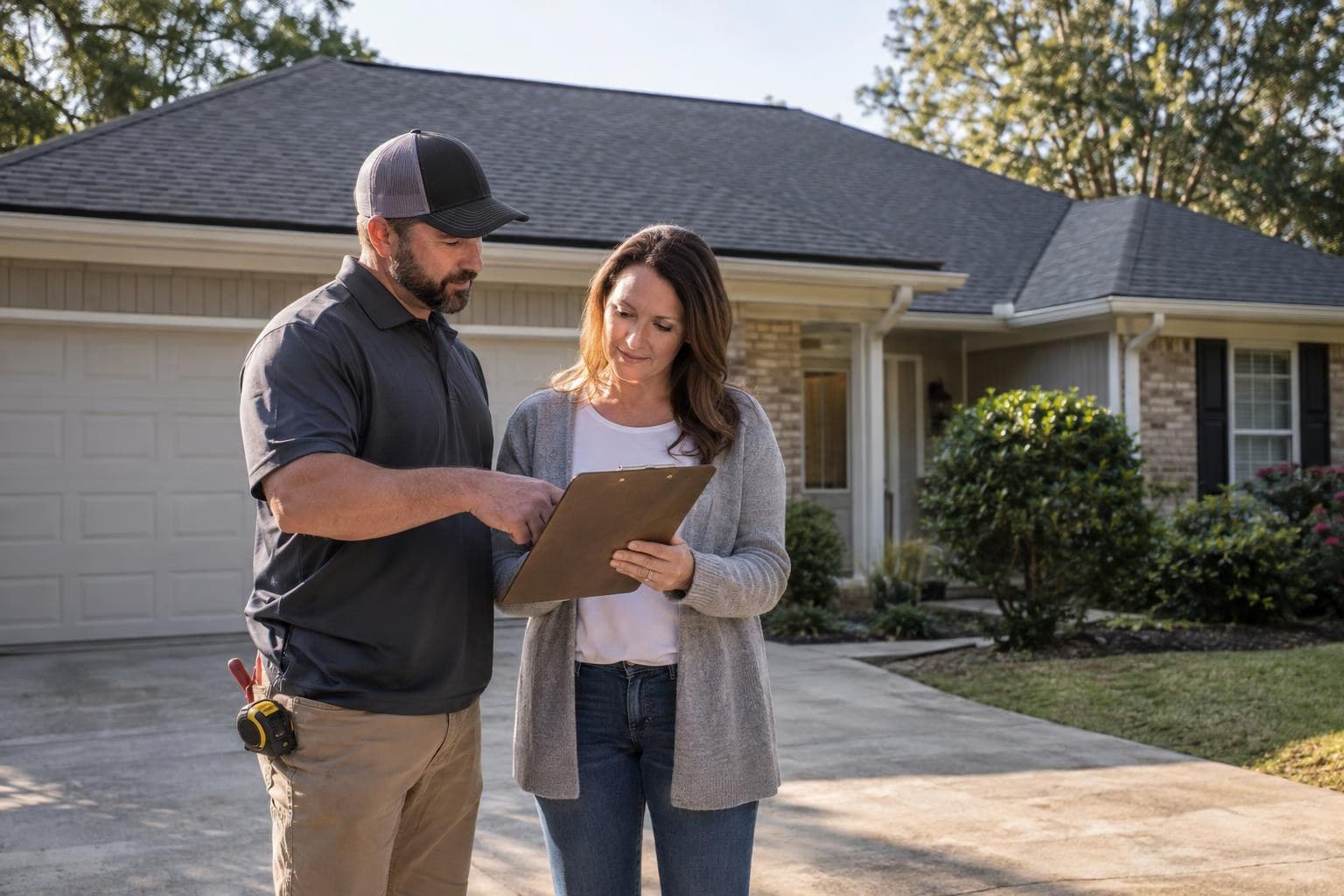
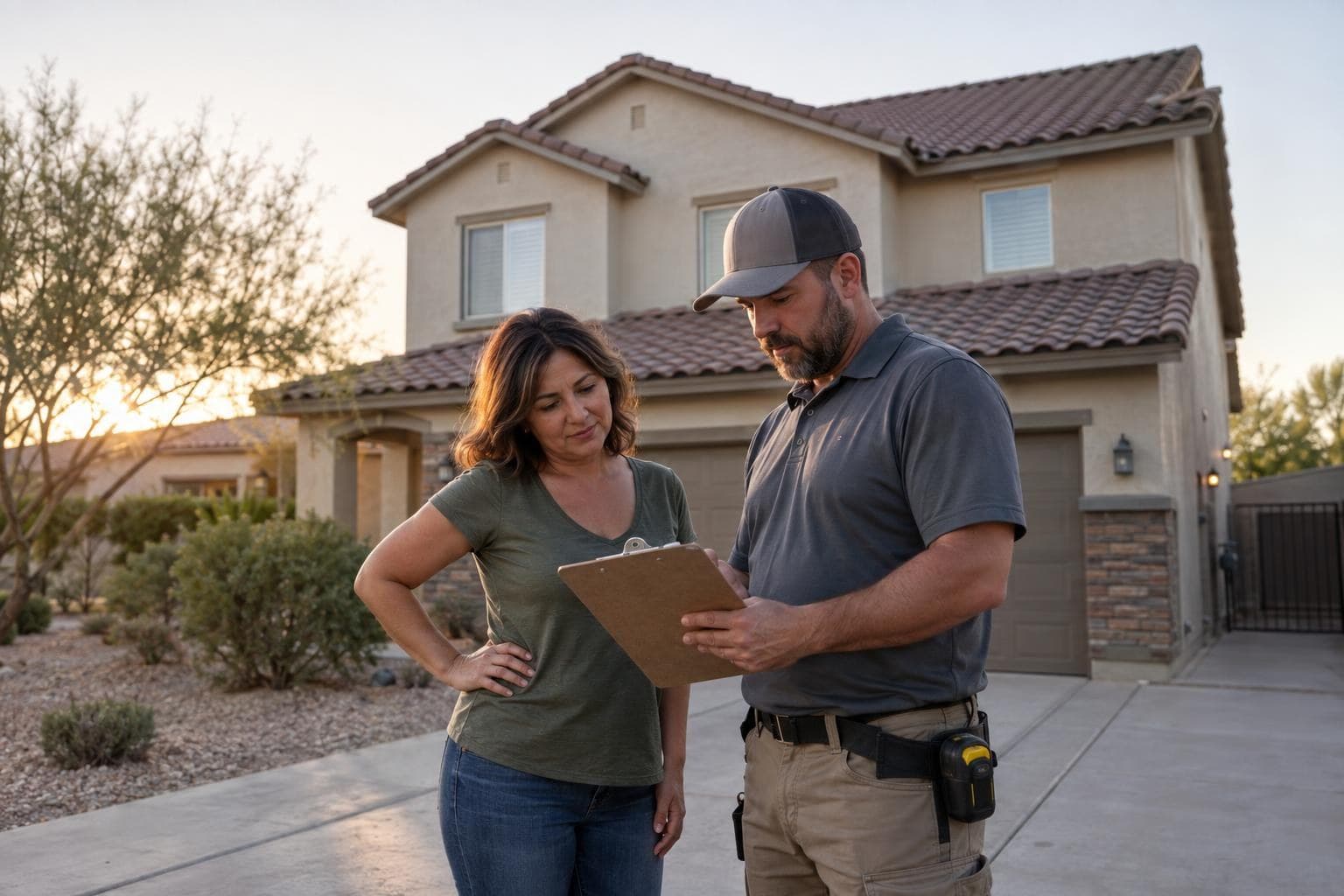
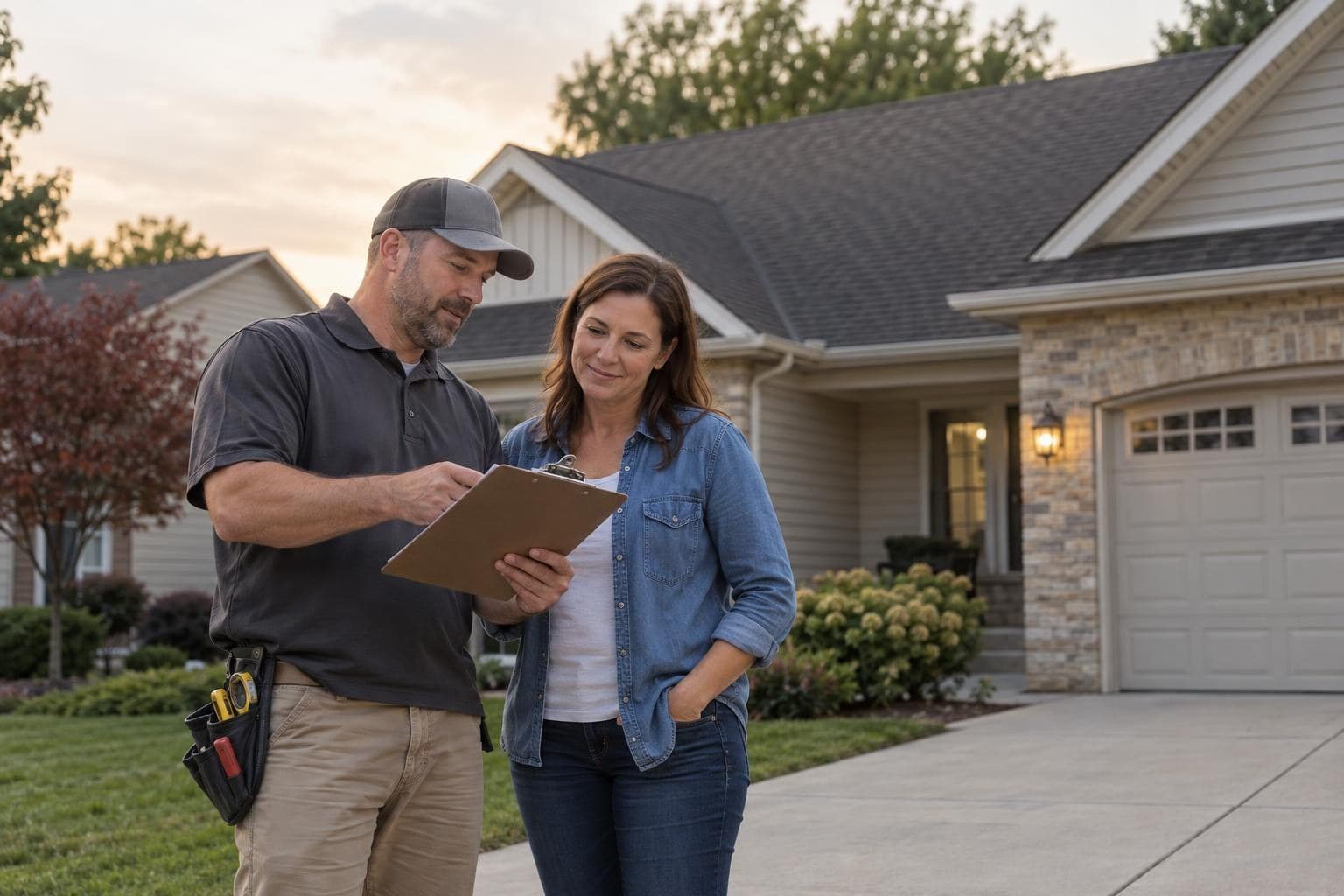
Repair it when the problem is limited and the rest of the roof is still in solid shape. Replace it when the damage is widespread, the roof is near the end of its life, or the cost of fixing multiple areas starts stacking up. a roofer whose credentials and written scope you checked can inspect the full roof system, not just the obvious leak, so you can see whether you are dealing with one problem or a roof that is wearing out across the board.
What kinds of roof damage are usually worth repairing?
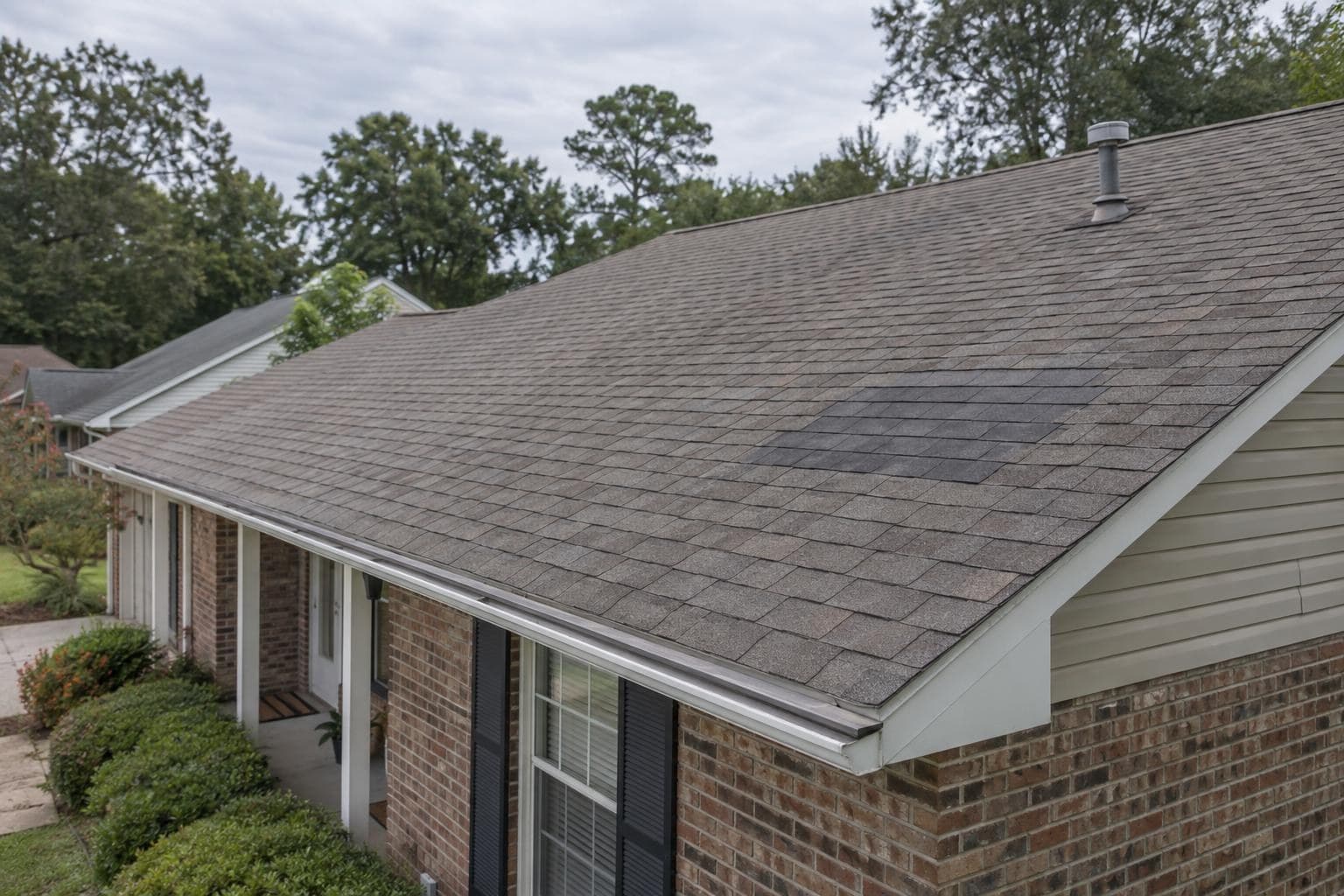
Repair is usually the right call when the issue is contained to one area and the surrounding materials still have useful life left. In South Carolina, that often means a few lifted or missing shingles after a storm, a small flashing problem around a chimney or vent, or a localized leak caught early. For a repair-versus-replacement decision in South Carolina, compare a diagnosed repair scope with a measured replacement proposal; both should identify affected slopes, flashing, deck conditions, and exclusions.
- A small area of missing, creased, or lifted shingles
- Flashing damage around penetrations, walls, or chimneys
- A leak traced to one section, not multiple slopes
- Minor storm damage on a newer roof
- Damage that can be fixed without disturbing large portions of the system
When is roof replacement the smarter choice?
Replacement is usually smarter when the roof has widespread damage, repeated leaks, soft spots, moisture-related wear, or visible aging across multiple sections. South Carolina weather is hard on roofing materials. Wind-driven rain can get under loosened shingles. Heat and humidity can speed up wear and hold moisture where it should not be. If one repair leads to another, you may be spending money to delay the inevitable instead of solving the problem.
- Shingle damage across several slopes
- Leaks in more than one area
- Repairs have become frequent
- The roof shows broad aging, not one isolated defect
- Storm damage exposed weak areas all over the roof
Talk to a roofer today
Planning ranges, scope details, and a direct path to request a roofing quote.
When is roof damage too widespread for a repair?
Base the repair decision in South Carolina on mapped damage, remaining roof condition, material compatibility, water-control details, and repair history rather than a percentage shortcut. The reason is practical. Once damage covers a large share of the roof, patching section by section can leave you with uneven wear, mismatched materials, and more opportunities for future leaks. It is not a law, just a useful decision point that helps you avoid pouring money into a roof that is already too far gone.
How does the age of your roof change the decision?
The older your roof is, the less sense repair usually makes. Even if the leak looks small, aging shingles and flashing can mean the visible problem is only part of the story. On a newer roof, a targeted repair can restore performance without much downside. On an older roof, that same repair may fix one spot while the next weak point is already forming nearby. If your roofer finds that the materials are brittle, worn, or failing in several places, replacement is often the more cost-effective choice.
How does South Carolina weather affect whether you should repair or replace?
South Carolina weather pushes many borderline cases toward replacement sooner than in milder climates. Severe storms can lift shingles and break seals. Wind-driven rain can turn a small opening into interior water damage. Long periods of heat and humidity can add moisture-related wear over time. For you, that means regular roof checks matter, especially after major weather. If damage is fresh and isolated, repair may be enough. If storms have exposed wear across the whole roof, replacement may protect your home better and reduce the chance of repeated leak calls.
How much does roof repair vs. replacement cost in South Carolina?
Check current South Carolina cost data for a repair-versus-replacement decision in South Carolina, then replace the range with an assembly-specific proposal based on measured conditions. Before approving a repair-versus-replacement decision in South Carolina, have the bidder connect timing to roof complexity, crew access, material handling, weather, inspections, and concealed conditions. If you want a fuller breakdown by roof type and home size, see the South Carolina cost page and the calculator for local pricing.
Can insurance affect whether you repair or replace the roof?
Yes, insurance can affect the timing and the scope of work after storm damage. The South Carolina Department of Insurance says that after a storm, if the area is safe, you should take photos of the damage and then take steps to mitigate any further damage. The example it gives is covering a hole in your roof with a tarp to help prevent more interior damage. It also says to immediately file a claim with your insurance company and keep all photos and receipts because they will be useful in processing your claim. If you run into claim or coverage questions after roof damage, the South Carolina Department of Insurance says its Office of Consumer Services can help answer your questions about property insurance or other types of insurance.
Should you upgrade to Class 4 if you replace your roof?
It can be worth considering if you want more impact resistance and you are already replacing the roof. A Class 4 rating does not establish a policy credit in South Carolina; the carrier and policy determine eligibility, documentation, and savings. If you are considering an impact-resistant roof, ask your carrier whether it offers a discount for a Class 4 rated product. Discounts and underwriting rules can vary by carrier, so you should confirm the product requirements and any savings directly with your insurer before you choose materials.
How should you choose a roofer for repair or replacement in South Carolina?
Start by making sure the scope of work matches what the state describes for roofing work. South Carolina has a residential specialty contractor registration category for roofers. The South Carolina Department of Insurance says a residential specialty contractor includes roofers doing the installation, alteration, and repair of materials that form a watertight, weather resistant surface for roofs and decks, including accessories, flashing, valleys, gravel stops, and roof insulation panels above the roof deck. The South Carolina Department of Insurance also says this registration applies when undertakings exceed five hundred dollars (an amount that must be confirmed for the written scope). A smart way to vet your roofer is to confirm they fit the roofing scope you need, check the state's licensee lookup or license verification resources, and make sure the work you are hiring for matches the scope the state describes.
What is the simplest way to make the right call?
If the damage is small, recent, and limited to one area, repair is usually the right first step. If the roof has damage across large sections, repeated leaks, or broad signs of age and moisture wear, replacement is usually the smarter investment. In South Carolina, the weather raises the cost of waiting because small openings can turn into bigger water problems fast. The best next step is a full inspection from a local roofer you have vetted so you can compare the repair scope against replacement cost and make a decision with clear numbers.
Sources
Reviewed technical references for South Carolina
Related South Carolina roofing guides
Related services
Updated July 10, 2026
3D Roofs Editorial Team
Editorial Standards