Updated July 10, 2026

3D Roofs Editorial Team
Editorial Standards
If you are hiring a roofer in New Hampshire, start with this: contractors do not need to be licensed in the state, according to the New Hampshire Department of Justice. That does not mean you cannot hire with confidence. It means you need to rely on basic consumer protection steps instead of assuming a state license screened the company for you. Your best protection is to compare written, itemized estimates, verify business details, ask for references, ask for proof of insurance, and make sure you have a written contract before work starts or money changes hands.
Do roofers need a license in New Hampshire?
No. According to the New Hampshire Department of Justice, contractors do not need to be licensed in the state. For you, that changes the hiring process. You should not assume a roofer meets a state licensing standard, because there is no statewide contractor license requirement to lean on here. Instead, focus on what you can verify directly: the roofer's address and phone number, references from past jobs and suppliers, proof of insurance, and a written contract with the scope of work, materials, total price, and payment schedule.
How should you vet a roofer in New Hampshire?
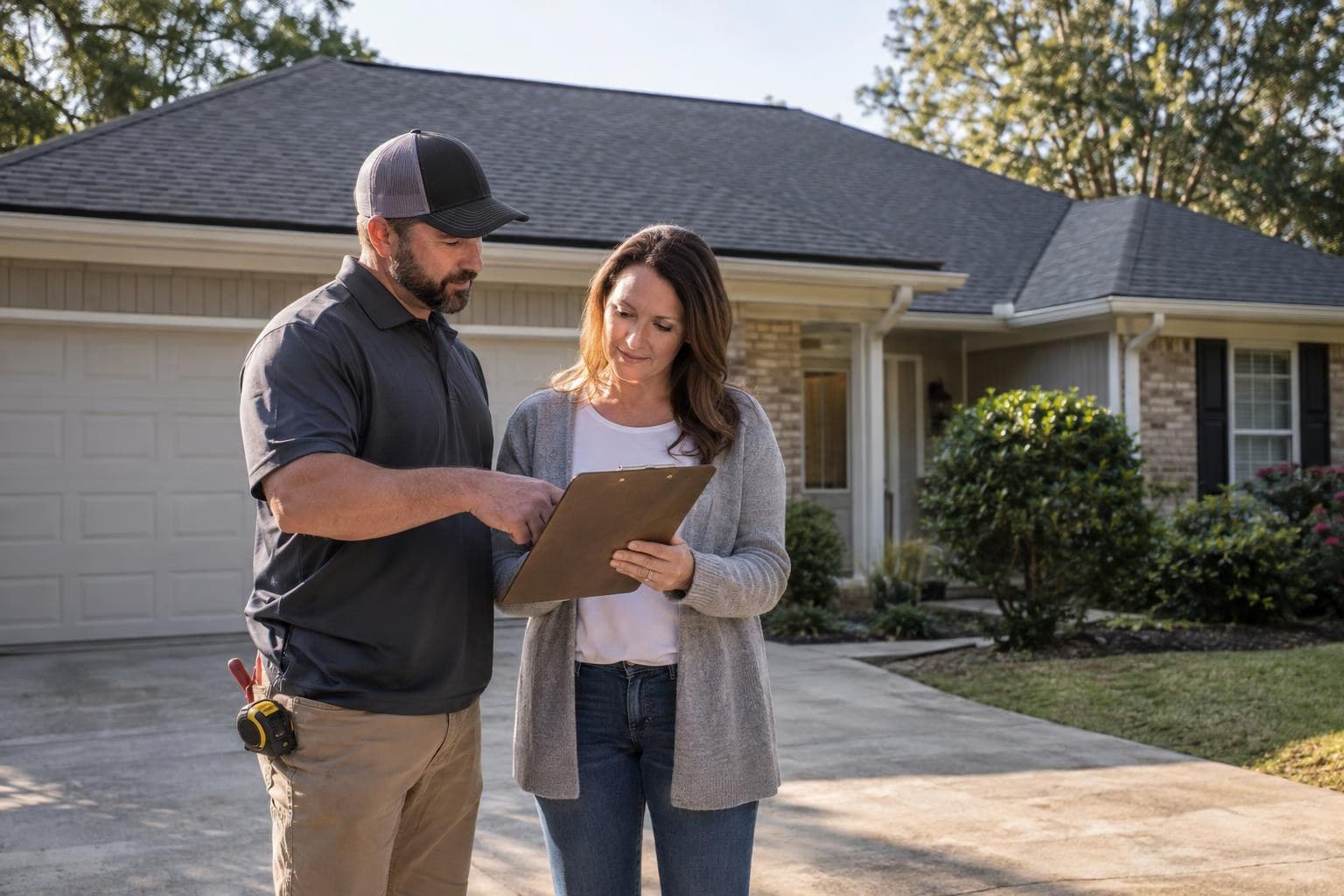
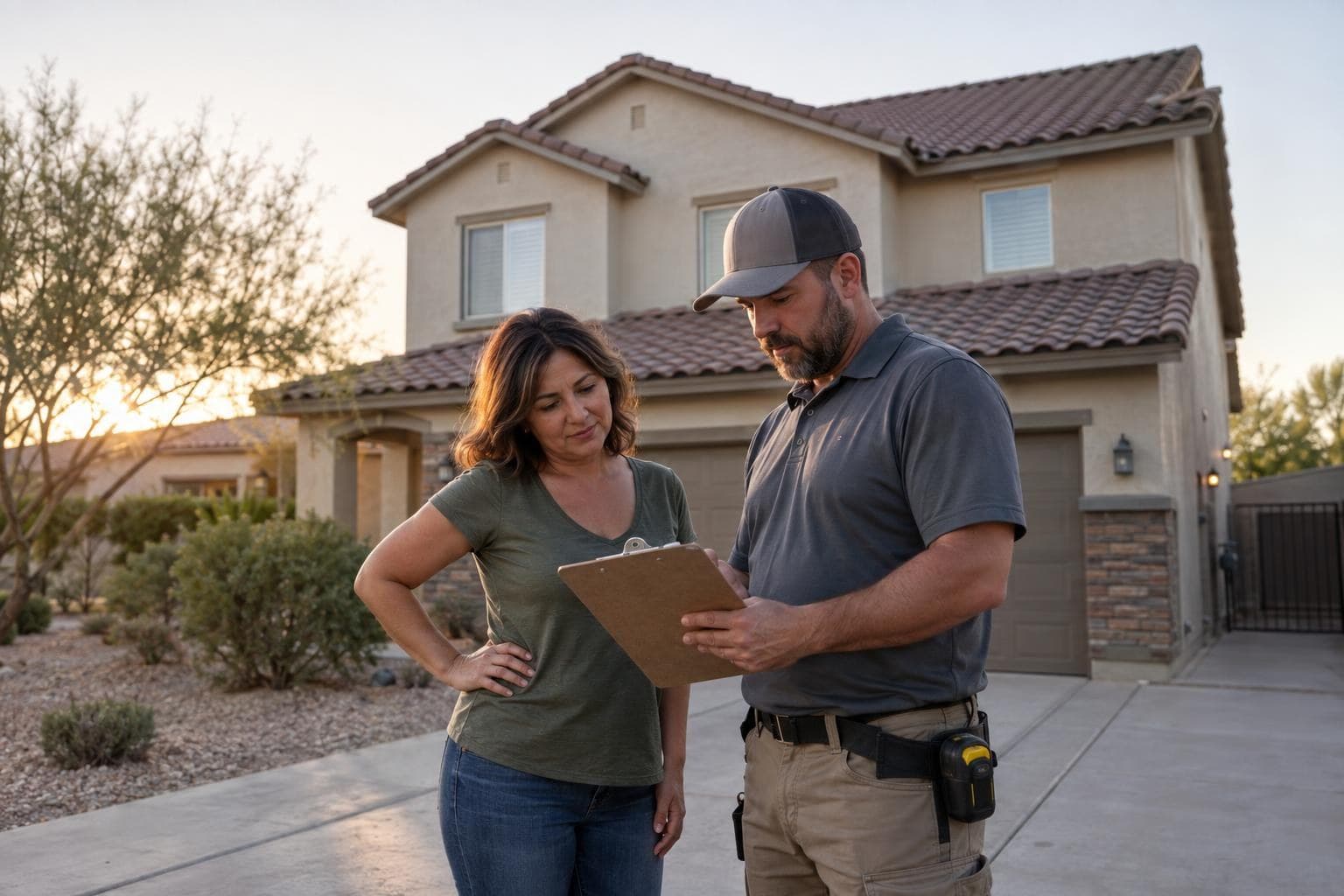
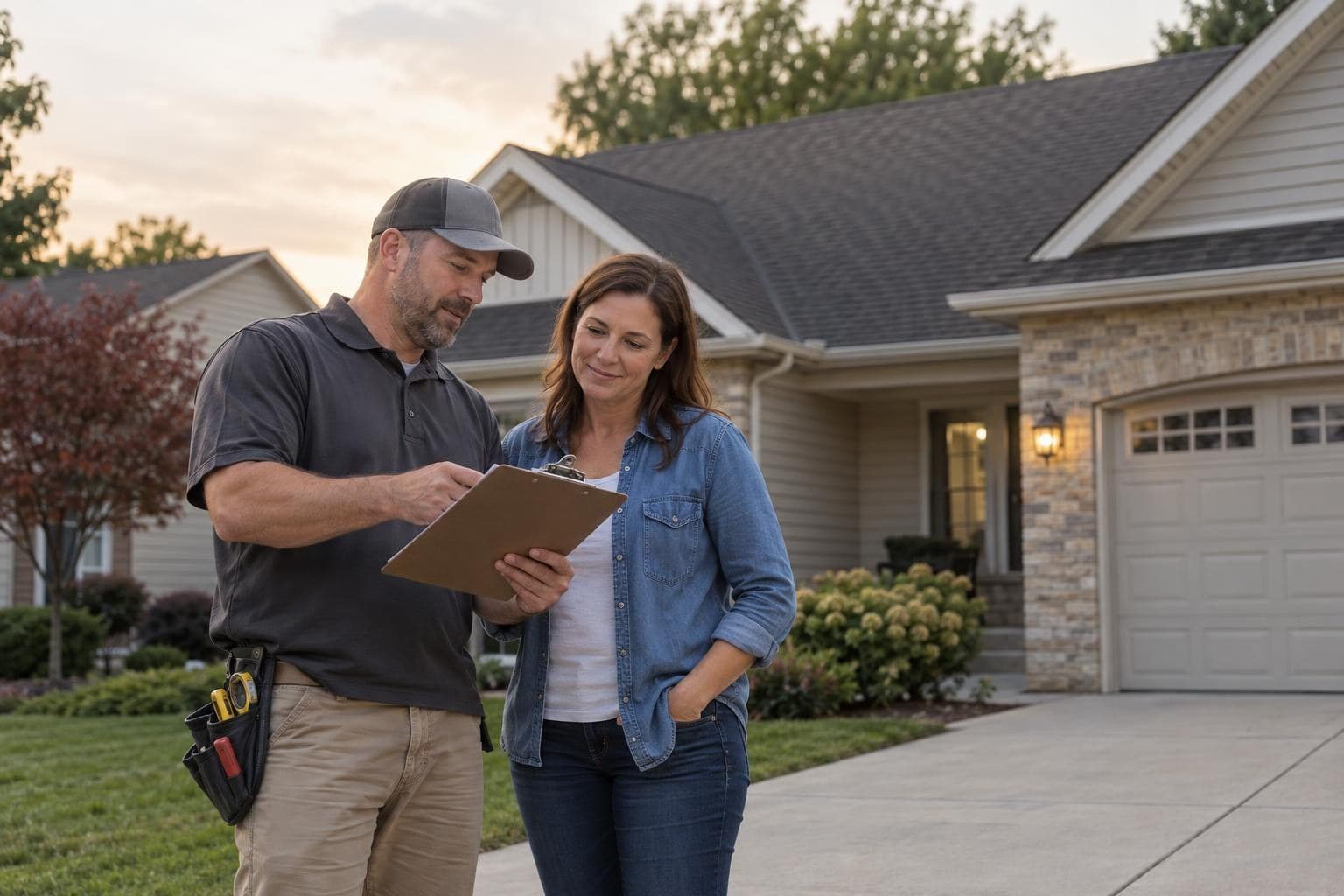
The safest approach is to slow the sale down and compare details in writing. Get at least three written, itemized estimates. Ask for references from past jobs and suppliers. Ask for proof of insurance. Check the roofer's address and phone number. Do not let anyone start work, collect money, or pressure you into a decision before you have a written contract in hand. In New Hampshire, those steps matter because the state's own consumer guidance puts the burden on you to confirm the basics before you sign.
- Get at least three written, itemized estimates
- Ask for proof of insurance
- Check the roofer's address and phone number
- Make sure the written contract includes the scope of work, materials, total price, and payment schedule
- Do not allow work to start before the contract is signed
- Do not hand over money before you understand exactly what is being done
What should be in a written roofing scope?
At minimum, the written scope should clearly state what your roofer is replacing or repairing, which materials are being used, what the total price is, and how payments are scheduled. In plain terms, you want enough detail that you can compare one estimate to another and hold the job to what was promised. If the proposal is vague, that is a problem. If it just says something broad like roof work with a lump sum price, ask for more detail before you sign.
- The exact areas being repaired or replaced
- The roofing material being installed
- The other materials included in the job, such as flashing and roof penetrations, if applicable to the work
- What happens to existing materials that are being removed
- The total price
- The payment schedule
- Any written notes that clarify what is included and what is not included
Talk to a roofer today
Planning ranges, scope details, and a direct path to request a roofing quote.
What are the biggest red flags when hiring a roofer?
The biggest red flags are pressure, vagueness, and payment demands that put all the risk on you. Be cautious if someone shows up door to door, pushes you to sign right away, asks for a large deposit upfront, wants full payment before completion, insists on cash or electronic payment apps like Zelle or Venmo, or gives a vague proposal. Those are the exact warning signs New Hampshire homeowners are told to take seriously. A solid roofer should be willing to explain the scope, answer questions, and put the terms in writing.
How much does a new roof cost in New Hampshire in 2026?
Check current New Hampshire cost data for a contractor proposal in New Hampshire, then replace the range with an assembly-specific proposal based on measured conditions. Before approving a contractor proposal in New Hampshire, have the bidder connect timing to roof complexity, crew access, material handling, weather, inspections, and concealed conditions.
Does New Hampshire weather change what you should ask a roofer?
Yes. New Hampshire roofs deal with snow, ice, wind, heavy rain, and seasonal temperature swings. Those conditions can stress shingles, flashing, roof penetrations, and attic ventilation over time. That means your written scope should match the actual weak points on your home, not just the surface shingles. Wind can damage roof coverings, and water can become a bigger problem when it gets past aging materials or vulnerable details. When you review estimates, ask your roofer to explain how the proposal addresses those details on your house.
Will homeowners insurance cover roof damage in New Hampshire?
Usually for covered wind damage, yes, but not for every roof issue. The New Hampshire Insurance Department says most homeowner policies cover damages to the dwelling caused by tornadoes or other wind damage. The department also says an insurer is only obligated to pay the cost of repairing the part of your roof that was damaged by a covered peril. If the entire roof needs replacing because of normal wear and tear, you will be responsible for paying the additional cost. The department also says homeowners policies do not cover most flooding, and that you need a separate flood insurance policy to protect your home and belongings against flood damage. If your property has flood exposure, that is a separate risk to review from roof damage.
Can one roof claim get your policy nonrenewed in New Hampshire?
No, not by itself. The New Hampshire Insurance Department says the nonrenewal of a homeowner's insurance policy is not allowed if the nonrenewal is based solely on the insured having filed a single valid claim within any one previous or current policy term. If you are deciding whether to file after storm damage, that rule is worth knowing. And if you run into claim handling problems, the New Hampshire Insurance Department says complaints should be submitted in writing to the department, and that staff can answer insurance-related questions and provide guidance and information.
Should you ask about Class 4 impact-resistant shingles?
Yes, if hail and wind resistance are part of your buying decision. A Class 4 rating does not establish a policy credit in New Hampshire; the carrier and policy determine eligibility, documentation, and savings. Still, you should verify the details before you buy. If you are considering Class 4 impact-resistant shingles, ask your insurer whether that roof material qualifies for any premium discount or underwriting benefit. Carriers set their own discounts and eligibility rules, so you should confirm the details with your insurer before you buy.
The bottom line is simple: in New Hampshire, your protection comes from what you check and what gets written down. Get multiple itemized estimates. Make sure the contract spells out the scope, materials, total price, and payment schedule. Watch for pressure tactics and vague proposals. If you want help planning your budget before you start calling roofers, use the New Hampshire cost page and the calculator to compare the latest local cost data and narrow down your options.
Sources
Reviewed technical references for New Hampshire
Related New Hampshire roofing guides
Related services
Updated July 10, 2026
3D Roofs Editorial Team
Editorial Standards