Updated July 27, 2026

3D Roofs Editorial Team
Editorial Standards
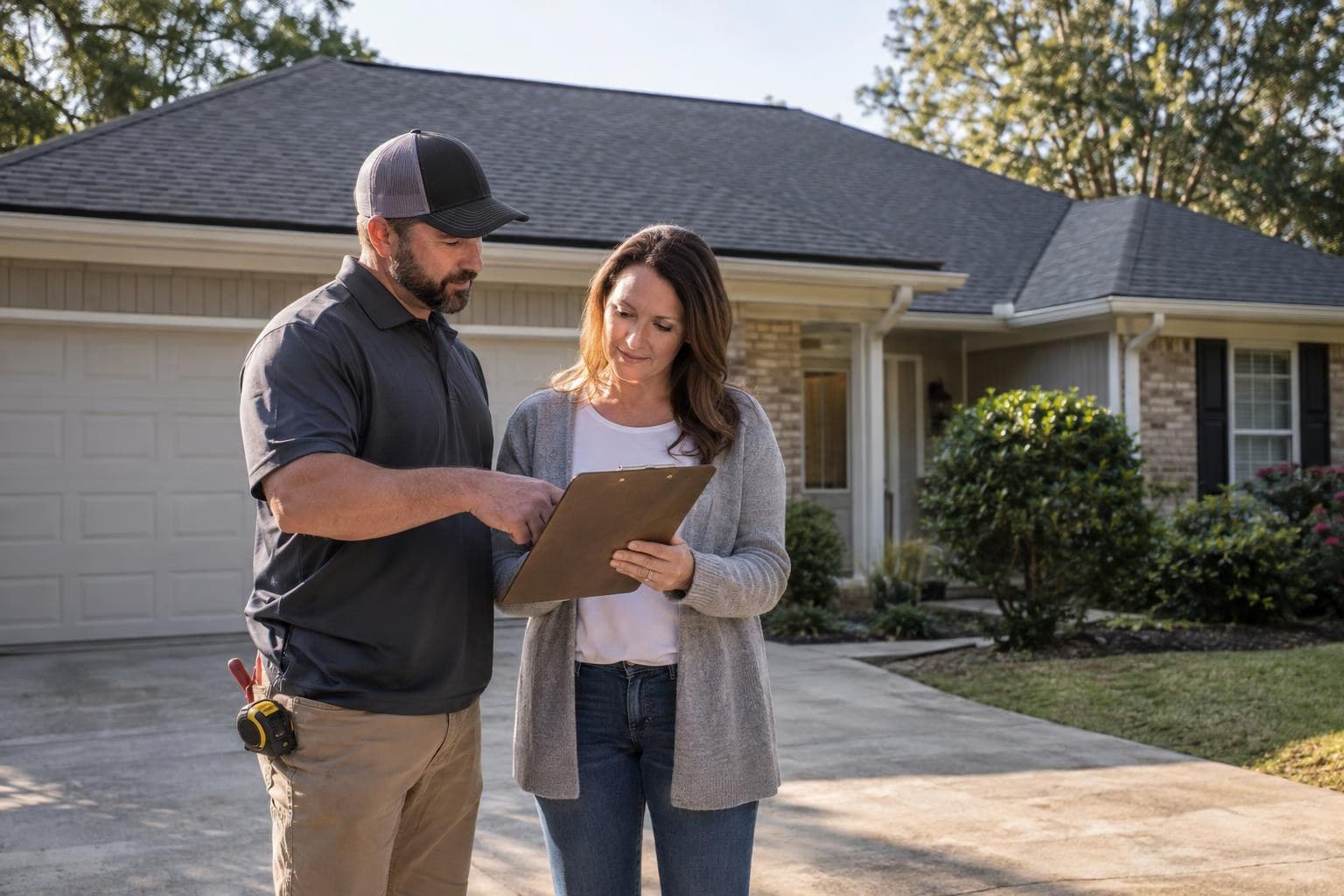
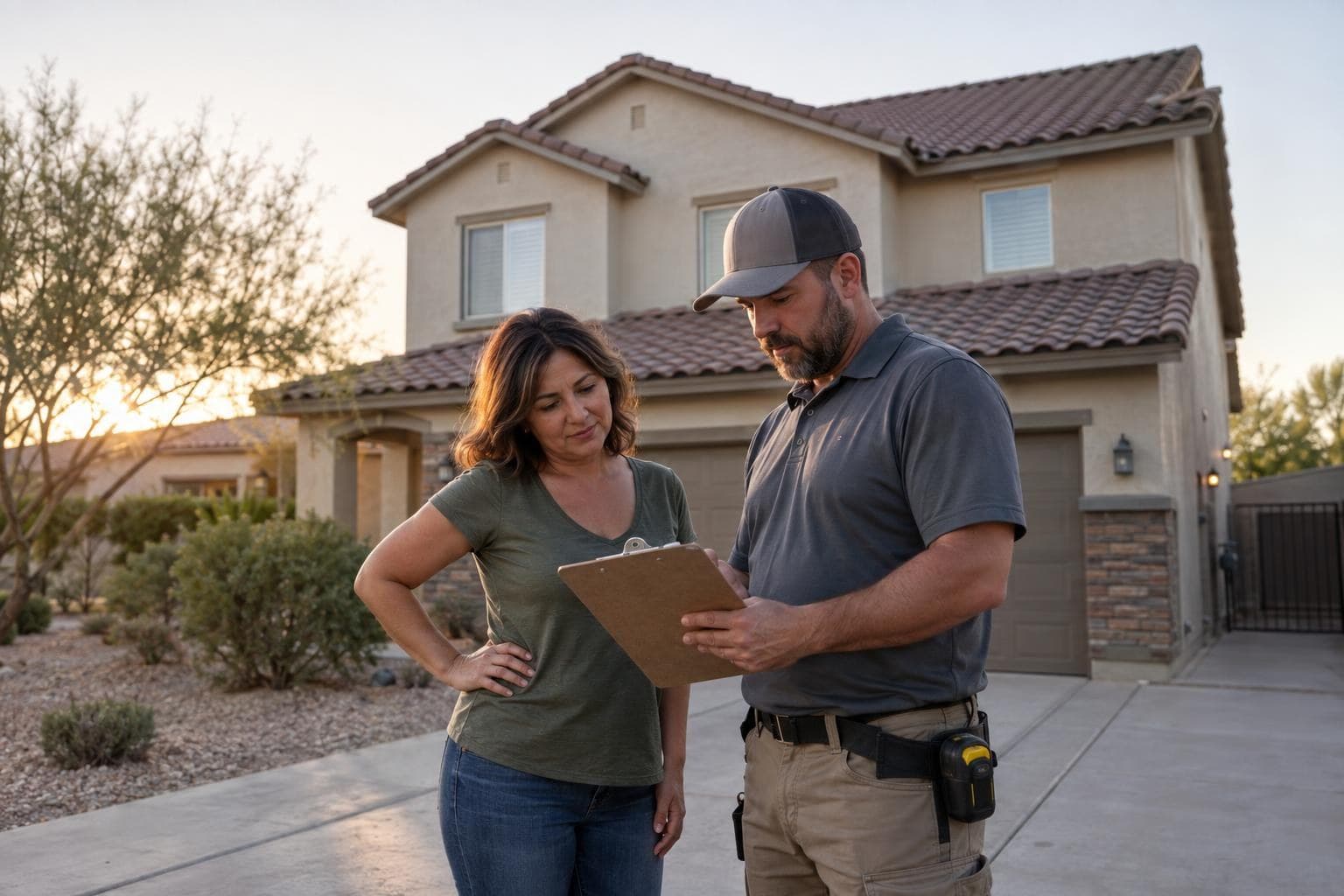
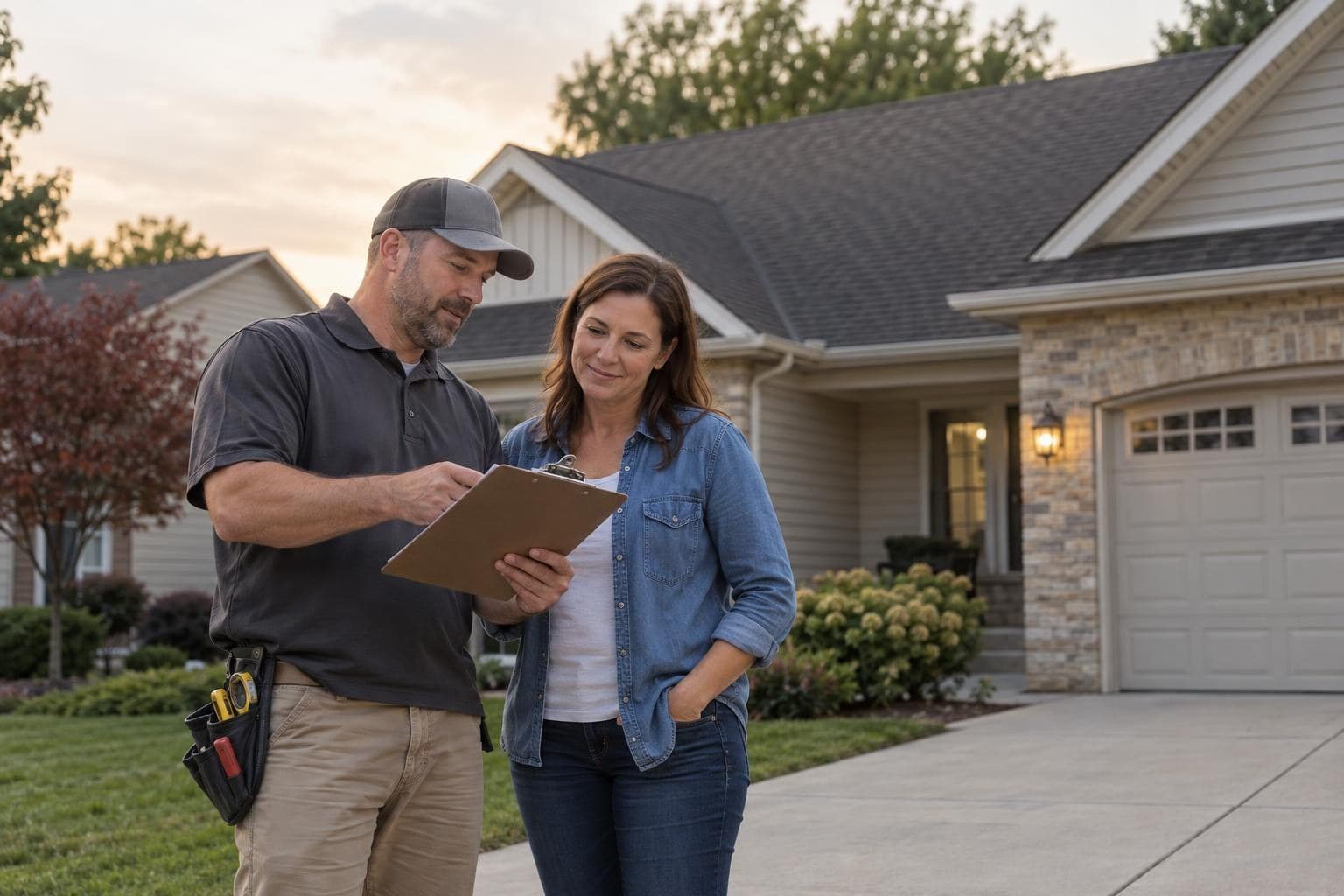
If you are hiring a roofer in Virginia, start with the basics: confirm the business is properly licensed through the state lookup, get written estimates before work begins, and require a signed contract with a clear scope. That is the practical reality for homeowners in Virginia. The state licenses contractor businesses through the Board for Contractors, and the Board says contractor licenses include a class of license and a classification or specialty. For you, that means less guessing and more checking. A local roofer you have vetted should be ready to give you a written estimate, a signed contract, and references if you ask.
How do you check a roofer in Virginia before hiring them?
You should verify the business is properly licensed through the state lookup, ask for references, and make sure the roofer is willing to give you a signed contract. Virginia’s guidance says to work with established firms or individuals who can provide references and are willing to give you a signed contract. That is the closest thing to real homeowner vetting that matters. A polished pitch is not enough. Written estimates, a signed agreement, and a license check tell you more than promises on the spot.
- Confirm the contractor business is properly licensed through the Virginia state lookup
- Ask for written estimates before any work begins
- Ask for references from recent jobs
- Make sure your roofer will sign a contract before starting
- If the job came from door-to-door solicitation, ask for the required Consumer Protections Statement for residential door-to-door solicitations
What should be in a roofing contract and written scope?
Your written scope should clearly describe what is being removed, what is being installed, how the roof will be detailed, what cleanup is included, and when payments are due. If any part of that is vague, slow down. Virginia’s insurance guidance says a contract should specify that payments will be made as the work is completed. It also says to obtain written estimates before repairs begin, and not to sign any contracts for major repair until the company representative has determined how much damage there is and how much the company will pay.
- The exact roofing material being installed, such as Class 3, Class 4, or standing seam
- The areas included in the work, and any areas excluded
- Removal details, including tear-off versus overlay if applicable
- Flashing, underlayment, vents, pipe boots, ridge materials, and other roof details
- How damaged wood or other hidden issues will be handled if found
- Site protection and cleanup responsibilities
- Payment schedule, with payments made as the work is completed
- How change orders will be approved and priced in writing
What red flags should homeowners watch for after a storm?
The biggest red flags are pressure to sign fast, pressure to sign over your insurance check in advance, and vague paperwork. Virginia’s guidance is direct: do not sign any contracts for major repair until the company representative has determined how much damage there is and how much the company will pay. It also warns against signing your insurance check over to a contractor in advance. After a storm, your roof may need fast temporary protection, but that is different from rushing into a full replacement contract before the claim damage is set.
- A roofer pushing you to sign a major repair contract before your claim damage is determined
- Anyone asking you to sign your insurance check over in advance
- A contract with missing materials, missing scope details, or unclear payment terms
- Door-to-door pressure without the required Consumer Protections Statement
- Refusal to provide a signed contract or written estimate
Talk to a roofer today
Planning ranges, scope details, and a direct path to request a roofing quote.
What should you do first if your Virginia roof has storm damage?
Protect the home, document the damage, and contact your insurer. Virginia’s consumer guidance says you should make necessary temporary repairs as soon as possible to protect your property from further damage, including boarding up openings and patching holes in walls or roofs. It also says most homeowners policies cover the reasonable costs of emergency clean-up and temporary repairs. Take photographs before cleanup and keep receipts for your expenses. For roofing contractor rules in Virginia, ask the insurer and state insurance regulator for the current notice, proof-of-loss, inspection, acknowledgment, and decision deadlines that apply to the claim.
This matters in Virginia because roofs deal with changing conditions across the year. Rain, wind, humidity, and storm activity can all shorten the life of roofing materials or turn a small weak spot into a leak. In hurricane-prone or coastal weather patterns, wind can damage shingles and flashing, while heavy rain can push water into vulnerable roof areas. Humid conditions can also make it important to catch roof damage early, before trapped moisture leads to bigger repair needs.
How much does a new roof cost in Virginia in 2026?
For a contractor proposal in Virginia, start with current Virginia cost data, then test the planning range against a measured proposal that names the complete roof assembly. For a contractor proposal in Virginia, require the written schedule to account for roof geometry, access, weather protection, material handling, inspections, and possible deck work. If you want the full local pricing picture, you can see more detail on the Virginia cost page and use the calculator to compare roof types for your home.
Is Class 4 roofing worth asking about in Virginia?
Yes, if you want better impact resistance and you plan to confirm the insurance side before you buy. In Virginia, the smart move is to ask your insurer about any available Class 4 discount before you choose the product. Discounts are set by individual carriers and policy terms, so they can vary. The key step is to confirm with your carrier what proof they require and whether the specific roof system you are considering qualifies. For a contractor proposal in Virginia, treat any impact-resistant roof credit as unconfirmed until the insurer identifies the eligible product, required documentation, premium portion, and amount in writing.
What if you have a problem with a roofer in Virginia?
You can document the issue and use the state complaint path. If you run into misconduct, the Board for Contractors has a complaint process. Virginia also says the Contractor Transaction Recovery Act provides relief to eligible consumers who have incurred losses through the improper and dishonest conduct of a licensed contractor. Filing a claim does not guarantee payment. That does not fix a bad experience overnight, but it is one more reason to keep everything in writing from the start, including the estimate, the contract, any change orders, and payment records.
How can you hire a roofer in Virginia with less risk?
Keep it simple: verify the business license through the state lookup, get written estimates, compare scopes instead of just comparing totals, and do not sign a major repair contract before your claim damage is set. Ask exactly what materials are included, how flashing and other details will be handled, what happens if hidden damage is found, and how payments will be made as the work is completed. If someone will not put it in writing, move on. The right roofer for your project is the one who makes the scope clear, answers direct questions, and gives you a contract that protects you before the first shingle comes off.
Sources
Reviewed technical references for Virginia
Related Virginia roofing guides
Related services
Updated July 27, 2026
3D Roofs Editorial Team
Editorial Standards