Updated July 27, 2026

3D Roofs Editorial Team
Editorial Standards
A shingle roof in Arkansas can last for years, but storms often decide whether it reaches the long end of its life or ages out early. Arkansas roofs are exposed to fast-moving storm systems. Wind can lift shingles and loosen flashing. Hail can bruise or crack roofing materials. Heavy rain can turn small roof weaknesses into leaks, especially around penetrations, valleys, and roof edges. That means your roof lifespan depends on more than age alone. It also depends on storm exposure, installation quality, attic conditions, drainage, and how quickly small damage gets found and fixed.
How long does a shingle roof last in Arkansas?
It depends on storm exposure and maintenance, but in Arkansas a shingle roof often ages based on damage as much as calendar age. If your roof avoids major wind and hail events, has solid ventilation, and gets repairs when needed, it can stay serviceable longer. If it takes repeated storm hits, the lifespan can shorten fast. In this state, you should think less in terms of a simple year count and more in terms of condition. A roof with intact shingles, secure flashing, good drainage, and no active leaks may still have life left. A roof with granule loss, bruising, lifted tabs, recurring leaks, or widespread repairs may be much closer to replacement, even if it does not seem that old.
Why do Arkansas roofs wear out faster than homeowners expect?
Storm stress is the main reason. Fast-moving storm systems can hit a roof hard in a short window. Wind can break the seal between shingles, crease tabs, and loosen metal details. Hail can leave impact marks that weaken shingles even when the damage is not obvious from the ground. Heavy rain then pushes water into those weak spots. In many cases, the roof does not fail all at once. It starts with a small problem at an edge, a valley, a vent pipe, or flashing, then gets worse the next time a storm comes through. That is why roofs in Arkansas can look mostly fine from the yard while still carrying damage that shortens their remaining life.
What shortens the lifespan of a shingle roof the most?
- Wind damage that lifts, creases, or tears shingles
- Hail impacts that bruise, crack, or weaken the shingle surface
- Heavy rain that exploits weak flashing, exposed nails, roof edges, valleys, and penetrations
- Poor attic ventilation that traps heat and moisture and adds stress from below
- Clogged gutters or bad drainage that keep water where it should move off quickly
- Delayed repairs after a storm, which let a small issue turn into decking or leak damage
- Improper installation details, especially around flashing transitions and roof edges
If you want your roof to last longer, the biggest win is catching damage early. Once leaks move into decking, insulation, ceilings, or walls, the roof can age out faster and the total scope of work can grow.
Talk to a roofer today
Planning ranges, scope details, and a direct path to request a roofing quote.
How can you tell if your shingle roof is aging out?
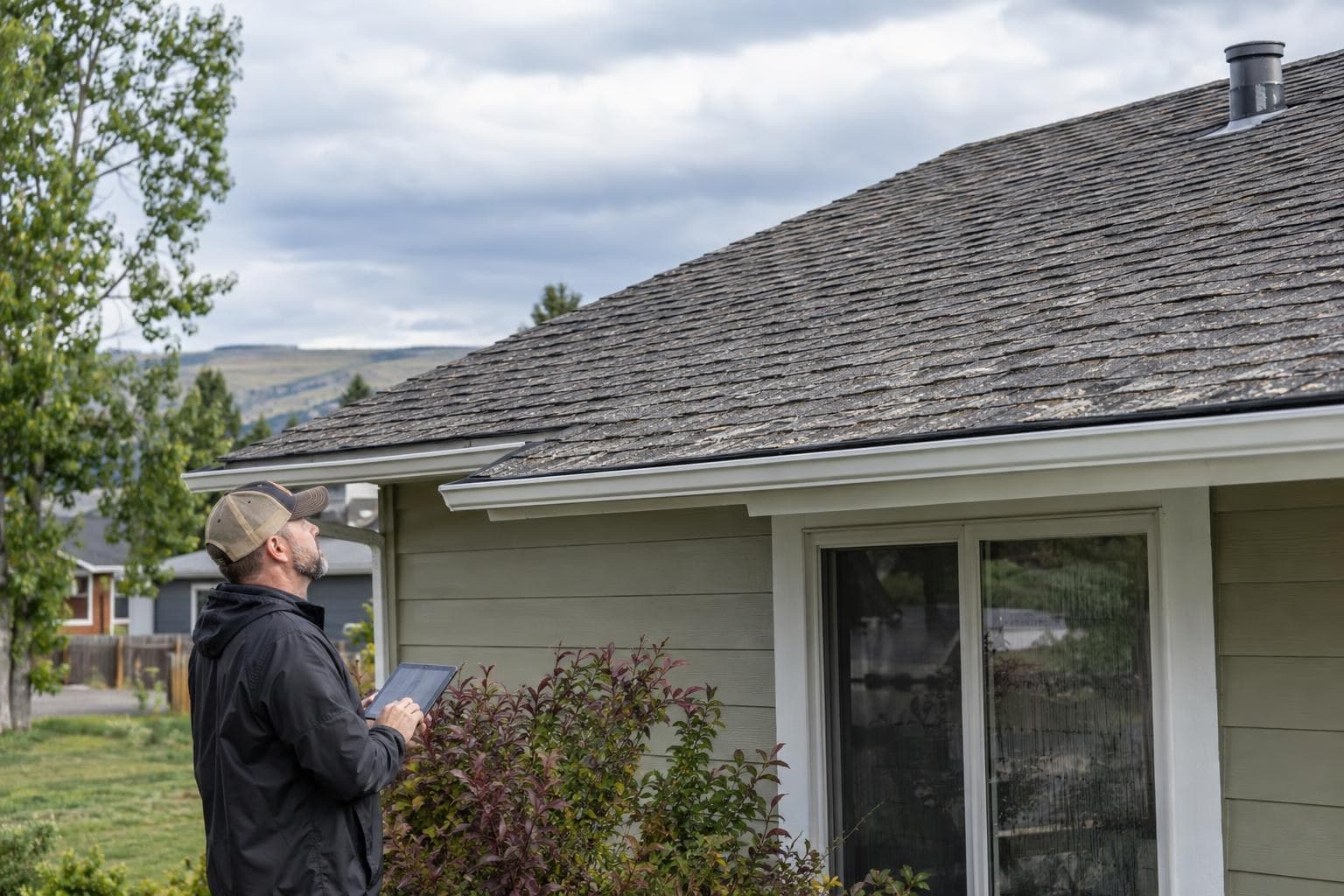
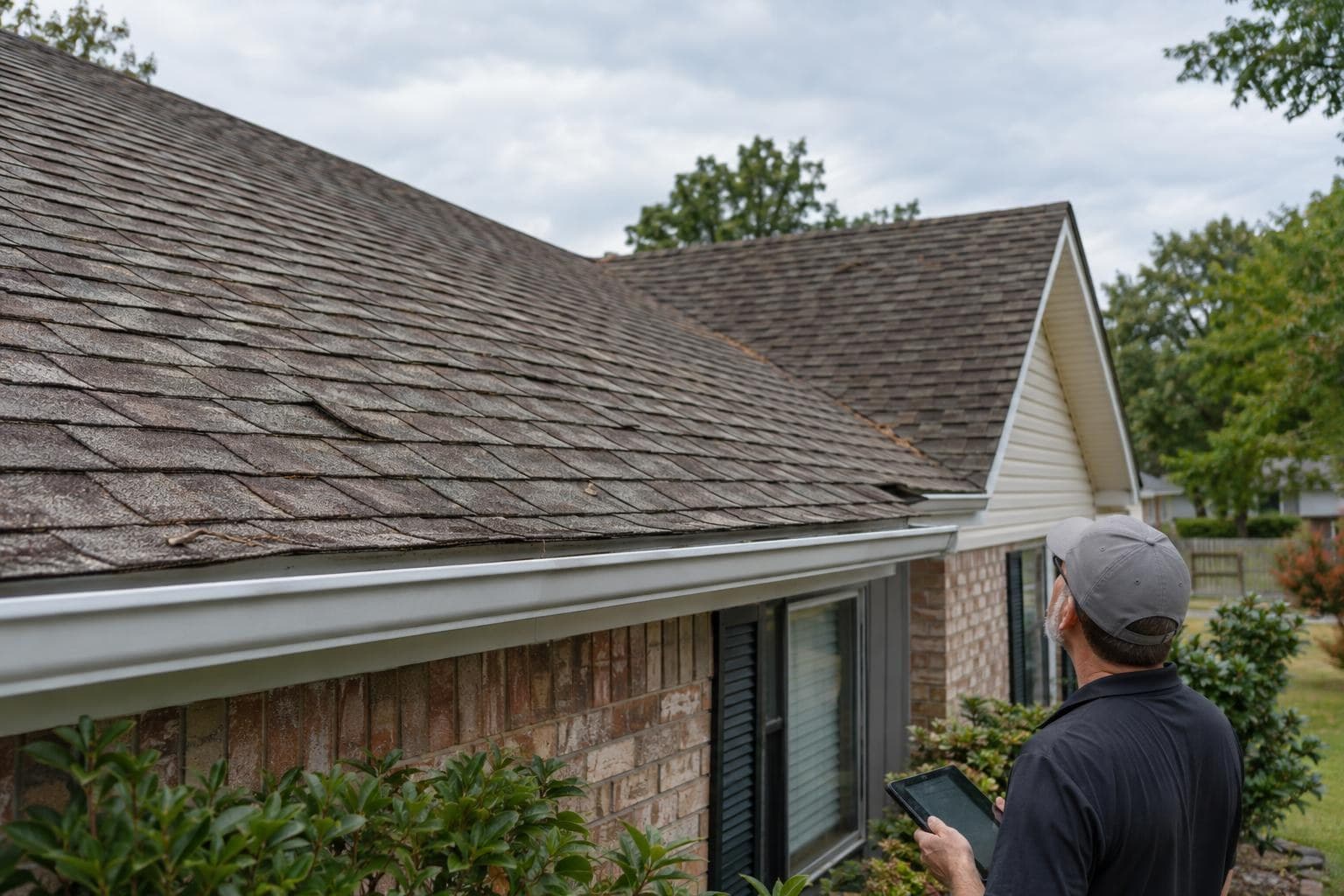
The clearest sign is when wear is widespread, not isolated. A few replaceable shingles after a storm is one thing. Large areas with granule loss, repeated blown-off tabs, visible bruising, curling, cracking, exposed fiberglass, or recurring leaks are another. You may also notice dark streaks where water holds, soft spots underfoot, or flashing issues around chimneys, walls, skylights, and vents. Inside the house, water stains, peeling paint near ceiling lines, and attic moisture can point to a roof that is no longer keeping water out reliably. When problems show up in several areas at once, replacement often makes more sense than chasing one repair after another.
What parts of the roof usually fail first in Arkansas storms?
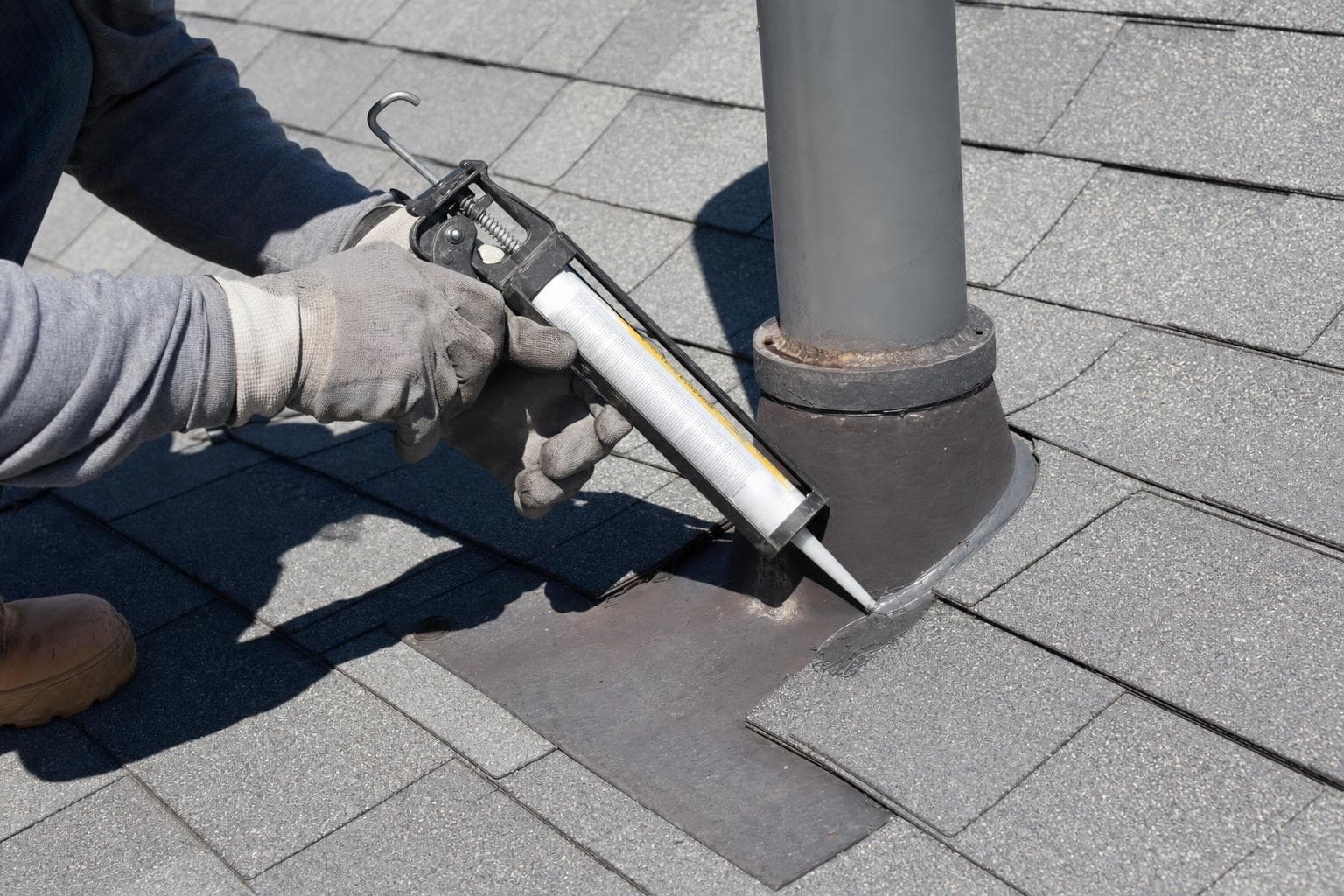
Roof edges, valleys, flashing, and penetrations often show trouble first. These are the spots where wind and rain work hardest. Shingles along rakes and eaves can lift. Valleys can concentrate runoff and reveal granule loss or worn surfaces sooner. Flashing around chimneys, walls, and vents can loosen or separate. Pipe boots and exposed sealant can dry out and fail before the field shingles do. If you are trying to judge roof condition, these areas usually tell the story faster than the middle of a broad roof plane.
Should you repair storm damage or replace the whole roof?
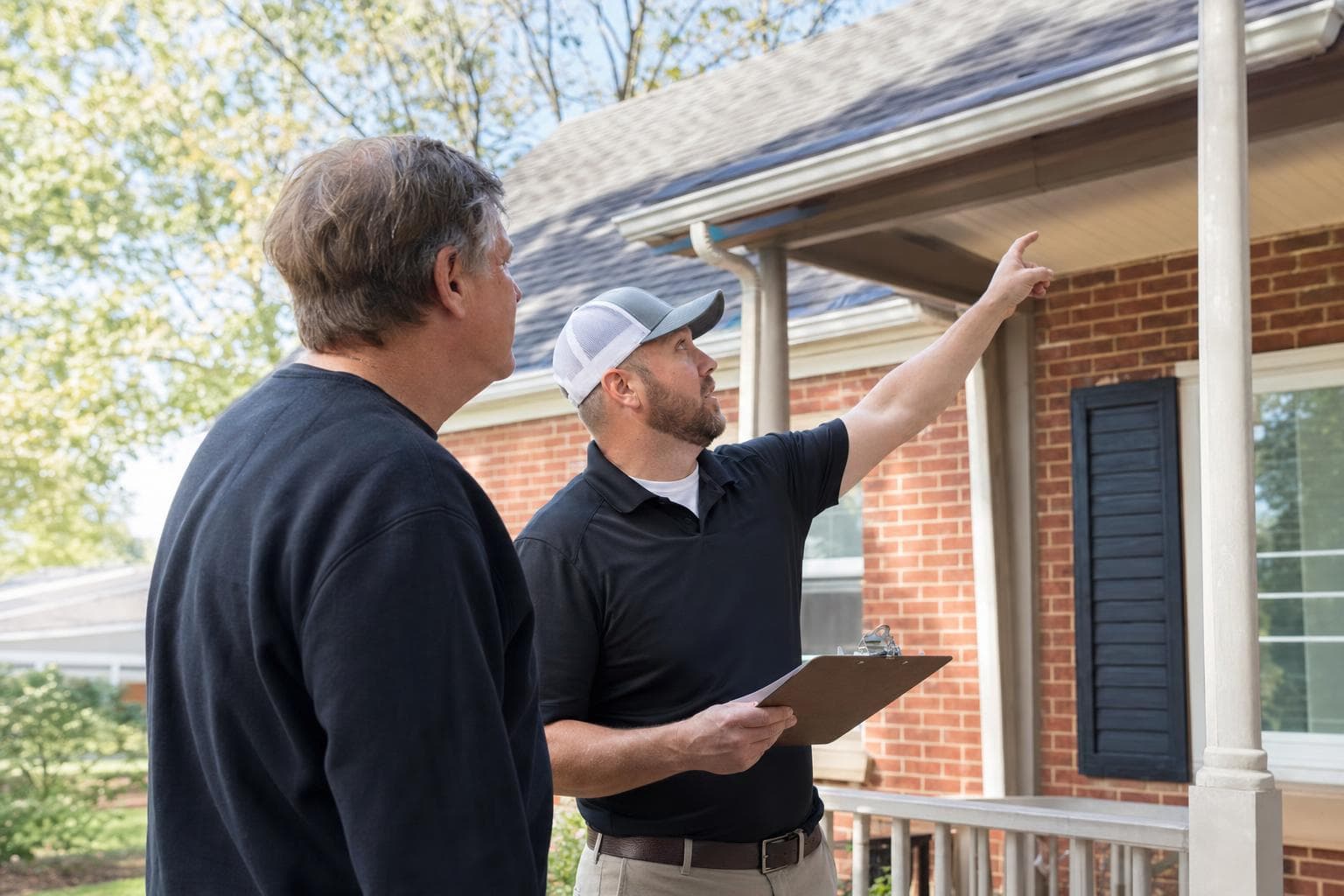
You should repair when damage is limited and the rest of the roof is still in solid shape. You should consider replacement when damage is widespread, leaks keep returning, or the roof has multiple aging problems at once. Arkansas guidance is especially important after a major storm: do not rush into a repair agreement before you understand the damage, your deductible, and what your insurer needs for the claim. The Insurance Commissioner says your insurer will honor its policy, so there is no need for you to rush into an agreement with a contractor who solicits for repair without your request. The same consumer guidance says to have your roof inspected by a trusted roofing contractor, compare the damage to your deductible, and turn the claim in to your insurance carrier if the damages are much larger than your deductible.
If you do have storm damage, protect the property, document it, and keep records. State post-storm guidance tells you to take photos or video of the damage, avoid throwing damaged items away unless your insurance company tells you to, make necessary temporary repairs to prevent further damage, wait on permanent repairs until the property is inspected and you have reached agreement on repair cost, and save receipts, including receipts from temporary repairs that might be covered by your policy.
What does replacement cost in Arkansas if your roof is aging out?
Check current Arkansas cost data for a shingle condition and replacement plan in Arkansas, then replace the range with an assembly-specific proposal based on measured conditions. Before approving a shingle condition and replacement plan in Arkansas, have the bidder connect timing to roof complexity, crew access, material handling, weather, inspections, and concealed conditions.
Is a Class 4 shingle worth it in Arkansas?
It can be worth a close look if your area sees frequent hail and you plan to stay in the home. A Class 4 rating does not establish a policy credit in Arkansas; the carrier and policy determine eligibility, documentation, and savings. You should still confirm the details with your own carrier. If you are considering a Class 4 impact-resistant shingle, ask your insurance carrier whether it offers a premium discount for that upgrade. a roofer whose credentials and written scope you checked can help you compare roofing options, but your carrier decides eligibility and savings.
What should you do after a major Arkansas storm if you think your roof is near the end?
Start with a careful inspection and documentation, not a rushed contract. Get the damage assessed by a local roofer you have vetted. If you need to verify your roofer before work starts, Arkansas says you should use the Arkansas Contractors Licensing Board's contractor lookup. The Arkansas Contractors Licensing Board says you can "Find A Licensed Contractor," and its post-storm consumer guidance says you can contact the Arkansas Contractors Licensing Board to make sure the contractor has a valid license to do business in the state and that they carry liability insurance. For roofing-specific work on a single-family residence, the licensing page says a "Residential Roofer Registration" is needed for "Roofing, Roof Decks, Roofing Sheet Metal" projects more than an amount that must be confirmed for the written scope, including but not limited to, labor and material, unless the contractor already holds a Residential Builders or Residential Remodelers License. You should also get more than one bid, check references and phone numbers, avoid anyone offering to waive your deductible or promise a rebate, avoid paying upfront, and never sign a contract with blank spaces.
If you run into claim problems, you can file a complaint with the state insurance department. The Consumer Services Division assists insurance consumers with complaints and inquiries regarding insurance companies, producers, and adjusters. It investigates complaints, works with the insurance company and the consumer, and can also help homeowners in storm-damaged areas with filing claims and procuring emergency living expenses. Also pay attention to timing. State post-storm guidance says replacement cost policies require the work to be completed within six months of the date of loss in order to receive the replacement cost payments that were withheld.
Sources
- Asphalt Roofing Manufacturers Association: Residential Asphalt Roofing Manual: Ventilation Best Practices
- Insurance Institute for Business & Home Safety: Natural Weathering and Hazard Exposure
- Arkansas Insurance Department, Consumer Services
- Arkansas Insurance Department, Insurance Commissioner Provides Post-Storm Tips to Consumers
Reviewed technical references for Arkansas
Related Arkansas roofing guides
Related services
Updated July 27, 2026
3D Roofs Editorial Team
Editorial Standards