Updated July 27, 2026

3D Roofs Editorial Team
Editorial Standards
A shingle roof in Connecticut can last for many years, but the real answer depends on weather exposure, attic conditions, installation quality, and how quickly small problems get fixed. Your roof in Connecticut has to handle snow, ice, wind, rain, and coastal storm conditions. That mix puts steady stress on shingles, flashing, seal strips, valleys, and eaves, especially on older roofs.
How long does a shingle roof last in Connecticut?
It depends on the roof system and how much storm exposure your home gets, but Connecticut weather tends to age shingle roofs faster when water backs up at the eaves, wind-driven rain gets under weak details, or humid summer conditions expose vulnerable spots. Near the shoreline, hurricane-related deductibles and coastal exposure can matter more, so material choice and installation details become even more important.
What Connecticut weather shortens a shingle roof's life?
Snow, ice, wind, rain, humidity, and coastal storm exposure are the biggest factors. Winter weather can push water back under shingles when ice builds up along eaves. Wind-driven rain can test flashing, ridge details, and older seal strips. In warmer months, storm seasons and humid weather can expose weak spots around penetrations, valleys, and roof-to-wall transitions. When those details start failing, the roof can age out well before the shingles look completely worn from the ground.
- Ice buildup along eaves can force water back under shingles
- Wind can loosen older shingles and stress worn seal strips
- Wind-driven rain can find gaps around flashing and ridges
- Humidity can keep roof components damp longer and worsen hidden deterioration
- Coastal exposure can increase storm stress on materials and attachment points
What else makes a roof wear out faster?
Poor ventilation, missed maintenance, weak flashing, bad repair work, and repeated storm damage can all shorten roof life. Even a decent shingle can fail early if heat and moisture build up in the attic or if water keeps entering at the same transition points. Roofs with a lot of valleys, penetrations, skylights, chimneys, or roof-to-wall connections have more areas that need close inspection. The schedule for a shingle condition and replacement plan in Connecticut should explain access, material staging, weather protection, inspections, and the process for discovered deck work.
Talk to a roofer today
Planning ranges, scope details, and a direct path to request a roofing quote.
What are the signs a shingle roof is aging out?
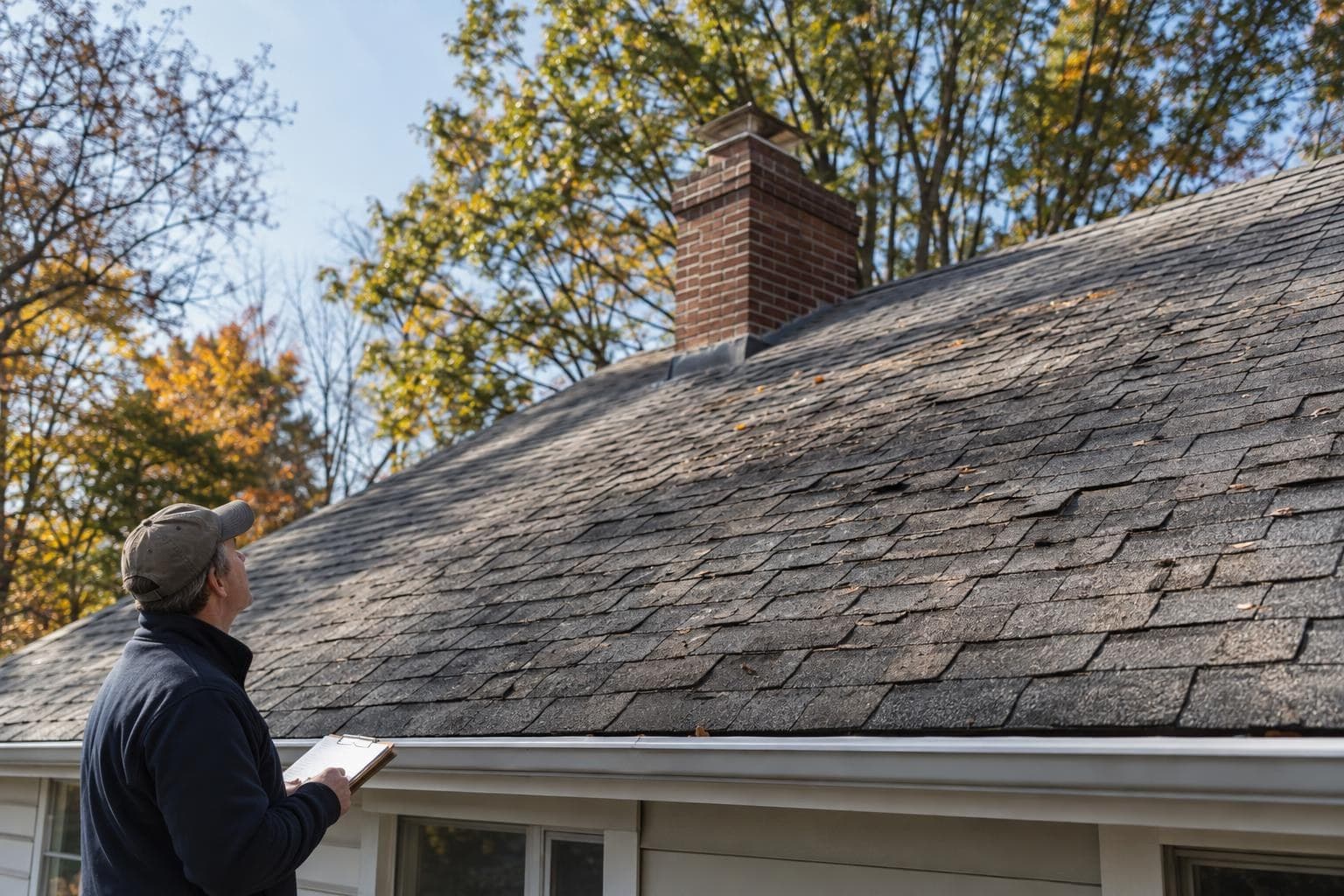
The clearest signs are repeated leaks, shingles that no longer lie flat, visible wear around roof details, and repairs that keep stacking up. When a roof starts failing in multiple areas at once, it is often closer to replacement than another patch.
- Shingles look curled, cracked, loose, or out of line
- Granule loss is noticeable in downspouts or around drainage areas
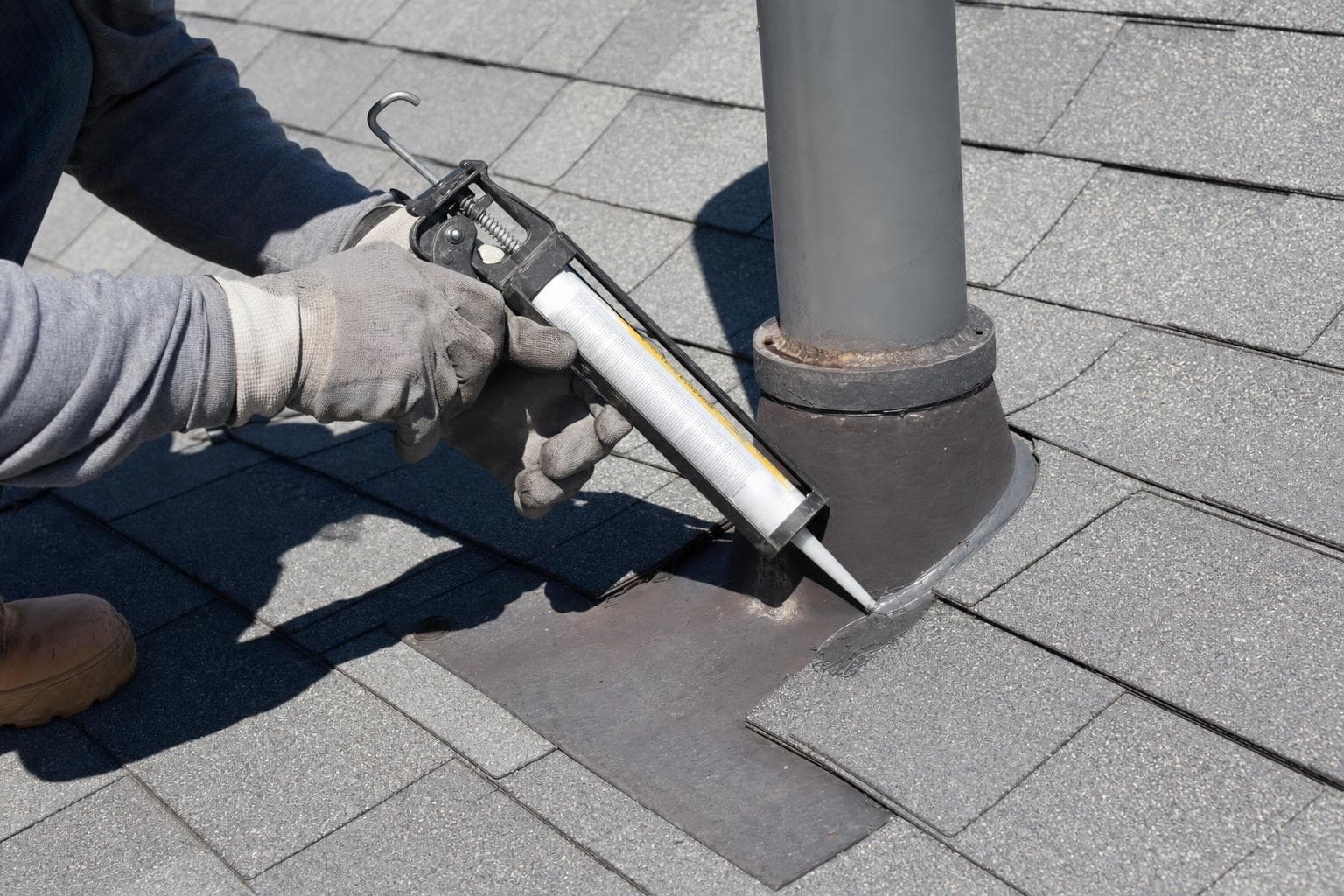
- Flashing looks rusted, lifted, or separated
- Leaks keep returning after past repairs
- Staining or damp spots show up in the attic or on ceilings
- Problem areas appear around chimneys, vents, valleys, ridges, and roof-to-wall transitions
- Sections near eaves show signs of ice-dam related wear
Should you repair the roof or replace it?
If the problem is isolated, repair usually makes sense. If wear is widespread, replacement often gives you a better long-term result.
What roofing material makes sense in Connecticut?
Architectural shingles are still the practical choice for many homes, but impact resistance and coastal exposure can change what makes the most sense for you. For an early budget on a shingle condition and replacement plan in Connecticut, compare the Connecticut cost page with a proposal that identifies measurements, products, accessories, and exclusions. If your home sees stronger storm exposure, a Class 4 shingle may be worth asking about. When comparing a shingle condition and replacement plan in Connecticut, use a written insurer response rather than a sales estimate for any impact-resistant roof credit. If you are considering a Class 4 impact-resistant shingle, ask your insurer whether it offers a premium discount and what documentation it requires. Discounts are set by individual carriers, not by a single statewide rule, so the savings and eligibility can vary by policy.
What should you know about storm claims in Connecticut?
For shingle roof lifespan in Connecticut, coverage depends on the policy language, cause of loss, exclusions, and the insurer's decision; verify those terms in your own documents. The Connecticut Insurance Department says homeowners policies cover damage caused by windstorm even when the cause is described as an "Act of God." It also says homeowners coverage applies regardless of how the windstorm is classified, including hurricane or tornado. For you, that means the label used for the storm does not by itself take wind coverage away.
It is also important to know how deductibles work before storm season. The Connecticut Insurance Department says insurance companies may offer a windstorm or hail deductible, and consumers may choose it in place of an overall policy deductible. It also says windstorm or hail deductibles may not be mandated by insurers in Connecticut. The Department also says a hurricane deductible may be imposed only under specific circumstances related to the storm, and that if your policy contains one, its application must comply with Connecticut law. If your policy uses one, check the declarations page so you know whether it is a flat dollar amount or a percentage deductible, and review that page before storm season so you know what deductible would apply.
One more point matters if water gets into the home after a storm. The Connecticut Insurance Department says damage from flooding is excluded from homeowners insurance, and separate flood policies can be purchased. It also says there is a 30-day waiting period before a flood insurance policy take effect. If roof leaks are tied to wind damage, that is one issue. If water enters because of flooding or overflow, that is treated differently under insurance.
When should you get your roof inspected?
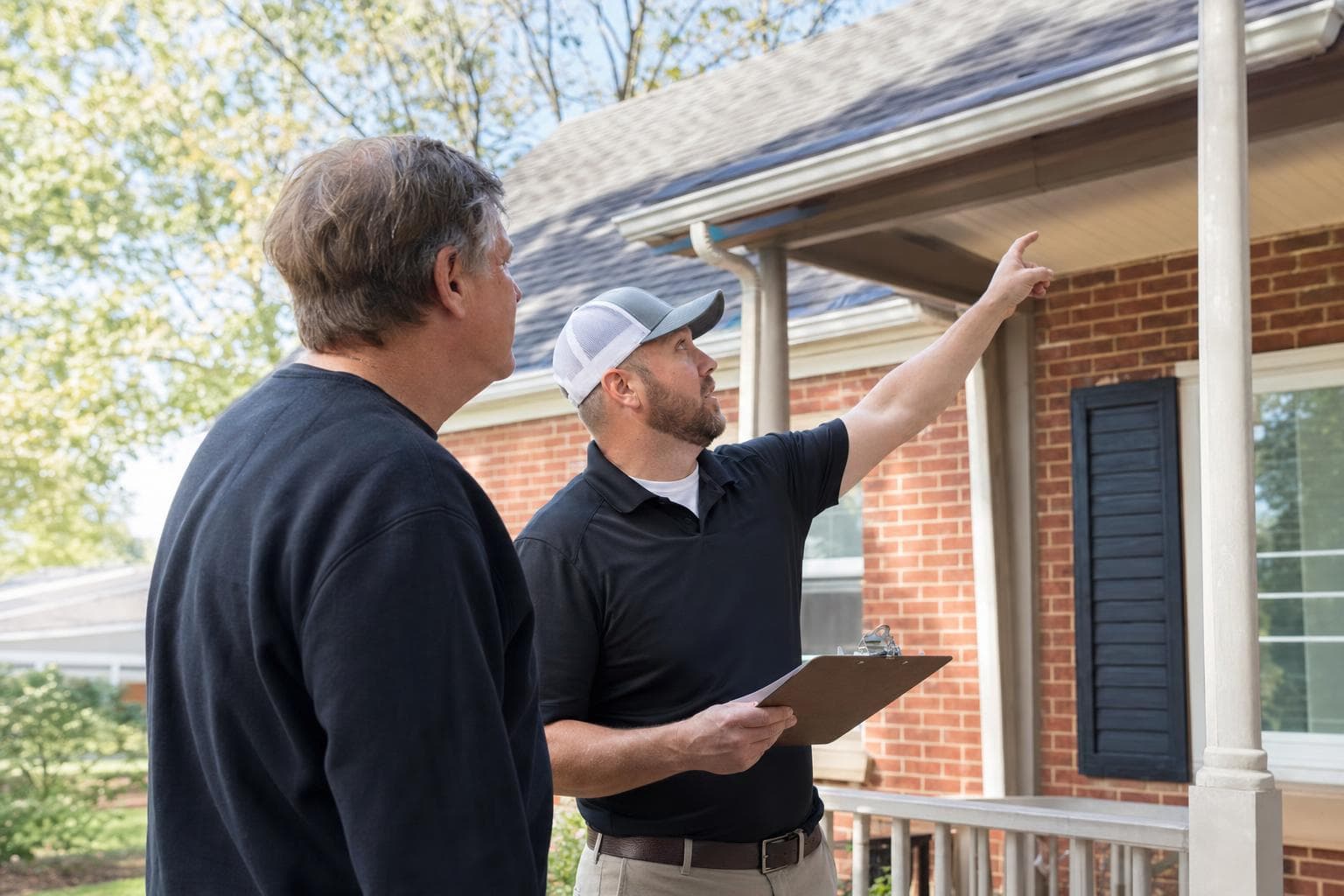
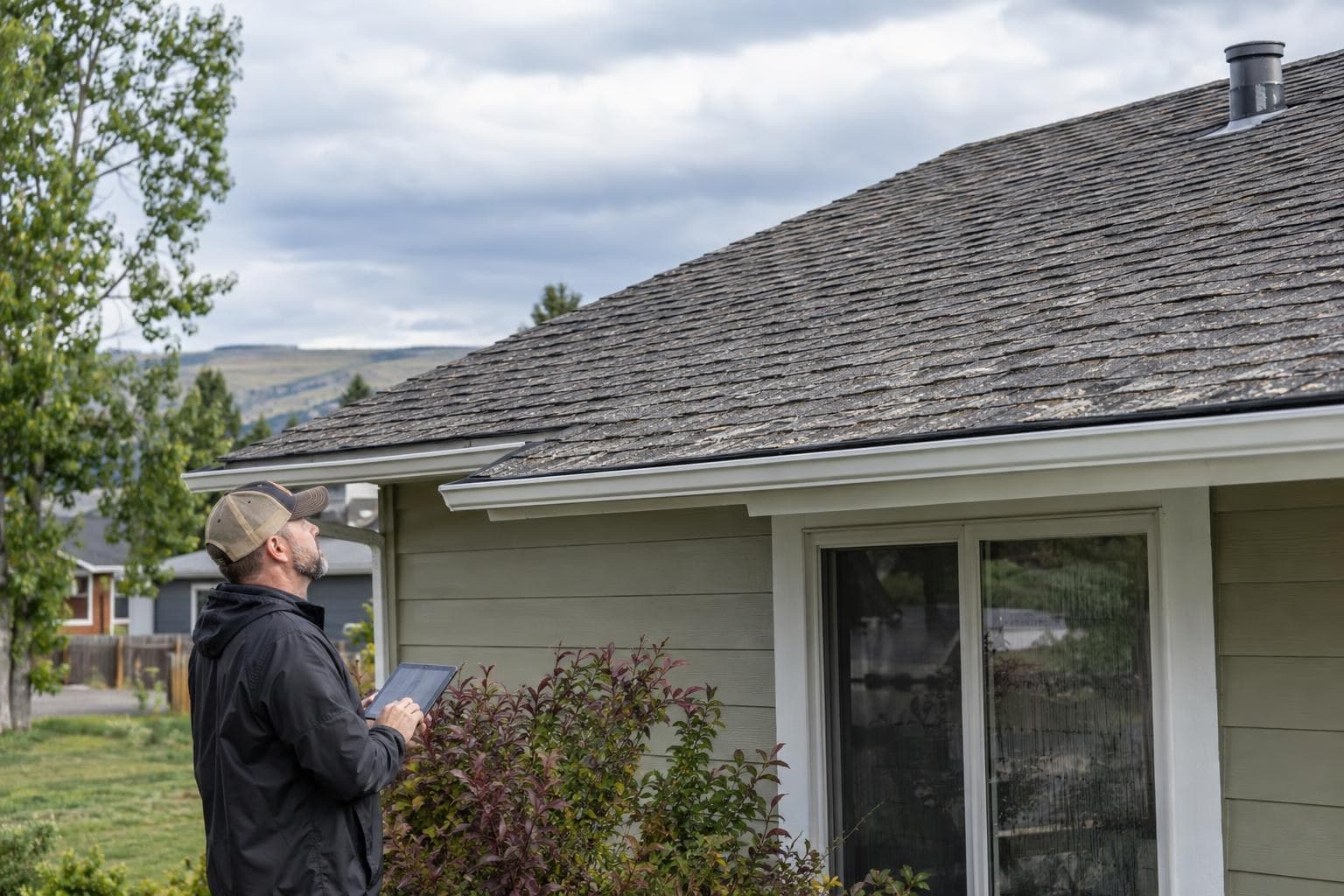
You should get your roof inspected when it is showing age, after a strong storm, when you see an interior leak, or before you decide between repair and replacement. An inspection is especially useful in Connecticut because water can enter at details that are not obvious from the ground. If you move forward with work, use a local contractor whose credentials you verified and check state registration before hiring. The Department of Consumer Protection says all Home Improvement Contractors, New Home Construction Contractors, and Home Improvement Salespeople must be registered with the Department of Consumer Protection, and it tells consumers to verify licenses and registrations before hiring. It also says contractors are required to be registered before advertising or beginning home improvement work. Ask for references, ask about experience with the kind of roofing work you need, and keep copies of contracts, receipts, permits, and written communication.
Sources
- Asphalt Roofing Manufacturers Association: Residential Asphalt Roofing Manual: Ventilation Best Practices
- Insurance Institute for Business & Home Safety: Natural Weathering and Hazard Exposure
- Connecticut Insurance Department, Homeowners Storm Claims
- Connecticut Department of Consumer Protection, Home Improvement for Consumers
Reviewed technical references for Connecticut
Related Connecticut roofing guides
Related services
Updated July 27, 2026
3D Roofs Editorial Team
Editorial Standards