Updated July 10, 2026

3D Roofs Editorial Team
Editorial Standards
In Delaware, a shingle roof can last for many years, but weather stress often decides whether it reaches a normal lifespan or ages out early. Hurricanes, coastal storms, heavy rain, and strong wind can lift shingles, push water under roof coverings, and turn small flashing issues into leaks. Humidity also keeps roof surfaces damp longer, which can shorten the life of aging materials and encourage staining or deterioration around vulnerable areas. If you want your roof to last, the key is simple: catch small problems early, fix storm damage fast, and know when wear has moved beyond spot repair.
How long does a shingle roof last in Delaware?
A shingle roof in Delaware lasts as long as its materials, installation quality, ventilation, and storm exposure allow. The direct answer is that Delaware weather can shorten roof life compared with calmer, drier places because your roof takes repeated hits from wind, rain, humidity, and coastal storm conditions. That does not mean every roof fails early. It means the real lifespan depends on how well the roof sheds water, how often it has been repaired, whether shingles stay sealed after storms, and how quickly you address damage when it shows up.
What Delaware weather shortens shingle roof life?
The biggest lifespan reducers in Delaware are wind, water, and lingering moisture. Strong wind can break the seal on shingles, crease tabs, or pull shingles loose at edges and ridges. Heavy rain can exploit tiny gaps around flashing, vents, chimneys, and valleys. Hurricanes and coastal storms can combine wind and water, which is when minor roof issues often turn into interior leaks. Humidity matters too, because damp roof surfaces can stay wet longer, especially in shaded areas. Over time, that extra moisture can speed up staining and deterioration where the roof is already vulnerable.
- Wind can lift or crease shingles and expose nail lines or underlayment.
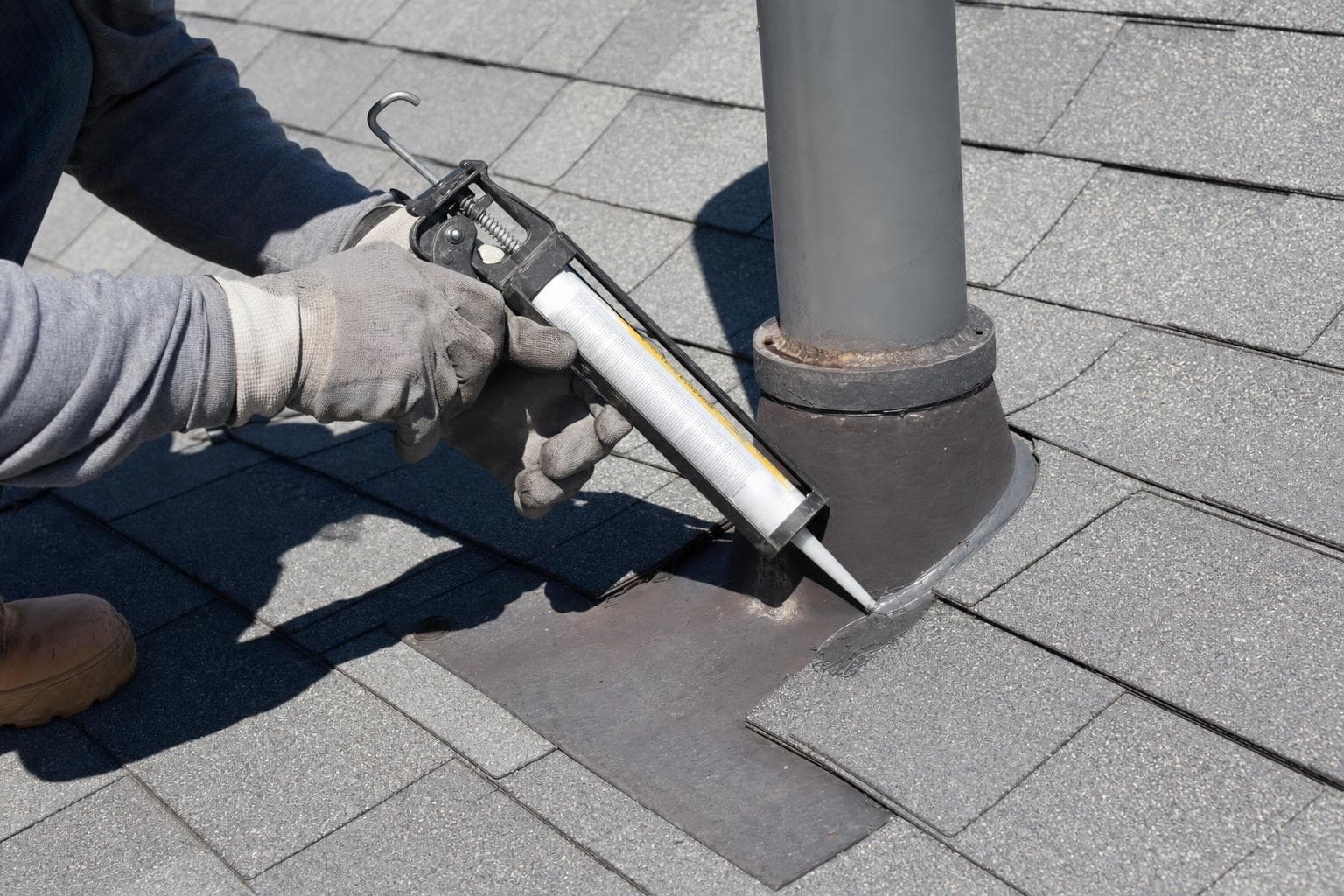
- Heavy rain can push water through flashing gaps, valleys, and roof penetrations.
- Coastal storms can turn small roof flaws into active leaks fast.
- Humidity can keep surfaces damp longer and worsen aging in already weak areas.
- Delayed storm repairs can let water spread deeper into the roof system and home.
What makes a shingle roof wear out faster than it should?
The main causes of early wear are missed maintenance, repeated storm hits, poor attic ventilation, and patchwork repairs on an already failing roof. When loose shingles, lifted flashing, exposed nails, or small leaks go untreated, the roof usually keeps deteriorating between storms. One bad section can also stress nearby sections. If the roof has seen multiple repairs over time, you may reach a point where you are paying to manage symptoms instead of solving the problem. In that situation, an inspection gives you a clearer answer on whether another repair is worth it.
Talk to a roofer today
Planning ranges, scope details, and a direct path to request a roofing quote.
How can you tell your shingle roof is aging out?
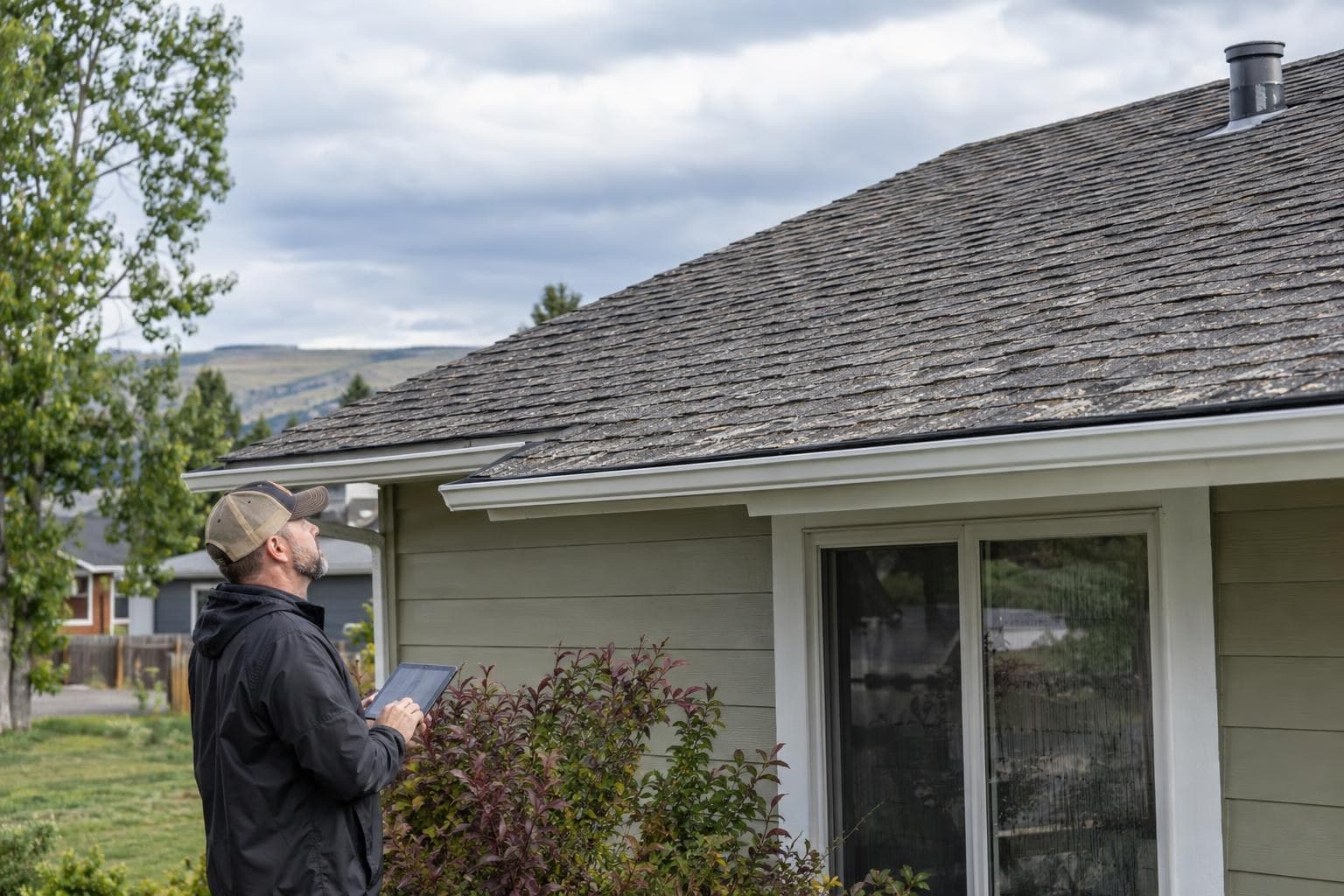
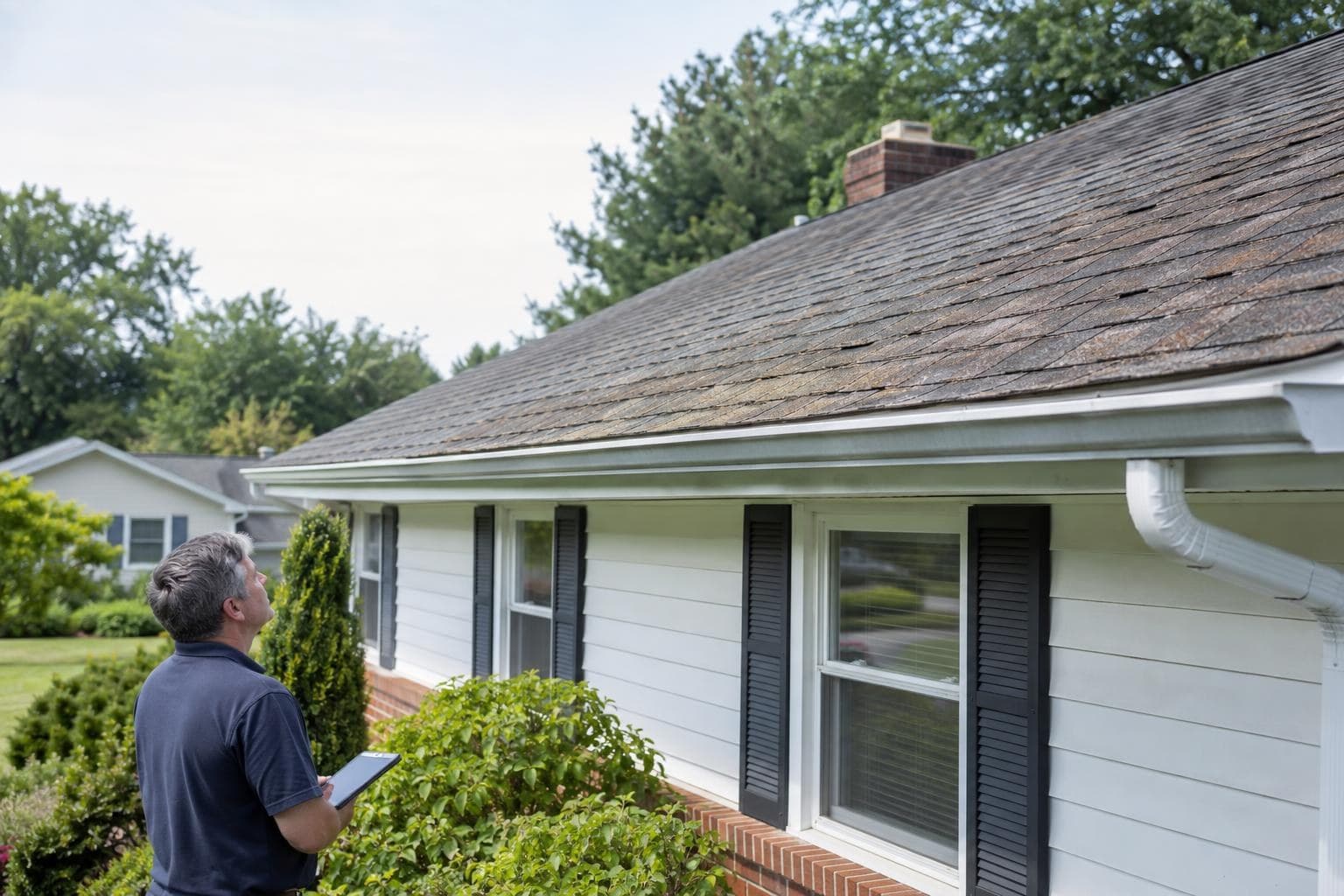
You can usually tell a shingle roof is aging out when wear is widespread, not isolated. The most common signs are shingles that are curling, cracking, loosening, or going missing after storms. You may also see repeated leaks in different areas, dark streaking or damp-looking sections that do not dry quickly, or flashing areas that keep reopening. Inside the house, water stains in ceilings or attic moisture can point to a roof system that is no longer holding up consistently.
- Shingles are curling, cracking, balding, or slipping out of place.
- You keep replacing a few shingles after each major storm.
- Leaks return, or new leaks show up in different rooms.
- Flashing around chimneys, walls, or vents keeps failing.
- The roof looks uneven, patchy, or heavily repaired.
- Staining or damp areas linger longer because humidity slows drying.
Should you repair an aging roof or replace it?
If damage is limited and the rest of the roof is still sound, repair often makes sense. If problems are widespread or keep returning, replacement is usually the better long-term move. But if your roofer finds broad shingle failure, repeated water intrusion, or large sections with wind damage, putting more money into patch repairs can stop making sense.
For a shingle condition and replacement plan in Delaware, start with current Delaware cost data, then test the planning range against a measured proposal that names the complete roof assembly. For a shingle condition and replacement plan in Delaware, require the written schedule to account for roof geometry, access, weather protection, material handling, inspections, and possible deck work.
Is a stronger shingle worth it in Delaware?
For many Delaware homeowners, a stronger shingle is worth considering because storm exposure is part of the local wear pattern. If you are replacing the roof anyway, ask about Class 4 rated shingles and whether your carrier offers any savings. For a shingle condition and replacement plan in Delaware, treat any impact-resistant roof credit as unconfirmed until the insurer identifies the eligible product, required documentation, premium portion, and amount in writing. The practical step is to confirm the product rating, keep the product paperwork, and ask your carrier what documentation they want before you replace the roof.
What should you do after a Delaware storm to protect roof life and your claim?
The first step is to prevent further damage, document what happened, and avoid signing a full repair contract too soon. Delaware's storm preparedness guidance says, "The policy requires the policyholder to protect the property from further damage." After a storm, that can mean arranging temporary protection like covering roof openings and keeping records of what you spent. State guidance also says you may need to make immediate temporary repairs after a storm, keep all bills and receipts, and "Do not contract for repairs, other than temporary repairs, prior to agreement with the claim adjuster or agent." It also says, "Do not be rushed into signing repair contracts."
Good documentation helps too. Delaware tells homeowners to photograph damage, keep receipts and old records, and make a list of damaged items and structural issues, including missing roof tiles and other visible building damage. The same guidance says the more information you have, the faster your claim generally can be settled. If the damage has made your home unsafe or unlivable, tell your carrier clearly when you report the loss, because Delaware's storm guidance says homes with severe structural damage may be given first priority.
How do you choose the right roofer for a Delaware roof inspection or replacement?
Start with a local roofer you have vetted, then confirm the business details before you sign anything. In Delaware, roofing falls under construction services, and state guidance says businesses that perform construction services must be registered with the Delaware Department of Labor's Office of Contractor Registration before work begins in the state. State guidance also says contractors conducting business activity in Delaware are required to register with and obtain a business license from the Delaware Division of Revenue. Ask your roofer for the exact business name they use for registration, confirm they appear in the state's contractor registry, and confirm they hold a Delaware business license. You should also review the written scope, materials, cleanup terms, and payment terms before signing.
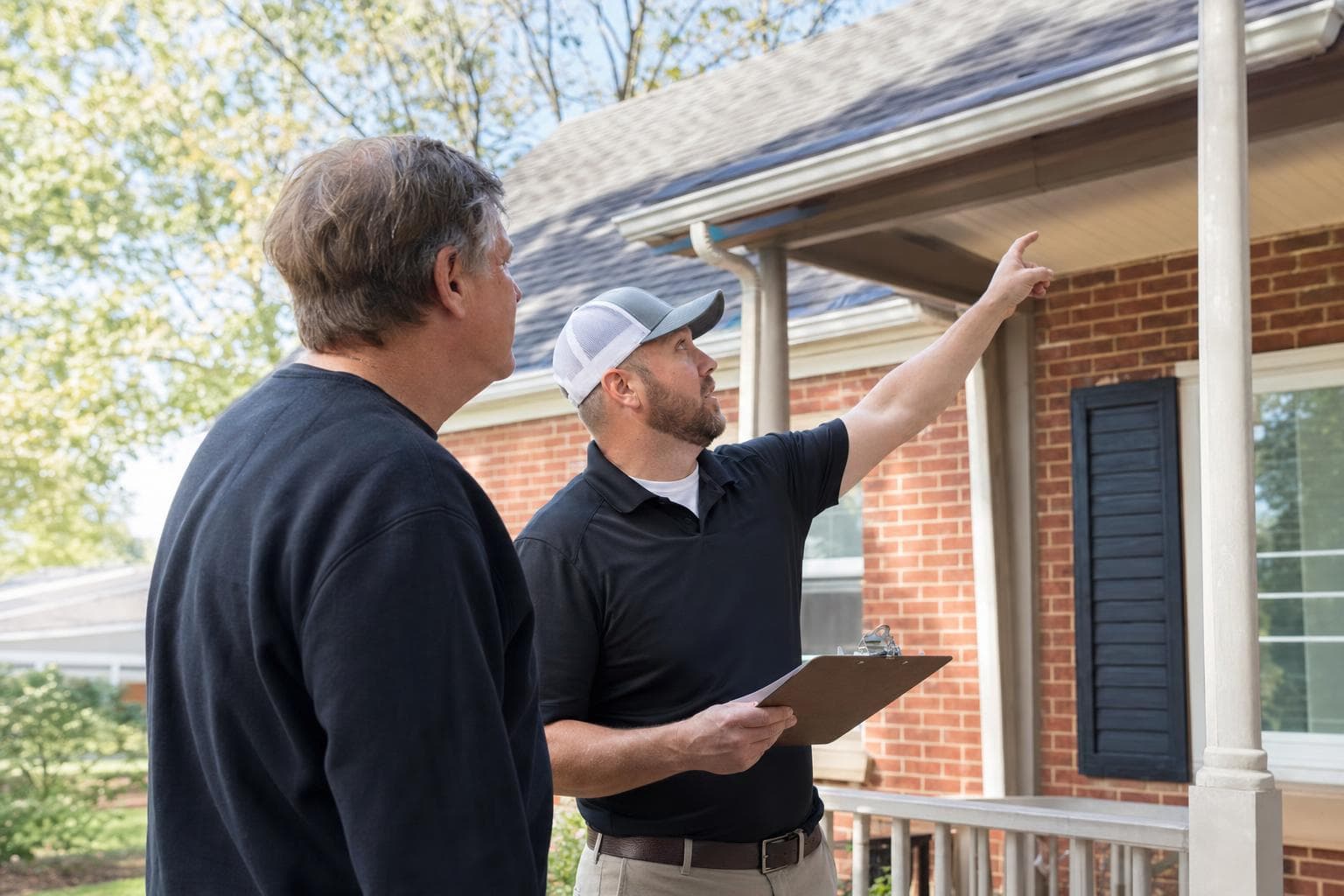
If your shingle roof has started showing storm wear, recurring leaks, or widespread aging, do not wait for the next round of wind and rain to make the decision for you. A roof inspection can tell you whether you still have repair life left or whether replacement is the smarter move now. The goal is simple: protect your home before a small roof problem turns into interior damage that costs more to fix.
Sources
Reviewed technical references for Delaware
Related Delaware roofing guides
Related services
Updated July 10, 2026
3D Roofs Editorial Team
Editorial Standards