Updated July 10, 2026

3D Roofs Editorial Team
Editorial Standards
A shingle roof in Idaho can last a long time, but the real answer depends on storm exposure, ventilation, drainage, installation quality, and how quickly you handle damage. Idaho weather can stress a roof in several ways. The state insurance guidance highlights wildfires, severe thunderstorms, high winds, and heavy precipitation from rain or snow as common disaster threats. For your roof, that means wind can loosen or lift materials, heavy precipitation can expose drainage and flashing weak points, and wildfire risk can make roof material choice more important, especially in more rural areas. If you want the longest life from your roof, routine cleanup, tree trimming, and fast repair after a storm matter as much as the shingle itself.
How long does a shingle roof last in Idaho?
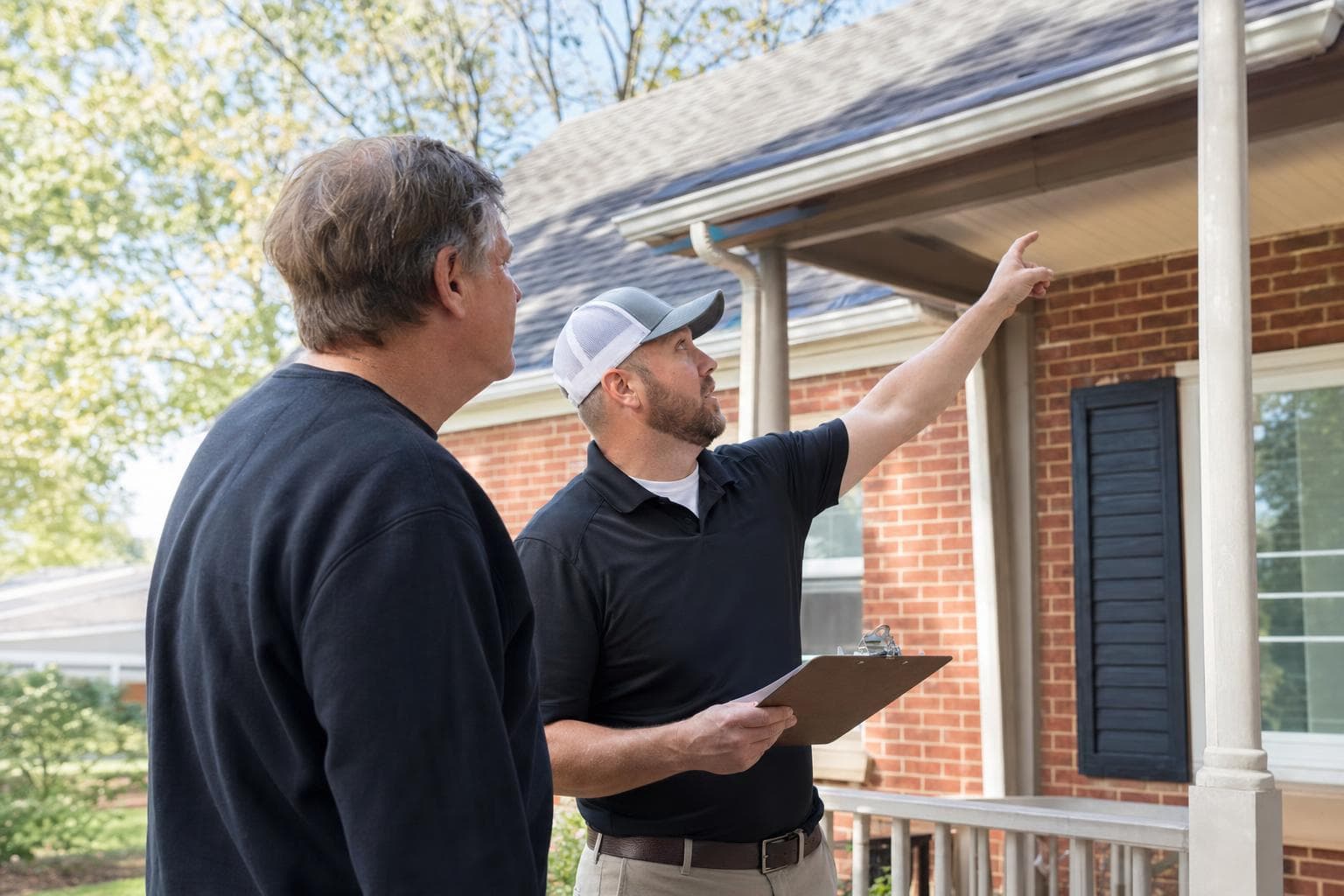
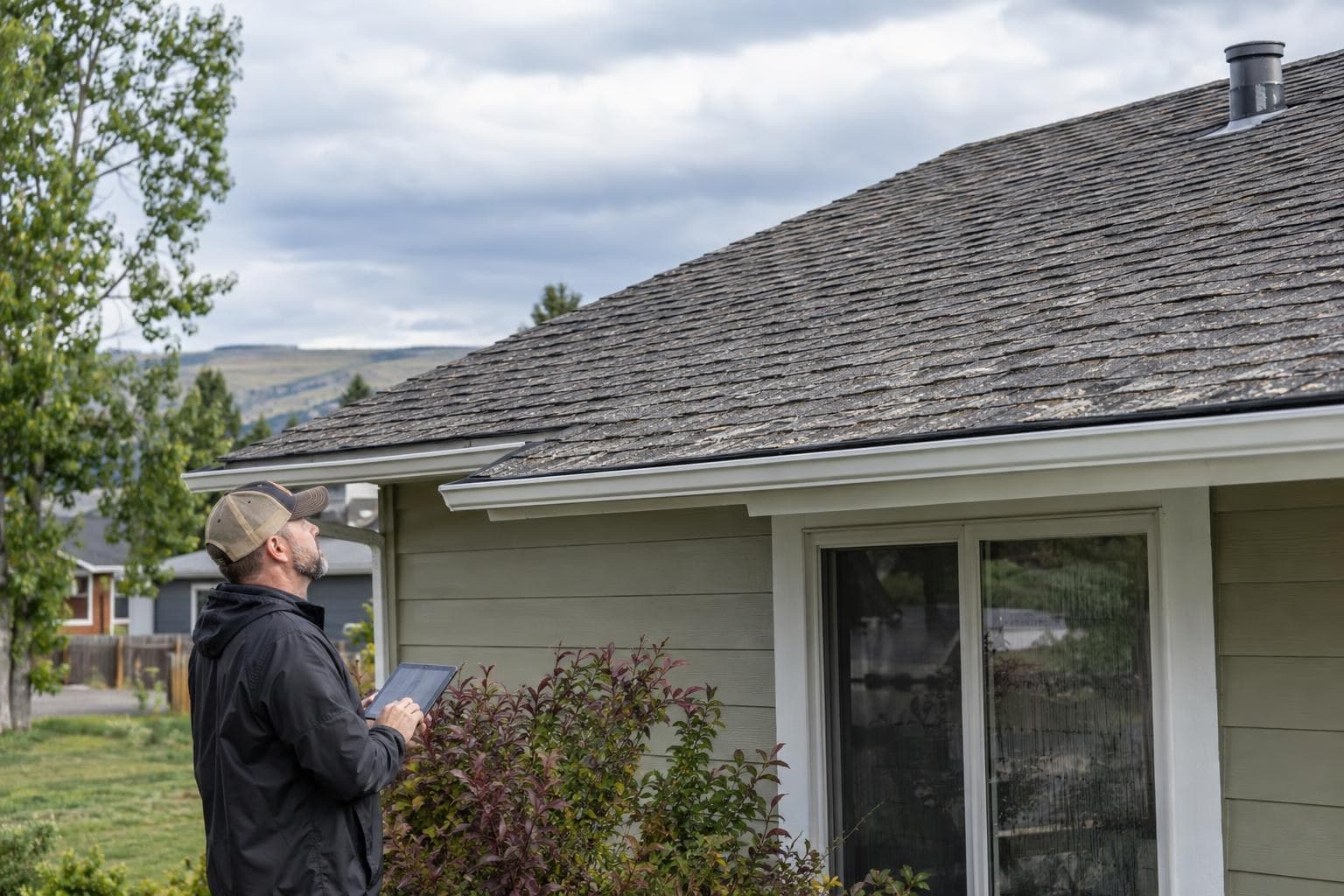
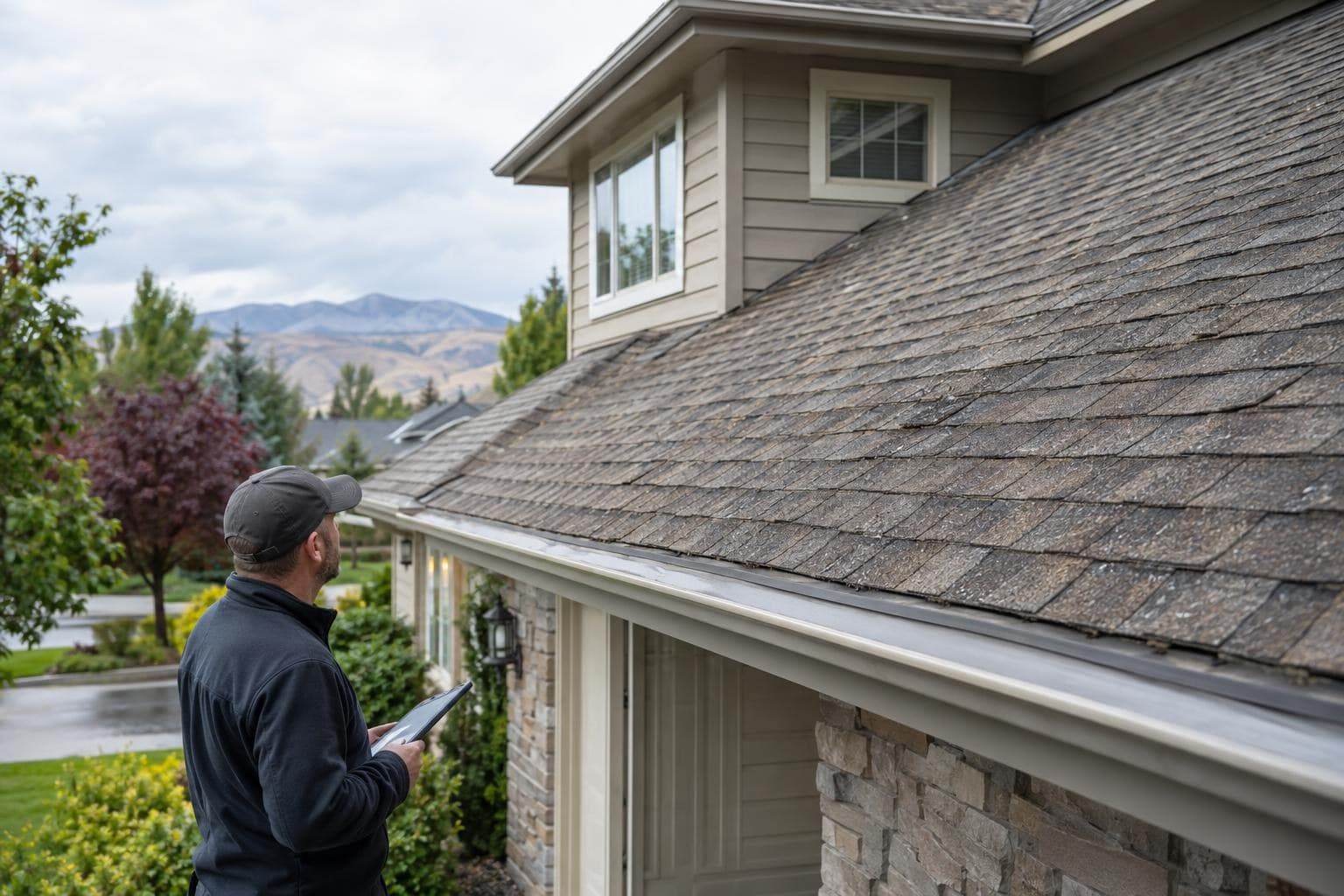
It depends on how hard your roof gets hit by wind, precipitation, and temperature swings, but in Idaho, climate stress often matters more than the calendar. A roof on a protected home with good attic airflow and consistent maintenance will usually outlast a roof that deals with repeated wind events, backed-up drainage, overhanging trees, or neglected flashing. That is why a roof can look fine from the ground but already be aging faster around valleys, penetrations, and eaves. If you want a more exact answer for your home, an inspection is the practical next step because visible wear patterns tell more than a generic lifespan estimate.
What Idaho weather shortens a shingle roof's life?
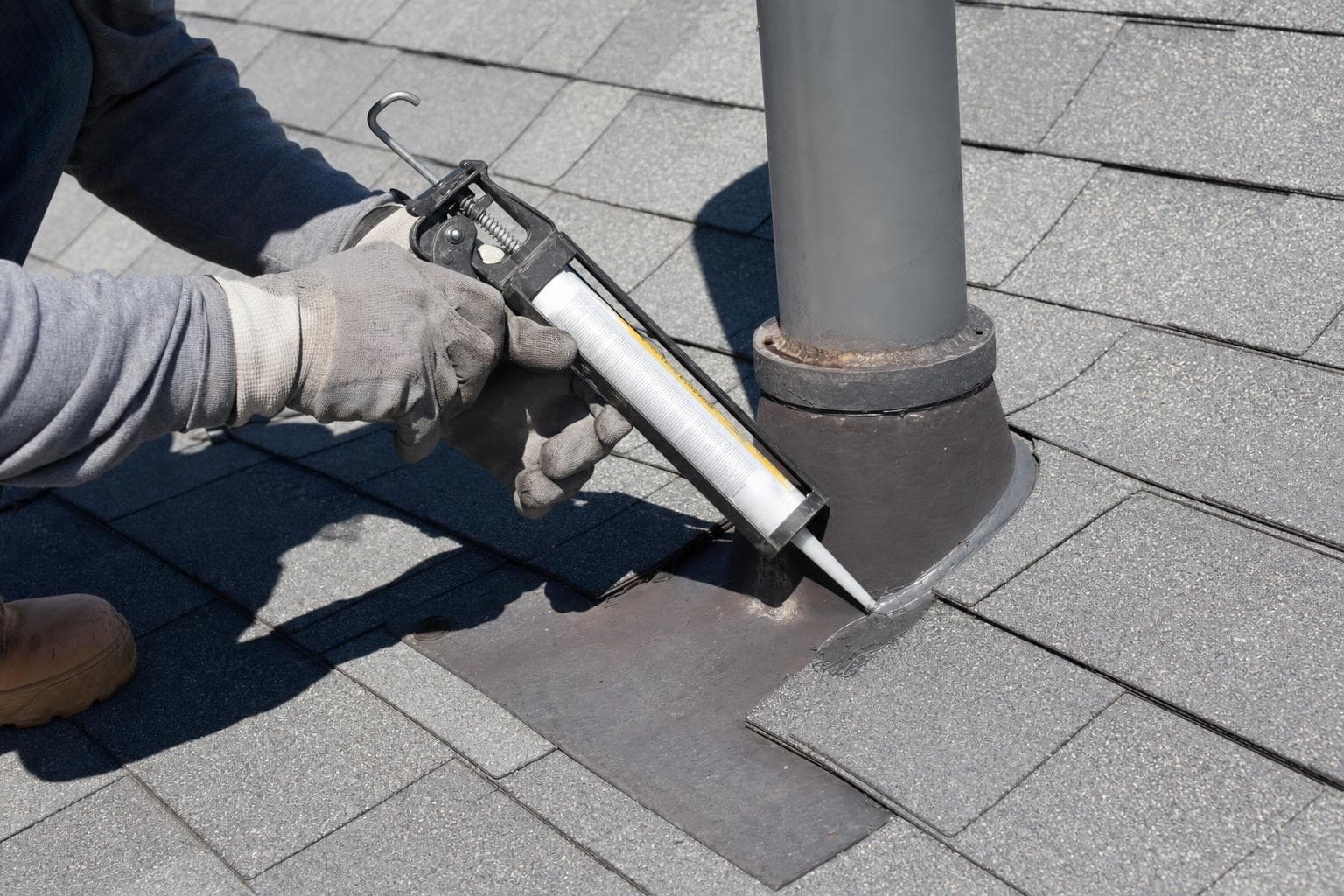
Wind, severe thunderstorms, heavy rain, snow, and wildfire exposure are the main Idaho conditions that can shorten a shingle roof's life. High winds can loosen or lift shingles, especially on ridges, edges, and older seal strips. Heavy precipitation can expose weak points in flashing, valleys, pipe boots, and drainage paths. Snow and ice can keep moisture on the roof longer, which makes small defects more likely to turn into leaks. In more rural areas, wildfire risk can also affect material choice, especially if you are already considering replacement. Even when a storm does not cause an obvious leak right away, it can start damage that gets worse over time.
What causes shingles to wear out faster than expected?
Poor ventilation, standing debris, tree rub, delayed repairs, and repeated storm hits are common reasons shingles age out early. When heat and moisture build up in the attic, shingles can cook from below and lose life faster. When leaves and branches collect in valleys or near roof edges, water can back up and work into vulnerable spots. Trees that shade the roof too heavily can hold moisture, and branches that scrape the surface can wear granules off. Small issues also become expensive when they are ignored.
Talk to a roofer today
Planning ranges, scope details, and a direct path to request a roofing quote.
What are the signs your shingle roof is aging out?
The biggest signs are curling, cracking, missing shingles, granule loss, repeated leaks, and soft spots in the roof system. You may also notice lifted tabs after wind, exposed fiberglass mat, damaged flashing, or dark streaks where moisture tends to linger. Inside the home, water stains in the attic or on ceilings can point to aging roof components even when the shingles still look acceptable from the yard. If the same area keeps needing attention, that usually means the roof is moving from repair territory into replacement territory. Aging roofs often fail in clusters, not one perfect warning at a time.
- Shingles that curl, crack, or look brittle
- Bald spots or heavy granule buildup in gutters
- Missing shingles or lifted tabs after wind
- Leaks around chimneys, vents, skylights, or valleys
- Soft decking underfoot or visible sagging
- Repeated repairs in the same roof section
Should you repair the roof or replace it?
Repair makes sense when the damage is limited and the rest of the roof is still in solid condition. Replacement makes more sense when problems are widespread, the roof is leaking in multiple areas, or the shingles are clearly nearing the end of service. In Idaho, storm damage can create a situation where a roof looks repairable at first but has enough scattered lifting, creasing, or water entry points to justify a closer replacement discussion. A local roofer you have vetted can tell you whether the issue is isolated or whether the system is failing in multiple places.
What does a new roof cost in Idaho if your shingles are worn out?
For a shingle condition and replacement plan in Idaho, start with current Idaho cost data, then test the planning range against a measured proposal that names the complete roof assembly. For a shingle condition and replacement plan in Idaho, require the written schedule to account for roof geometry, access, weather protection, material handling, inspections, and possible deck work. If you are replacing an aging shingle roof and want better impact resistance, ask your carrier whether it offers a discount for a Class 4 rated product and what documentation it requires. The Idaho sources provided do not give a state-specific rule on Class 4 roof discounts. Carriers set their own discounts, so you should confirm availability and terms directly with your insurer before you choose materials. For broader budgeting, you can compare these numbers with the full local pricing on the Idaho cost page and the calculator.
What should you do after storm damage in Idaho?
Document the damage early, protect the home from further loss, and keep every receipt. Idaho's insurance guidance tells homeowners to take photos or video of the initial damage, avoid throwing damaged items out before the adjuster advises you to do so, and mitigate the damage to keep the property from sustaining additional damage once a loss has occurred. It also says to keep all receipts for mitigation for possible reimbursement. For a roofing claim, that means you should document the roof damage early and save receipts for temporary protection work. After a claim is filed, the Idaho Department of Insurance says the adjuster investigates the loss, reviews the policy, and may hire appraisers, engineers, or contractors to help evaluate damage. The guidance also says that if you have chosen a contractor, it is common for the claims adjuster to discuss the scope and estimate of damage with your chosen contractor and make a plan to move forward with repairs. That gives you a practical reason to have your roofer document the damage clearly.
How do roof insurance payments and matching issues affect replacement decisions?
Your policy terms can change both your timing and your expectations. Idaho's consumer guidance says you should ask whether your policy provides coverage for Replacement Cost or Actual Cash Value. It explains that if your policy provides Replacement Cost coverage, it is common for the insurance company to pay the Actual Cash Value up front, then pay the depreciated amount once repairs are completed or damaged items are replaced. If your roof claim is covered, that payment structure can affect your out of pocket timing during the job. Idaho also says your policy might not pay to match undamaged portions of items involved in your claim, including roof shingles, and that matching is often addressed in the policy provisions. If only one roof area is damaged, you should ask your adjuster to show you the policy language that addresses matching before you assume a full uniform replacement will be covered.
How do you protect the life of your next shingle roof?
Keep it clean, trim trees back, fix storm damage quickly, and have it inspected when you see any sign of change. Those basic steps help limit the weather-related issues Idaho roofs face most often. If you are hiring help, confirm that your roofer is registered through the state's Contractors Board and review whether any formal actions appear in the board's discipline resources. Also read any contract carefully before signing. The best time to act is when damage is still contained, not after a minor issue turns into decking, insulation, or interior repairs.
Sources
Reviewed technical references for Idaho
Related Idaho roofing guides
Related services
Updated July 10, 2026
3D Roofs Editorial Team
Editorial Standards