Updated July 27, 2026

3D Roofs Editorial Team
Editorial Standards
A shingle roof in Illinois can last a long time, but the real answer depends on storm damage, winter stress, ventilation, and installation details. Illinois roofs get worked from both ends of the calendar. Warm-season thunderstorms drive hail and damaging straight-line winds that bruise shingles and strip granules, and the state ranks among the most tornado-prone in the country. Then winter takes over with heavy snow loads, ice dams along the eaves, and repeated freeze-thaw swings that pry at seams, flashing, and any shingle that is already worn. Humid summers add heat and moisture that age a roof faster, so ventilation and flashing detail matter as much as the shingle you pick.
How long does a shingle roof last in Illinois?
There is no single Illinois lifespan that applies to every shingle roof. Product, installation, ventilation, maintenance, and exposure all matter, and a severe storm or recurring ice-dam problem can change the condition quickly. A roof that looks intact from the yard may still need attention around shingle edges, flashing, penetrations, and concealed moisture paths. For a realistic estimate of remaining service life, compare the roof's age and product documentation with its current condition, storm history, attic environment, and repair record.
What makes Illinois harder on shingles?
The short answer is impact, wind, moisture, and freeze-thaw stress. Hail can bruise shingles and knock off protective granules. Straight-line winds can lift tabs, break seals, and expose nail lines. Snow and ice dams can force water back under the roof edge. Repeated freeze-thaw swings can widen small gaps around flashing, vents, and seam points until a minor weak spot becomes a leak path. Add humid summer heat, and shingles can age faster from both above and below if attic ventilation is poor. In Illinois, the shingle itself matters, but the roof system around it matters just as much.
What shortens the life of a shingle roof the fastest?
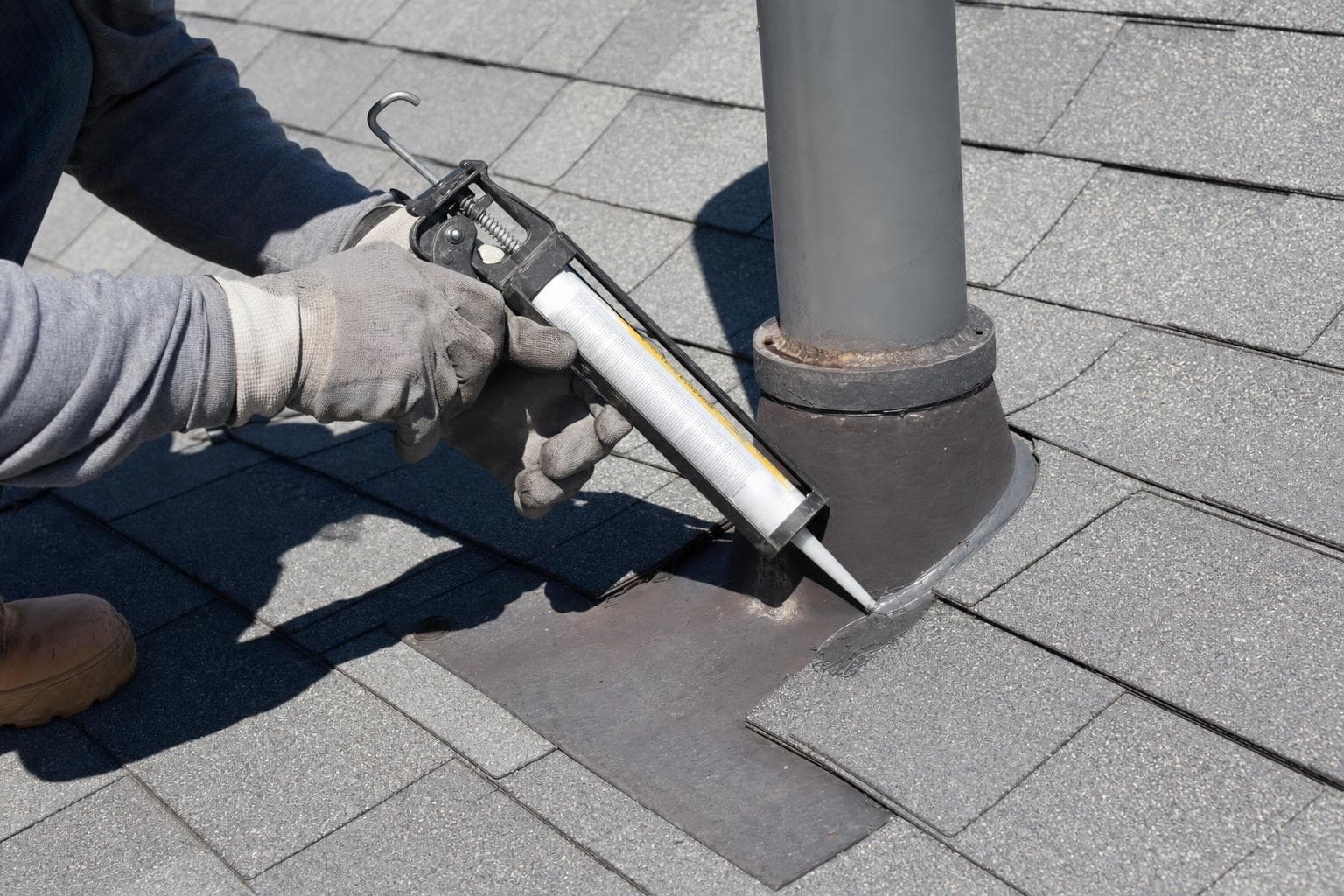
Storm damage usually does it fastest, but poor ventilation, bad flashing work, and delayed repairs are close behind. A hail hit may not cause an immediate leak, yet it can bruise the mat and strip granules so the roof starts aging faster from that point on. Wind can loosen shingles enough that the next storm does the real damage. Ice dams can push water into areas that were never meant to hold it. Small flashing failures around chimneys, walls, skylights, and pipe boots can also shorten roof life because they let moisture into the system before the shingles themselves are fully worn out.
- Hail bruising and granule loss
- Wind-lifted or unsealed shingles
- Ice dams at the eaves
- Freeze-thaw movement at flashing and roof penetrations
- Poor attic ventilation that traps heat and moisture
- Patchwork repairs that leave weak transitions
- Skipping inspections after major storms
Talk to a roofer today
Planning ranges, scope details, and a direct path to request a roofing quote.
How can you tell if your Illinois roof is aging out?
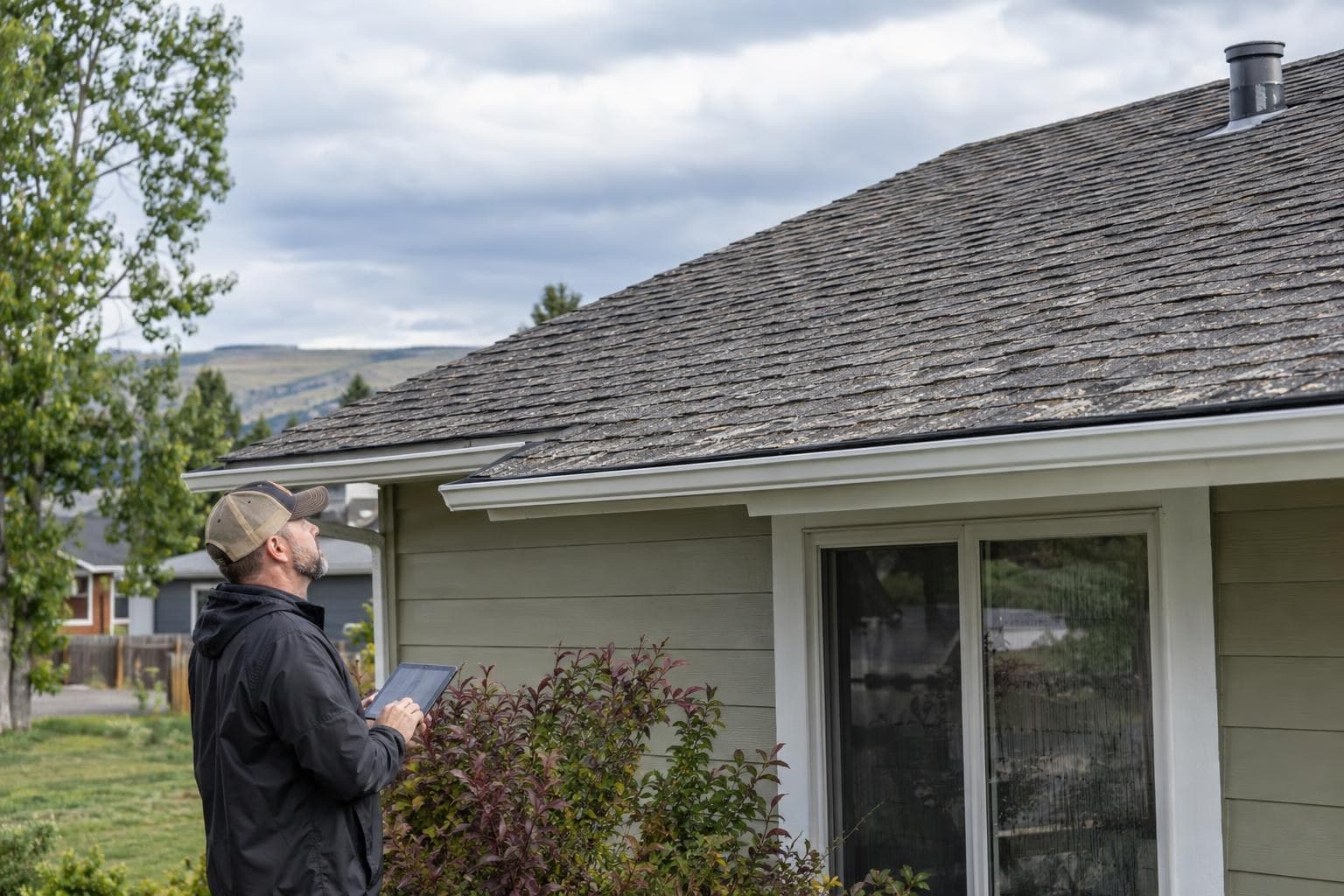
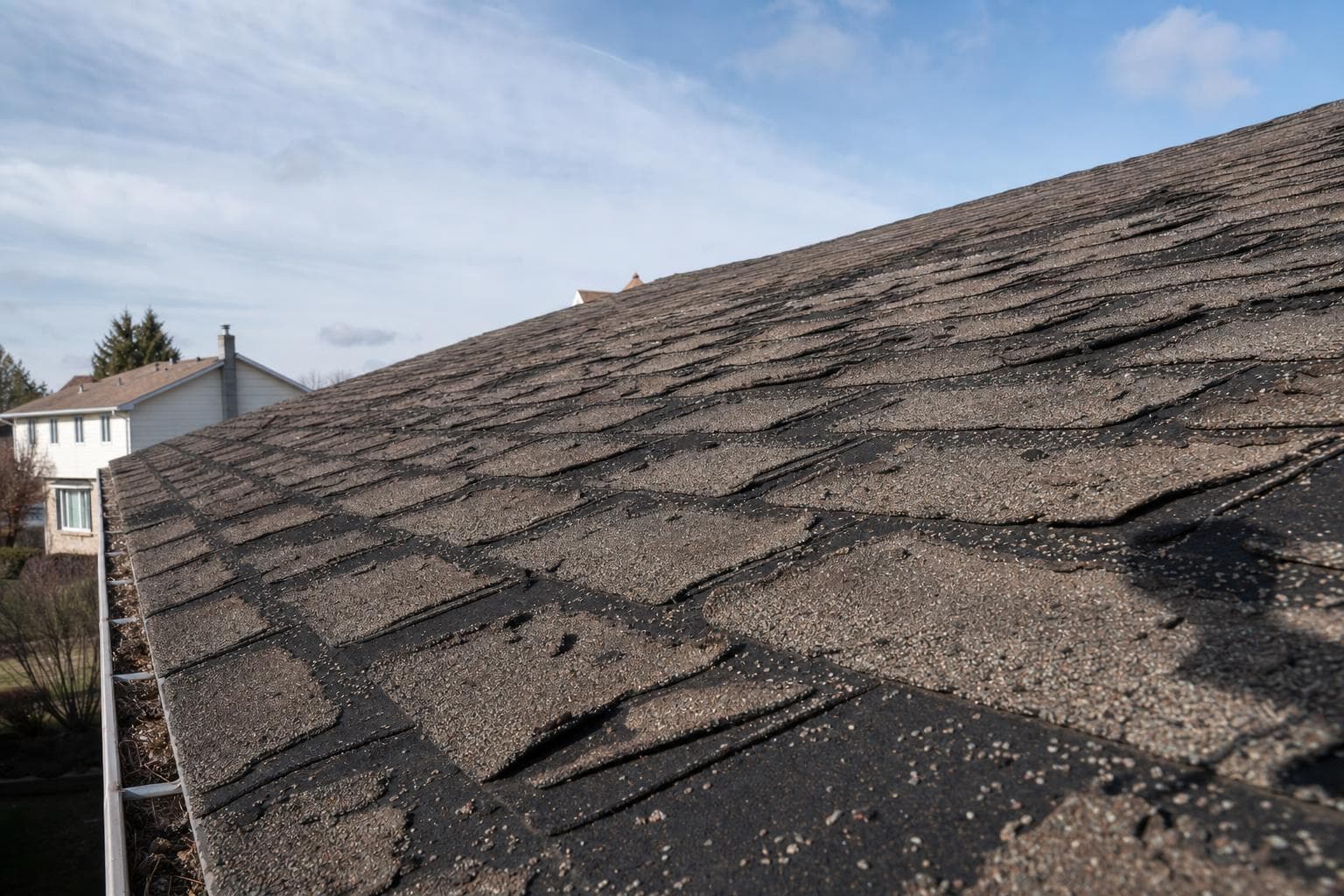
You can usually tell by looking for a pattern, not a single defect. A roof is often aging out when shingles are losing granules across broad sections, edges are curling, tabs are cracking, seal strips are failing, and repairs keep stacking up in different areas. Indoors, you may notice stains in the attic, damp insulation, or signs that moisture is getting in around vents and valleys. Outside, the more uneven the wear looks, the more likely the roof has moved past a simple maintenance issue and into replacement territory.
- Widespread granule loss, not just a few bare spots
- Curled, brittle, cracked, or split shingles
- Repeated leaks after storms or snow events
- Soft spots or signs of trapped moisture in the decking
- Damaged flashing at walls, chimneys, skylights, or vents
- Shingles missing after wind events
- A roof that has several repair areas and keeps needing more
When is repair still worth it, and when is replacement the smarter move?
Repair is usually worth it when the damage is isolated and the rest of the roof is still in solid shape. Replacement is the smarter move when wear is widespread, storm damage affects multiple slopes, or the roof has reached the point where one repair leads to another. For current Illinois planning prices related to shingle roof lifespan, use the cost guide and calculator, then compare the contractor's property-specific written scope. But if you are dealing with recurring leaks, broad granule loss, or visible aging across the roof, a replacement often gives you a better long-term outcome than chasing problems one section at a time.
Should you consider impact-resistant shingles in Illinois?
Yes, they are worth comparing if your home has meaningful hail exposure. Class 4 shingles are worth comparing on Illinois homes with meaningful hail exposure. Verify the exact product's current UL 2218 classification and ask how starter, ridge products, underlayment, flashing, and ventilation are specified. The rating does not guarantee freedom from all damage or establish a policy credit. Ask the carrier in writing about product eligibility, documentation, cosmetic-damage terms, and any separate wind or hail deductible before choosing the upgrade.
For shingle roof lifespan in Illinois, any insurance credit depends on the carrier, policy, address, and exact product; get the amount and documentation requirements from the insurer in writing. If you want a deeper price breakdown for your area, full local pricing lives on the Illinois cost page and the calculator.
What should you do if a storm may have shortened your roof's life?
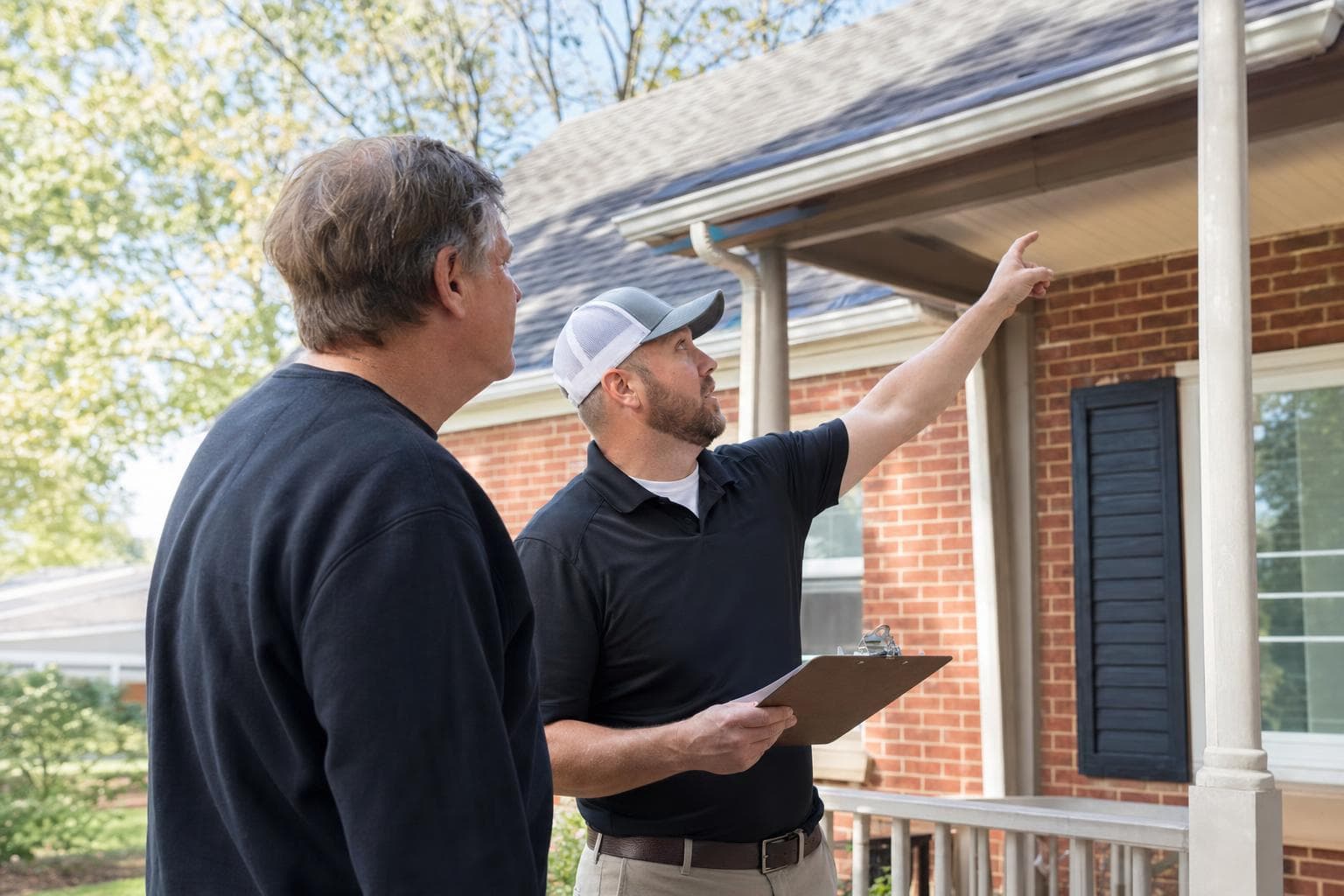
Get it inspected early, document what you see, and do not wait for an obvious interior leak. Hail and wind damage often shortens roof life before water shows up indoors. Take photos from the ground if it is safe, note the date of the storm, and have a roofing contractor you are considering inspect the roof for bruising, lifted shingles, flashing damage, and soft spots. If insurance may be involved, remember that your roofer can't pay your deductible, or run your claim for you. Illinois's Home Repair and Remodeling Act (815 ILCS 513/18) bars a contractor from advertising or promising to pay or rebate any part of your insurance deductible to win the job, and it bars them from representing you on a roofing insurance claim. They can give you an estimate, meet with your adjuster, and walk you through options, but a "free roof, we'll eat your deductible" pitch is against the law and a classic storm-chaser red flag.
How do you choose the right roofer for an aging roof in Illinois?
Start by verifying the state roofing license and getting the scope in writing. Under the Illinois Roofing Industry Licensing Act (225 ILCS 335), anyone doing roofing work in Illinois must hold a state roofing contractor license issued by the Illinois Department of Financial and Professional Regulation (IDFPR). Licenses come in two flavors: Limited (residential buildings of eight units or fewer) and Unlimited (residential, commercial, and industrial). Working without one is illegal and can draw fines and cease-and-desist orders, so this is a real, checkable credential, not a marketing word.
For any home repair or remodeling job over an amount that must be confirmed for the written scope, Illinois requires a written contract spelling out the cost, materials, and the contractor's contact details, plus a signed copy of the state's "Home Repair: Know Your Consumer Rights" brochure. For shingle roof lifespan in Illinois, ask the insurer and state insurance regulator for the current notice, proof-of-loss, inspection, acknowledgment, and decision deadlines that apply to the claim. For shingle roof lifespan in Illinois, ask the contractor to put the expected working days and weather plan in writing; timing depends on roof size, material, access, crew scheduling, and conditions found after tear-off. Before you sign, make sure the written scope covers tear-off, decking, underlayment, flashing, ventilation, and cleanup.
Sources reviewed
- Home Repair and Remodeling Act, Sec. 18 (815 ILCS 513/18)
- IDFPR – License Lookup (verify a roofer)
- UL Solutions: UL Solutions and IBHS Drive Trust in Residential Roofing Shingles
- Asphalt Roofing Manufacturers Association: Residential Asphalt Roofing Manual: Ventilation Best Practices
- Insurance Institute for Business & Home Safety: Natural Weathering and Hazard Exposure
Plan with current pricing
Related services
Updated July 27, 2026
3D Roofs Editorial Team
Editorial Standards