Updated July 27, 2026

3D Roofs Editorial Team
Editorial Standards
A shingle roof in Indiana can last a long time, but the real answer depends on weather exposure, installation quality, ventilation, and how quickly small problems get fixed. Indiana roofs deal with year-round weather stress. Wind, hail, heavy rain, snow, ice, and freeze-thaw cycles can all shorten roof life or turn a small weak spot into a leak. Seasonal swings can also wear out shingles, flashing, sealants, and roof penetrations over time. That means your roof might age on schedule, or it might wear out early if storms and moisture keep working on the same weak spots.
How long does a shingle roof last in Indiana?
In Indiana, a shingle roof lasts as long as its condition allows, not just as long as the product label suggests. Climate matters here. Wind can lift edges, hail can bruise or crack shingles, and freeze-thaw cycles can widen small gaps around flashing and penetrations. If your attic ventilation is poor, heat and moisture can also speed up shingle wear from underneath. The practical takeaway is simple: some roofs age evenly and give you years of service, while others start failing early because Indiana weather keeps hitting the same weak areas.
What shortens the life of a shingle roof in Indiana?
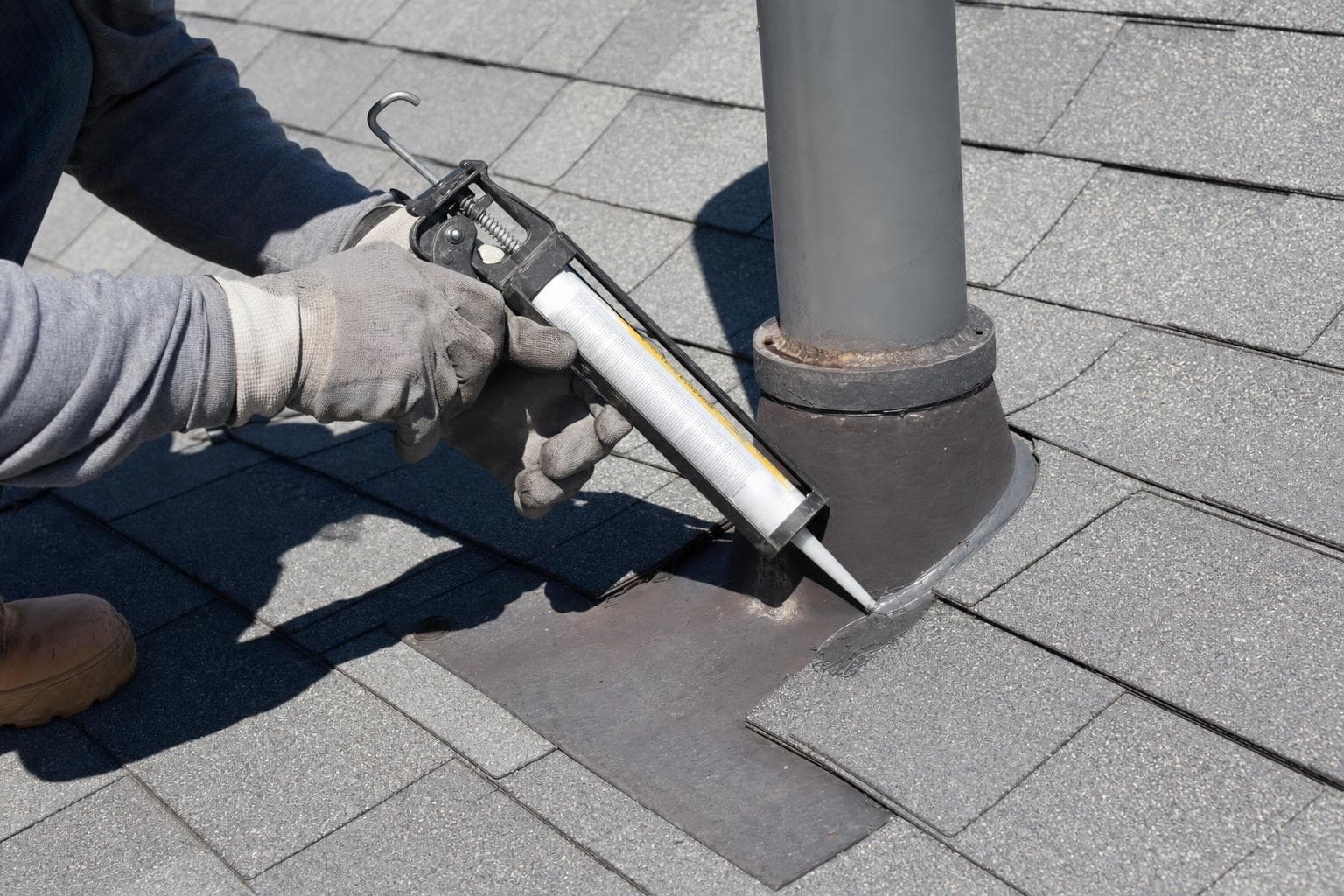
Storm exposure, trapped moisture, poor ventilation, and delayed repairs are the biggest roof-life killers. Indiana roofs deal with year-round weather stress. A minor issue, like a lifted shingle or a worn pipe boot, can become a leak after the next storm if it is left alone.
- Wind can loosen, crease, or tear shingles, especially along edges and ridges.
- Hail can bruise shingles and knock protective granules loose.
- Heavy rain can find openings around flashing, valleys, chimneys, and roof penetrations.
- Snow and ice can keep water sitting on vulnerable areas longer.
- Freeze-thaw cycles can expand small cracks and gaps over time.
- Poor attic ventilation can trap heat and moisture, which can age the roof from below.
- Skipped maintenance lets small repairable issues grow into larger failures.
How do you know if your Indiana shingle roof is aging out?
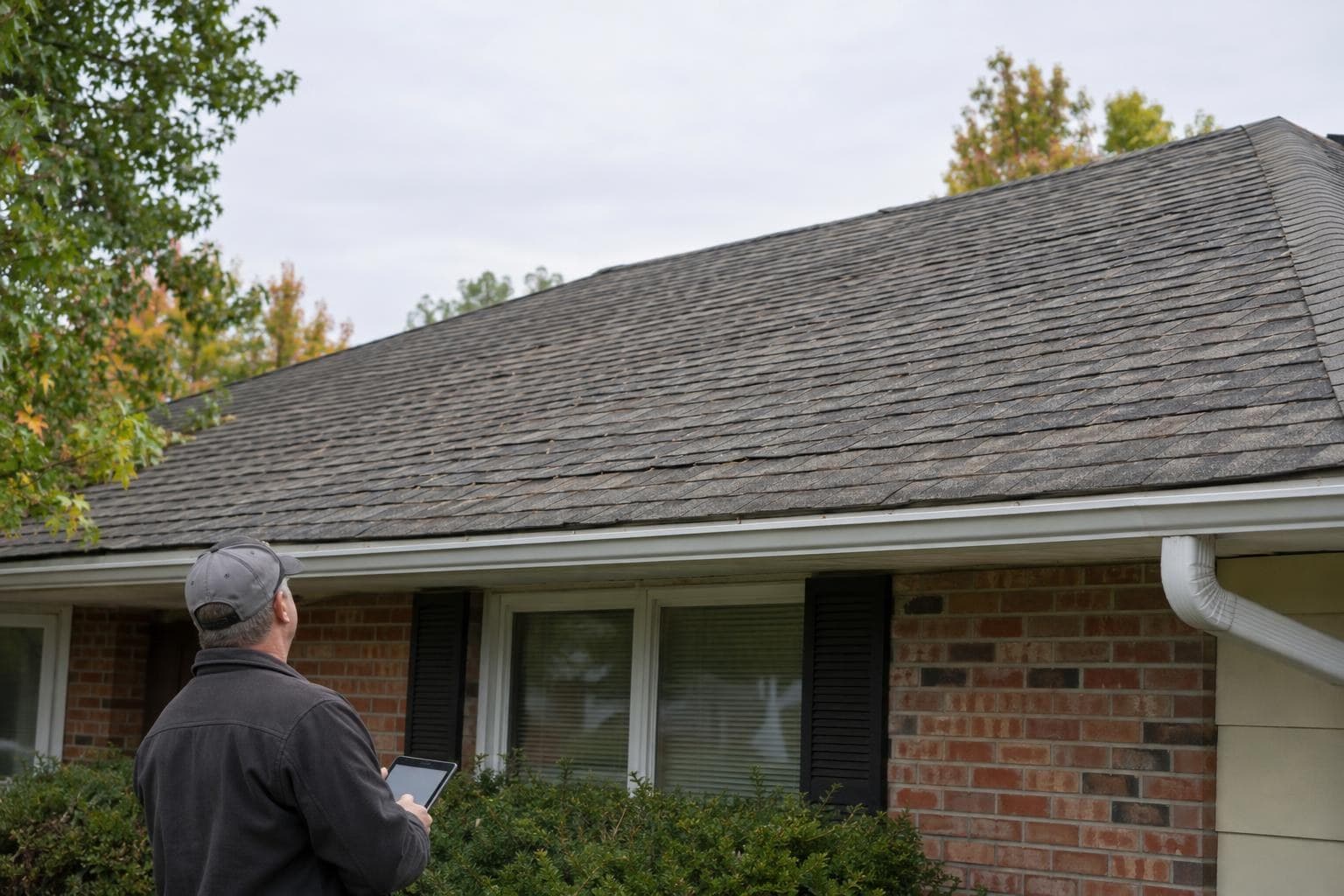
The clearest signs are widespread wear, repeated leaks, and shingle damage that shows up across multiple roof areas. One damaged shingle does not always mean you need a full replacement. But when you see the same problems in several places, the roof may be nearing the end of its useful life. Aging roofs often lose granules, show curling or cracking, and develop weak seal lines that leave shingles more exposed during wind-driven rain.
- Shingles are curling, cracking, tearing, or going missing.
- Granules are collecting in gutters or around downspouts.
- You keep dealing with leaks after storms.
- Flashing around chimneys, walls, and penetrations looks worn or loose.
- The roof surface looks patchy, uneven, or visibly tired across large sections.
- You notice interior water stains, damp attic areas, or musty smells after rain.
- Repairs are becoming more frequent and less effective.
Talk to a roofer today
Planning ranges, scope details, and a direct path to request a roofing quote.
Should you repair an aging roof or replace it?
If the problem is isolated, a repair often makes sense. If the wear is widespread, replacement is usually the better long-term move. But if your roof has storm damage in several sections, repeated leaks, or broad shingle failure, putting more money into patchwork can cost you more over time.
If replacement is the smarter move, current local cost ranges in Indiana gives you a clear starting point. Use the current Indiana cost page and calculator to plan a shingle condition and replacement plan in Indiana, then require the measured scope to explain any meaningful difference. When planning a shingle condition and replacement plan in Indiana, ask how roof shape, staging, weather, inspections, and concealed deck conditions affect both duration and labor. For a deeper breakdown, you can review full local pricing on the Indiana cost page and use the calculator to compare options for your home.
Are impact-resistant shingles worth it in Indiana?
For many Indiana homeowners, they can be worth a close look because hail is one of the main threats to roof life. If you are considering a Class 4 impact-resistant shingle, it is reasonable to ask your carrier whether it offers a homeowners premium discount for that upgrade. Discounts and underwriting decisions are carrier-specific, so you should confirm the details with your insurer before you buy. A qualified local roofing contractor can also help you compare product options that fit your home and storm exposure.
There is also a practical durability angle. For shingle roof lifespan in Indiana, treat Class 4 as a laboratory impact classification for the exact product, not a promise that the installed roof will resist every hail event or avoid damage. Do not assume a statewide Class 4 credit in Indiana; ask the carrier to verify eligibility and paperwork for the exact product and policy. That does not mean Class 4 is right for every home, but it is a smart question to ask when you are replacing an older roof in a storm-prone area.
What should you do after storm damage in Indiana?
Protect the home temporarily, document everything, and wait on permanent repairs until the insurance inspection is done. If your roof takes storm damage, quick temporary protection and good documentation matter, but you should hold off on permanent repairs until the insurance company has inspected the damage. The Indiana Department of Insurance says your policy is a contract between you and your insurance company, and you should understand what is covered, what is excluded, and what the deductibles are before and during a claim.
- File your claim as soon as possible.
- Provide complete and correct information.
- Keep copies of all correspondence.
- Write down details from phone and in-person conversations, including the date, name, title, and what was said.
- Do temporary repairs to protect your property from further damage, and keep receipts.
- Do not make permanent repairs before the insurance company's inspection.
The Indiana Department of Insurance also says your policy might require temporary repairs to protect your property from further damage, and your policy should cover the cost of these temporary repairs if you keep receipts. It also says not to make permanent repairs before the insurance company's inspection, because an insurance company may deny a claim if permanent repairs are made before the damage is inspected.
How do you choose the right roofer when your roof is wearing out?
Keep it practical: focus on a clear scope, good documentation, and a contract you understand. Indiana's consumer protection agencies put the focus on smart buying and complaint options, not on a statewide roofing license standard in the cited state guidance. So when you compare roofers, get a clear written scope, read the contract closely, ask how your roofer will document storm damage, and keep copies of every estimate, invoice, text, and email. If a sales pitch feels rushed or misleading, slow the deal down.
If a roofing transaction goes sideways, the Attorney General's Consumer Protection Division says it educates consumers about deceptive and predatory business practices, mediates and investigates consumer complaints against businesses and other organizations, and takes legal action on behalf of the state against parties that violate Indiana's Deceptive Consumer Sales Act. That gives you a place to turn if a roofing transaction goes sideways.
When is it time to schedule a roof inspection?
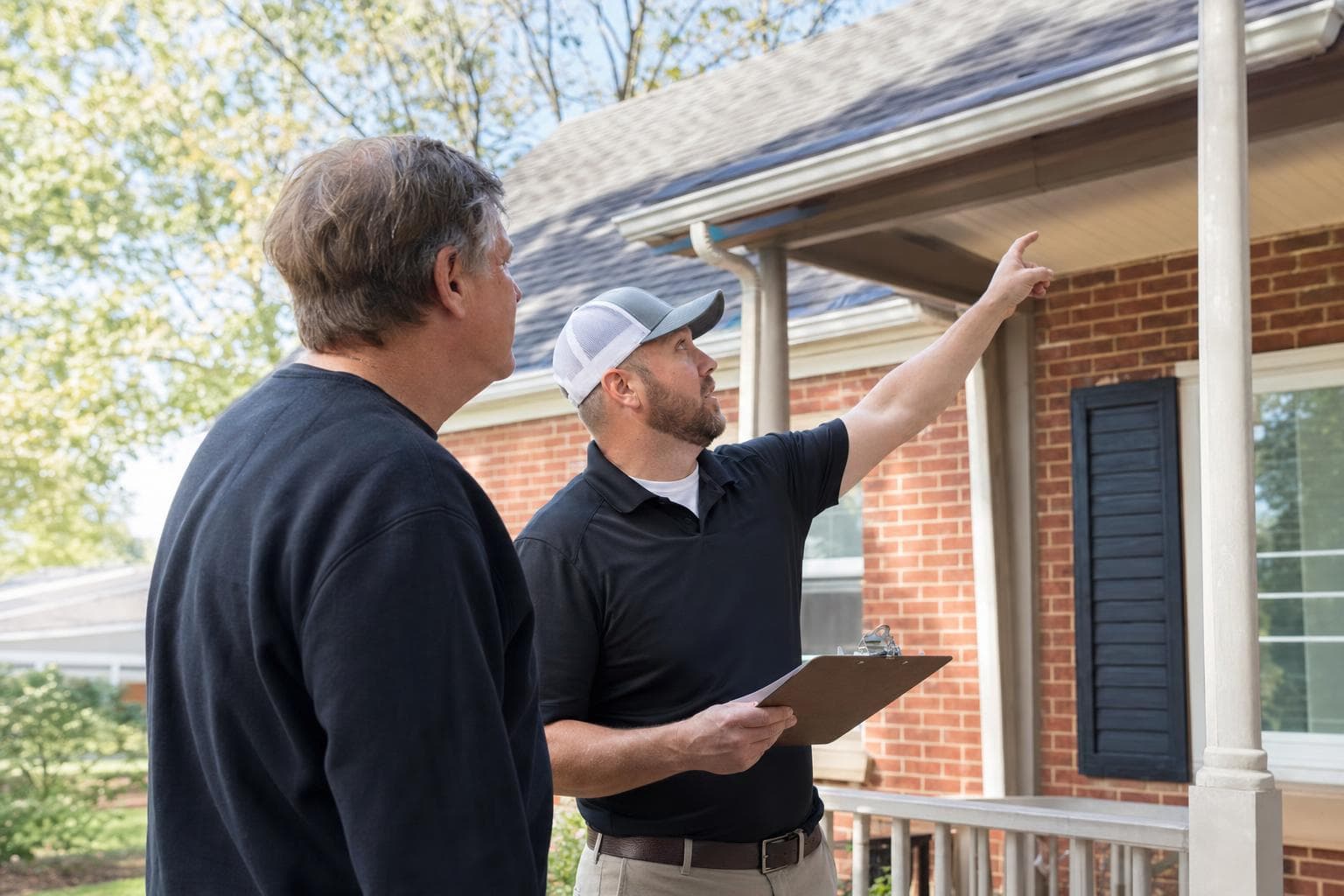
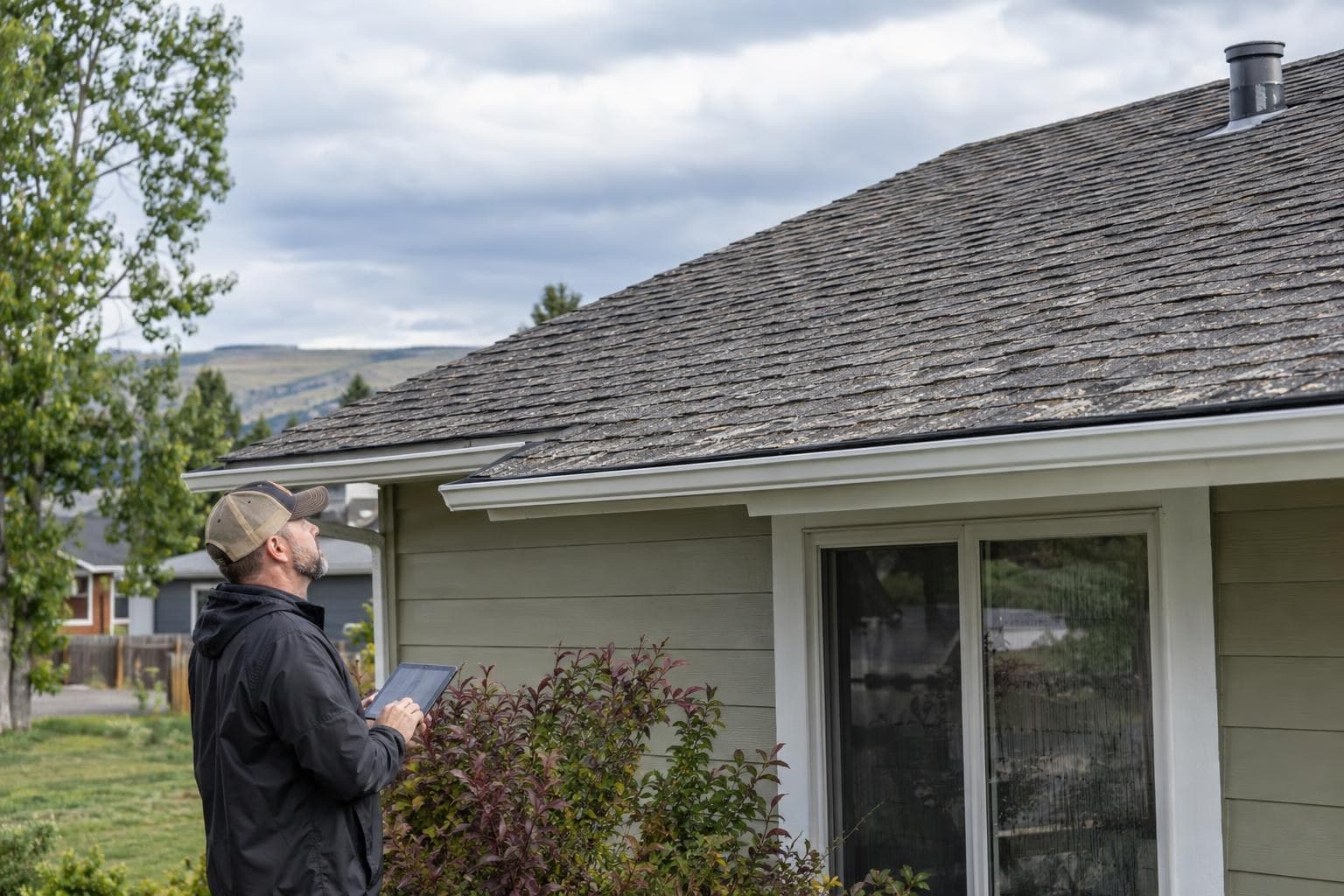
Schedule an inspection when you see visible wear, after a major storm, or when your roof just does not look right anymore. You do not have to wait for an active leak. If shingles are lifting, granules are washing out, flashing looks worn, or your attic shows signs of moisture, an inspection can tell you whether you need a simple repair or if your roof is aging out.
Sources
Reviewed technical references for Indiana
Related Indiana roofing guides
Related services
Updated July 27, 2026
3D Roofs Editorial Team
Editorial Standards