Updated July 10, 2026

3D Roofs Editorial Team
Editorial Standards
A shingle roof in Massachusetts can last a long time, but the climate can cut that life short if small problems are ignored. Your roof has to handle freeze and thaw cycles, snow and ice, wind-driven rain, and coastal salt air in some areas. Winter moisture can turn small roof weaknesses into leaks. Snow load and ice can stress shingles, flashing, and roof edges. Wind and storms can lift aging materials, especially near the coast. Over time, that mix tends to reward tight flashing details, solid attic ventilation, and fast repair of small damage before another season makes it worse.
How long does a shingle roof last in Massachusetts?
It depends on the shingle, the installation, and how well the roof handles Massachusetts weather, but climate exposure matters more here than many homeowners expect. A roof that faces repeated ice, wind-driven rain, and freeze-thaw stress will usually age faster than one that stays dry, ventilated, and promptly repaired. The biggest takeaway is simple: in Massachusetts, lifespan is not just about the shingle itself. It is also about flashing, attic airflow, roof edges, and whether minor damage gets fixed before winter works it open.
What Massachusetts weather shortens roof life the most?
Freeze and thaw cycles, snow and ice, wind-driven rain, and coastal exposure are the main roof life reducers. When water works into a small gap and then freezes, it can widen that weak spot. Snow and ice add weight and stress to shingles, flashing, and roof edges. Wind can catch aging tabs or loosened materials, and coastal salt air in some areas can be harder on metal components. None of that means every roof fails early, but it does mean a roof with weak details usually gets exposed faster here.
What parts of a shingle roof usually wear out first?
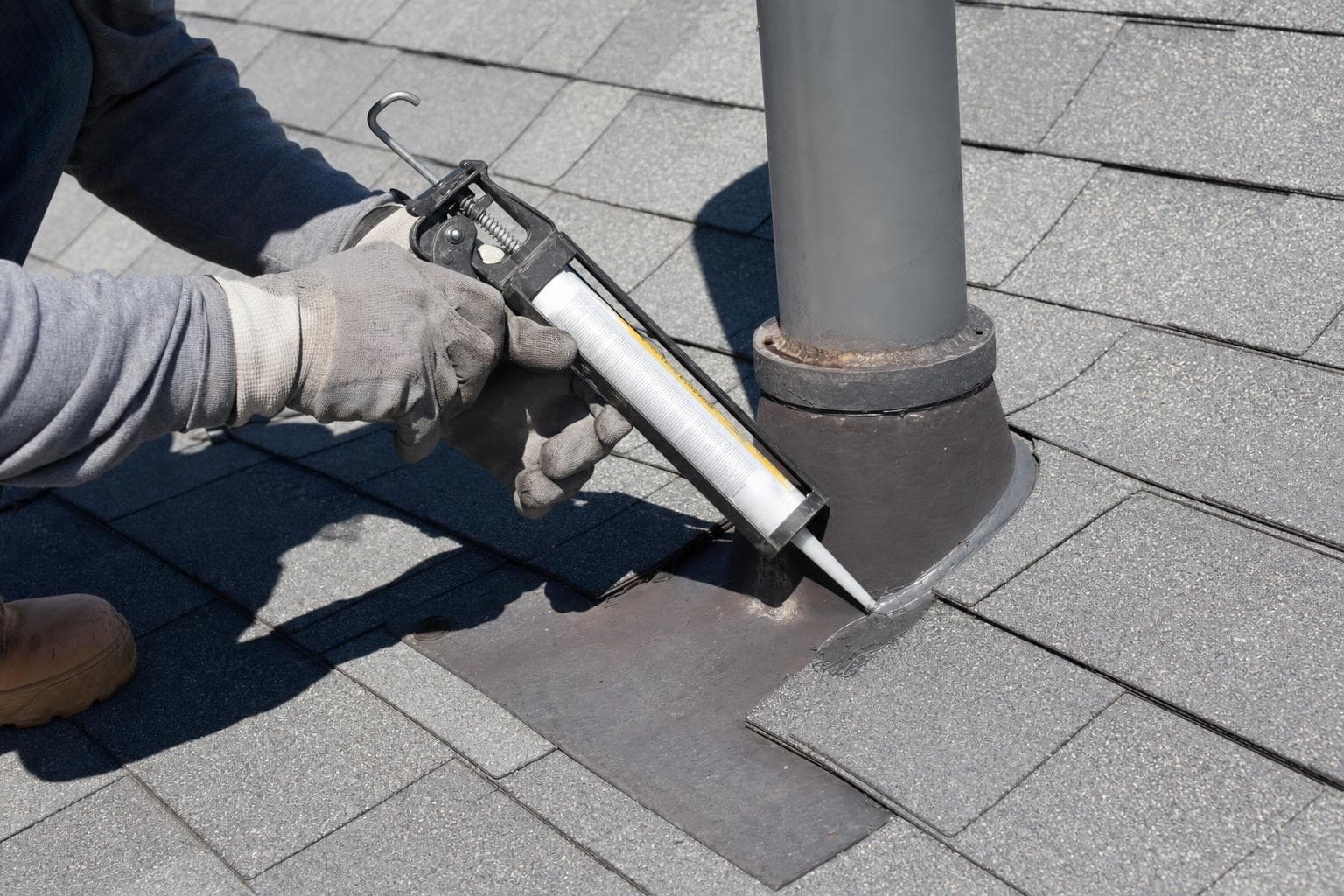
Flashing, roof penetrations, ridge areas, and roof edges often show trouble before the main field of shingles is completely done. That is because Massachusetts weather tends to exploit transitions and seams first. Chimneys, vent pipes, skylights, valleys, and edge metal are common trouble spots. If those details were not installed tightly, or if they have loosened over time, winter moisture and wind can turn a small issue into an active leak long before the whole roof looks bad from the street.
Talk to a roofer today
Planning ranges, scope details, and a direct path to request a roofing quote.
What makes one Massachusetts shingle roof last longer than another?
- Tight flashing details around chimneys, vents, valleys, and wall intersections
- Solid attic ventilation that helps control heat and moisture
- Fast repair of small damage before another season makes it worse
- A roof design that sheds water cleanly and does not trap debris or ice at edges
- Prompt attention after storms, especially if shingles look lifted or displaced
- Material choice, including whether you want to compare standard shingles with higher-impact options or metal
How do you know a shingle roof is aging out?
The clearest sign is that problems start repeating. If you are seeing recurring leaks, missing shingles after wind, curling or cracking shingles, worn-looking roof edges, or flashing problems that keep coming back, the roof may be reaching the end of its useful life. Another warning sign is when repairs stop feeling isolated and start showing up in several areas. A roof does not need to be falling apart everywhere to be aging out. In Massachusetts, a few weak spots can be enough for winter weather to keep reopening the same problems.
Should you repair the roof or replace it?
If the damage is limited and the rest of the roof is still in solid shape, a repair often makes sense. If issues are spread across multiple sections, if leaks keep returning, or if the roof is clearly wearing out at edges, penetrations, and shingle surfaces at the same time, replacement is often the cleaner long-term move. When planning a shingle condition and replacement plan in Massachusetts, ask how roof shape, staging, weather, inspections, and concealed deck conditions affect both duration and labor.
What does replacement cost in Massachusetts if your shingle roof is done?
Use the current Massachusetts cost page and calculator to plan a shingle condition and replacement plan in Massachusetts, then require the measured scope to explain any meaningful difference. If you are replacing an aging roof and want to compare durability options, those numbers give you a starting point. Some homeowners also ask about a policy-specific premium credit on impact-resistant products. Do not assume a statewide Class 4 credit in Massachusetts; ask the carrier to verify eligibility and paperwork for the exact product and policy. If you are considering impact-resistant shingles, ask your carrier whether a Class 4 roof qualifies for any premium discount or underwriting credit. A qualified local roofing contractor can help you compare roofing options, but your insurer decides eligibility and savings.
What should you do after storm damage in Massachusetts?
Act quickly, protect the home, and document everything. The Division of Insurance says most homeowner insurance policies generally require you to give immediate notice of a possible claim, protect your property from further loss or damage, and keep records and receipts if you make temporary repairs. Massachusetts's division of Insurance also says not to dispose of damaged property until your producer, claims adjuster, or company says you can. If your claim is denied in whole or in part, Massachusetts's division of Insurance says you should ask for the denial in writing and keep all paperwork.
How do you choose the right roofer for a Massachusetts roof inspection or replacement?
Ask direct questions about registration, oversight, and local requirements. For residential work on an existing owner-occupied home with one to four units, Massachusetts's division of Insurance says contractors that solicit, bid on, or perform that work must be registered as Home Improvement Contractors. Massachusetts's division of Insurance also says an HIC Registration is different from a Construction Supervisor License and they are not interchangeable. For most existing 1- to 4-family owner-occupied homes, a licensed construction supervisor or a registered design professional must oversee construction, and the contractor must also register with the home improvement program. When you compare roofers, ask your roofer whether the company holds current HIC registration, who will provide the required construction oversight, and whether your city or town has added requirements.
If your roof is showing age, the best next step is a straightforward inspection focused on shingles, flashing, roof edges, attic ventilation, and leak-prone transitions. In Massachusetts, roofs usually do not fail all at once. They age out by letting weather exploit the same weak spots over and over. Catching that pattern early can help you decide whether a targeted repair is enough or whether it is time to plan a full replacement before another winter raises the stakes.
Sources
Reviewed technical references for Massachusetts
Related Massachusetts roofing guides
Related services
Updated July 10, 2026
3D Roofs Editorial Team
Editorial Standards