Updated July 27, 2026

3D Roofs Editorial Team
Editorial Standards
A shingle roof in Montana can last a long time, but storm exposure often decides whether it reaches its full service life. your roof here can be exposed to hail, wind-driven rain, and fast-moving storms. That means lifespan is not just about the shingle itself. It is also about how often your roof gets hit, how quickly damage is found, and whether small problems are fixed before water gets in.
How long does a shingle roof last in Montana?
The short answer is that a shingle roof in Montana lasts as long as its condition allows, not as long as a package label might suggest. Hail is a standout risk in state guidance, and even damage that looks minor from the ground can leave bruising, punctures, lifted roofing materials, and openings that let water in later. In other words, one hard storm can take years off a roof that looked fine the day before. If your roof avoids major storm hits and gets inspected after rough weather, it usually has a better shot at a longer life.
What makes a shingle roof wear out faster in Montana?
The biggest lifespan killers are hail, wind-driven rain, and fast-moving storms. Hail can bruise shingles and knock off protective granules. Wind can lift tabs and break the seal that keeps shingles lying flat. Wind-driven rain then finds its way into those weak spots. Once water gets beneath the surface, the roof can decline much faster than you would expect from a simple ground-level look.
- Hail can leave bruising, punctures, and hidden impact damage
- Fast-moving storms can create sudden damage across multiple roof areas
- Wind can lift roofing materials and open paths for water
- Rain driven by wind can turn minor damage into leaks
- Delayed temporary protection after a storm can let water damage spread
Can a roof look fine from the ground and still be failing?
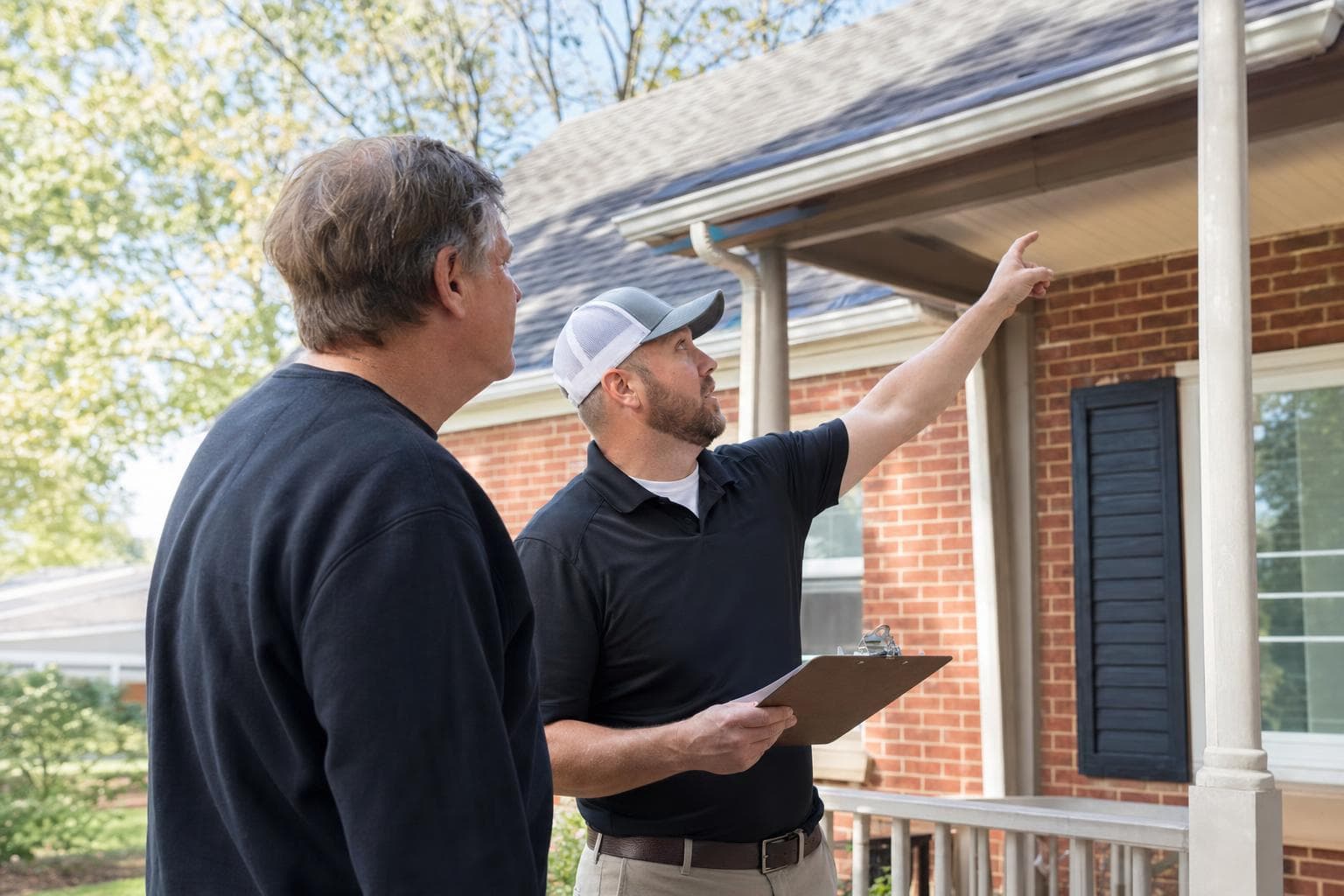
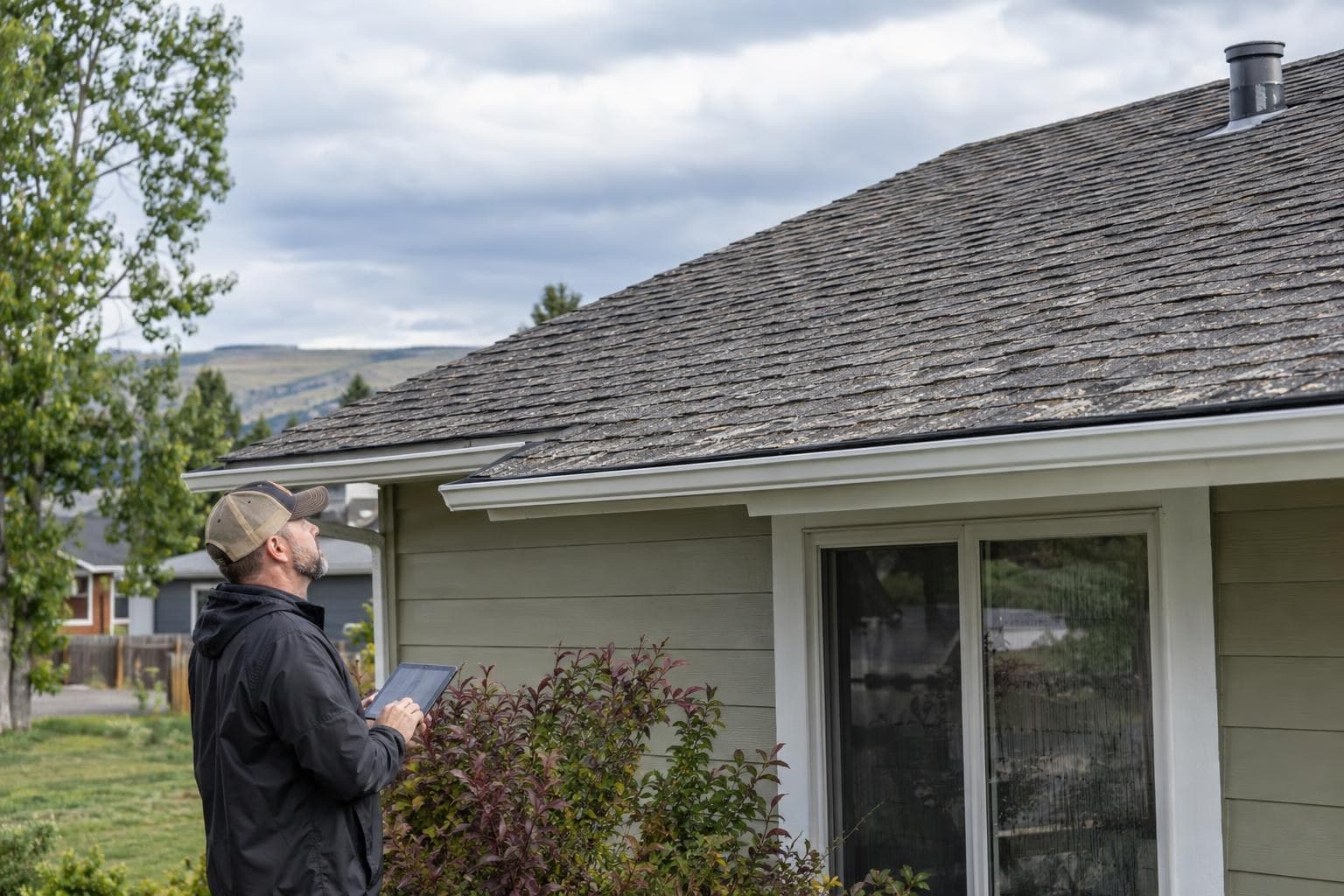
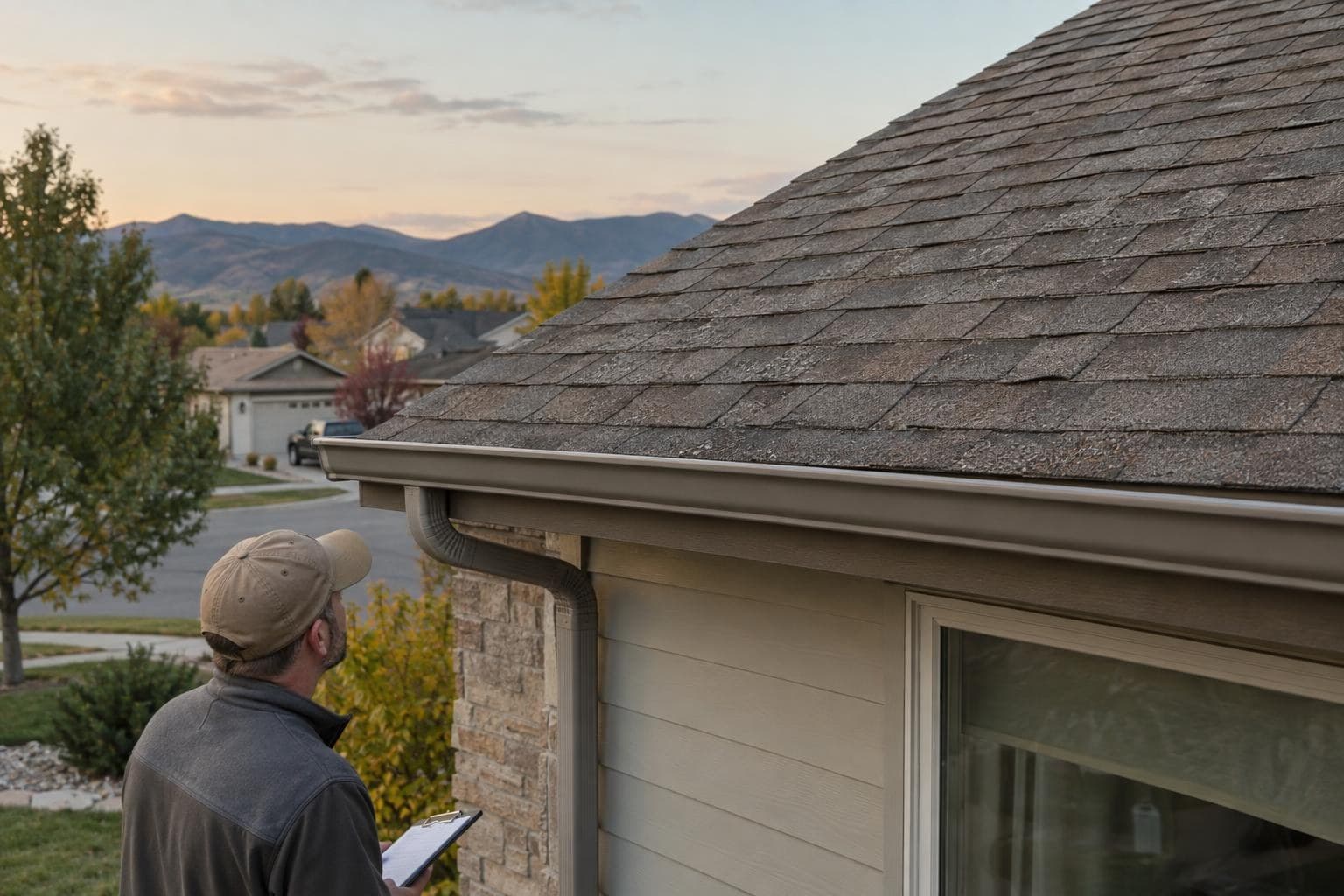
Yes. That is common after Montana storms. State guidance warns that damage can look minor from the ground while still leaving bruising, punctures, lifted roofing materials, and openings that let water in later. That is why a roof can seem okay for weeks or months, then suddenly show ceiling stains or leak during the next storm. If your home has taken hail or strong wind, a professional inspection is often the best way to find aging or storm damage before it becomes interior damage.
Talk to a roofer today
Planning ranges, scope details, and a direct path to request a roofing quote.
What are the signs your shingle roof is aging out?
The clearest signs are repeated leaks, damaged shingles, and storm wear that keeps stacking up. If your roof is losing shingles, showing lifted tabs, developing punctures, or leaking after storms, it may be nearing the point where repairs stop being the smart long-term move. Aging also shows up when one repair leads to another and you start spending money without restoring full protection.
- Missing shingles or shingles that do not lie flat
- Lifted roofing materials after wind
- Visible punctures or impact marks after hail
- Leaks, water stains, or moisture showing up after storms
- Repairs that keep coming back in the same areas
- Granule loss or uneven-looking shingle surfaces after storm exposure
When should you repair a Montana shingle roof, and when should you replace it?
Repair makes sense when damage is limited and the rest of the roof is still in solid shape. Replacement makes more sense when storm damage is widespread, leaks are recurring, or the roof has enough aging that new repairs would only buy you a little time. But if hail and wind have affected multiple slopes, replacement can be the cleaner fix and may help you avoid chasing leaks through another storm season.
What should you do right after a storm if you think the roof is damaged?
Start by documenting damage, then protect the home from further water entry, then contact your insurance company. Montana's insurance regulator says you should take photos and document damage before you begin to clean up or repair. It also says you should take steps to prevent further destruction of the property, including covering broken windows and holes in roofs and placing coverings over areas that could get water or wind damage. State guidance also says you should contact your insurance company and get the claims process started, then review your policy to understand your deductible, what is and is not covered, and your responsibilities. That helps you make repair decisions based on your policy instead of pressure from a contractor.
How do you avoid bad roofing decisions after a Montana storm?
The best move is to slow down, get written bids, and choose a roofer whose credentials and written scope you checked based on clear scope and documentation. Montana warns homeowners to beware of high-pressure sales tactics, storm chasers, and unsolicited offers from contractors. The guidance says not to feel rushed to sign a repair contract, to get multiple bids, to check references, and to choose a contractor who will work with you and your insurance adjuster to assess damage and repair costs. State guidance also says to always get written bids before authorizing work to begin, get a written contract, and never pay in full for work before it is completed. It also says to pay with a check or credit card, never cash, and not to pay for work that has not yet been completed.
What does a new roof cost in Montana if your shingles are aging out?
Check current Montana cost data for a shingle condition and replacement plan in Montana, then replace the range with an assembly-specific proposal based on measured conditions. Before approving a shingle condition and replacement plan in Montana, have the bidder connect timing to roof complexity, crew access, material handling, weather, inspections, and concealed conditions. If you want a fuller breakdown for your area and roof shape, you can check the Montana cost page and the calculator for local pricing.
Is Class 4 worth it in Montana?
For many Montana homeowners, it is worth a serious look because hail is such a major risk. If you are considering impact-resistant shingles, ask your carrier whether it offers a discount for a Class 4 roof covering. A Class 4 rating does not establish a policy credit in Montana; the carrier and policy determine eligibility, documentation, and savings. You should also confirm the product rating and the documentation your insurer wants before you replace the roof. Paying more upfront can make sense when your roof faces repeated hail exposure and you want better resistance to future storm damage.
How do you choose the right roofer when your roof is near the end?
Choose the roofer the same way you would protect any major home investment: verify current Montana standing, ask for references, and insist on written details. Montana's contractor registration rules matter, but they do not replace your own homework. The Montana Department of Labor and Industry says all construction contractors with employees must register, and it tells homeowners to ask for proof of a contractor's CR and verify it is in good standing. The same source also says the CR certificate is not a license and does not ensure quality of work. Beginning January 1, 2026, Montana Contractor's registration program will transition to a license administered by the Montana Department of Labor and Industry. Your practical move is simple: ask your roofer for proof of current Montana standing, verify it through the state, get references, and insist on a written contract that spells out scope, materials, timing, payment tied to completed work, and responsibility if the job is not finished.
Sources
- Asphalt Roofing Manufacturers Association: Residential Asphalt Roofing Manual: Ventilation Best Practices
- Insurance Institute for Business & Home Safety: Natural Weathering and Hazard Exposure
- Montana Commissioner of Securities and Insurance, Hail consumer guidance
- Montana Department of Labor and Industry, Construction Contractor Registration
Reviewed technical references for Montana
Related Montana roofing guides
Related services
Updated July 27, 2026
3D Roofs Editorial Team
Editorial Standards