Updated July 10, 2026

3D Roofs Editorial Team
Editorial Standards
A shingle roof in Nebraska can last for years, but the real answer depends on storm exposure, installation quality, ventilation, and how quickly you handle repairs. Nebraska roofs take repeated exposure from hail, strong wind, heavy rain, snow, ice, and sharp temperature changes. That mix can shorten shingle life, loosen flashing, damage gutters, and turn small storm hits into leaks if repairs wait too long. If you want your roof to last as long as possible, regular inspections and fast storm follow-up matter as much as the shingle itself.
How long does a shingle roof last in Nebraska?
It depends on how much storm stress your roof takes and how well small problems get handled early. In Nebraska, shingles face repeated hail, wind, rain, snow, ice, and sudden temperature swings. Even when a roof looks mostly fine from the ground, that weather can bruise shingles, lift edges, wear away granules, and loosen flashing over time. A roof that avoids major storm hits and gets prompt maintenance will usually last longer than one that takes repeated damage and sits too long before repairs.
Why does Nebraska weather shorten shingle life?
Because the same roof system has to handle impact, moisture, freeze-thaw stress, and wind movement over and over. Hail can weaken shingles without causing an obvious leak that same day. Strong wind can break seals or lift tabs. Heavy rain can push water into small openings. Snow and ice can keep moisture sitting on vulnerable areas longer. Sharp temperature changes can cause roofing materials to expand and contract faster, which adds wear to shingles, flashing, and roof penetrations. In Nebraska, small storm damage often becomes a bigger problem when repairs wait too long.
What shortens the life of a shingle roof the most?
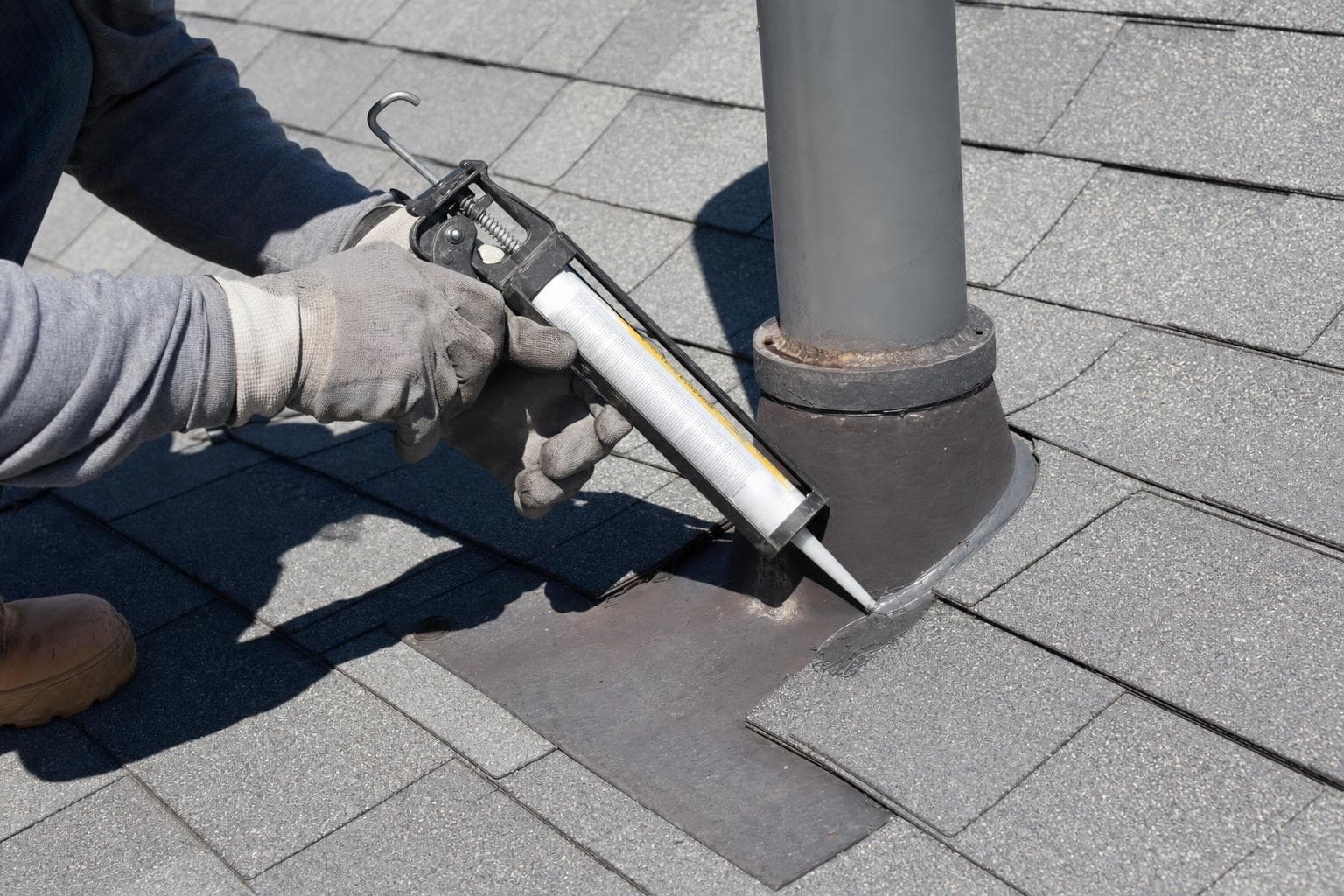
Storm damage, poor ventilation, neglected repairs, and installation issues usually do the most damage. A roof ages faster when water cannot shed properly, when attic heat and moisture build up, or when flashing details start failing around chimneys, walls, vents, and valleys. Even a minor issue, like a lifted shingle or a damaged boot, can let water into the system and shorten the life of the surrounding materials. If your gutters are damaged or clogged after a storm, drainage problems can also push extra wear onto the roof edge and decking below.
- Hail impacts that crack, bruise, or loosen shingles
- Wind that lifts tabs or breaks the seal between shingles
- Flashing problems around penetrations, walls, and valleys
- Heavy rain that finds openings after storm damage
- Snow and ice that keep moisture on the roof longer
- Sharp temperature swings that increase material stress
- Waiting too long to repair small damage
- Poor attic ventilation that traps heat and moisture
Talk to a roofer today
Planning ranges, scope details, and a direct path to request a roofing quote.
What are the signs a shingle roof is aging out?
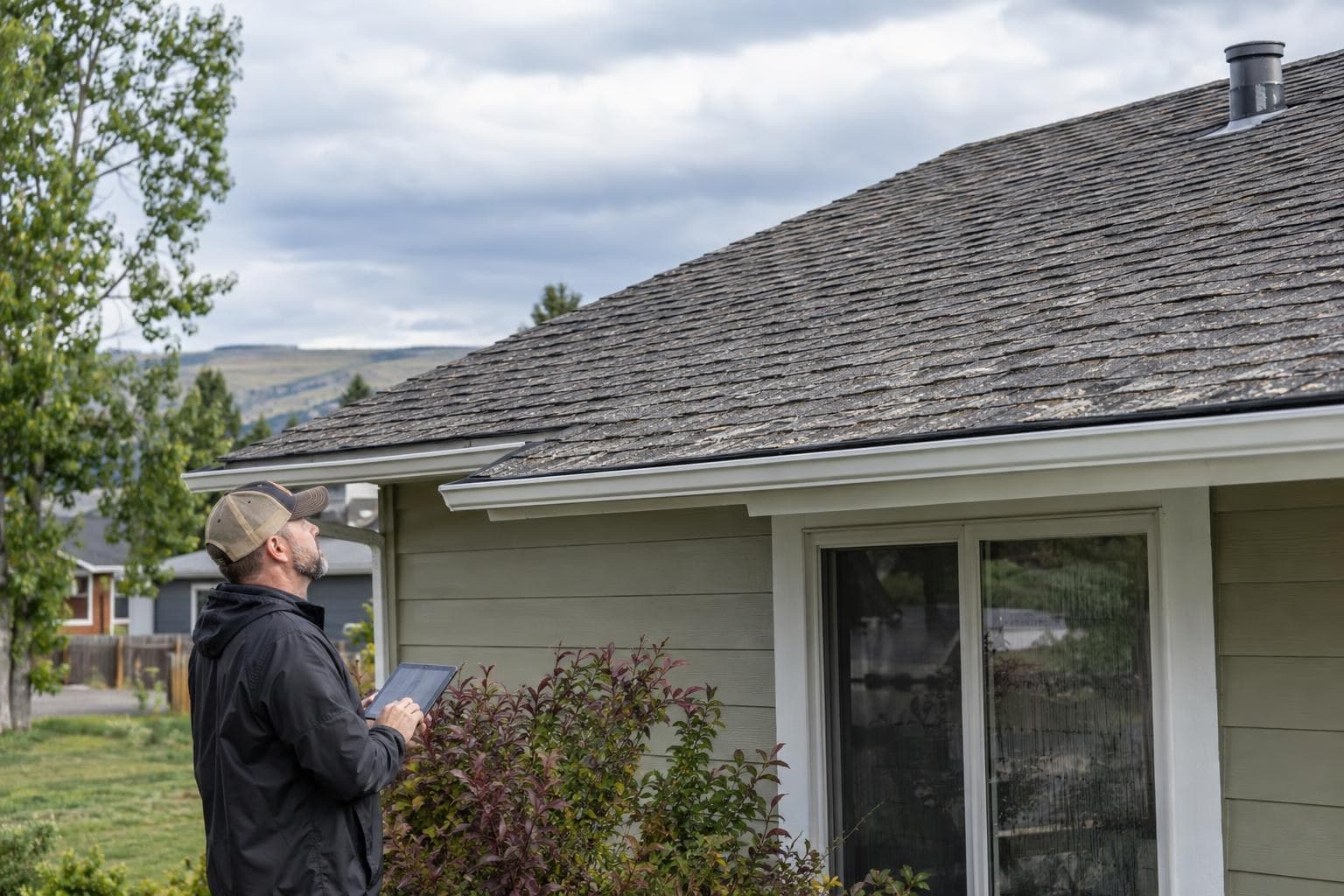
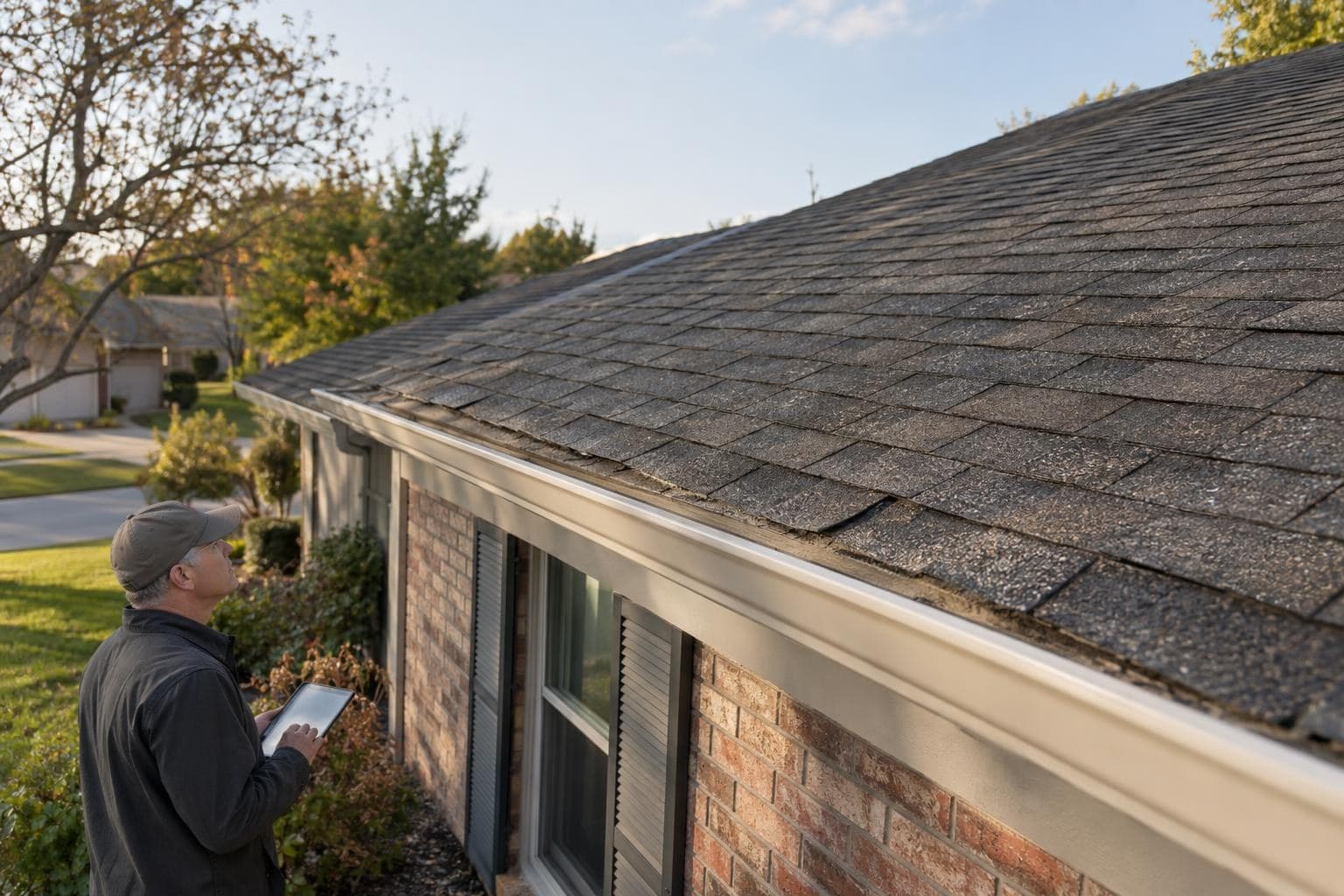
The clearest signs are widespread granule loss, cracking, curling, repeated leaks, and storm damage that affects more than a few isolated spots. You may also see shingles that look thin, brittle, or out of place. Inside the home, water stains, damp attic areas, or musty smells can point to a roof system that is no longer holding up well. If the same area keeps needing repair, that often means the roof is moving from a repair situation into a replacement conversation.
- Granules collecting in gutters or at downspouts
- Shingles that are cracked, curled, torn, or missing
- Dark spots, soft spots, or visible storm impact marks
- Loose or damaged flashing
- Leaks after wind-driven rain or melting snow
- Interior stains on ceilings or walls
- Sagging or uneven roof lines
- Repairs becoming more frequent or spreading to new areas
Can a Nebraska storm take years off a roof even if it is not leaking yet?
Yes, storm damage can shorten roof life before you see water inside. A hail hit can bruise a shingle and weaken its protective surface. Wind can bend or loosen shingles enough to create a future leak point. Flashing can shift just enough to let water in later. That is why, after a storm, your best move is to document what you see, stop further damage with temporary protection if needed, and have your roofer inspect the full roofing system, not just the obvious trouble spots.
What should you do after storm damage in Nebraska?
Start by documenting damage quickly, protecting the home from further loss, and keeping a paper trail. The Nebraska Department of Insurance says to report damages as soon as possible and keep a log of all communications, including names, dates, and topics discussed. It also says to take photos and videos and make a detailed list of damaged or destroyed items. The Nebraska Department of Insurance says you should make only temporary repairs to prevent additional losses, save receipts for reimbursement, and not make any permanent repairs until an adjuster inspects the damage.
You should also be careful about paperwork and who you hire. The Nebraska Department of Insurance says to be present during inspections, use trusted contractors, avoid paying in full upfront, and, in its words, "DO NOT SIGN ANYTHING UNTIL YOU TALK WITH YOUR INSURANCE COMPANY." If you are choosing a roofer, confirm the roofer is registered with the Nebraska Department of Labor. At the same time, remember that registration does not ensure quality of work or protect against fraud, so you should still ask clear questions about scope, materials, cleanup, who will be on site, and how change orders will be handled.
When does it make more sense to repair versus replace?
Repair usually makes more sense when damage is limited and the rest of the roof is still in solid condition. Replacement makes more sense when storm wear is widespread, leaks are recurring, or the roof is showing multiple signs of age across the system. For a shingle condition and replacement plan in Nebraska, require the written schedule to account for roof geometry, access, weather protection, material handling, inspections, and possible deck work. For a shingle condition and replacement plan in Nebraska, steep or complex areas should be priced from measured geometry, safety setup, staging, labor, and material handling rather than a flat surcharge.
Should you consider impact resistant shingles in Nebraska?
Yes, you should at least ask about them if you are replacing a storm-damaged roof. The Nebraska Department of Insurance says that when rebuilding, you should consider using materials that will resist damage such as impact resistant shingles or siding, and that insurance companies may offer discounts on insurance for these resistant materials. If you are considering a Class 4 roof, ask your carrier what discount, if any, applies to your specific policy, because carriers set their own discounts. For a shingle condition and replacement plan in Nebraska, treat any impact-resistant roof credit as unconfirmed until the insurer identifies the eligible product, required documentation, premium portion, and amount in writing.
For a shingle condition and replacement plan in Nebraska, start with current Nebraska cost data, then test the planning range against a measured proposal that names the complete roof assembly. Those numbers help you compare the cost of replacing now versus patching an aging roof that may keep taking storm damage. If you want the full local breakdown, check the Nebraska cost page and the calculator.
How do you know it is time to schedule a roof inspection?
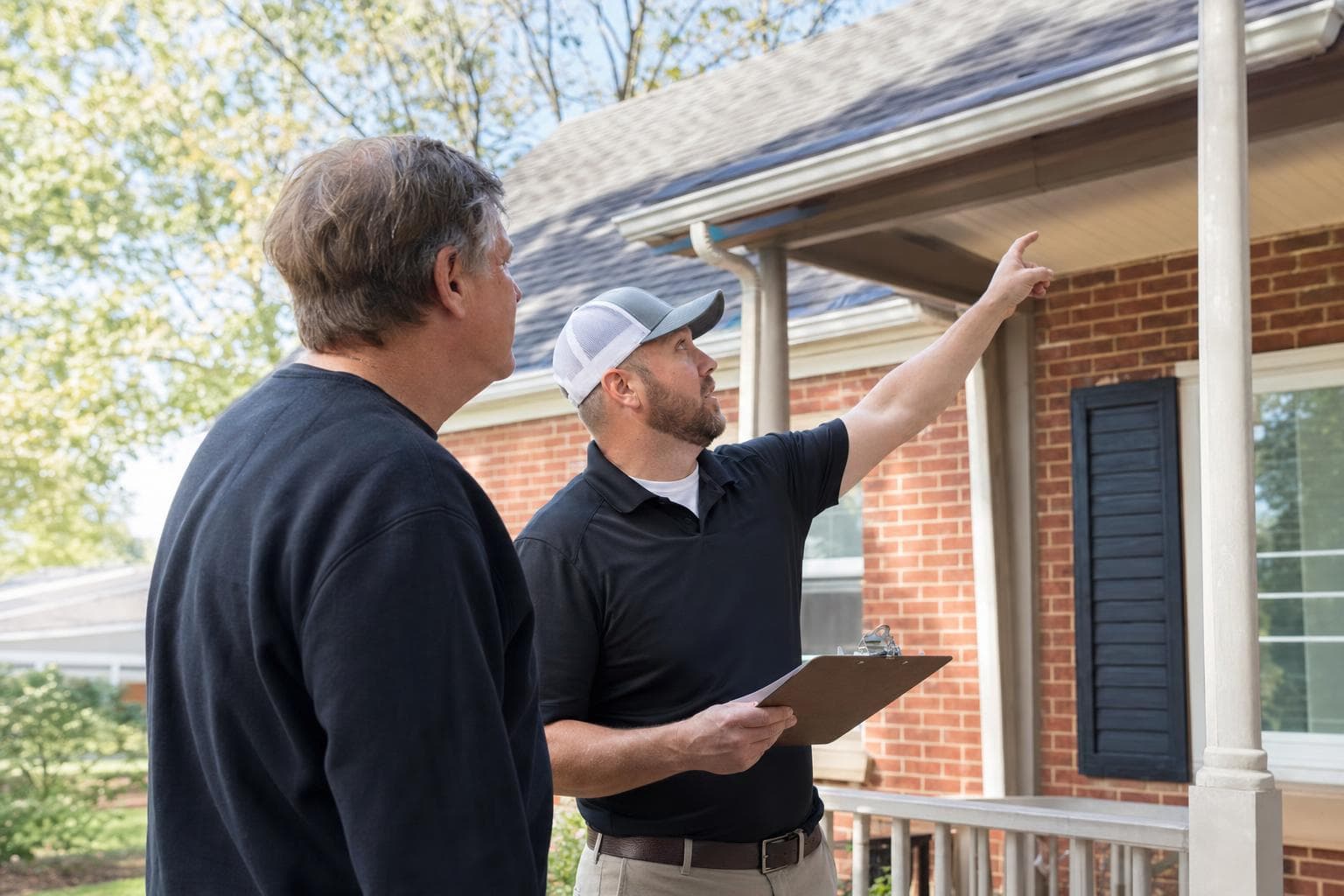
If you have had a recent storm, visible shingle damage, recurring leaks, or signs of wear inside or outside the home, it is time to schedule an inspection. The right time is before small issues spread into decking, insulation, drywall, or gutter problems. In Nebraska, weather can turn a minor roof issue into a larger repair fast. A full inspection helps you understand whether you need a simple fix, temporary protection while an insurance claim moves forward, or a full replacement plan.
Sources
- Asphalt Roofing Manufacturers Association: Residential Asphalt Roofing Manual: Ventilation Best Practices
- Insurance Institute for Business & Home Safety: Natural Weathering and Hazard Exposure
- Nebraska Department of Insurance, After the Storm: Disaster Claims Process
- Nebraska Department of Labor, Contractor Registration Overview
Reviewed technical references for Nebraska
Related Nebraska roofing guides
Related services
Updated July 10, 2026
3D Roofs Editorial Team
Editorial Standards