Updated July 27, 2026

3D Roofs Editorial Team
Editorial Standards
A shingle roof in Nevada can last for years, but the short answer is that Nevada weather can age it faster than homeowners expect. Intense sun, dry heat, and wind put steady stress on shingles, sealants, and other roofing parts. That means your roof life depends less on a simple calendar and more on how much UV exposure, heat, wind, and past storm damage your home has taken. If you want to know whether your roof still has time left or is starting to age out, the smartest next step is a roof inspection focused on surface wear, shingle condition, sealing, and any signs of leaking or wind lift.
How long does a shingle roof last in Nevada?
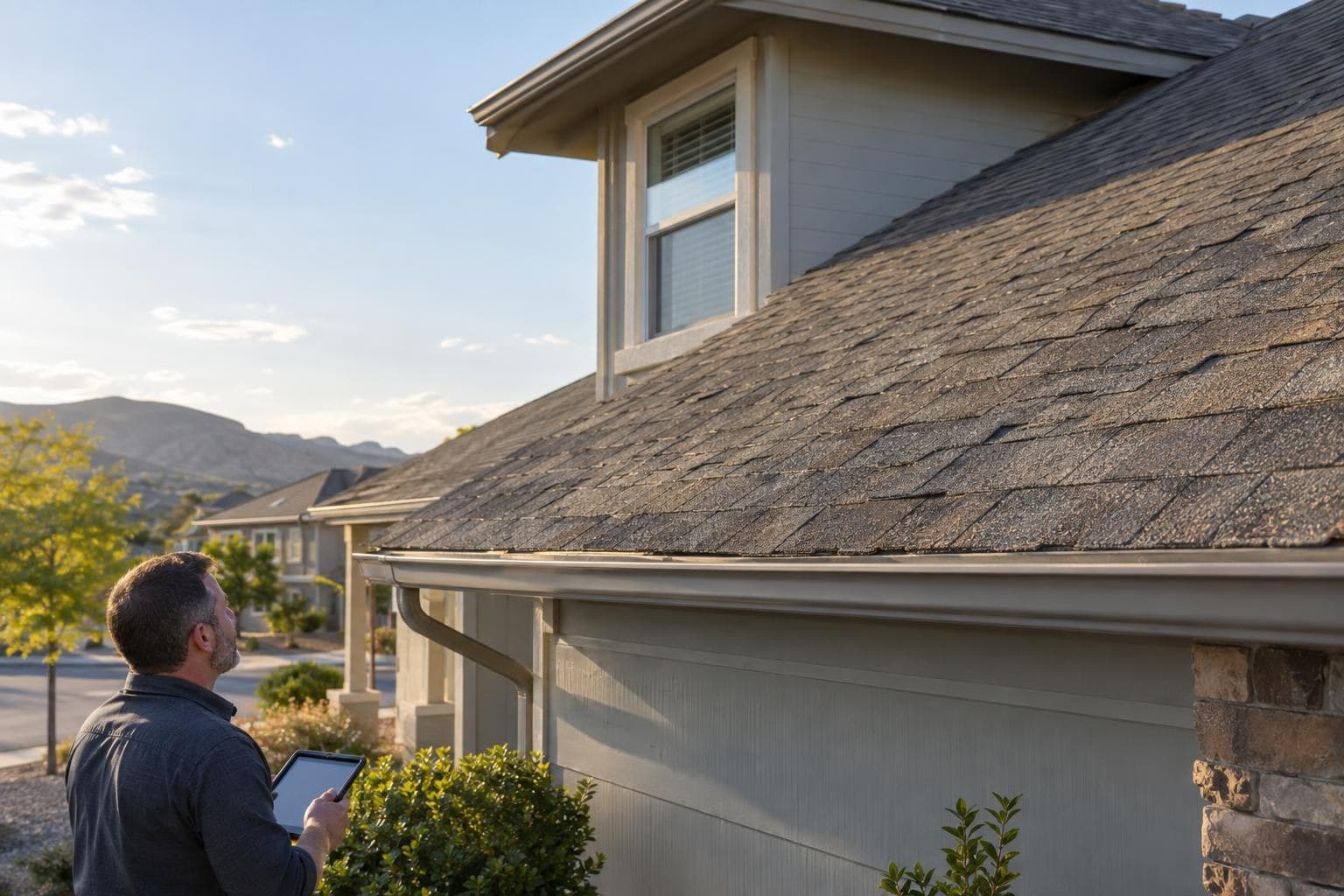
In Nevada, a shingle roof can last a long time, but the climate can shorten that lifespan compared with milder areas. Nevada roofs take a steady beating from intense sun, dry heat, and wind. Over time, UV exposure can age shingles, dry out roofing components, and wear down sealants. Wind can lift edges and turn small roof weaknesses into leaks. That is why two roofs installed in the same year can age very differently. A roof with heavy sun exposure, recurring wind, and deferred repairs will usually wear out sooner than one that has been maintained and checked after storms.
What makes shingles wear out faster in Nevada?
The biggest causes are sun, heat, wind, and neglected minor damage. UV exposure can dry out shingles and roofing components over time. Dry heat can make materials more brittle, especially when the roof has years of direct exposure. Wind can catch shingle edges, loosen tabs, and create openings where water can get in later. Small problems also grow faster when they are ignored. A lifted shingle, failed sealant line, or exposed nail may not seem urgent at first, but Nevada weather can turn that weak spot into a leak or larger repair.
- Intense sun can age shingles and dry out roofing components.
- Dry heat can wear down sealants and increase brittleness over time.
- Wind can lift shingle edges and worsen small weak spots.
- Past storm damage that was never fully addressed can shorten roof life.
- Poor ventilation and delayed maintenance can add stress to the whole system.
What are the signs a shingle roof is aging out?
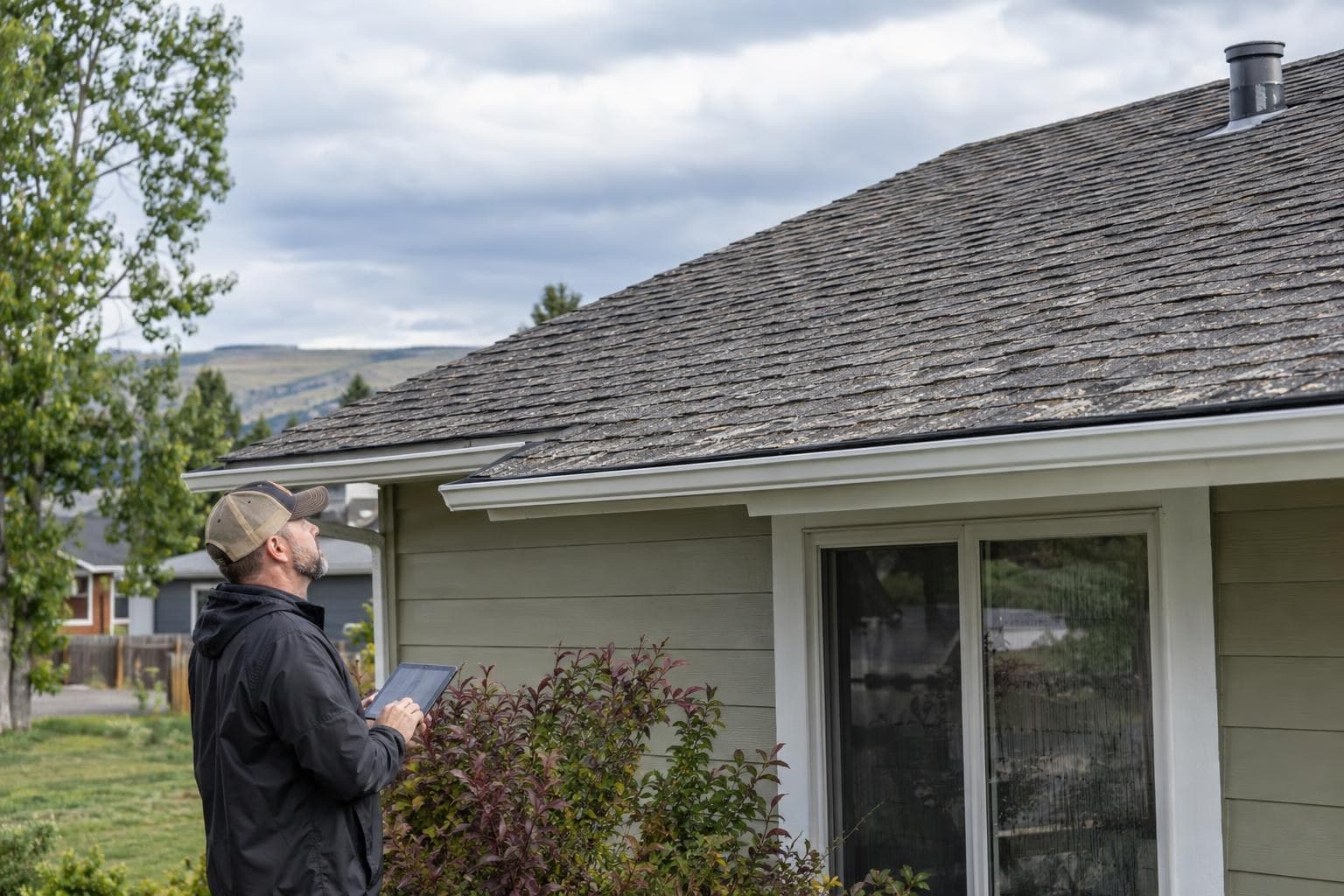
The clearest signs are curling, cracking, missing shingles, repeated leaks, and widespread wear that shows the roof is no longer holding up evenly. You may also notice shingles that look dry, brittle, or loose, especially along edges and ridges where wind pressure is stronger. Inside the home, water stains, attic moisture, or unexplained drafts can point to roof problems that have moved beyond a simple isolated repair. If the same areas keep needing attention, that often means the roof system is nearing the point where replacement makes more sense than continued patching.
Talk to a roofer today
Planning ranges, scope details, and a direct path to request a roofing quote.
Can Nevada wind and storms damage a roof even when it looks mostly fine from the ground?
Yes, and that is one reason roof inspections matter so much in Nevada. Wind damage is not always obvious from your driveway. A roof can have lifted edges, loosened shingles, worn sealants, or storm-created weak points that do not show up until the next wind event or the next leak. When storms hit, the main homeowner issue is often not just the visible damage, but the need to document it fast, protect the home from further damage, and avoid rushed repair decisions while your claim is being reviewed. A closer inspection can catch the less visible damage before it spreads.
Should you repair an aging shingle roof or replace it?
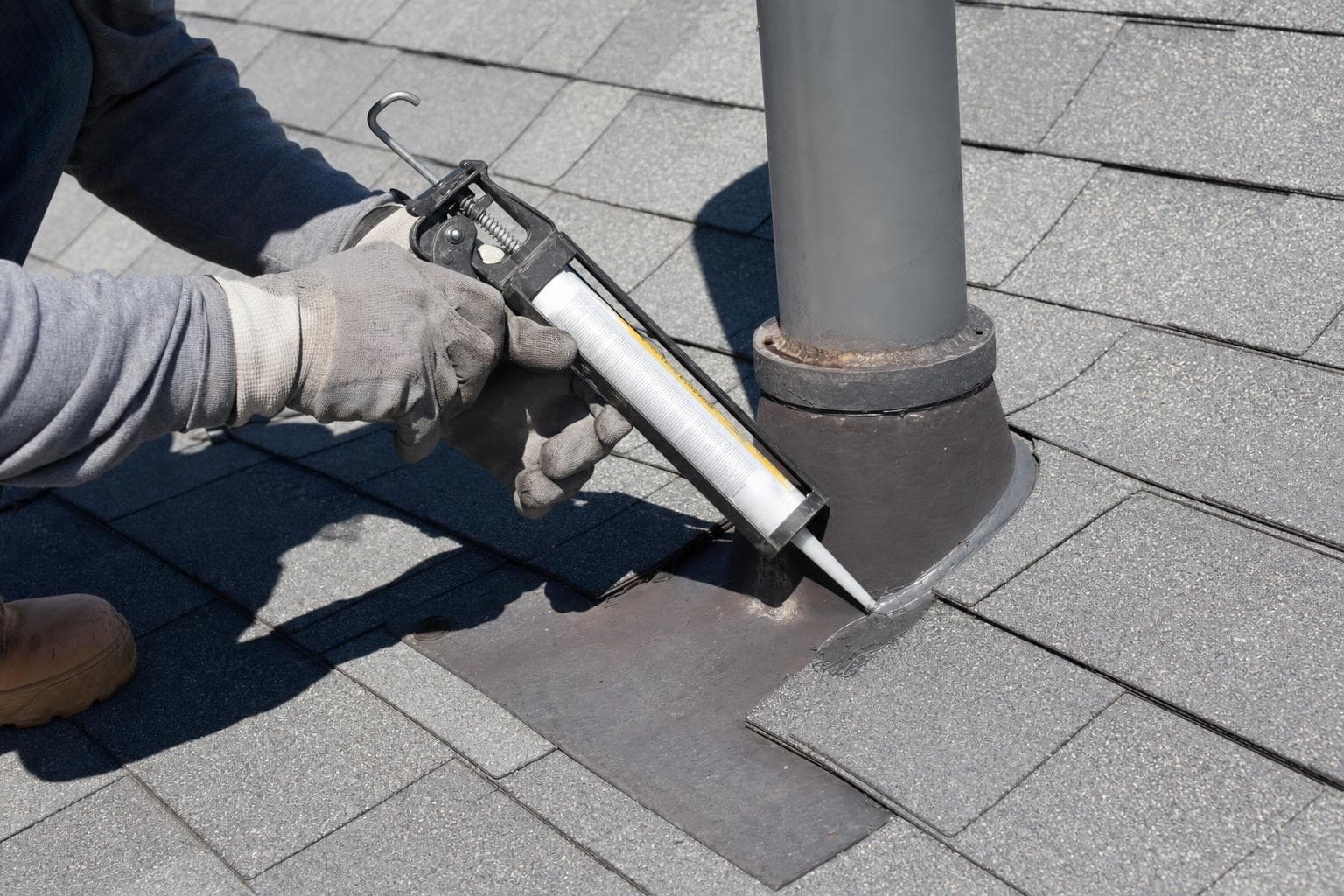
The answer depends on whether the problem is local or widespread. If damage is limited to a smaller section and the rest of the roof is still in solid shape, repairs are often the practical move. If wear is spread across many slopes, shingles are becoming brittle, or leaks keep returning, replacement may save you from repeated repair costs and interior damage. For a shingle condition and replacement plan in Nevada, require the written schedule to account for roof geometry, access, weather protection, material handling, inspections, and possible deck work. If you are weighing options, it helps to compare current local pricing and expected performance before you decide. You can find full local pricing on the Nevada cost page and the calculator.
How much does roof replacement cost in Nevada?
For a shingle condition and replacement plan in Nevada, start with current Nevada cost data, then test the planning range against a measured proposal that names the complete roof assembly. Those numbers give you a starting point if your roof inspection shows your shingles are near the end of their life. If you are still early in the process, use those numbers to compare repair versus replacement, then review the Nevada cost page and the calculator for a fuller local breakdown.
Is Class 4 worth it in Nevada?
For many homeowners, Class 4 is worth a look because it can improve durability and may help on insurance. Nevada roofs deal with wind, sun, and weather stress, so a tougher roofing option can make sense when you are already replacing the roof. For a shingle condition and replacement plan in Nevada, treat any impact-resistant roof credit as unconfirmed until the insurer identifies the eligible product, required documentation, premium portion, and amount in writing. If you are considering a Class 4 impact-resistant roof, ask your carrier whether it offers a homeowners insurance discount for that upgrade. A local roofer you have vetted can help you compare roof options, but your insurer decides eligibility and savings.
What should you do after wind or storm damage in Nevada?
Act quickly, document everything, and do not rush into a repair contract before the adjuster looks at the damage. For shingle roof lifespan in Nevada, coverage depends on the policy language, cause of loss, exclusions, and the insurer's decision; verify those terms in your own documents. If you believe you have a claim, you should review your policy and immediately contact your agent to file and discuss the details of your claim. After damage, you should immediately report your claim to your insurance company or your local agent. Nevada also says a policy provision requires that you prevent further damage or theft. You should make temporary repairs or arrange for a licensed professional to do so, save all receipts for your repairs, take photos of the damage, and keep records of expenses and receipts if you need other lodging. State guidance also says not to dispose of property until an insurance adjuster has reviewed it for your claim.
- Review your policy and report damage right away.
- Take photos and keep records of damage and expenses.
- Make temporary repairs to help prevent further damage.
- Save receipts for repairs and related costs.
- Do not dispose of damaged property before the adjuster reviews it.
- Do not sign repair contracts before the adjuster examines the damage.
- Do not pay the full amount up front or sign over your insurance settlement payment.
How do you choose the right roofer in Nevada?
Start by checking that your roofer has the right Nevada license for the work. In Nevada, contractor licensing is a real consumer-protection issue. State guidance says all businesses or individuals who construct or alter any building or other structure in Nevada must be licensed by the Nevada State Contractors Board, and contractors, including subcontractors and specialty contractors, must be licensed before submitting bids. State guidance also says roofing and siding fall under Classification C-15. For you, that means you should check your roofer’s license status, confirm the work matches the license classification, and review disciplinary history using the state’s license and disciplinary search tools. You should also insist on a written estimate before repairs begin and avoid signing anything before the adjuster examines storm damage.
When is it time to schedule a roof inspection?
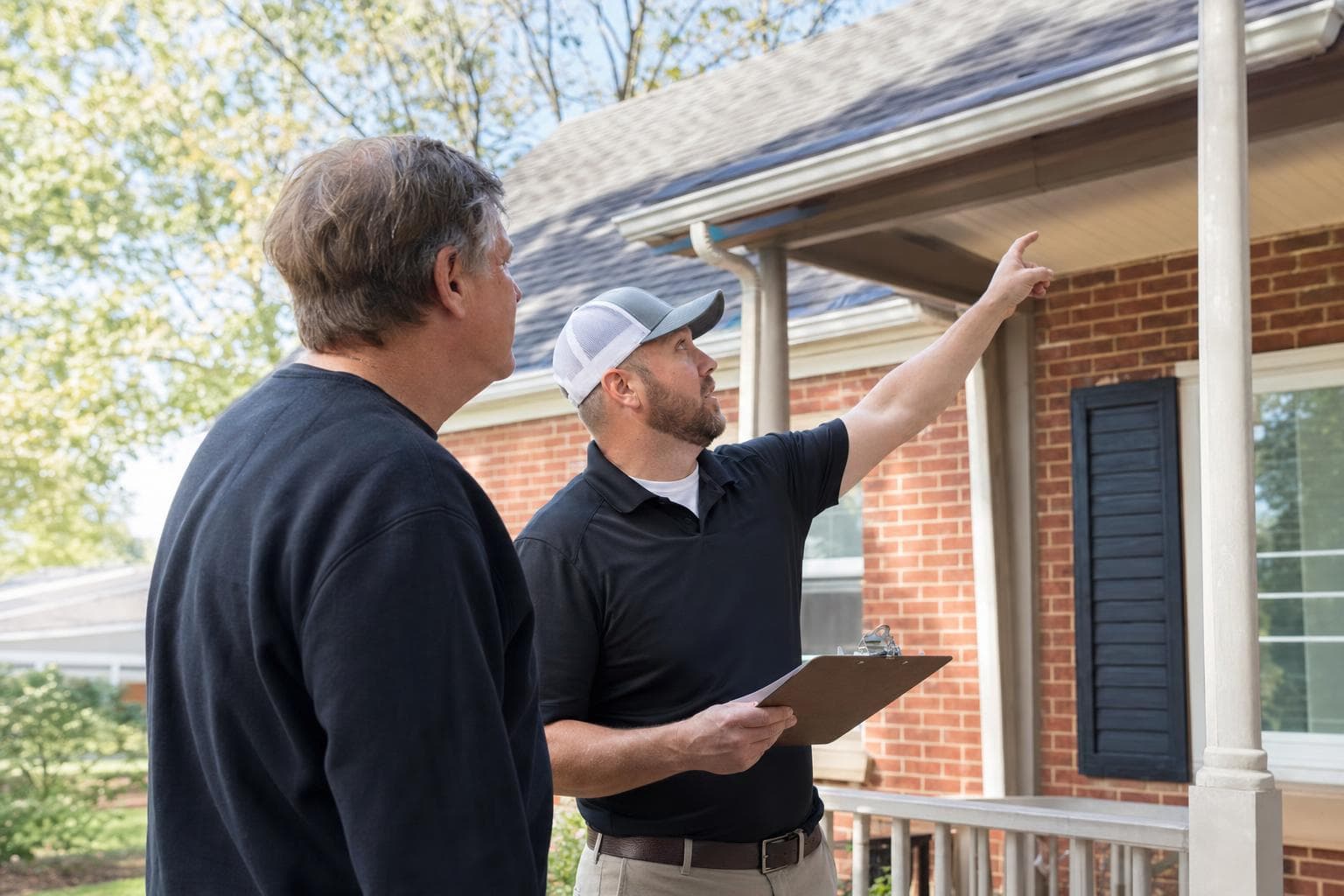
The right time is now if your roof has visible wear, has been through recent wind or storms, or is showing any signs of leaking or recurring repairs. In Nevada, waiting tends to make roof problems more expensive because sun, heat, and wind keep working on every weak point. An inspection can tell you whether your shingles still have useful life left, whether a targeted repair will solve the issue, or whether replacement is the smarter move. If your goal is to avoid surprise leaks and make a clear decision with current local cost ranges in mind, an inspection is the simplest first step.
Sources
Reviewed technical references for Nevada
Related Nevada roofing guides
Related services
Updated July 27, 2026
3D Roofs Editorial Team
Editorial Standards